Color recognition Easy Math Worksheets for Ages 7-8
5 filtered results
-
From - To
Discover our engaging Color Recognition Easy Math Worksheets designed specifically for children ages 7-8! These worksheets combine color identification with fundamental math concepts, making learning both fun and interactive. Each activity encourages students to associate colors with numbers, enhancing their cognitive skills while reinforcing math fundamentals. By improving their ability to recognize and utilize colors, these worksheets help children develop essential skills in problem-solving and critical thinking. Perfect for classroom use or at-home learning, our resources ensure an enjoyable educational experience tailored to early learners. Explore our collection today and watch your child's mathematical abilities and color recognition flourish!
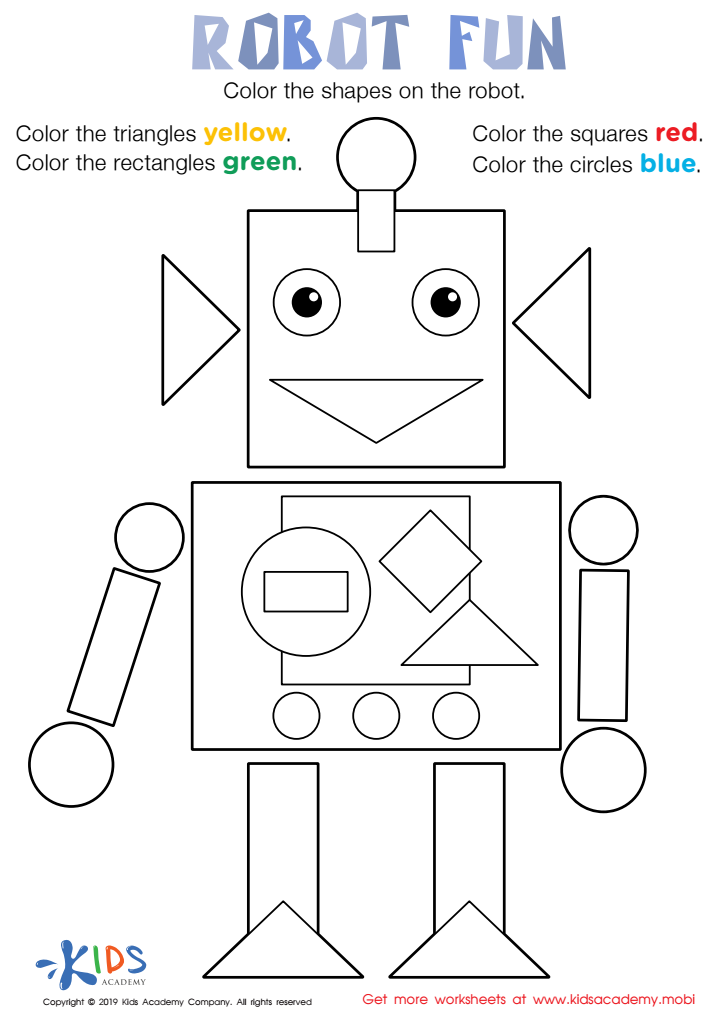
Robot Fun Worksheet
 Assign to My Students
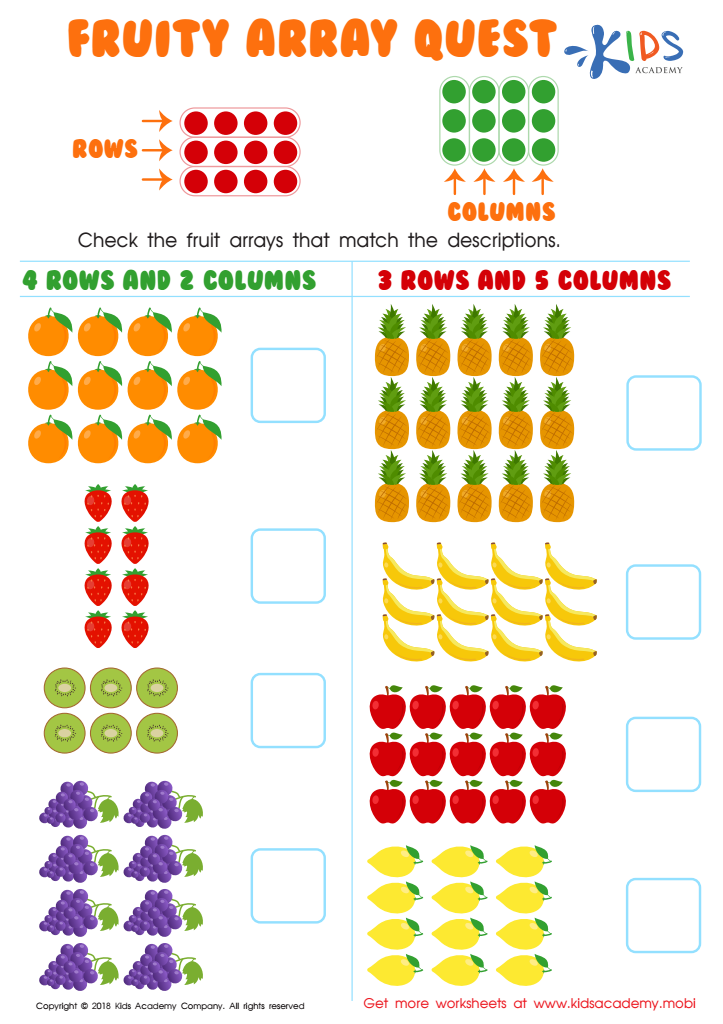
Fruity Array Quest Worksheet
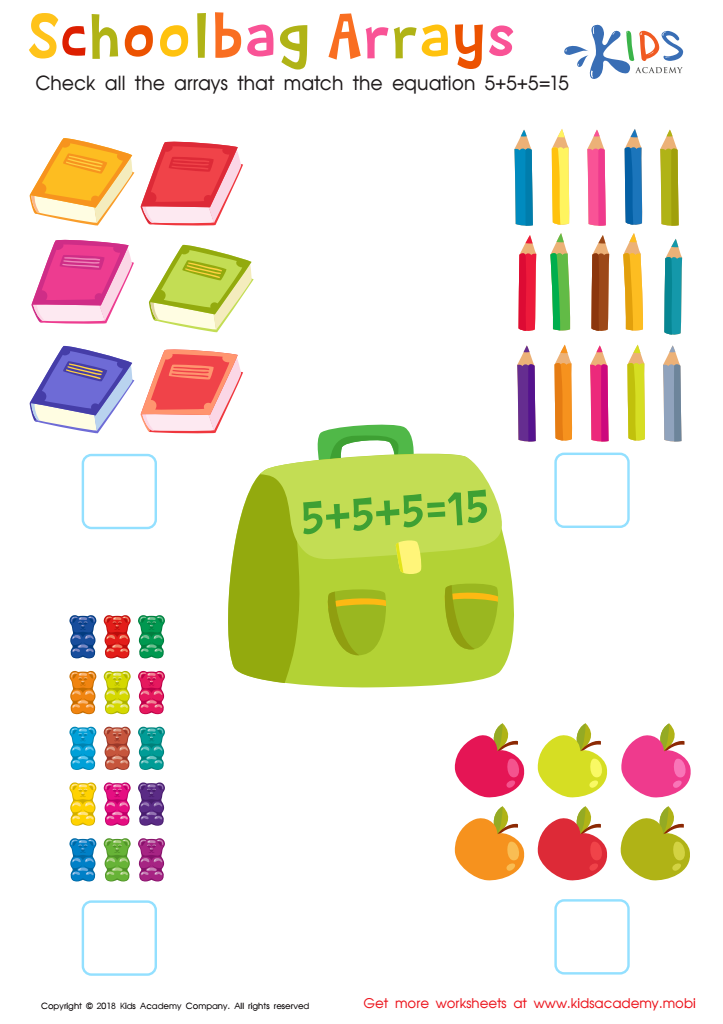
Schoolbag Arrays Worksheet
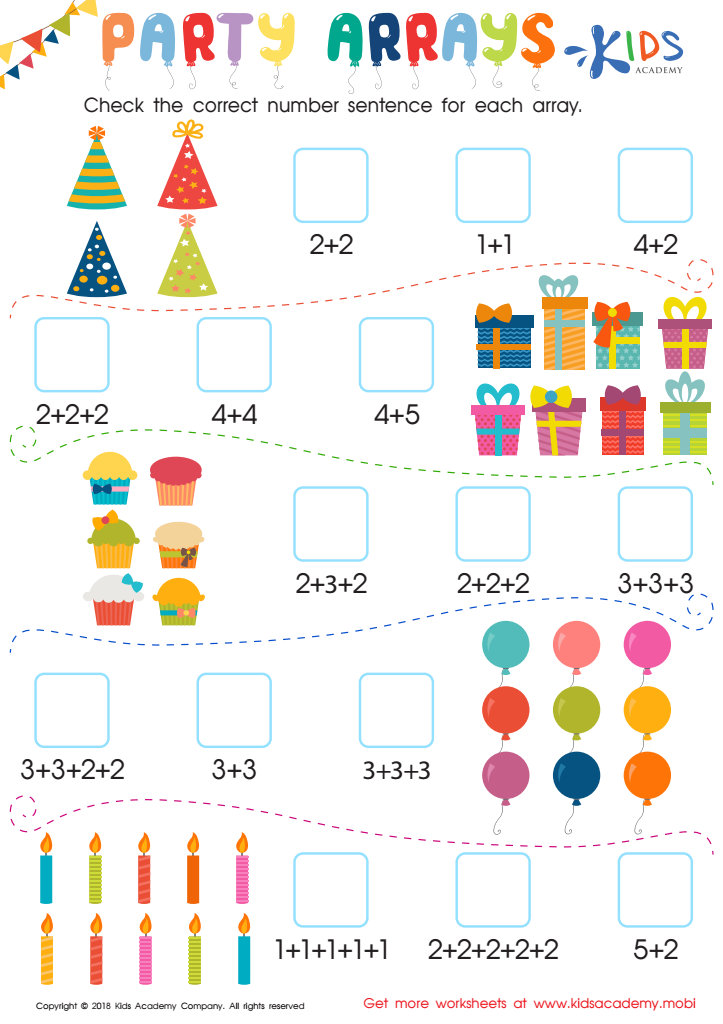
Party Arrays Worksheet
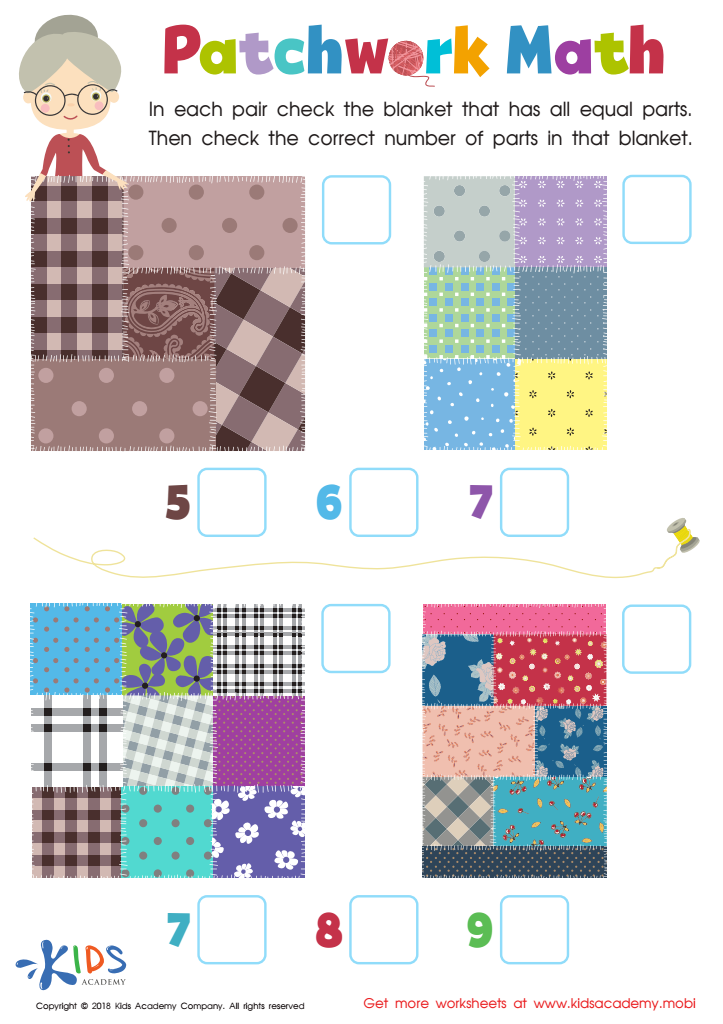
Patchwork Math Worksheet








Parents and teachers should care about color recognition in relation to easy math for ages 7-8 because it lays a foundational cognitive skill that supports various aspects of early learning. Understanding colors helps children classify objects, which is a crucial aspect of logical thinking and problem-solving. Recognizing colors can enhance engagement in mathematical activities, making learning more interactive and enjoyable.
In this age group, children are not only engaging with basic math concepts such as counting and addition, but they are also developing their ability to categorize and compare stimuli. For instance, using colored blocks can be an effective method for teaching simple math operations. This hands-on approach reinforces their understanding of quantity and enhances their spatial awareness.
Furthermore, incorporating color recognition into math lessons encourages creativity and enthusiasm in learning. Visual learning aids stimulate interest and retention, making abstract math concepts more tangible. Encouraging color recognition through games and activities also promotes fine motor skills as students manipulate materials. Overall, by integrating color recognition into early math education, we support a holistic approach to developing essential cognitive, social, and emotional skills that will benefit children in their academic journey.








