Counting skills Easy Measurement Worksheets for Ages 7-8
5 filtered results
-
From - To
Explore our "Counting Skills Easy Measurement Worksheets" designed specifically for children aged 7-8! These engaging and interactive activities help young learners develop their counting abilities through measurement concepts. Each worksheet is crafted to reinforce essential math skills, enabling students to practice counting objects, comparing lengths, and understanding basic measurements. Ideal for home or classroom use, our fun and colorful worksheets make learning enjoyable while ensuring children gain confidence in their math skills. Whether your child is just starting with measurements or looking to enhance their counting proficiency, these resources provide the perfect mix of challenge and support to foster their growth.
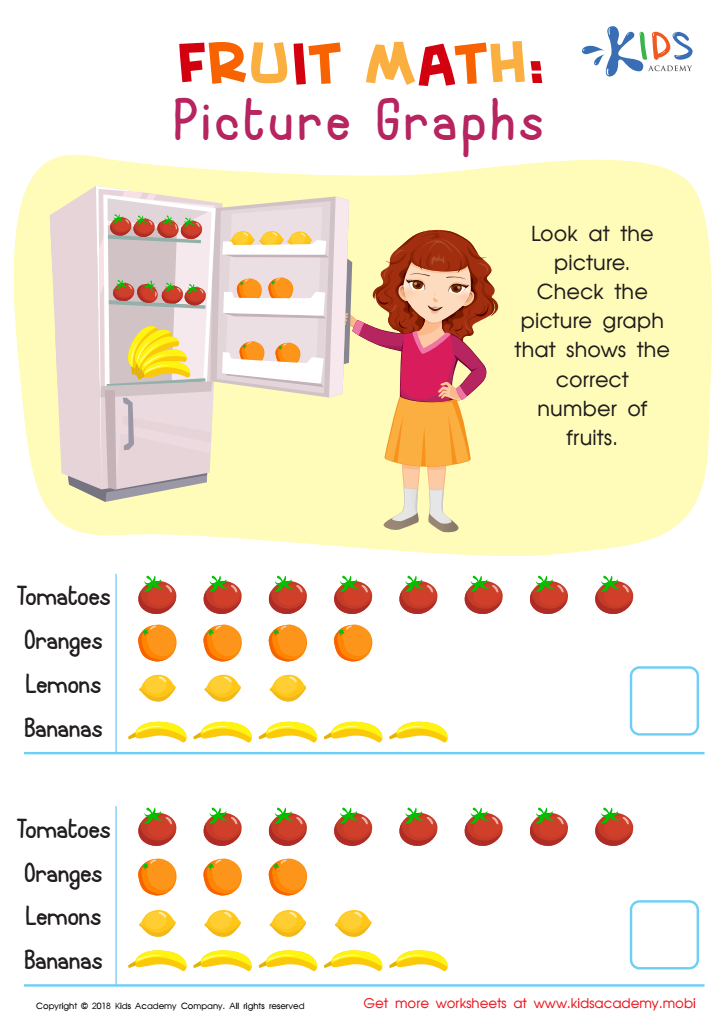
Fruit Math: Picture Graphs Worksheet
 Assign to My Students
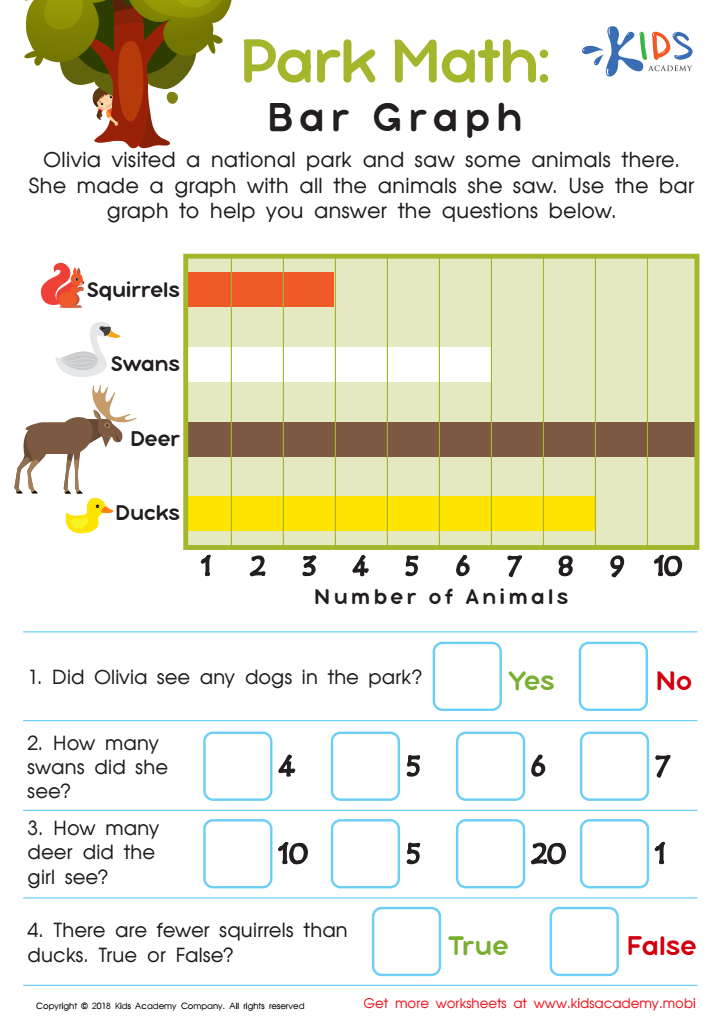
Park Math: Bar Graph Worksheet
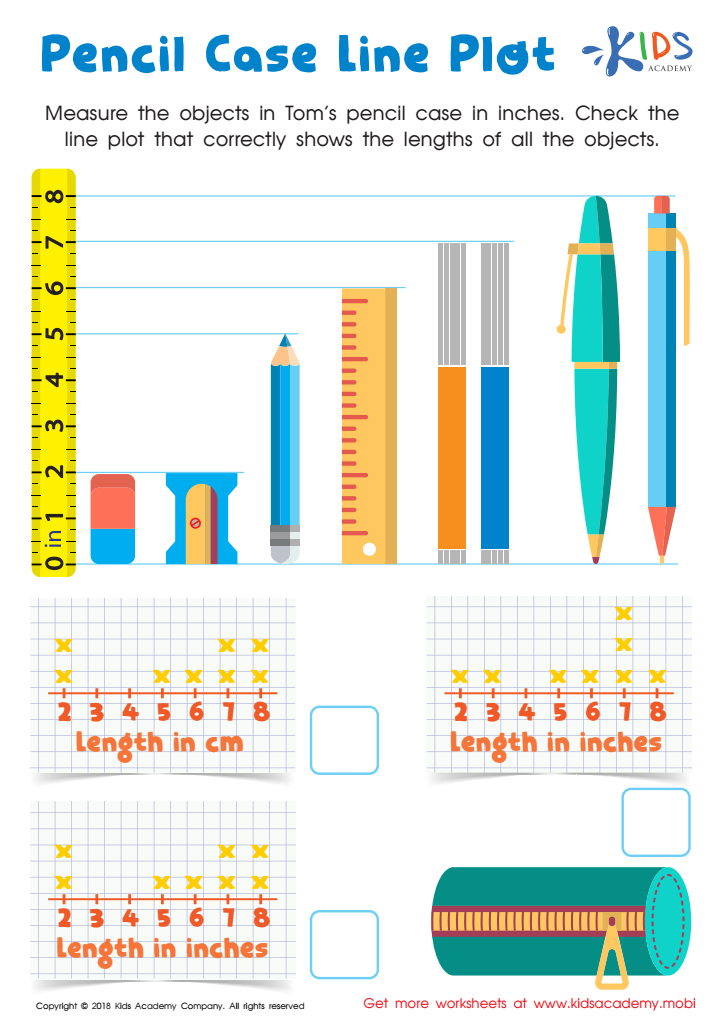
Pencil Case Line Plot Worksheet
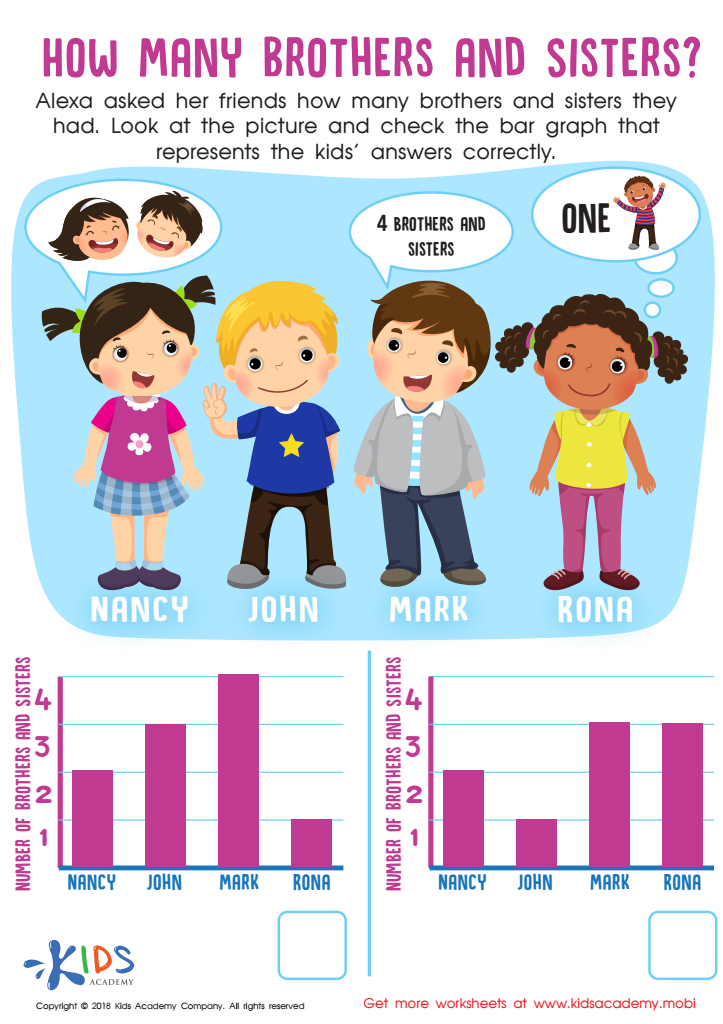
How Many Brothers and Sisters? Worksheet
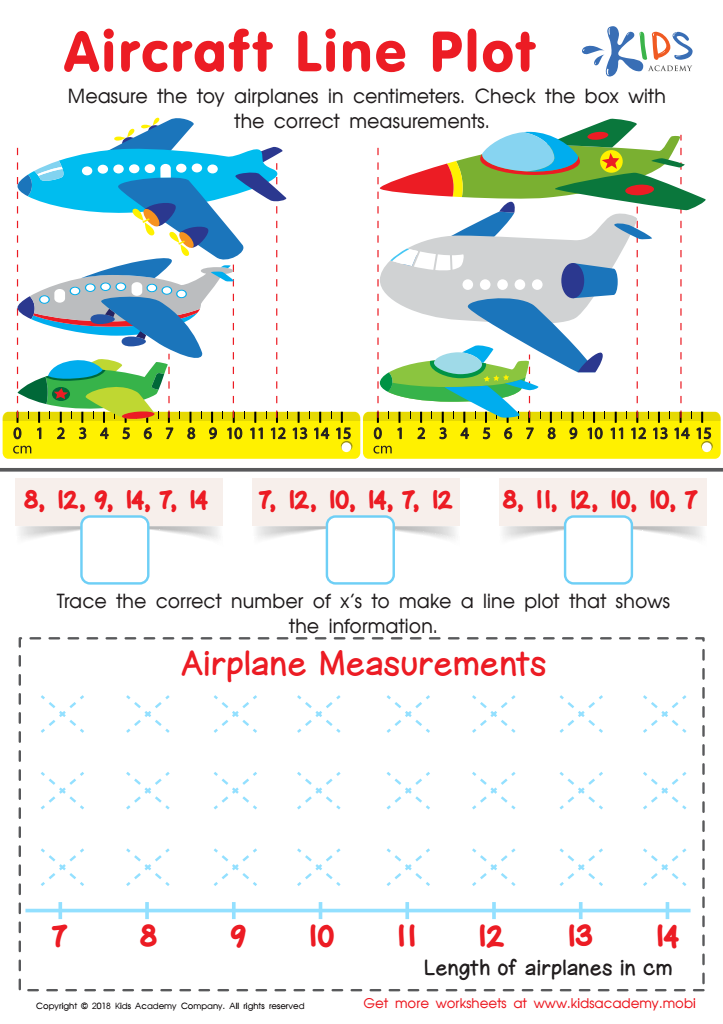
Aircraft Line Plot Worksheet








Counting skills and measurement are foundational concepts in mathematics that serve as critical building blocks for children's cognitive development, particularly for ages 7-8. At this stage, children are typically transitioning from basic arithmetic to more complex problem-solving capabilities, making it essential for parents and teachers to emphasize these skills.
Firstly, strong counting abilities enhance children's number sense, allowing them to understand quantities and develop fluency in mathematical operations. Moreover, measurement—whether it be length, weight, or volume—integrates counting with real-world applications, helping children grasp the importance of math in everyday life.
Additionally, these skills foster critical thinking, as children begin to compare, analyze, and make predictions based on measurements. This encourages a deeper understanding of concepts like estimation and the relationship between different units.
Furthermore, early mastery of counting and measurement sets the stage for future math success, impacting not only academic achievement but also confidence in tackling more complex subjects. Engaging children in fun, hands-on activities, such as measuring ingredients for a recipe or counting items during play, makes learning exciting.
By prioritizing counting skills and measurement, parents and teachers empower children to thrive academically and practically, laying the groundwork for lifelong learning.








