Color recognition Easy Reading Worksheets for Ages 7-8
12 filtered results
-
From - To
Discover our engaging "Color Recognition Easy Reading Worksheets" designed specifically for children ages 7-8! These worksheets provide an enjoyable way for young learners to enhance their color identification skills while fostering reading comprehension. With vibrant illustrations and simple, relatable text, children will easily grasp color concepts as they complete interactive activities. Each worksheet encourages not only color recognition but also promotes critical thinking and creativity. Ideal for classroom use or homeschooling, our resources ensure that learning is both fun and effective. Start your child’s colorful journey today and watch their confidence soar with every completed worksheet!
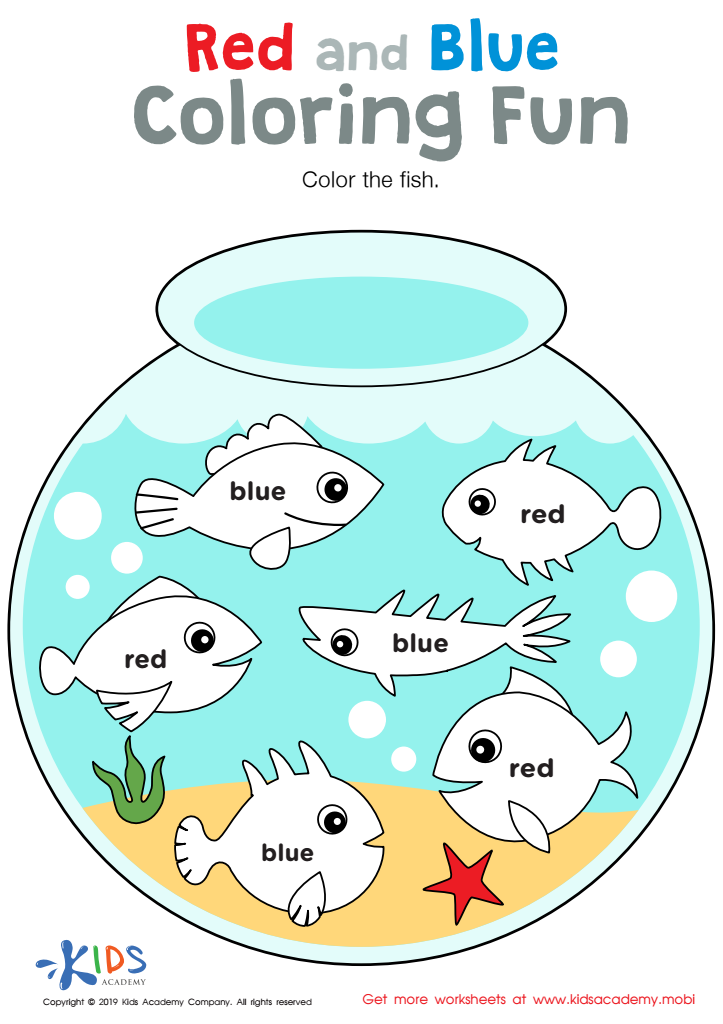
Red and Blue Coloring Fun Worksheet
 Assign to My Students
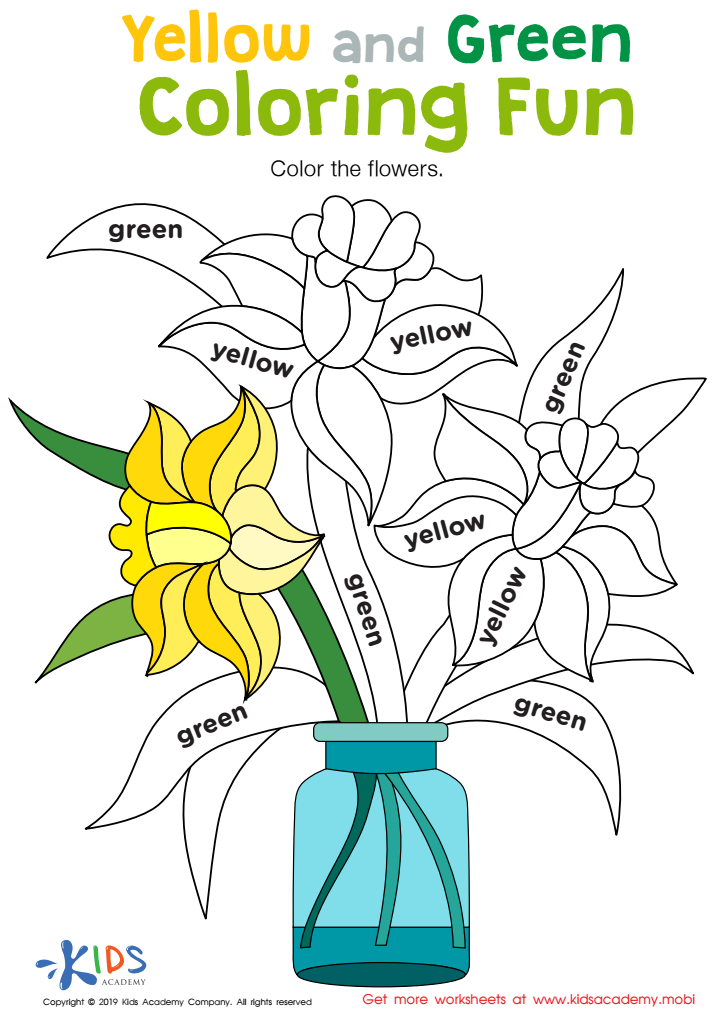
Yellow and Green Coloring Fun Worksheet
Assign to My Students
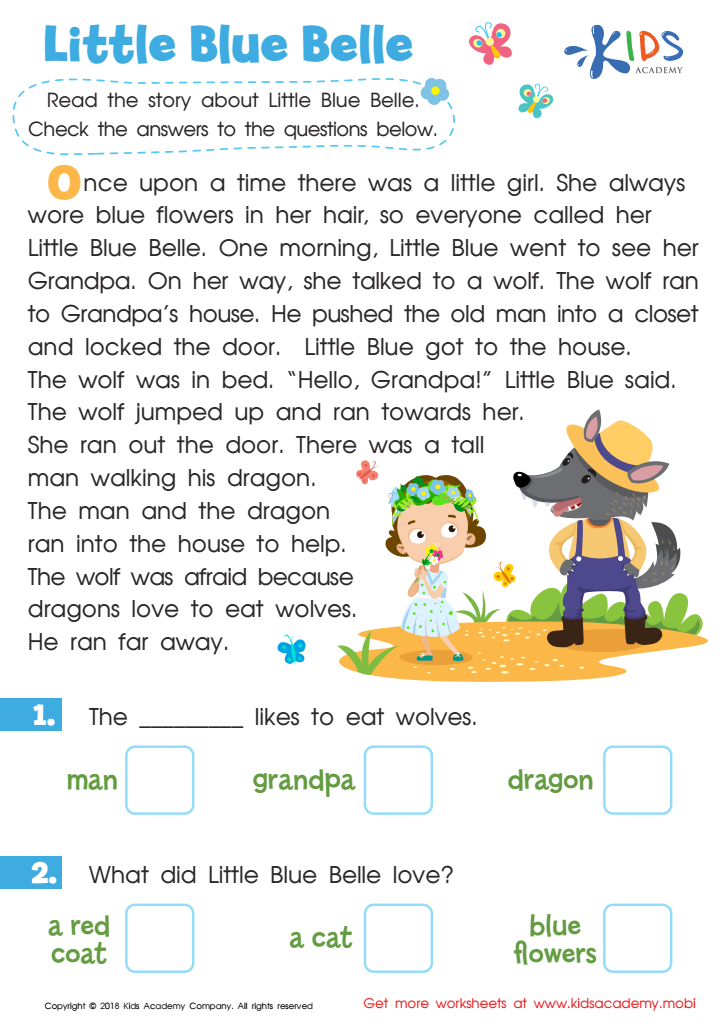
Little Blue Belle Worksheet
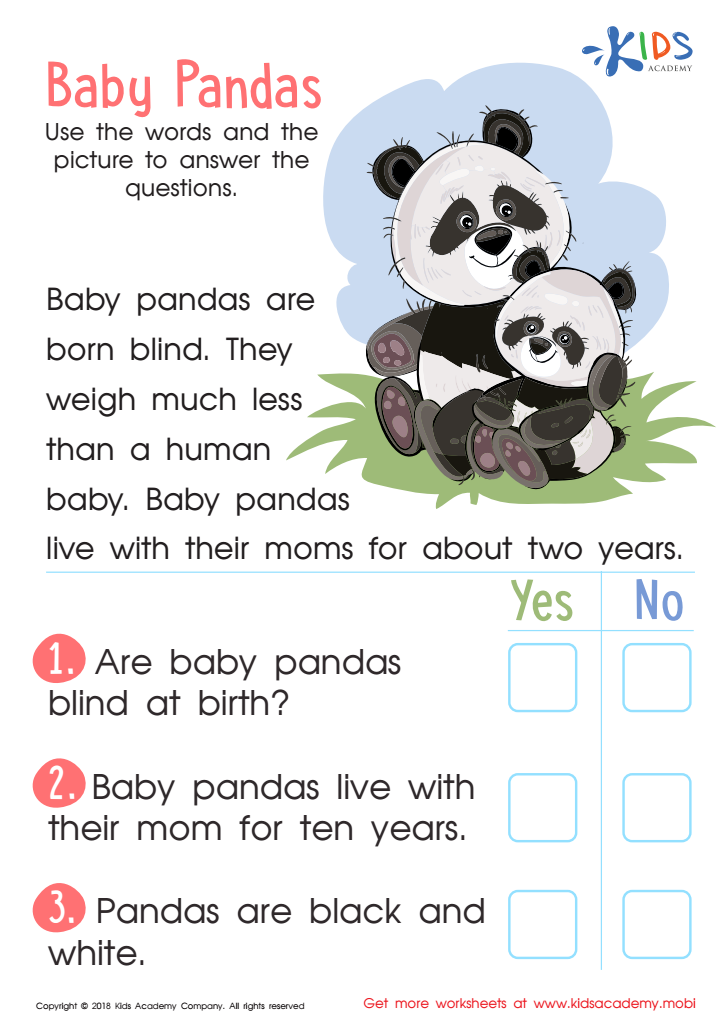
Baby Pandas Worksheet
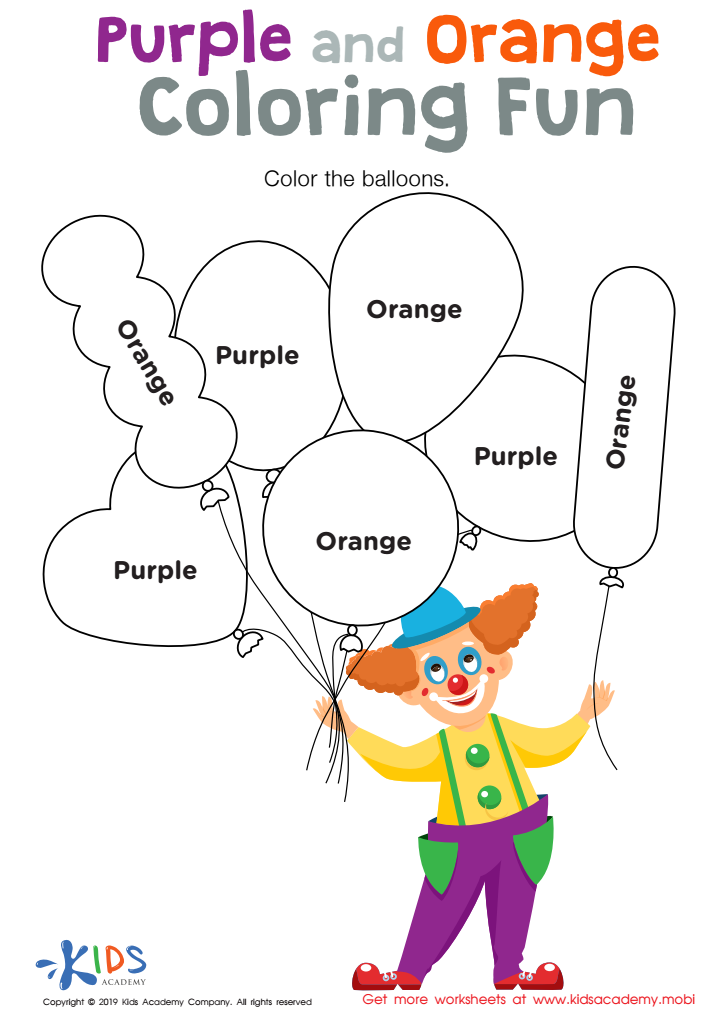
Purple and Orange Coloring Fun Worksheet
Assign to My Students
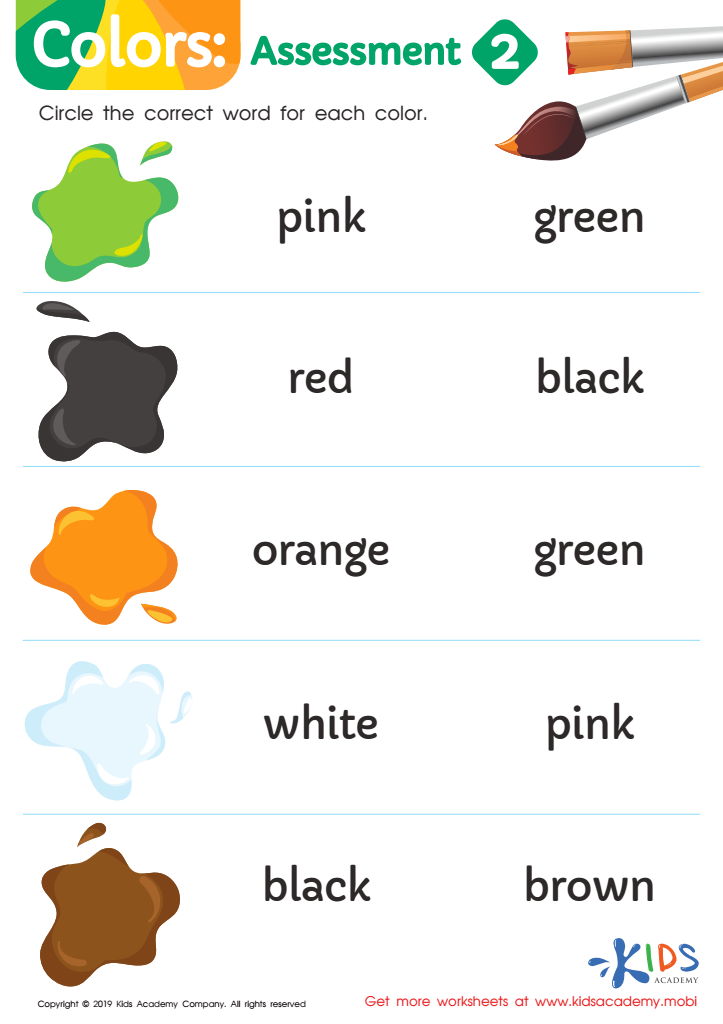
Colors: Assessment 2 Worksheet
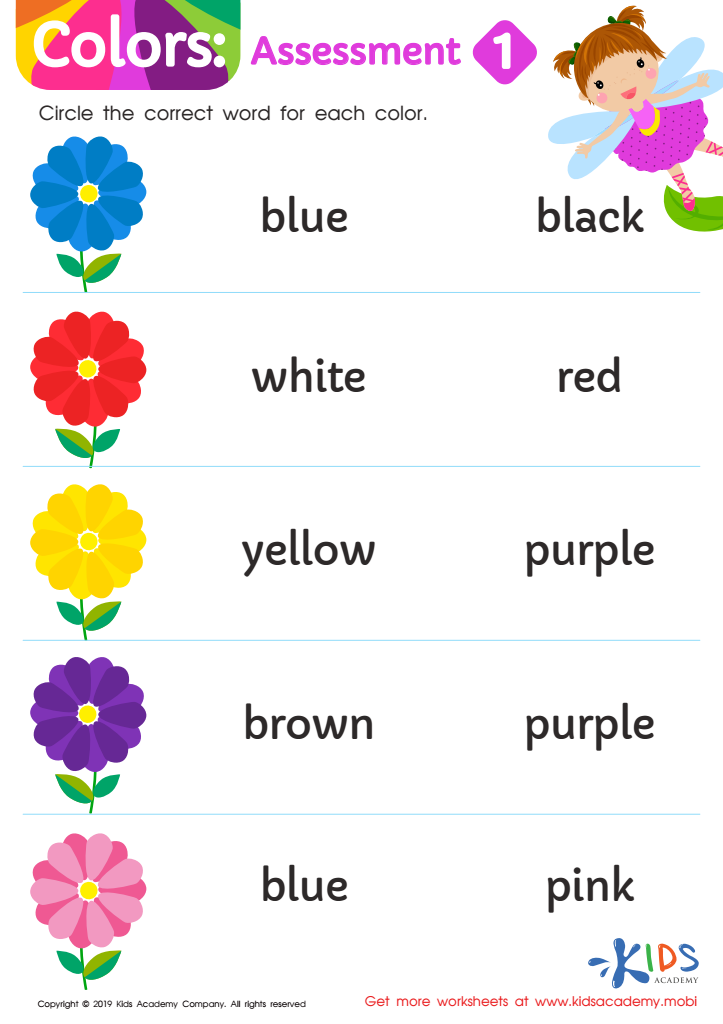
Colors: Assessment 1 Worksheet
Hickory Dickory Dock Coloring Page
Assign to My Students
Boy and Girl Words Coloring Worksheet
Assign to My Students
Tired and Worried Words Coloring Worksheet
Assign to My Students
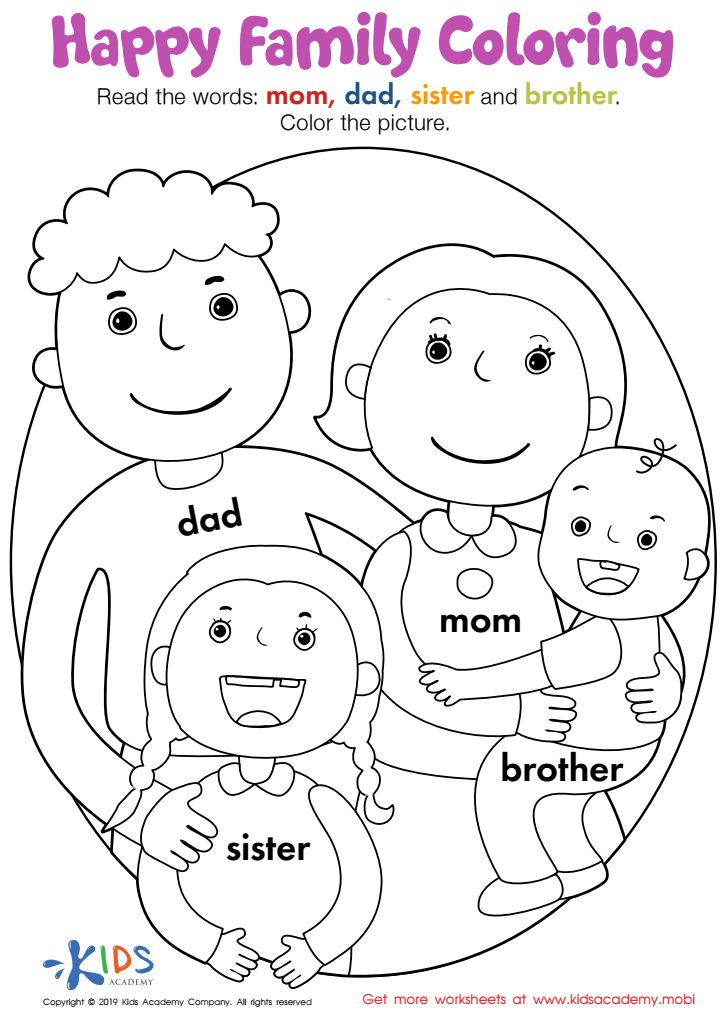
Happy Family Coloring Worksheet
Assign to My Students
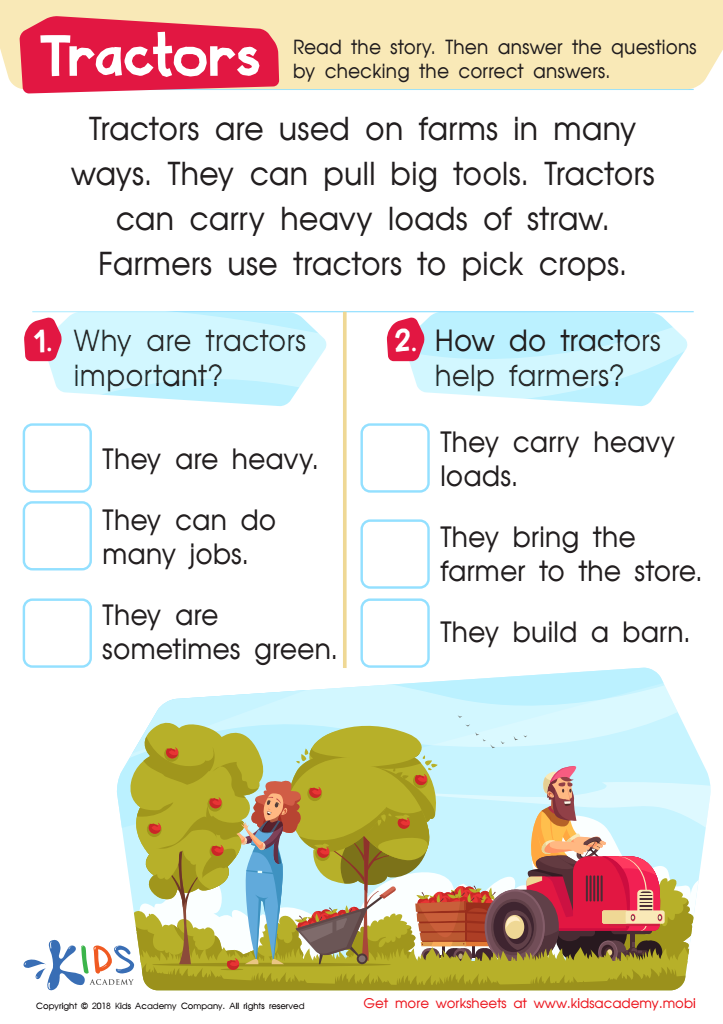
Tractors Worksheet








Color recognition is an essential skill for children aged 7-8, impacting their cognitive and social development. Parents and teachers should care about this skill because it lays the groundwork for learning across various subjects. Recognizing colors helps children understand concepts in art, science, and mathematics. For example, identifying different colors in nature can enhance their scientific observations, while mixing colors in art fosters creativity.
Additionally, color recognition aids in language development. When children learn the names and shades of colors, they expand their vocabulary and improve their ability to describe their surroundings and feelings. This enhanced verbal communication can lead to better social interactions.
Furthermore, color recognition can boost children's confidence. Successfully identifying colors can enhance their self-esteem as they engage in activities like crafting or participating in group learning scenarios.
In the classroom, teachers can incorporate color-themed games and activities, making learning enjoyable and engaging. For parents, reinforcing color recognition at home through everyday activities, such as sorting objects by color, can create a fun learning environment. Overall, nurturing color recognition not only supports children's immediate educational experiences but also prepares them for more complex skills in the future.