Vocabulary development Easy Science Worksheets for Ages 7-8
3 filtered results
Difficulty Level
Grade
Age
-
From - To
Subject
Activity
Standards
Boost your child's vocabulary development with our engaging science worksheets designed specifically for ages 7-8! These easy-to-use resources focus on building essential language skills while exploring fascinating scientific topics. Our thoughtfully crafted worksheets encourage young learners to enhance their understanding of scientific terminology, fostering both comprehension and communication abilities. With fun activities and illustrations, these worksheets are perfect for reinforcing vocabulary lessons both at home and in the classroom. Help your child become confident in their scientific language as they discover the wonders of the natural world! Explore our collection today and watch their language skills soar!
Favorites
With answer key
Interactive
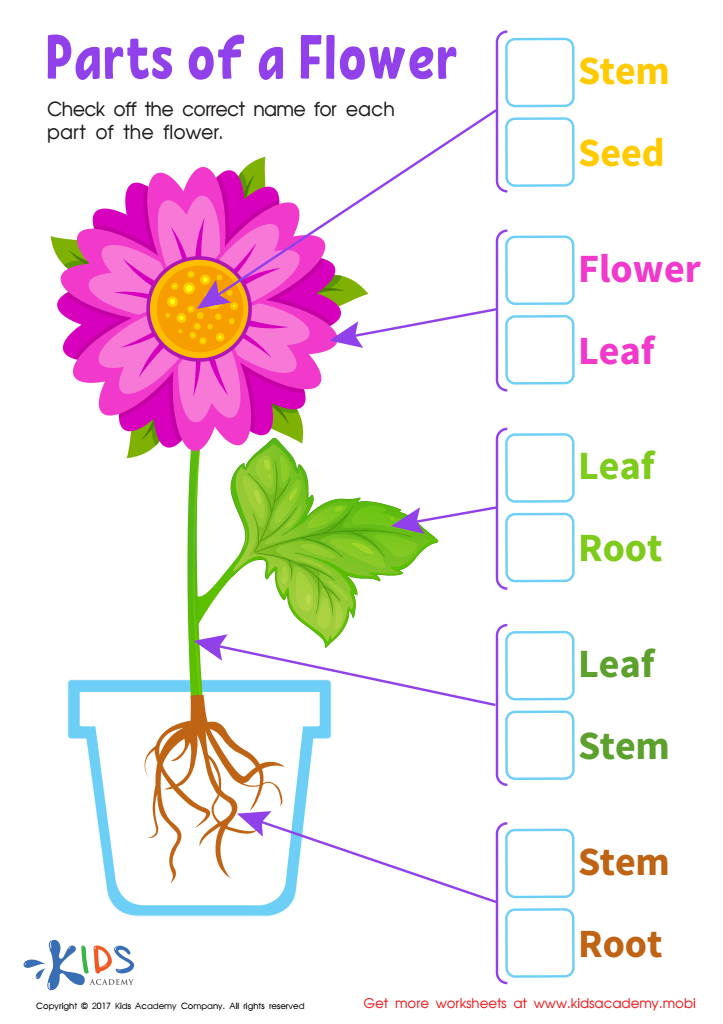
Parts Flower Printable
Introduce your child to life science with this vivid parts of a flower worksheet! They'll learn basic flower structures while building biology vocabulary and discovering plants are living creatures too! Perfect for budding little scientists!
 Assign to My Students
Parts Flower Printable
Worksheet
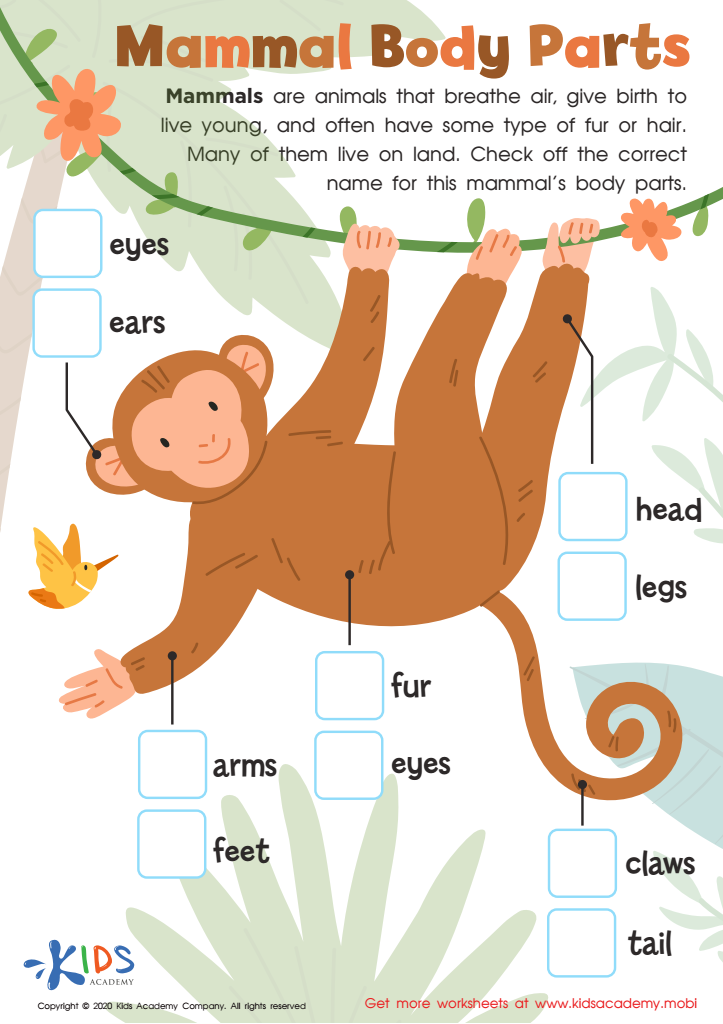
Mammal Body Parts Worksheet
Help your little scientist identify a mammal's body parts with this cute and colorful worksheet. It includes fur, arms, legs, tails, and more! Read the passage to learn what makes an animal a mammal, then have them check off the boxes to identify parts of the monkey. It's a fun way to learn about animals in the animal kingdom!
Mammal Body Parts Worksheet
Worksheet
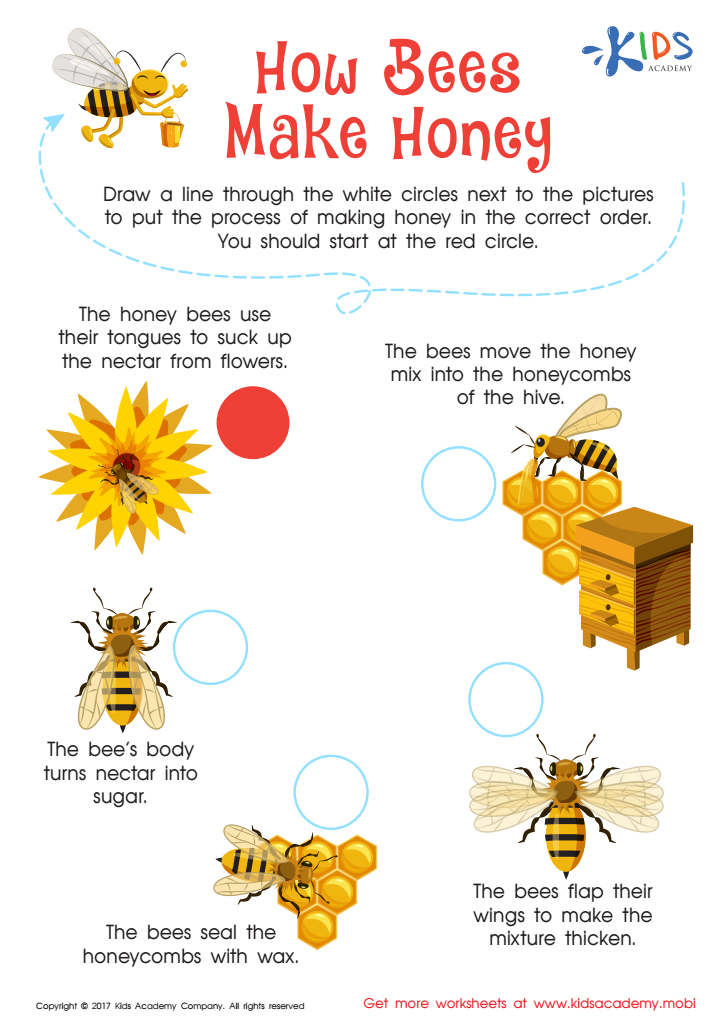
Honey Bee Worksheet
Kids learn about life science and the process of making honey with this sweet honeybee worksheet for 3rd grade. They identify the steps bees take and put the cycle in order, developing knowledge and appreciation for honeybees!
Honey Bee Worksheet
Worksheet
Join Kids Academy for Free
Who is primarily going to use this learning content?







Vocabulary development plays a crucial role in the learning journey of children aged 7-8, particularly in subjects like science. At this age, children are not only expanding their reading skills but also engaging with new concepts and ideas that require specific vocabulary to understand. When parents and teachers prioritize vocabulary development, they provide kids with the tools they need to comprehend scientific texts and participate in discussions about them, enhancing their critical thinking and analytical skills.
A strong vocabulary helps children express their thoughts clearly and engage more fully in learning experiences. Science concepts can often be complex, with specialized terms describing processes and phenomena. Understanding these words allows children to connect new knowledge with what they already know, making learning more meaningful.
Furthermore, vocabulary skills are linked to overall academic success. Studies show that children with a rich vocabulary tend to perform better in reading comprehension and standardized tests, setting a solid foundation for future learning. Alongside this, a well-developed vocabulary fosters a love for learning, encouraging lifelong curiosity.
In conclusion, supporting vocabulary development in young learners is essential, as it lays the groundwork for success in science and beyond. Parents and teachers play a vital role in nurturing this important skill.