Writing practice Easy ABC Letters Worksheets for 7-Year-Olds
3 filtered results
-
From - To
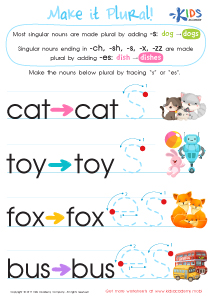
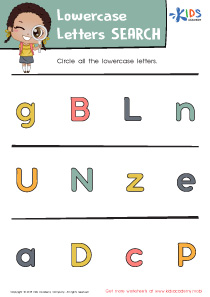
Introduce your 7-year-old to the joy of writing with our Easy ABC Letters Worksheets! Specifically designed for young learners, these engaging resources help children practice handwriting while becoming familiar with the alphabet. Each worksheet promotes letter recognition through traceable letters, fun activities, and colorful illustrations. Ideal for enhancing fine motor skills, our worksheets make learning enjoyable and interactive. They enrich your child's vocabulary and boost confidence in writing independently. Perfect for school or home use, the worksheets cater to varying levels of skill and understanding. Equip your child with essential writing skills today – this is the perfect starting point in their literacy journey!
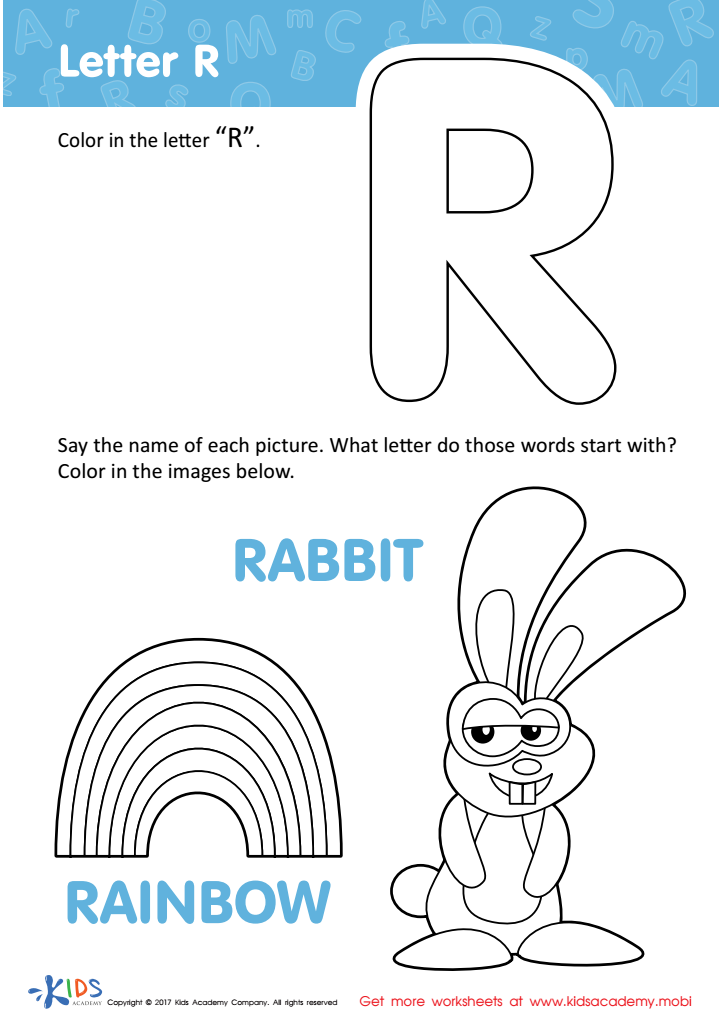
Letter R Coloring Sheet
 Assign to My Students



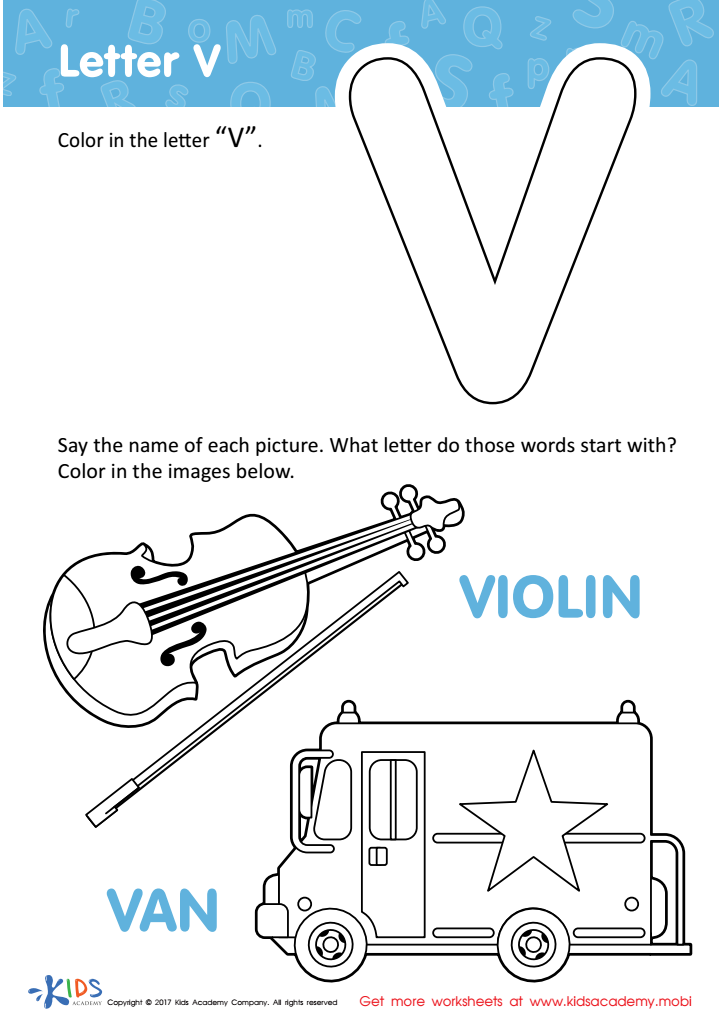
Letter V Coloring Sheet
Assign to My Students
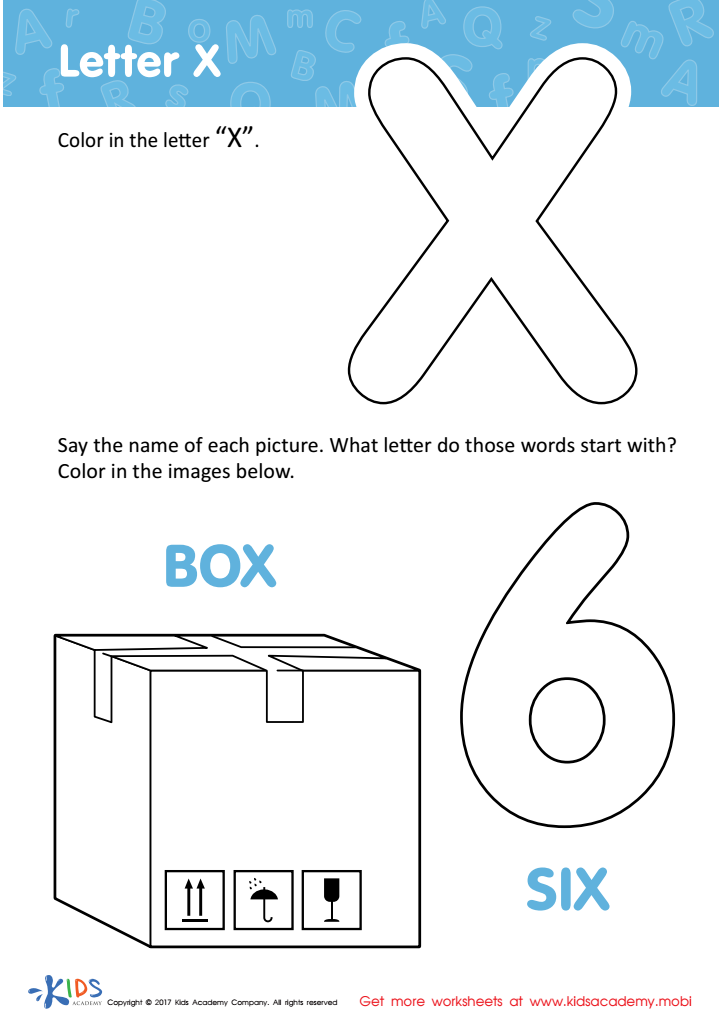
Letter X Coloring Sheet
Assign to My Students








Writing practice, particularly the "Easy ABC Letters" approach, is crucial for 7-year-olds as it lays the foundation for effective communication skills that are necessary for academic success and personal growth. At this age, children are developing their literacy skills, and practicing writing letters helps reinforce their understanding of the alphabet, phonics, and the relationship between sounds and spellings. This aids in reading proficiency, allowing them to decode words and build vocabulary.
Moreover, writing practice fosters fine motor skills essential for overall handwriting development. A child who effectively writes letters not only improves letter formation but also gains confidence in expressing thoughts and ideas on paper. This is particularly relevant as they transition into more complex writing tasks, including sentences and short paragraphs.
Engaging in routine letter writing creates habits of organization and structure in their thought processes. Parents and teachers who prioritize this practice provide children with a strong toolkit for lifelong learning. Additionally, it can serve as a joyful and creative outlet, enhancing their engagement and love for writing as they build their skills. In essence, writing practice is integral to a child’s academic journey and emotional development, making it a critical focus for caregivers and educators alike.