Understanding fractions Easy Geometry Worksheets for 7-Year-Olds
14 filtered results
-
From - To
Unlock the world of fractions for your 7-year-old with our engaging "Understanding Fractions" easy geometry worksheets! Designed to make learning fun and accessible, these worksheets introduce key fraction concepts through colorful visuals and interactive exercises. Children will develop essential skills like recognizing and comparing fractions, understanding parts of a whole, and relating fractions to everyday situations. Perfect for home or classroom use, our resources cater to different learning styles to ensure that every child can grasp the basics of fractions confidently. Embrace a seamless learning experience and watch your child become a fraction whiz with our thoughtfully crafted materials!
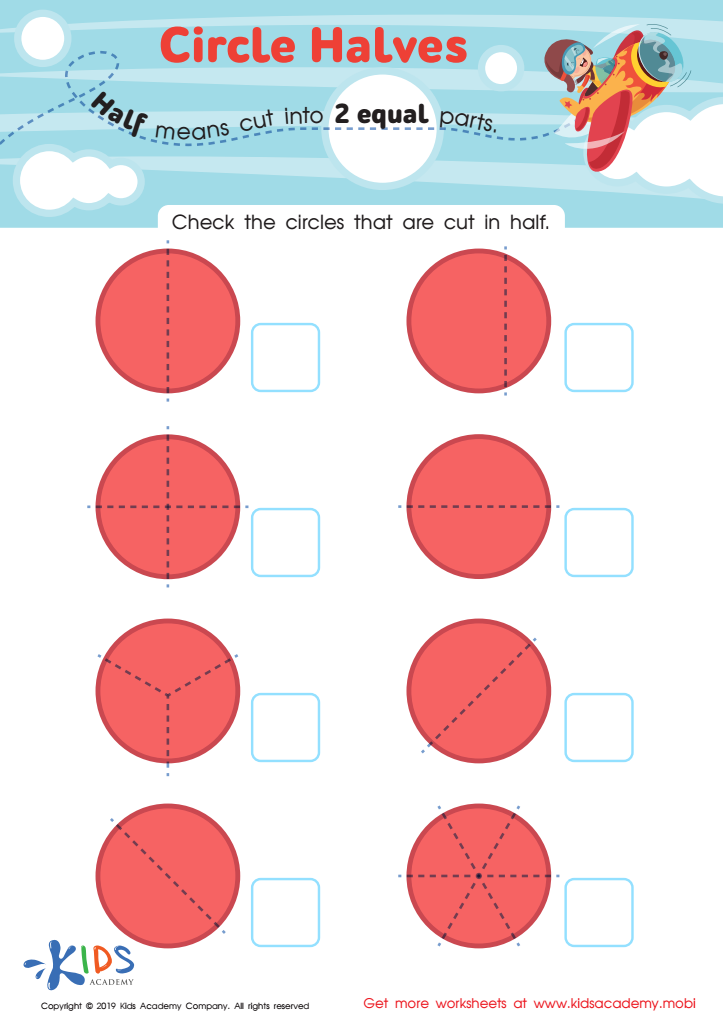
Circle Halves Worksheet
 Assign to My Students











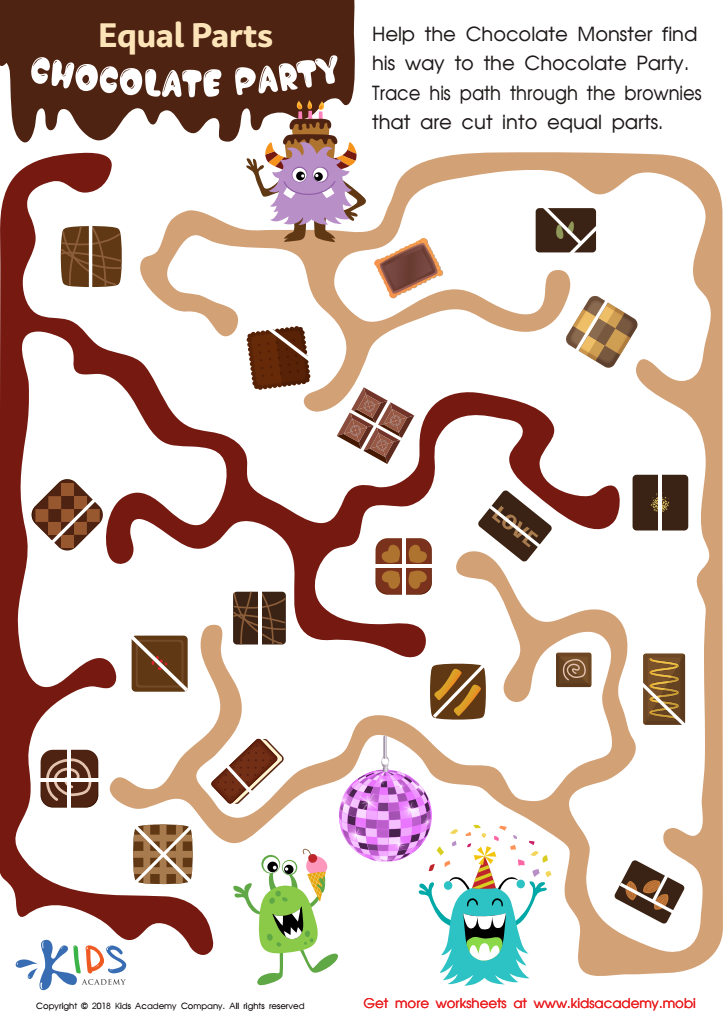
Equal Parts: Chocolate Party Worksheet
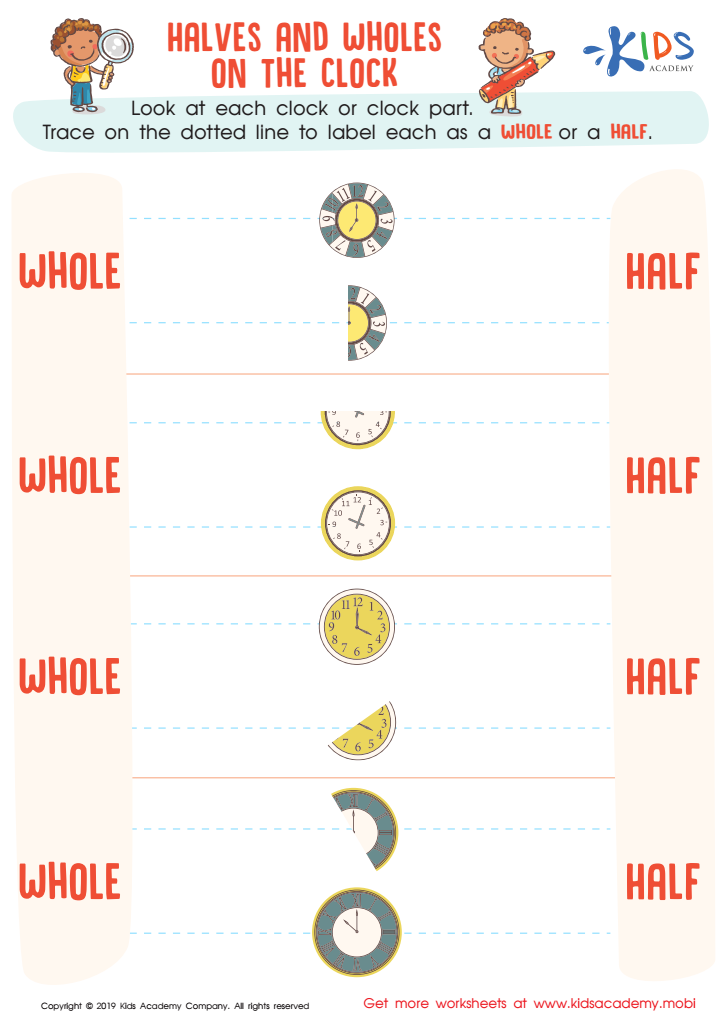
Halves and Wholes on the Clock Worksheet
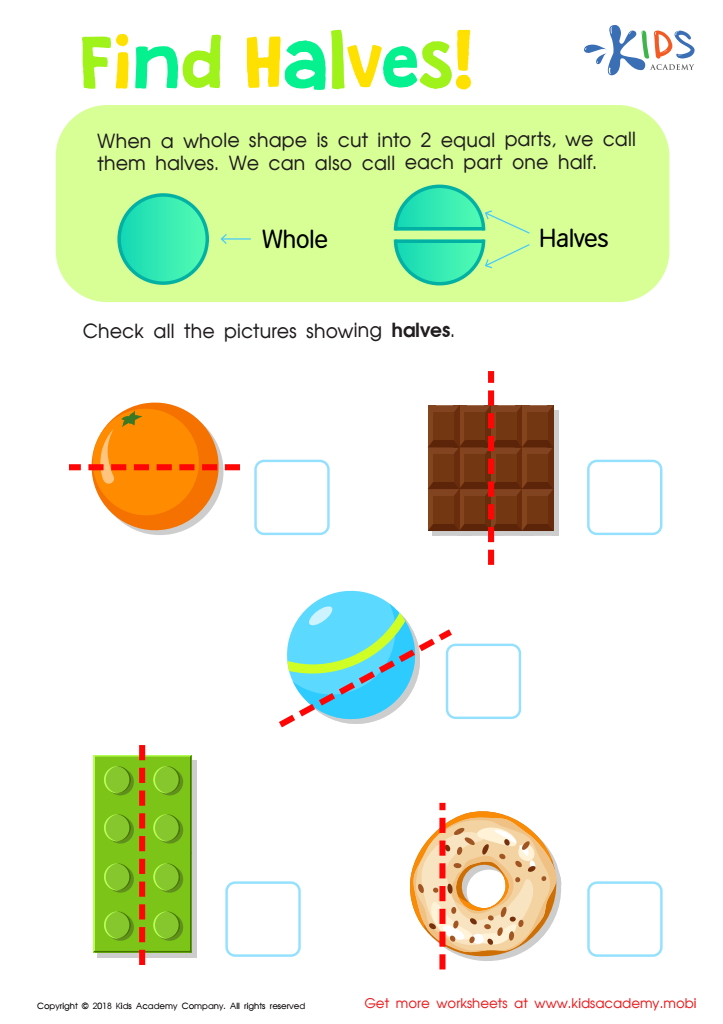
Find Halves Worksheet
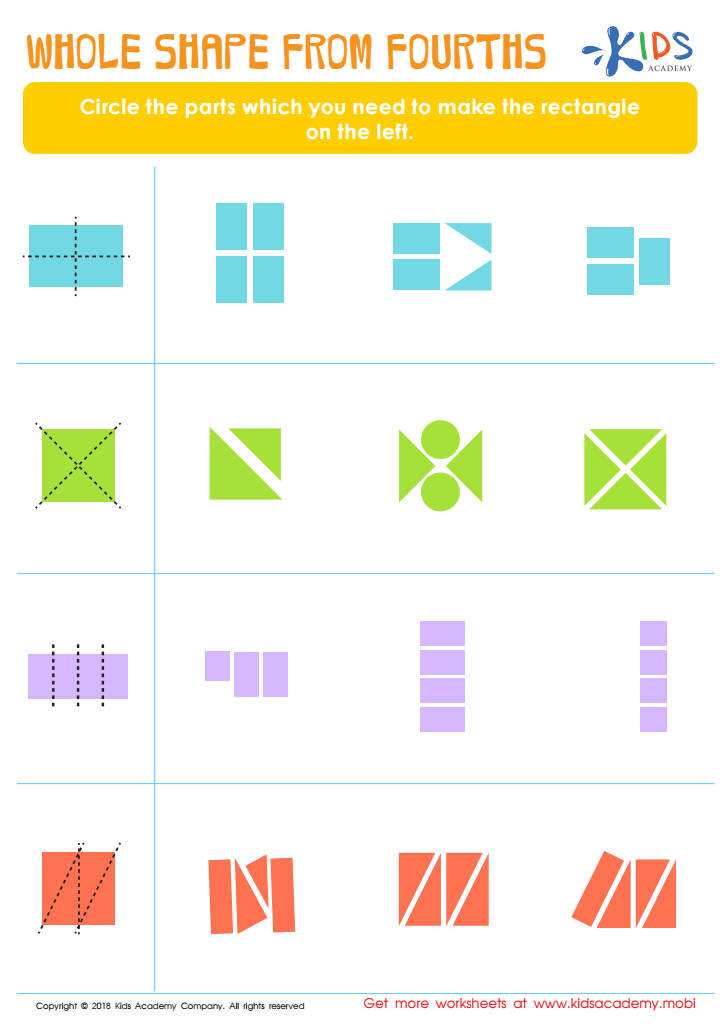
Whole Shape from Fourths Worksheet
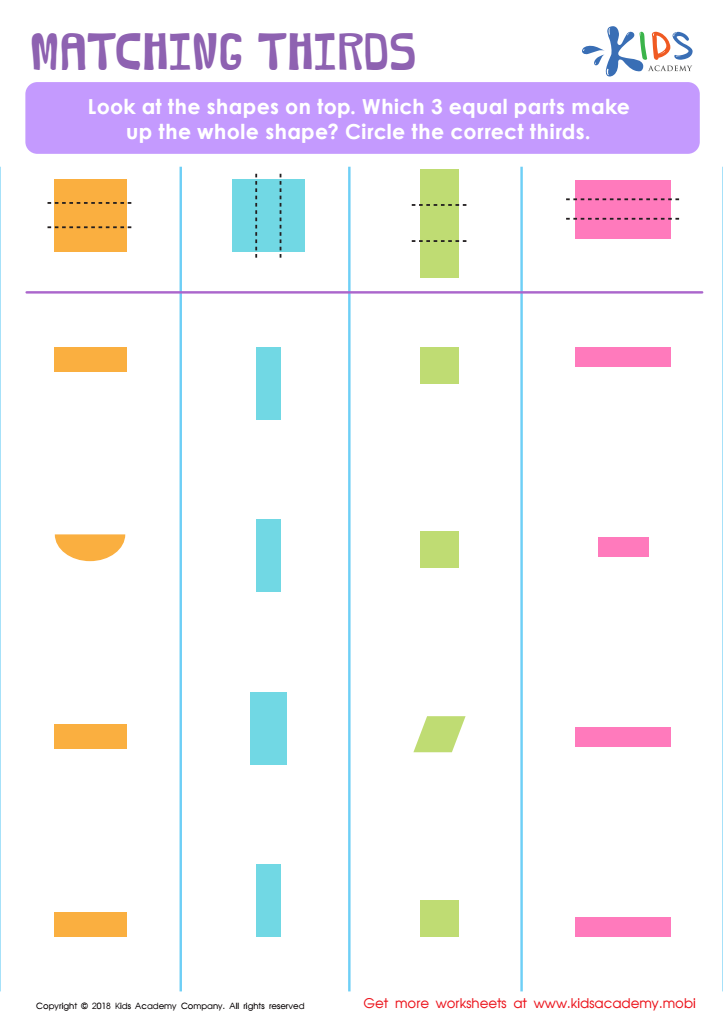
Matching Thirds Worksheet
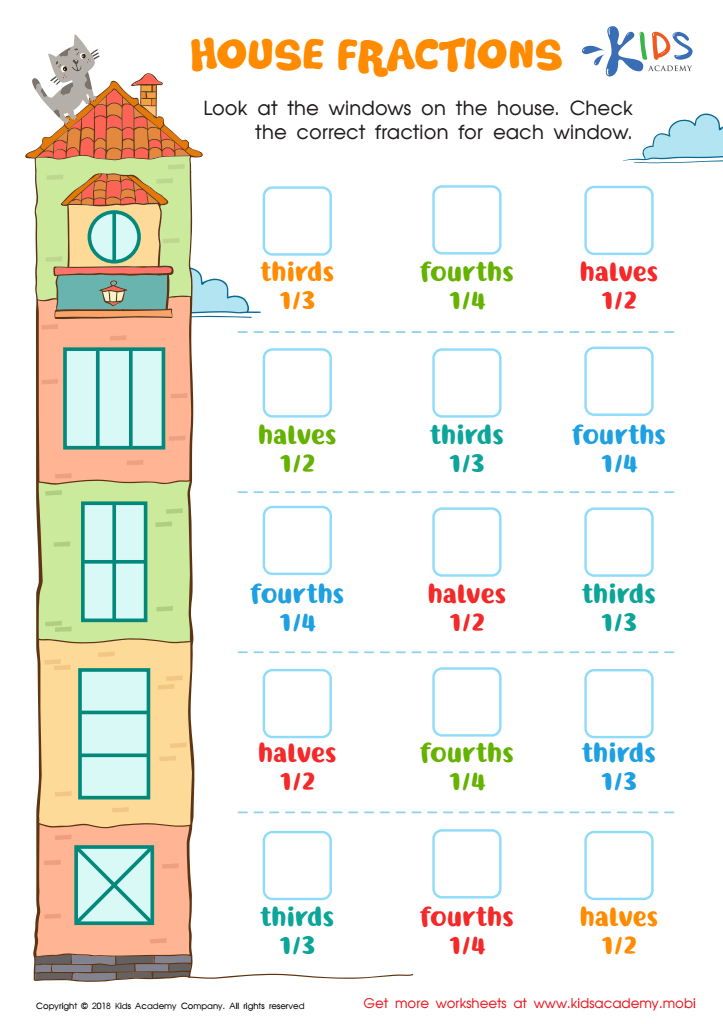
House Fractions Worksheet
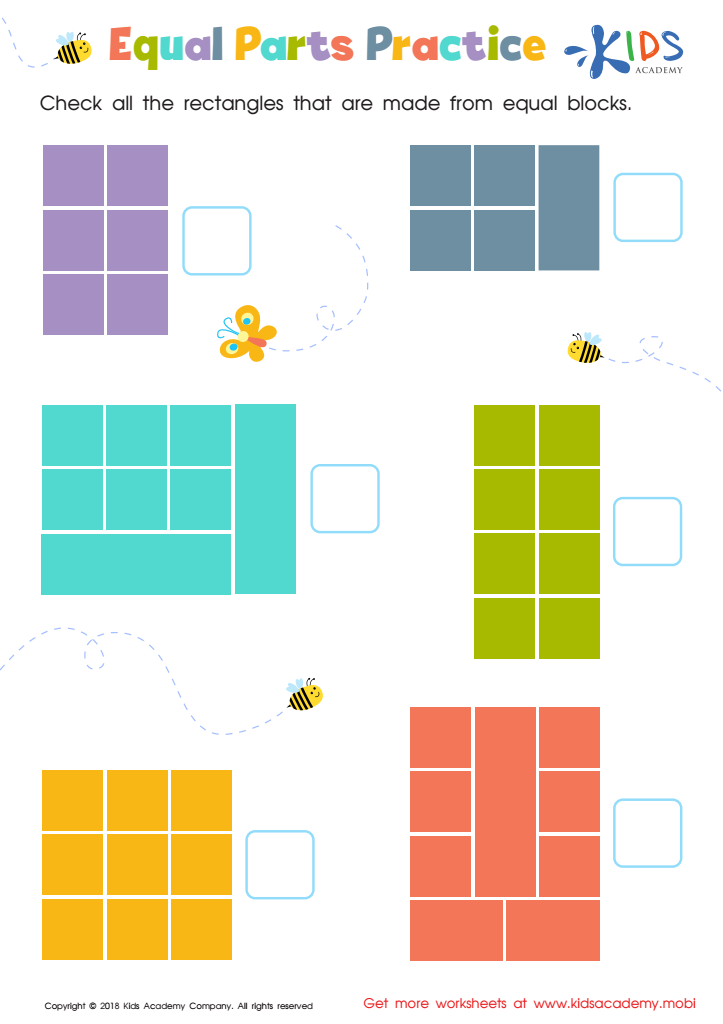
Equal Parts Practice Worksheet
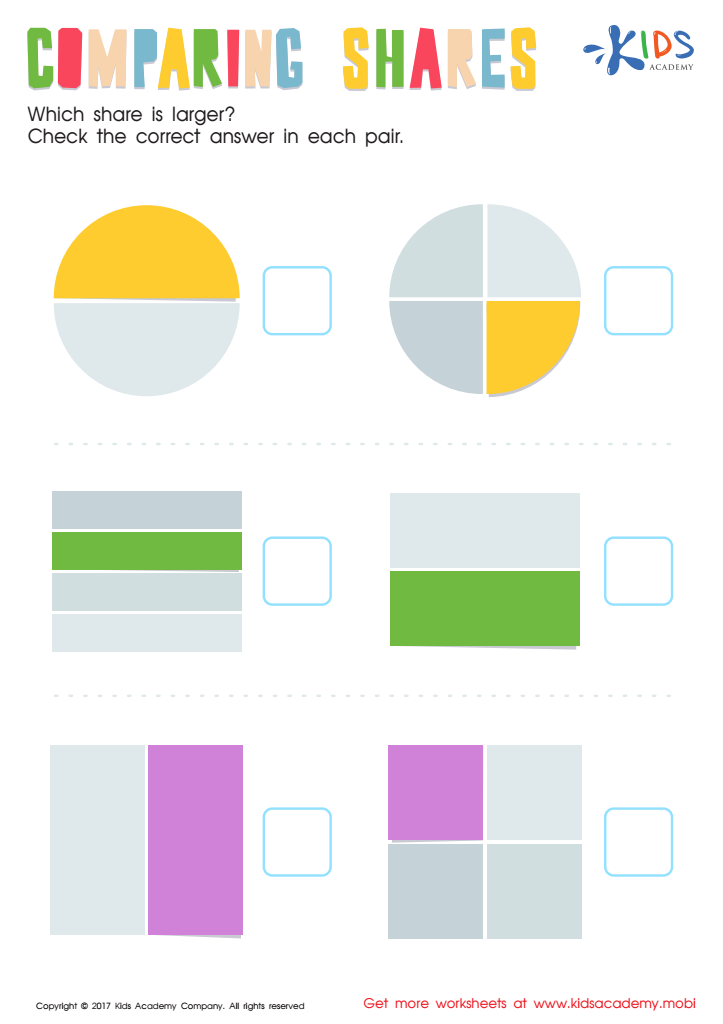
Comparing Shares Worksheet
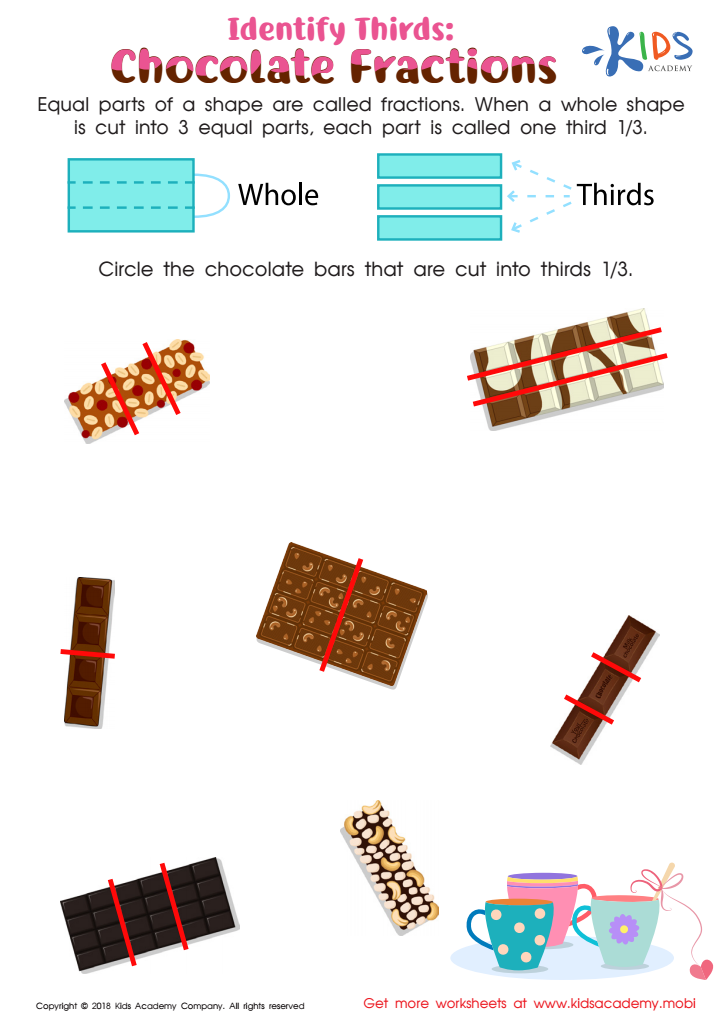
Identify Thirds: Chocolate Fractions Worksheet
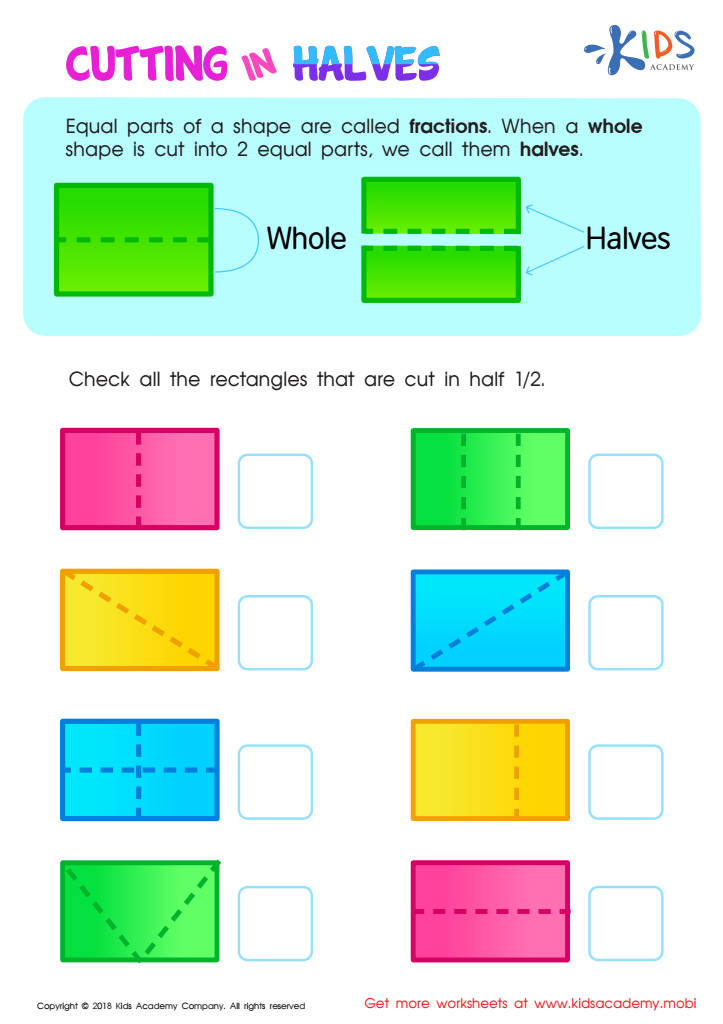
Cutting in Halves Worksheet
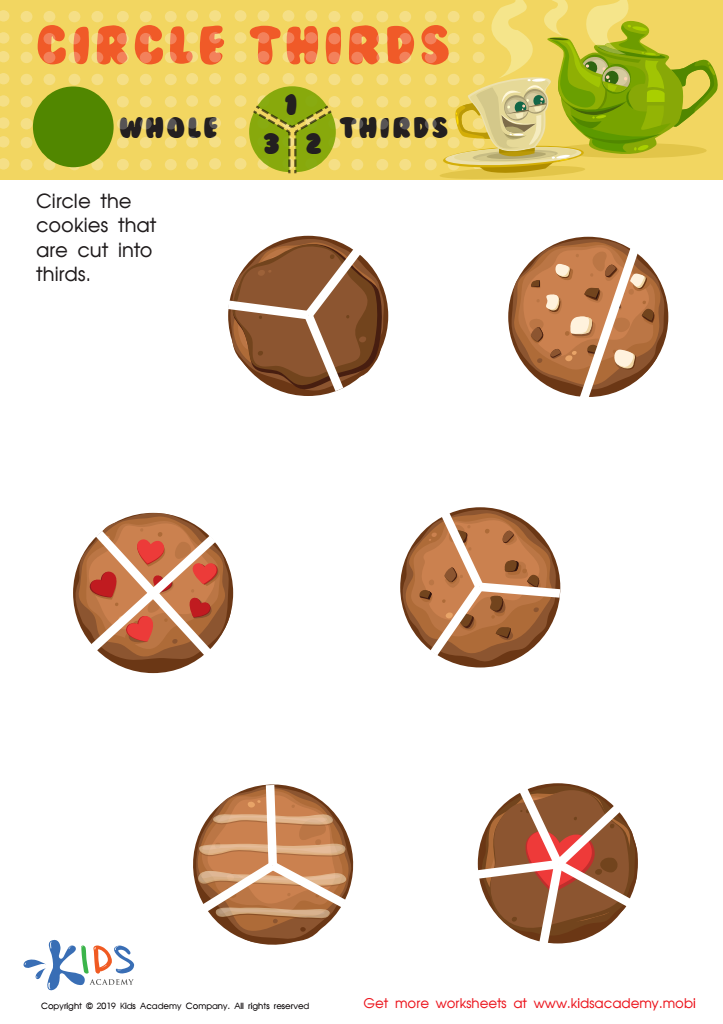
Circle Thirds Worksheet
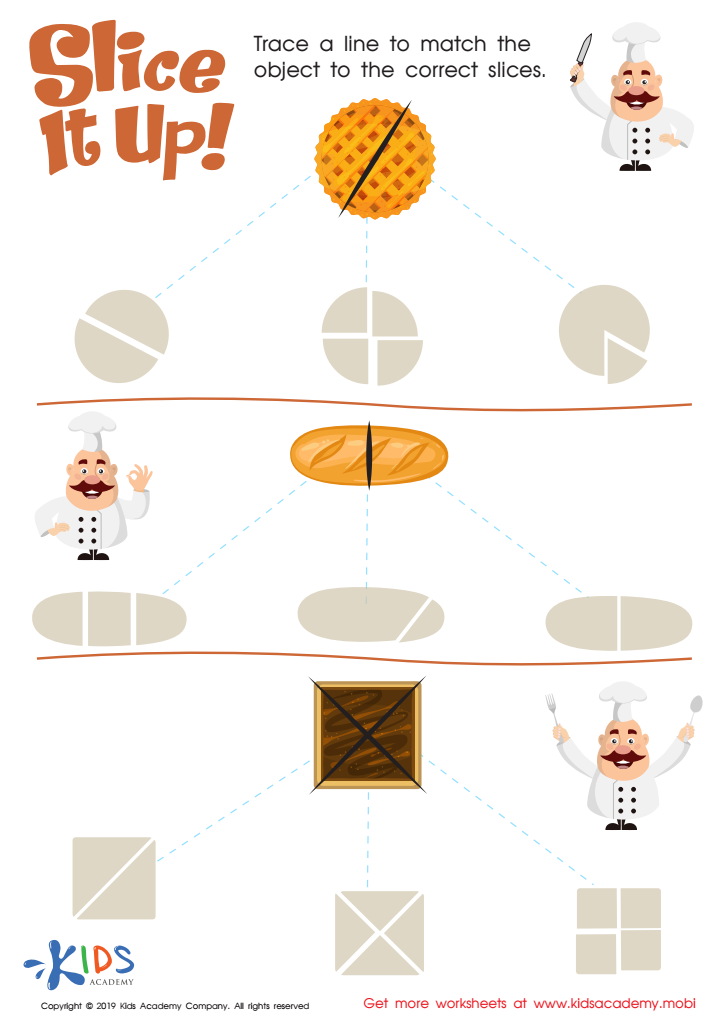
Slice It Up Worksheet
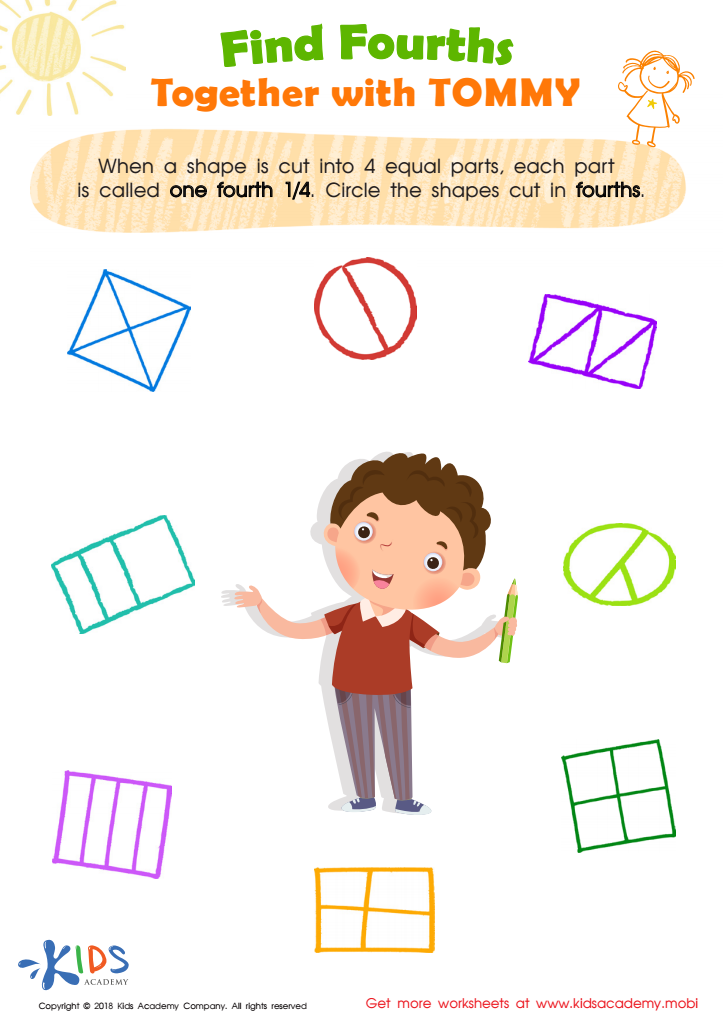
Find Fourths Together with Tommy Worksheet








Understanding fractions and basic geometry is crucial for 7-year-olds as they lay the foundation for higher mathematics and critical thinking skills. At this age, children are developing their cognitive abilities, and engaging with these concepts helps foster problem-solving skills that they will use throughout their lives.
Fractions teach children about part-whole relationships, enhancing their understanding of division and proportions. This is important not only in mathematics but in everyday situations, such as sharing food or understanding scores in games. When children grasp fractions, they learn to visualize problems and solutions, which enhances their concentration and analytical skills.
Similarly, early exposure to geometry introduces concepts like shapes, spatial reasoning, and measurement. Recognizing and categorizing shapes promotes observational skills and critical thinking, which are foundational for scientific and artistic pursuits.
Both fractions and geometry encourage collaboration and communication when working on problems with peers, which supports social development. By engaging with these mathematical concepts, children build confidence, become more adept problem solvers, and foster a love for learning. Therefore, it’s essential for parents and teachers to prioritize these topics, ensuring children are equipped with the skills necessary for future academic success and everyday life.








