Enhancing Counting Skills Easy Math Worksheets for 7-Year-Olds
4 filtered results
-
From - To
Enhance your child's counting skills with our engaging Easy Math Worksheets designed specifically for 7-year-olds! These interactive and fun exercises provide children with a solid foundation in number recognition and counting through colorful visuals and entertaining activities. Our worksheets help young learners practice counting objects, completing sequences, and understanding quantity in a playful manner that fosters a love for math. With multiple levels of difficulty, children can progress at their own pace, ensuring mastery and confidence. Perfect for both classroom and at-home learning, these worksheets make math enjoyable while promoting critical thinking and problem-solving skills. Start counting today!
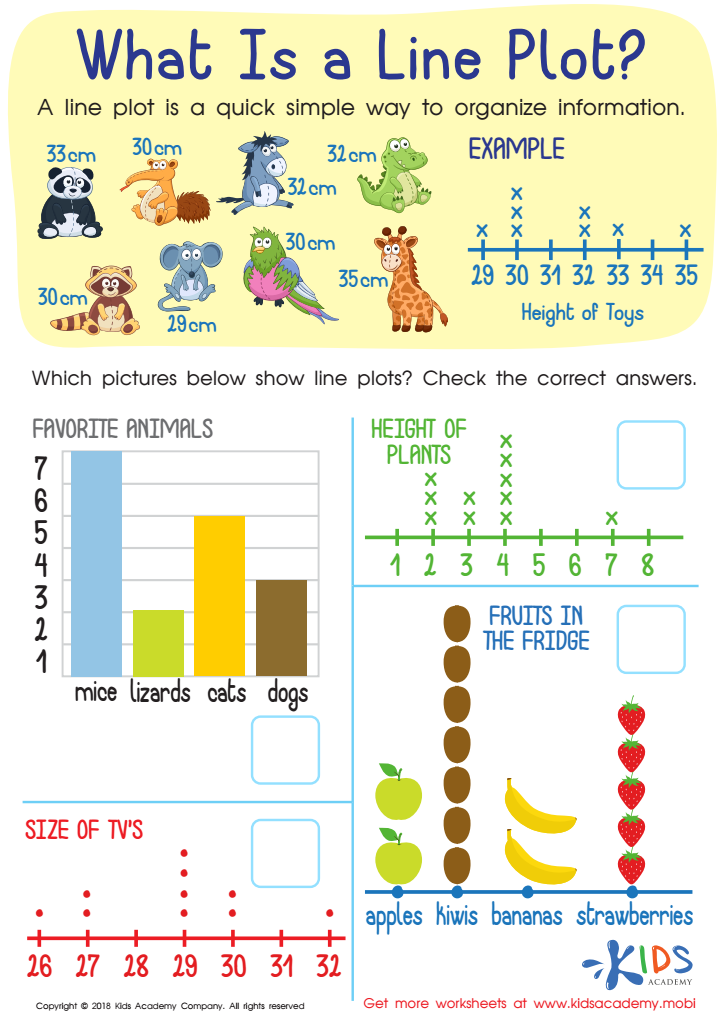
What Is a Line Plot? Worksheet
 Assign to My Students
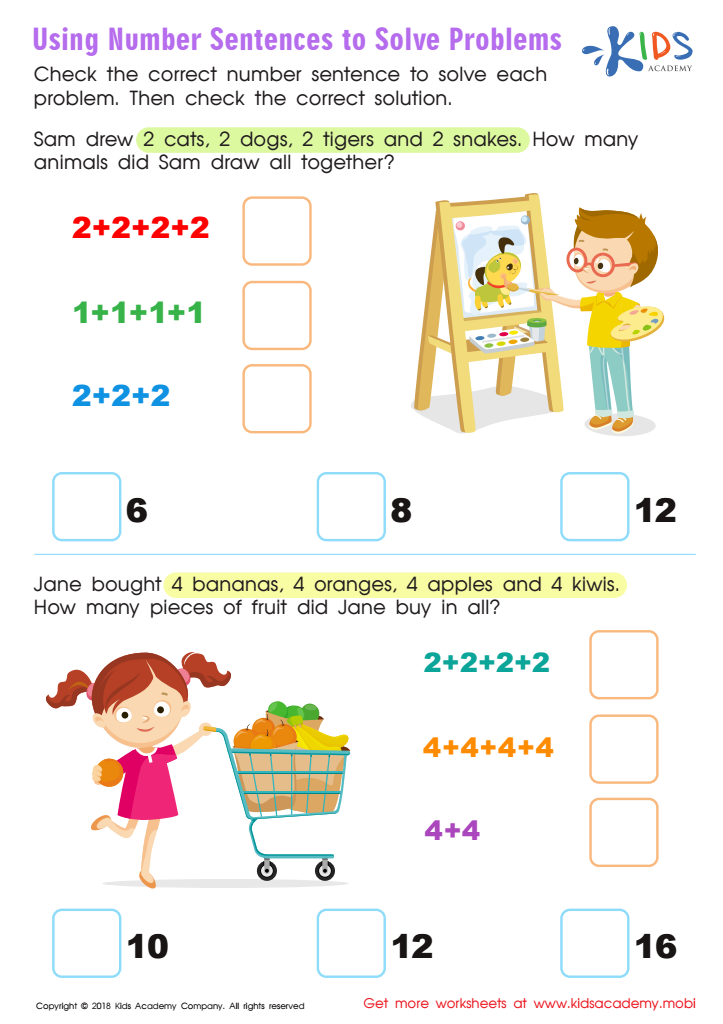
Using Number Sentences to Solve Problems Worksheet
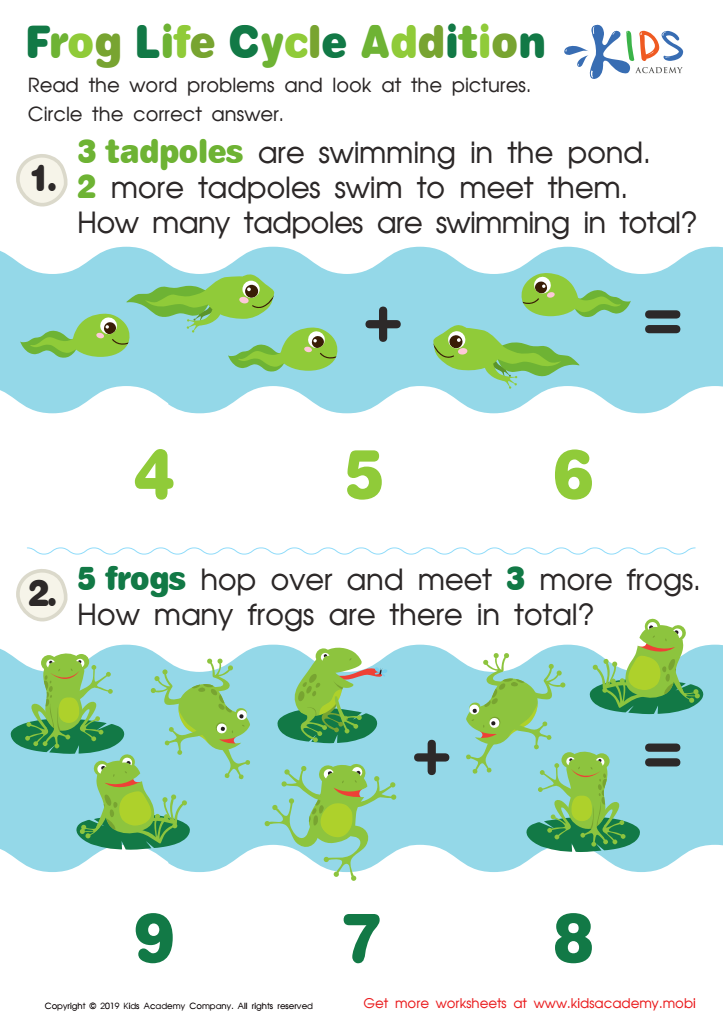
Frog Life Cycle Addition Worksheet
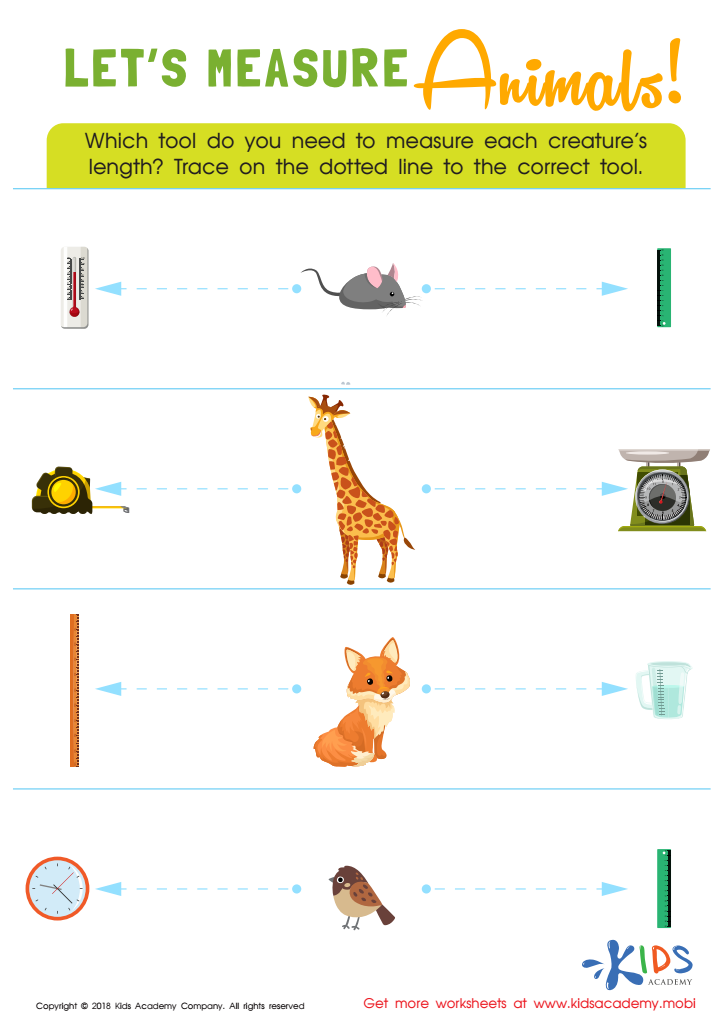
Let's Measure Animals! Worksheet








Enhancing counting skills in 7-year-olds is crucial for their academic and lifelong success. At this age, children are typically transitioning from basic number recognition to more complex mathematical concepts. Mastering counting lays the foundation for addition, subtraction, and ultimately more advanced math skills. By fostering counting abilities, parents and teachers help children develop critical thinking, problem-solving, and analytical skills essential in everyday life.
Moreover, strong counting skills contribute to improved confidence in math, which can reduce anxiety associated with the subject. This confidence encourages children to engage actively in math-related activities, fostering a positive attitude towards learning. Early mathematics proficiency is also linked to better performance in later grades, enhancing overall academic achievement.
Integrating engaging counting activities into everyday routines—such as counting objects while shopping or during games—can make learning enjoyable and contextual. Through regular practice, parents and teachers provide support that aligns with developmental milestones. Additionally, enhancing counting skills can promote essential social and emotional skills by enabling collaboration and communication during group activities.
Ultimately, prioritizing counting skills not only enriches a child's math understanding but also equips them with essential life skills, ensuring they are better prepared for future academic challenges.








