Writing practice Easy Alphabet Worksheets for Ages 8-9
3 filtered results
-
From - To
Enhance your child's writing skills with our 'Easy Alphabet Worksheets for Ages 8-9'! Crafted to make writing fun and engaging, these worksheets help young learners master letter formation and handwriting. Each sheet is thoughtfully designed to reinforce alphabet recognition, improve fine motor skills, and build confidence in writing. Perfect for at-home practice or classroom use, these exercises will support your child's journey to becoming a proficient writer. Give your 8-9-year-olds the tools they need to excel with interactive and easy-to-follow writing practice from our expertly developed worksheets.
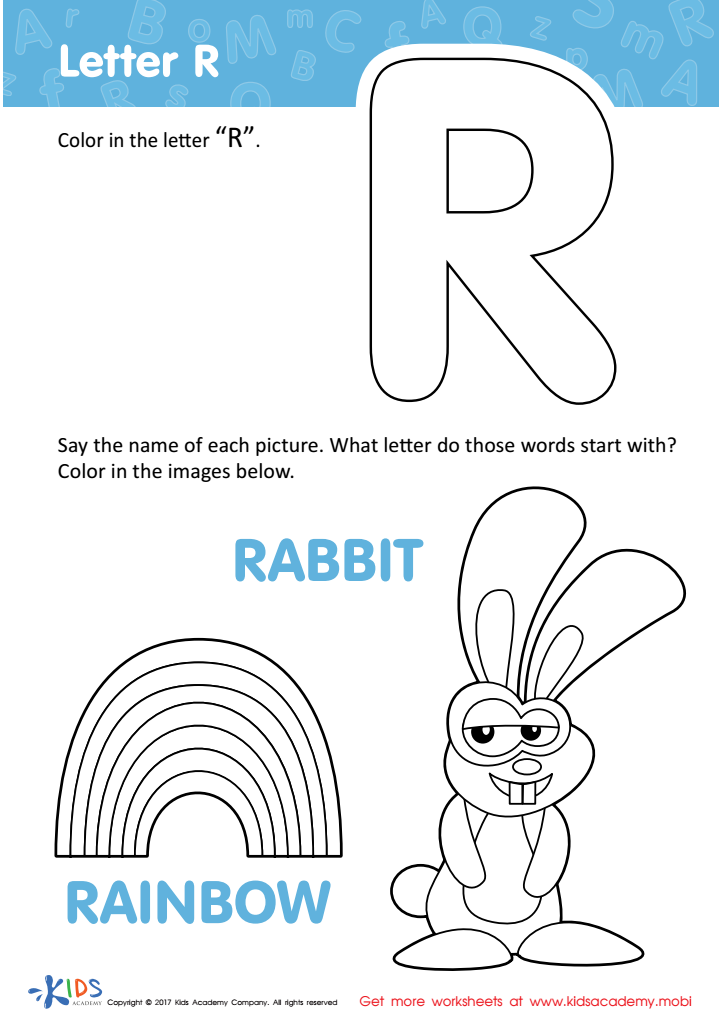
Letter R Coloring Sheet
 Assign to My Students
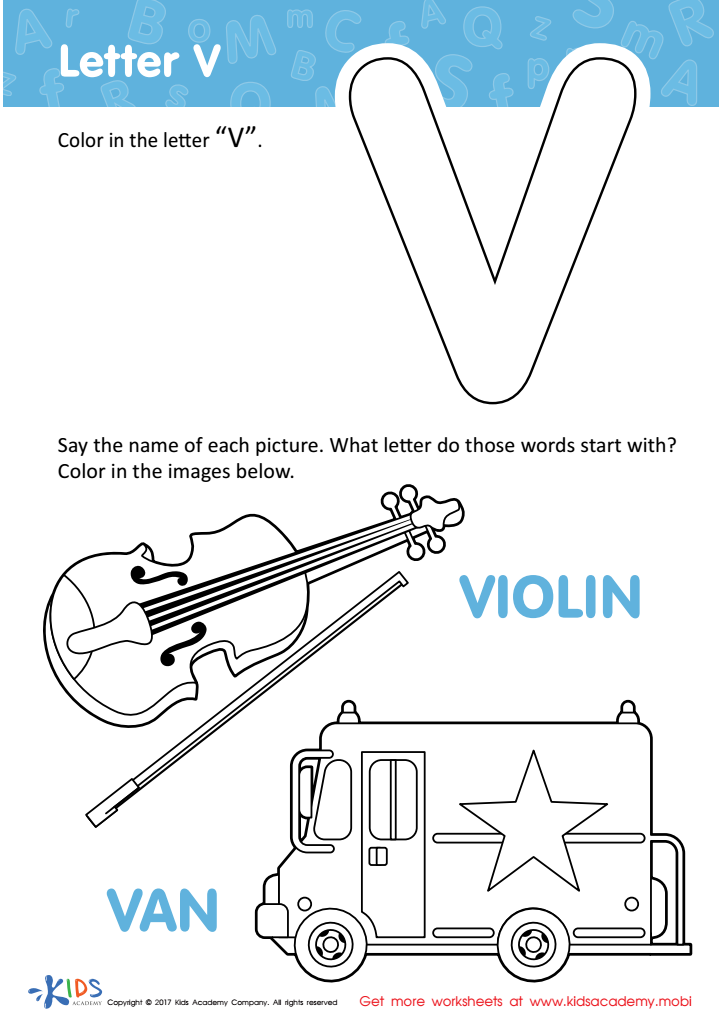
Letter V Coloring Sheet
Assign to My Students
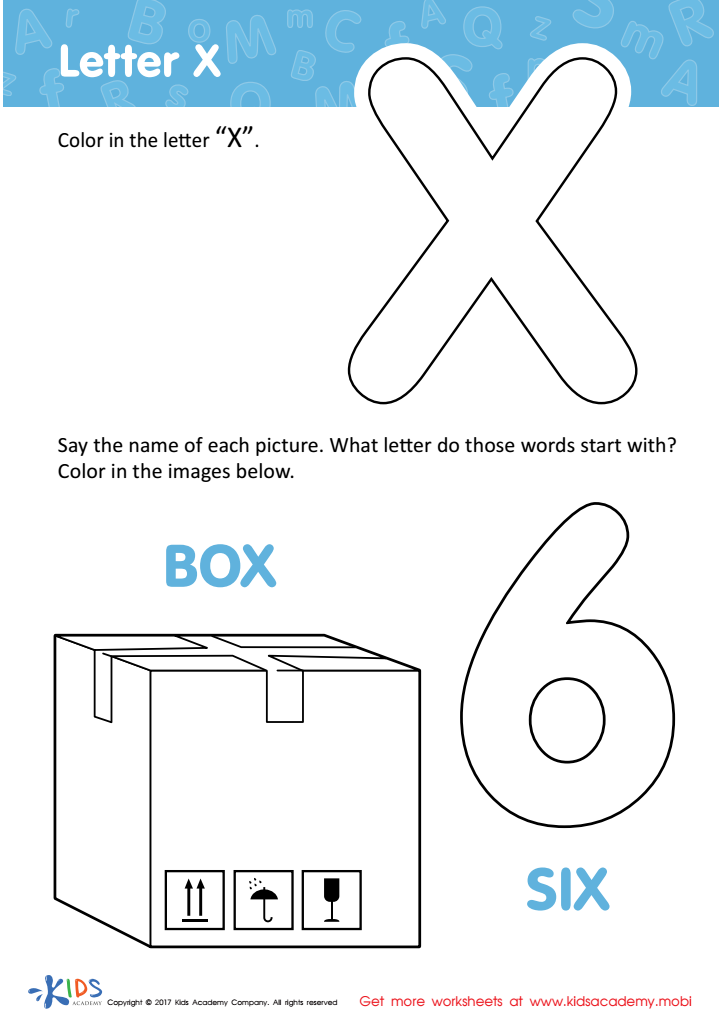
Letter X Coloring Sheet
Assign to My Students







Encouraging writing practice of the easy alphabet in children aged 8-9 is essential for a multitude of reasons. First, this foundational activity strengthens fine motor skills, which are critical for more complex writing tasks. At this age, children are transitioning from mere letter formation to composing meaningful sentences and stories, and fluency in writing the alphabet is crucial for this progression.
Engagement in regular writing practice solidifies letter recognition and phonemic awareness, both of which are cornerstones of effective literacy instruction. When children practice writing, they not only become familiar with letter shapes but also improve their ability to discern phonetic correlations between letters and sounds, aiding reading proficiency.
Writing activities can significantly enhance cognitive development; they serve as a medium for expressing thoughts, which boosts creativity and encourages critical thinking. This form of expression is particularly important given that written communication is a fundamental skill that will be essential throughout school and into adulthood.
Furthermore, frequent writing practice enhances a child's ability to understand and follow directions, fostering better self-discipline and focus. Finally, the confidence and sense of accomplishment gained from consistent writing improvement can motivate children to embrace further learning with enthusiasm. For parents and teachers, prioritizing writing practice is an investment in a child’s educational foundation and overall cognitive development.