Letter recognition Easy English for Beginners Worksheets for Ages 8-9
5 filtered results
-
From - To
Introduce your 8-9 years old beginners to letter recognition with our Easy English worksheets! These expertly designed tasks from Kids Academy simplify learning for young minds, enhancing their English skills while making education fun. Perfect for ESL students, each worksheet combines engaging activities with educational goals, ensuring effective learning. Through coloring, tracing, and matching exercises, children will familiarize themselves with the alphabet in an enjoyable and interactive way. Build foundational English skills effortlessly with our diverse array of printable worksheets, tailored to make early language acquisition a delightful experience. Start their reading journey today with Kids Academy!
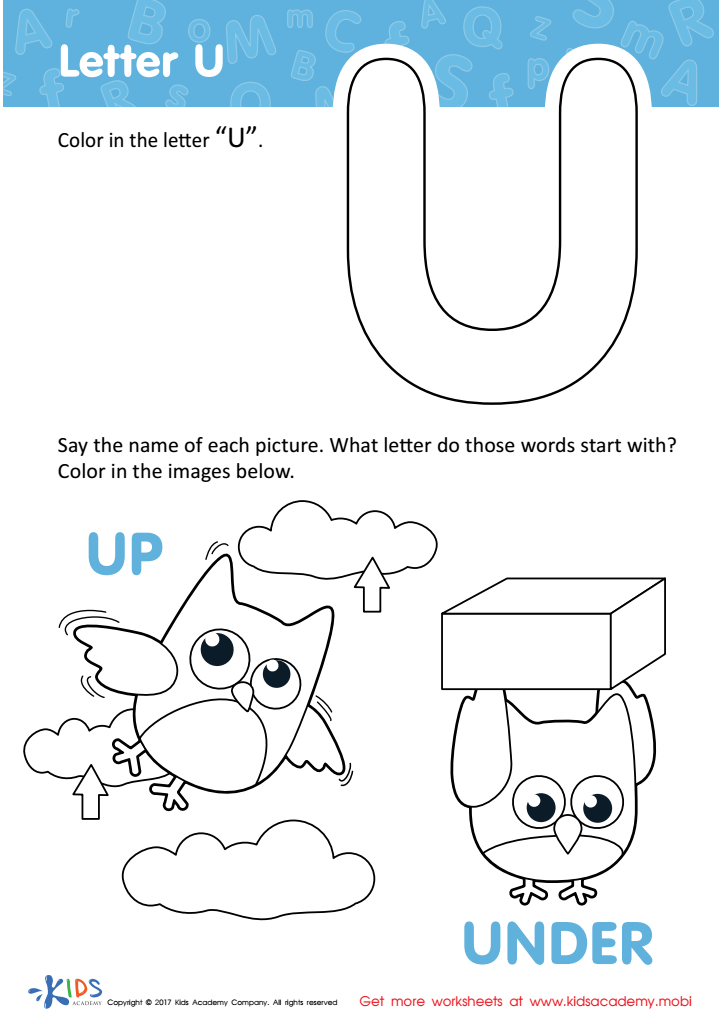
Letter U Coloring Sheet
 Assign to My Students
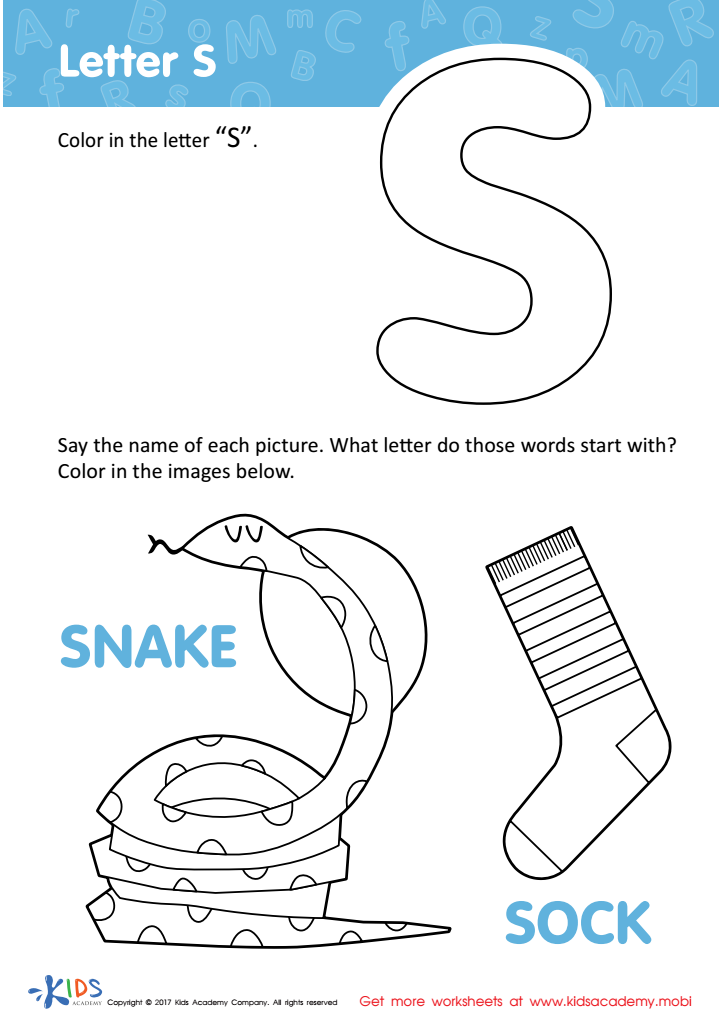
Letter S Coloring Sheet
Assign to My Students
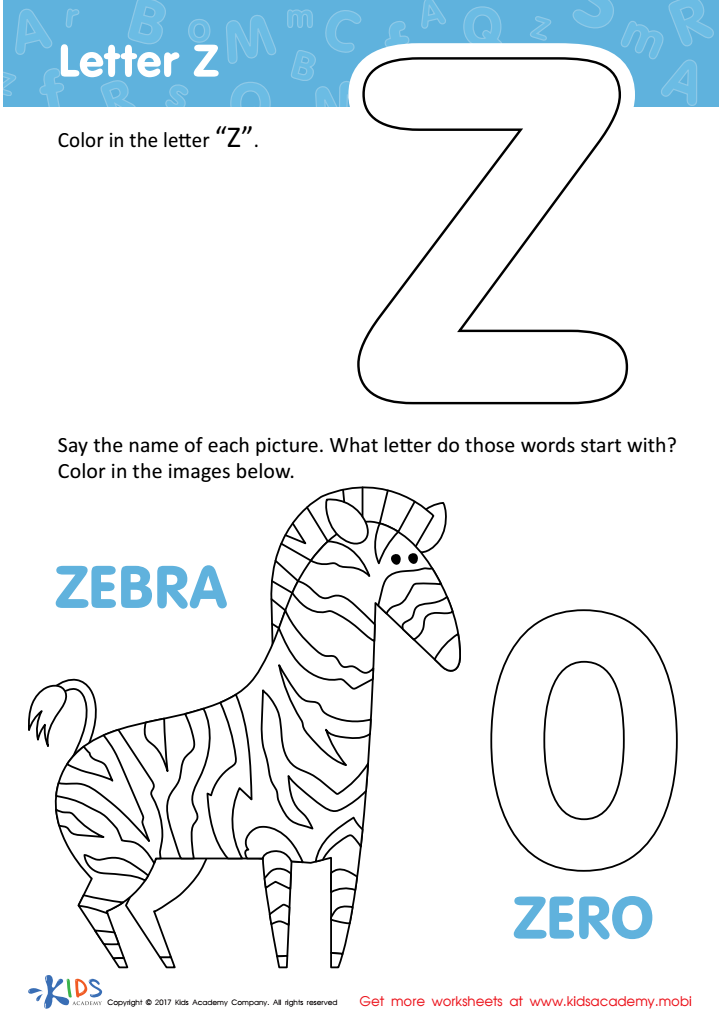
Letter Z Coloring Sheet
Assign to My Students
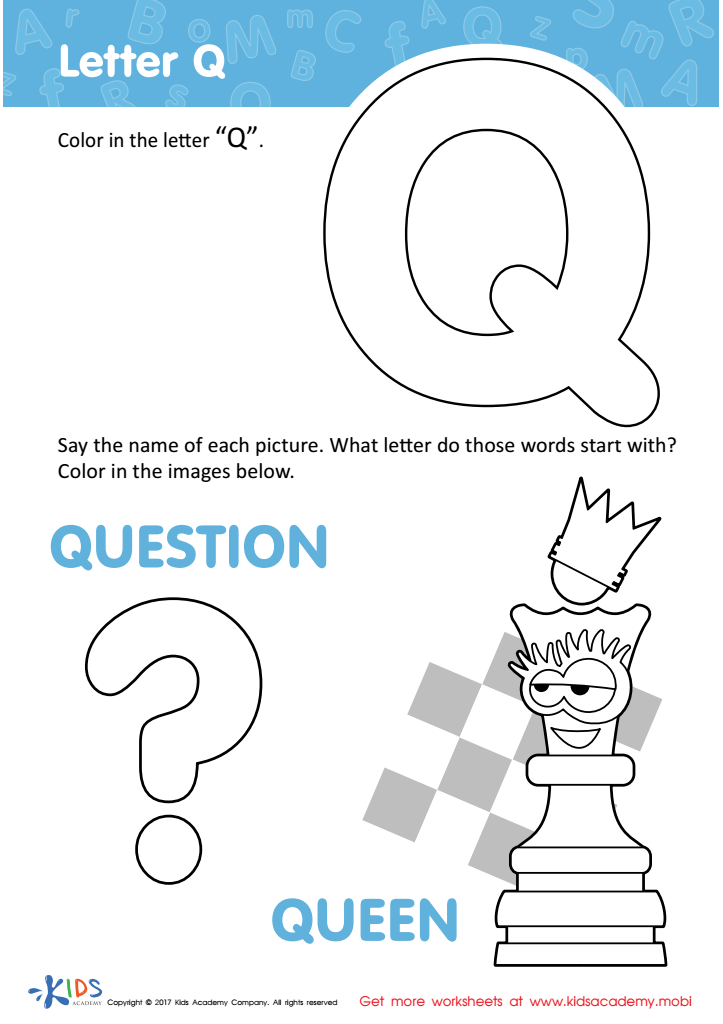
Letter Q Coloring Sheet
Assign to My Students
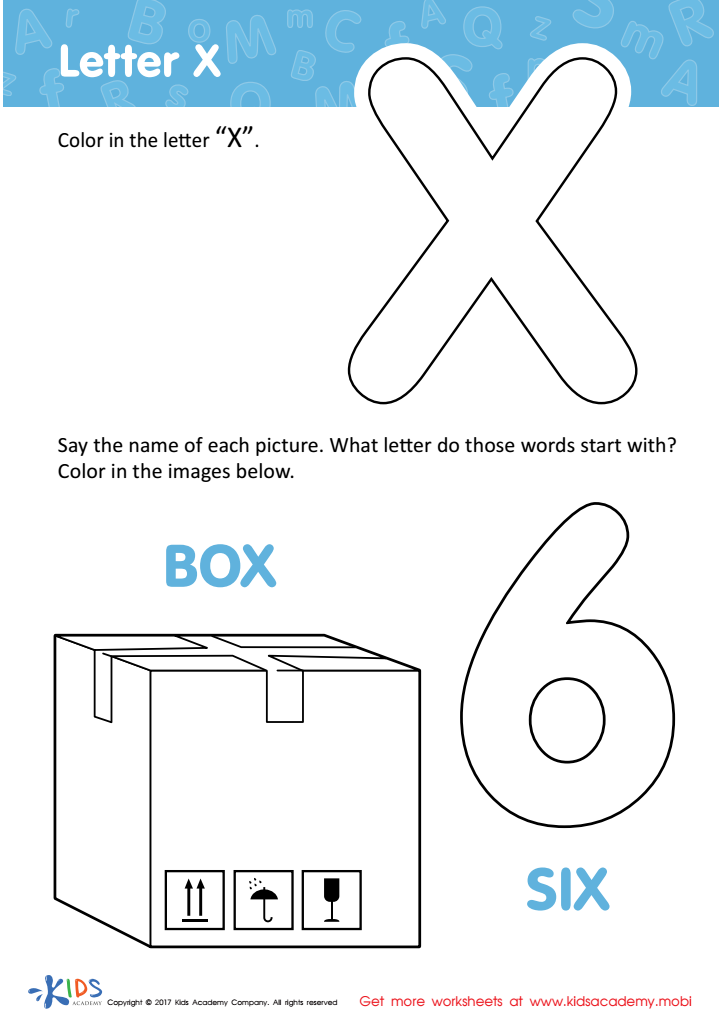
Letter X Coloring Sheet
Assign to My Students





Letter recognition is crucial for children aged 8-9 because it lays the foundation for reading and writing skills. At this age, kids transition from recognizing letters to connecting them with sounds, an essential step towards fluency in reading. Knowing letters helps them sound out words, enhancing comprehension and vocabulary.
When children can easily recognize letters, they experience less frustration and more confidence in their literacy journey. This confidence encourages them to read more, leading to improved language skills and academic success. Furthermore, strong letter recognition is linked to better spelling and writing capabilities.
For parents and teachers, fostering letter recognition can be achieved through fun and engaging activities. Games, flashcards, and reading together make learning enjoyable and memorable. This collaborative effort not only boosts literacy but also strengthens the bond between child and adult.
Poor letter recognition can lead to difficulties in school and impact a child’s confidence and motivation. Therefore, prioritizing this skill is crucial. Investing time and resources into these early literacy skills will pave the way for academic achievement and a lifelong love of reading.
Ensuring that 8-9-year-olds master letter recognition helps set them up for success in both their school years and their future lives. Parents and teachers play a vital role, making this a critical focus area.