Color recognition Easy Building Vocabulary Worksheets for Ages 8-9
6 filtered results
-
From - To
Boost your child's vocabulary and color recognition skills with our "Color Recognition Easy Building Vocabulary Worksheets for Ages 8-9." Perfectly crafted for young learners, these engaging worksheets combine fun activities with essential learning, helping children distinguish between colors while enhancing their word knowledge. Each sheet is designed to develop spelling, reading, and writing proficiency, making learning enjoyable and effective. Whether used in the classroom or at home, our worksheets provide a dynamic educational experience that aligns with age-appropriate standards. Start your child’s journey to mastering color vocabulary today with our easy-to-use and interactive worksheets.
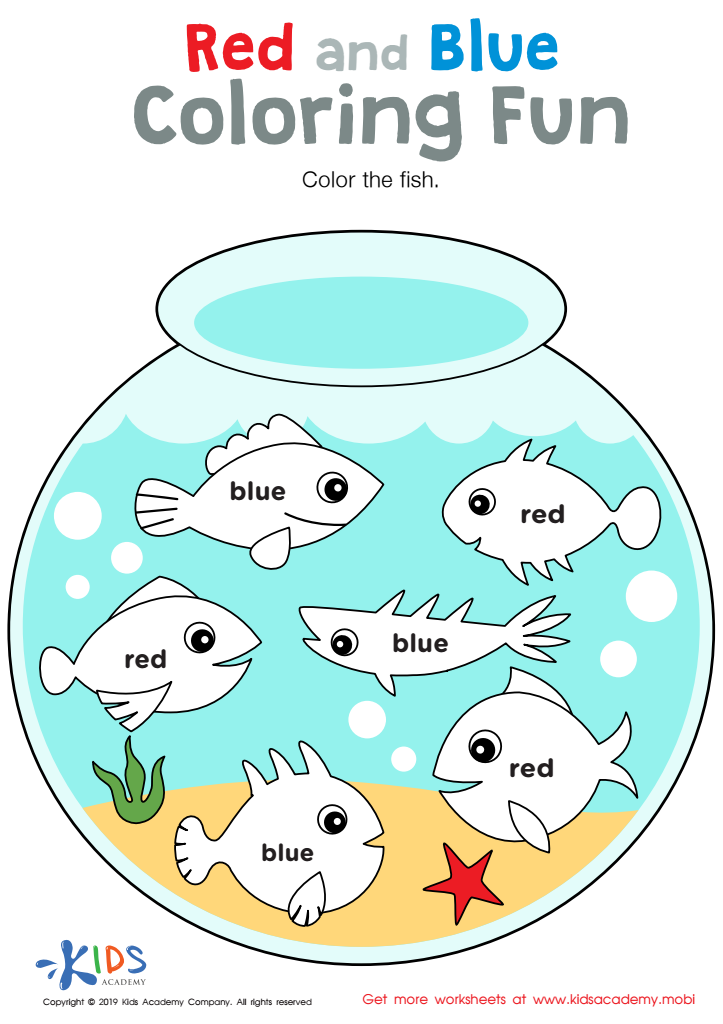
Red and Blue Coloring Fun Worksheet
 Assign to My Students











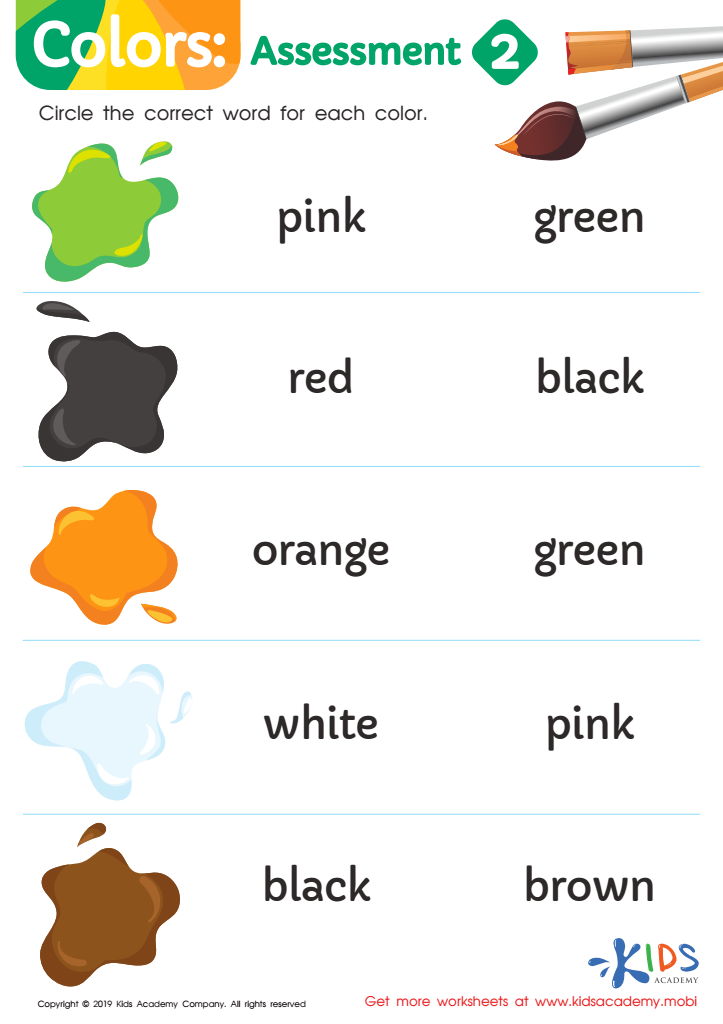
Colors: Assessment 2 Worksheet
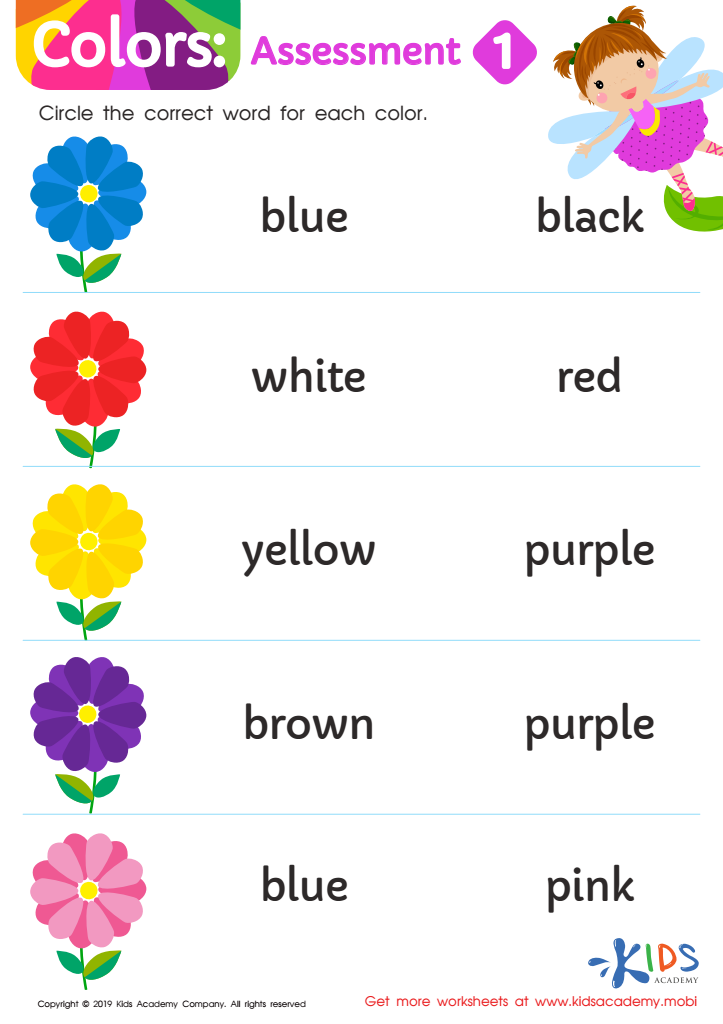
Colors: Assessment 1 Worksheet
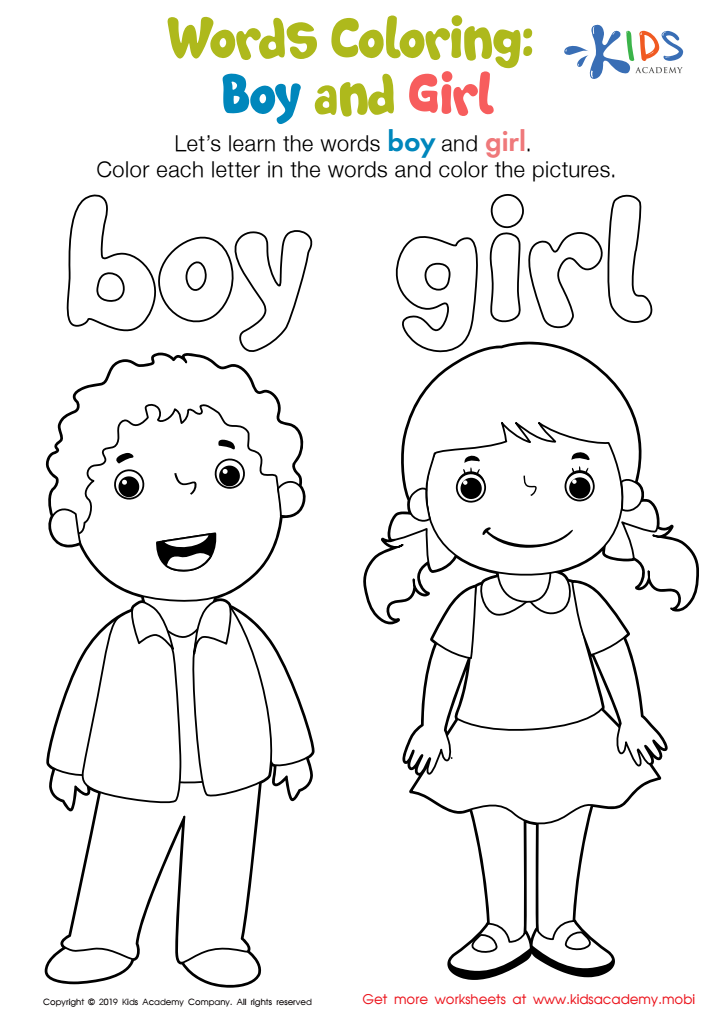
Boy and Girl Words Coloring Worksheet
Assign to My Students
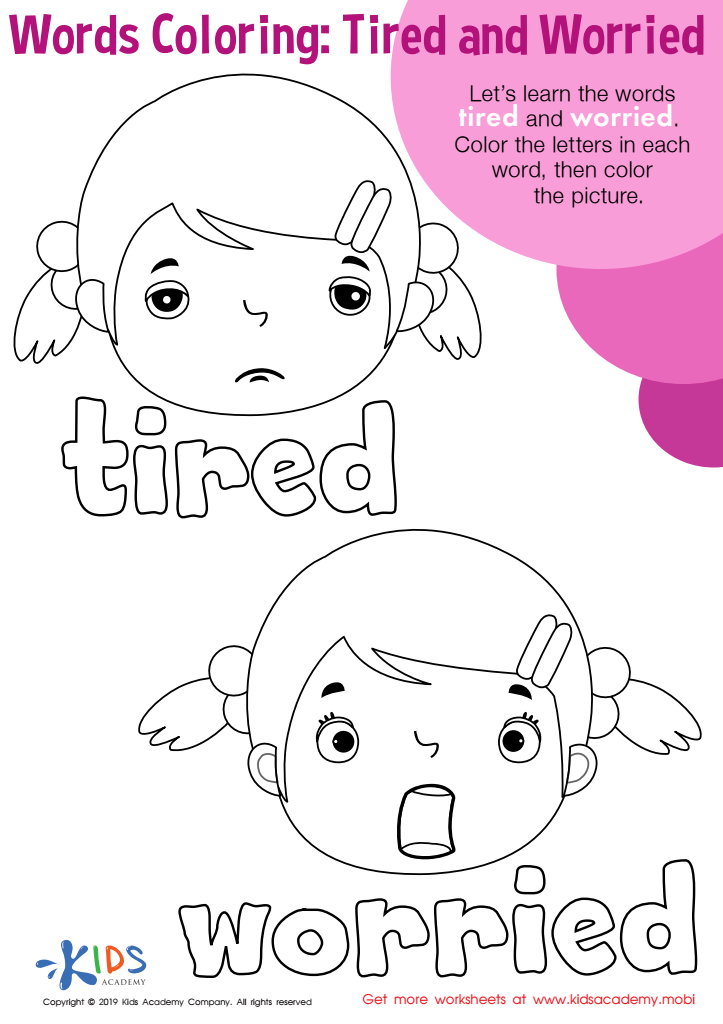
Tired and Worried Words Coloring Worksheet
Assign to My Students
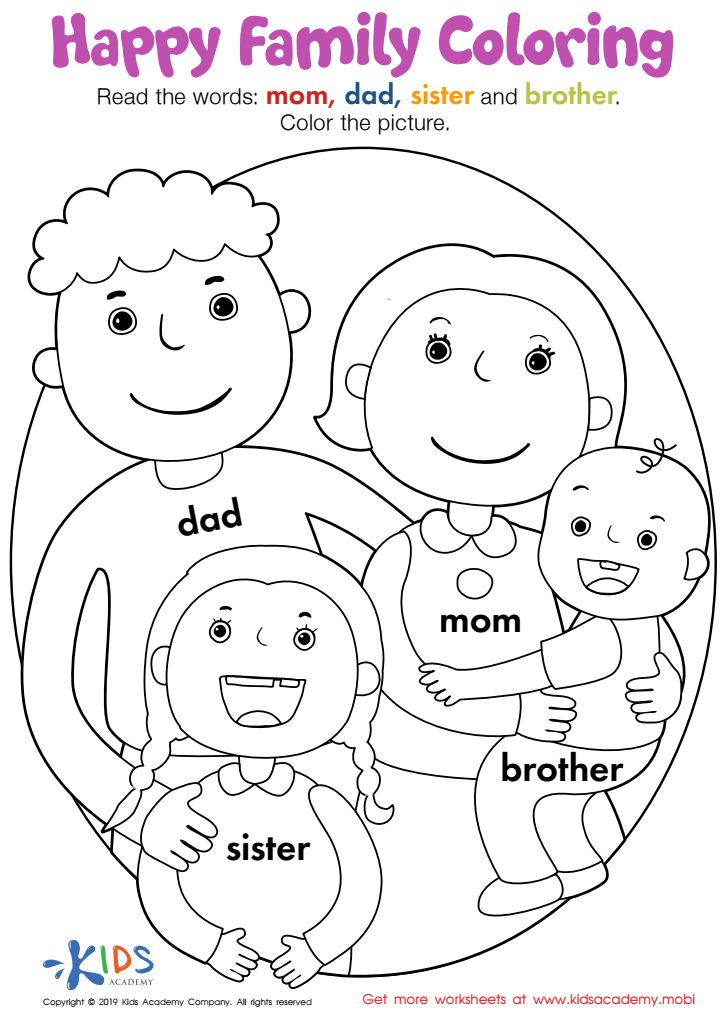
Happy Family Coloring Worksheet
Assign to My Students








Color recognition and building vocabulary are essential components of a child's early education, and children at ages 8 to 9 benefit significantly from focused efforts in these areas. By this age, most children can identify basic colors, but reinforcing this skill aids in cognitive development and sharpens visual perception, which is crucial for understanding and interacting with the world.
When children recognize colors accurately, it enhances their descriptive capacity, allowing them to communicate more effectively. For example, instead of saying "that ball," a child can say "the red ball," providing clearer and more precise information. This specificity enriches their vocabulary and improves both written and spoken language skills.
Moreover, color recognition plays a pivotal role in subjects like mathematics, where it can help in distinguishing between different blocks, charts, and graphs. In science, recognizing color changes in experiments can elucidate important concepts. Additionally, art classes rely heavily on a firm grasp of colors for creativity and expression.
Teachers and parents should nurture color recognition through engaging activities that integrate vocabulary building, such as sorting games, art projects, and descriptive stories. This combined approach not only keeps children interested but also solidifies their learning, paving the way for academic success across multiple disciplines. Teaching color recognition and vocabulary together fosters a well-rounded, articulate, and observant learner.