Fine Motor Skills Easy Letter Recognition Worksheets for 8-Year-Olds
6 filtered results
Difficulty Level
Grade
Age
-
From - To
Subject
Activity
Standards
Discover our engaging "Fine Motor Skills Easy Letter Recognition Worksheets" designed specifically for 8-year-olds! These worksheets seamlessly combine fine motor practice with alphabet recognition to enhance your child’s learning experience. With fun activities like tracing, coloring, and connecting letters, children will improve their hand-eye coordination while progressing in letter identification. Each worksheet is carefully crafted to captivate young learners, ensuring they develop essential skills in a playful way. Perfect for at-home learning or classroom use, these resources will help solidify your child's understanding of the alphabet and supercharge their confidence in writing. Explore the world of letters with joy and creativity!
Favorites
With answer key
Interactive
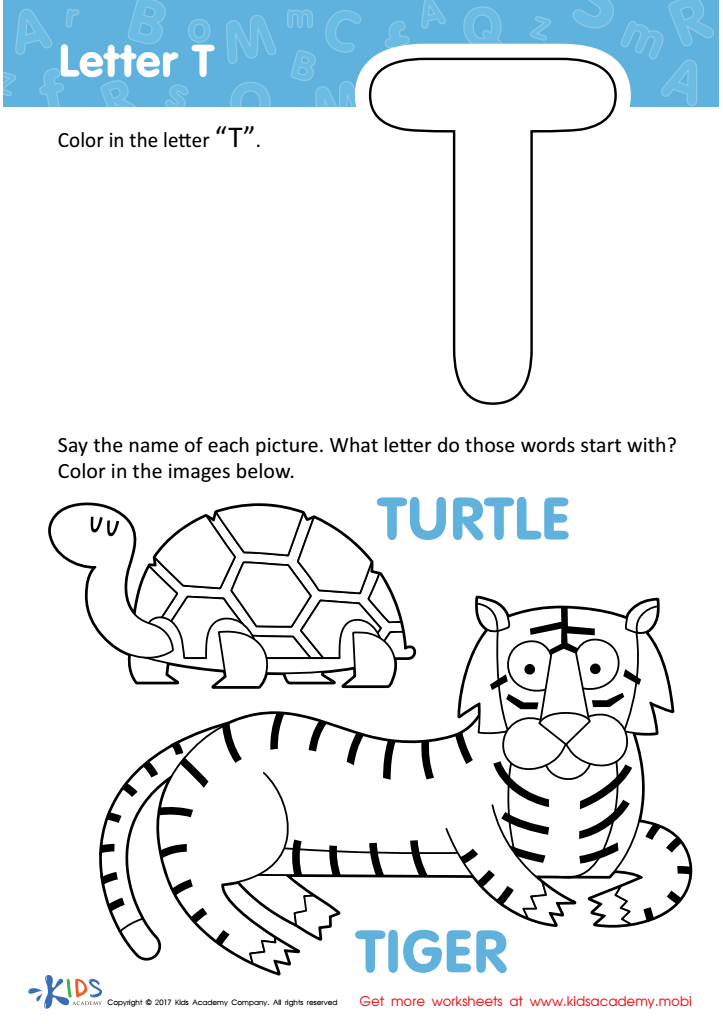
Letter T Coloring Sheet
Introduce your child to the letter "T" and its animals – turtles and tigers! With this coloring page, you can stimulate your child's imagination and creativity, while helping them recognize the letter "T". Have fun with your child and get coloring!
Download (PDF)
 Assign to My Students
Assign to My Students
Letter T Coloring Sheet
Worksheet
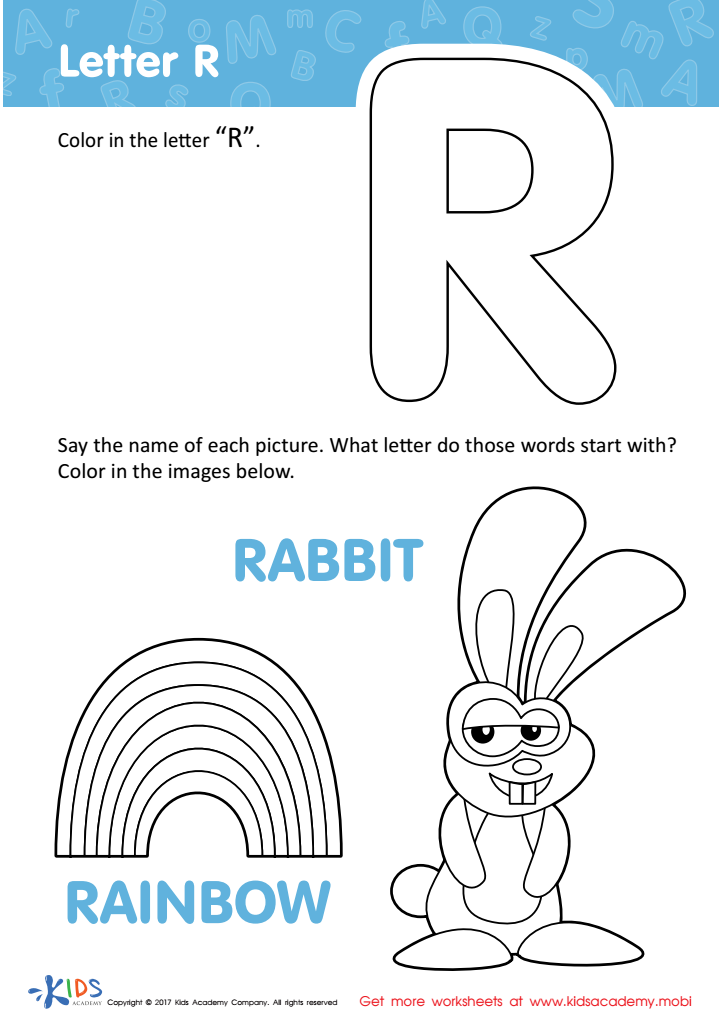
Letter R Coloring Sheet
Let your child explore the rainbow with this fun letter "R" coloring page! They can learn to recognize the letter and make connections to words, all while having fun! Make alphabet learning enjoyable with joyful coloring pages.
Download (PDF)
Assign to My Students
Assign to My Students
Letter R Coloring Sheet
Worksheet
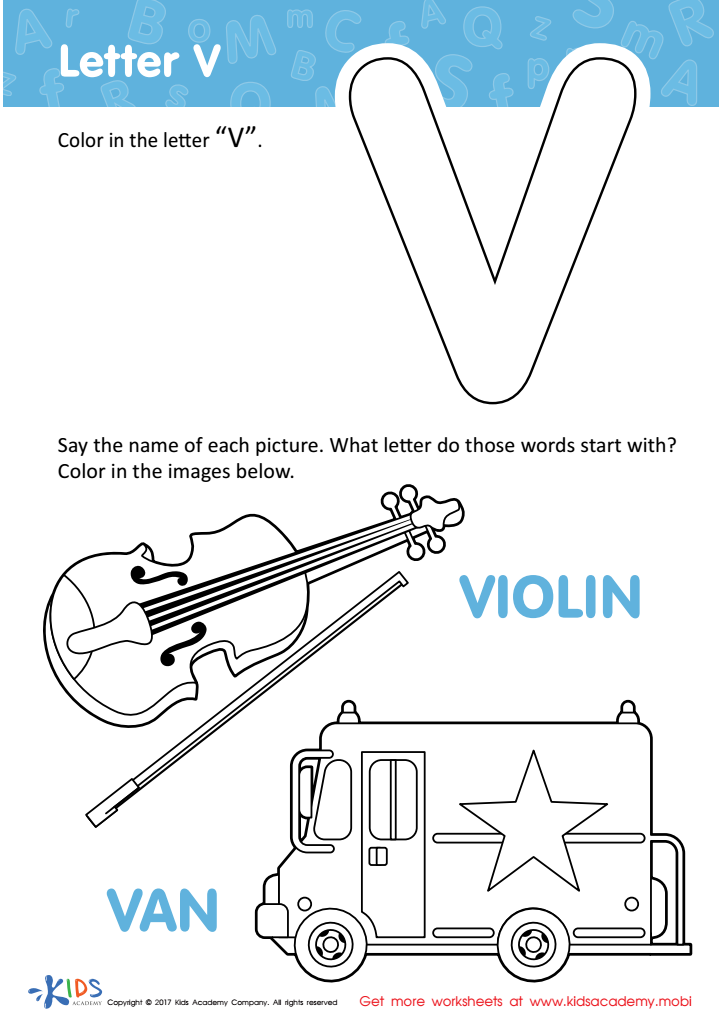
Letter V Coloring Sheet
This fun letter V coloring page can boost your child's knowledge of the letter "V" and its sound. Help them pronounce it correctly, too!
Download (PDF)
Assign to My Students
Assign to My Students
Letter V Coloring Sheet
Worksheet
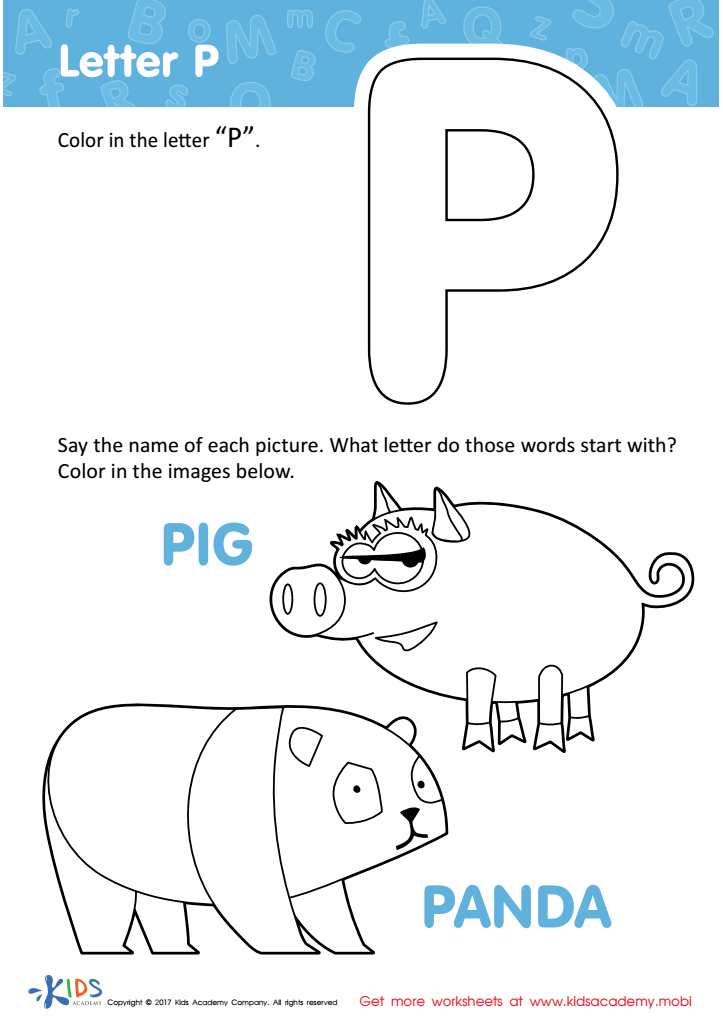
Letter P Coloring Sheet
Encourage your child's creativity and letter recognition with this "P" coloring page! Through coloring animals such as pigs and pandas, your little one will get to know the sound of the letter "P" and have fun too!
Download (PDF)
Assign to My Students
Assign to My Students
Letter P Coloring Sheet
Worksheet
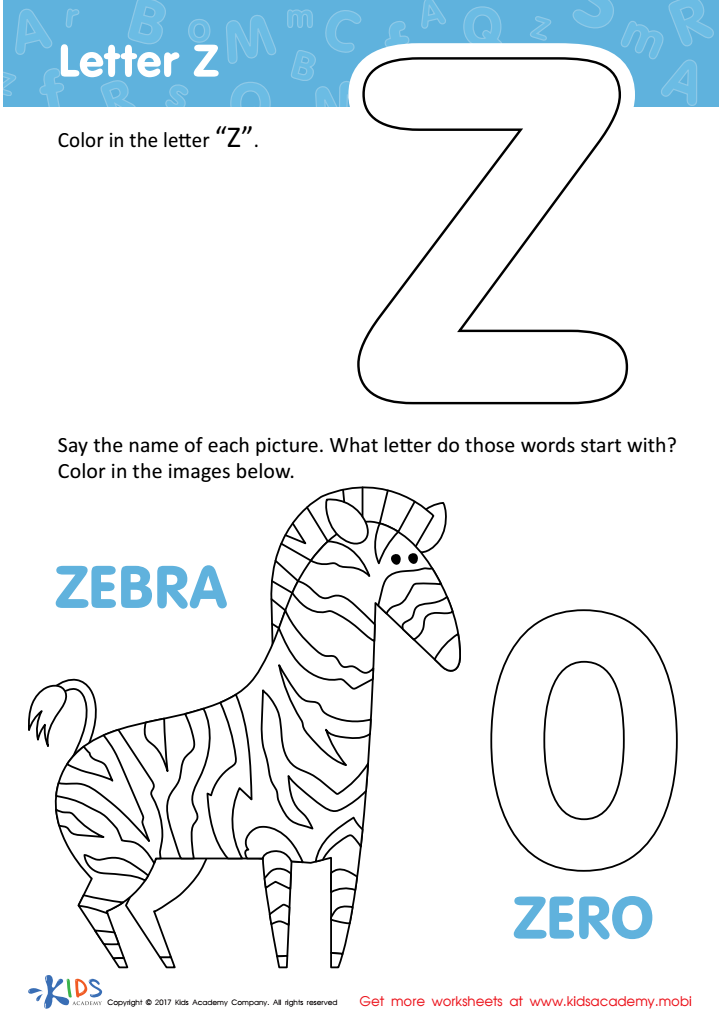
Letter Z Coloring Sheet
This coloring page featuring the letter "Z" is perfect for your child to practice letter recognition! Help them learn the unique sound it makes as they color. It'll be a fun and easy activity they won't have trouble with!
Download (PDF)
Assign to My Students
Assign to My Students
Letter Z Coloring Sheet
Worksheet
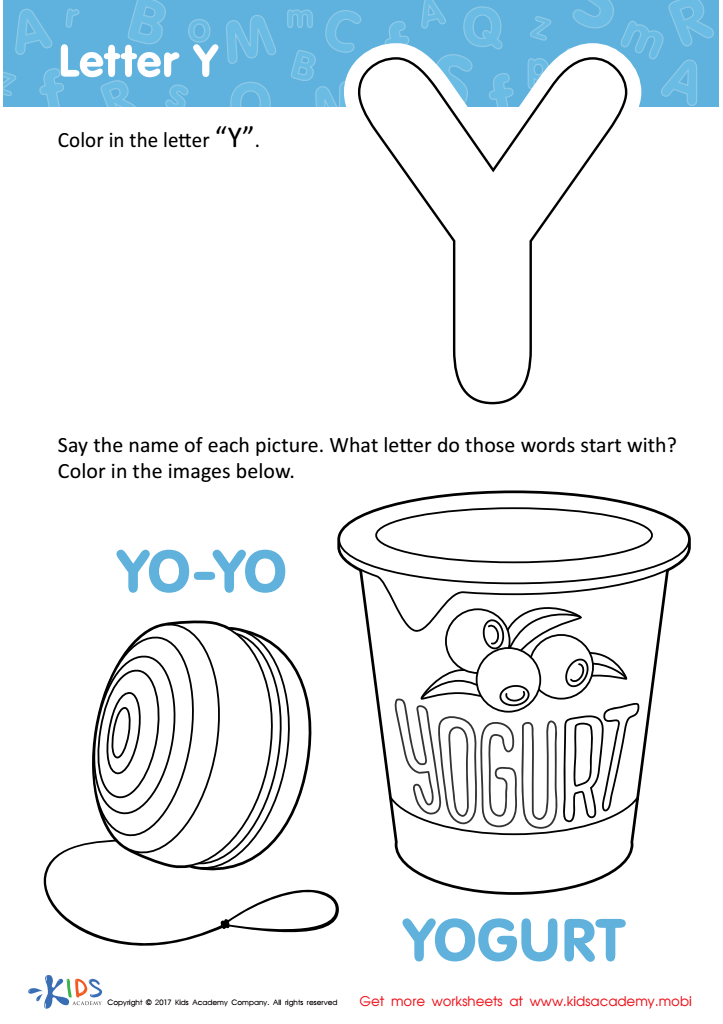
Letter Y Coloring Sheet
Let's celebrate letter "Y"! Here's a fun coloring page that'll help your child learn this end-of-the alphabet letter. It's packed with familiar objects that'll help build their art and literacy skills. So let's say "Yay"!
Download (PDF)
Assign to My Students
Assign to My Students
Letter Y Coloring Sheet
Worksheet
Join Kids Academy for Free
Who is primarily going to use this learning content?








Fine motor skills and letter recognition are crucial components of early childhood development, particularly for 8-year-olds who are solidifying their reading and writing abilities. Parents and teachers should prioritize these areas because they serve as foundational skills for academic success.
Fine motor skills involve the small muscles of the hands and fingers, which are essential for tasks such as writing, drawing, and manipulating small objects. As children improve these skills, they gain confidence in their ability to execute tasks that require precision, fostering independence and boosting self-esteem. Without well-developed fine motor skills, children may struggle with writing legibly, which can affect their overall academic performance.
Easy letter recognition ties closely to literacy development. When children can effortlessly recognize letters, they can begin forming words and sentences, crucial for reading fluency. This skill supports reading comprehension and fosters a lifelong love for literature. Moreover, strong letter recognition correlates with increased engagement in learning activities.
Ultimately, the development of fine motor skills and easy letter recognition lays a solid groundwork for a child’s educational journey. By investing time and resources into these skills, parents and teachers can significantly impact a child’s confidence, academic readiness, and overall enthusiasm for learning.