Letter recognition Easy English for Beginners Worksheets for 8-Year-Olds
5 filtered results
-
From - To
Welcome to our "Letter Recognition Easy English for Beginners Worksheets" specially designed for 8-year-olds! These engaging worksheets provide a fun and interactive way to help young learners master letter recognition and improve their English language skills. Ideal for beginners, our activities encourage children to identify, trace, and use letters in various contexts, fostering confidence and improving literacy. Each worksheet is thoughtfully crafted to support ESL students in grasping foundational concepts necessary for reading and writing. Explore our resources to ignite a love for learning and enhance your child's proficiency in English through enjoyable and effective practice!
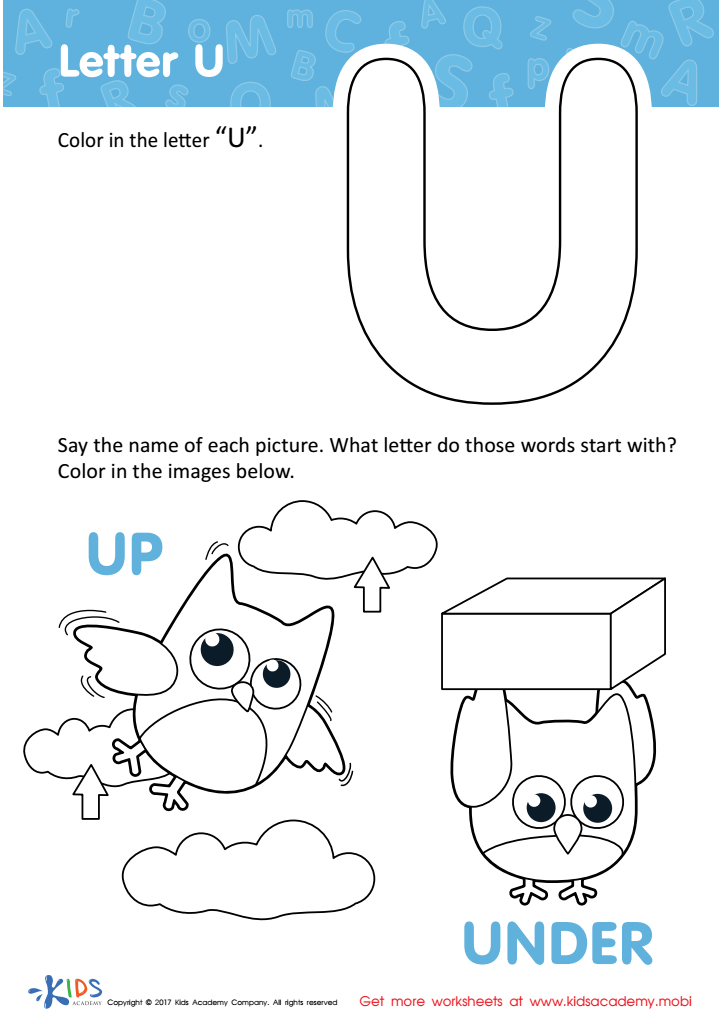
Letter U Coloring Sheet
 Assign to My Students
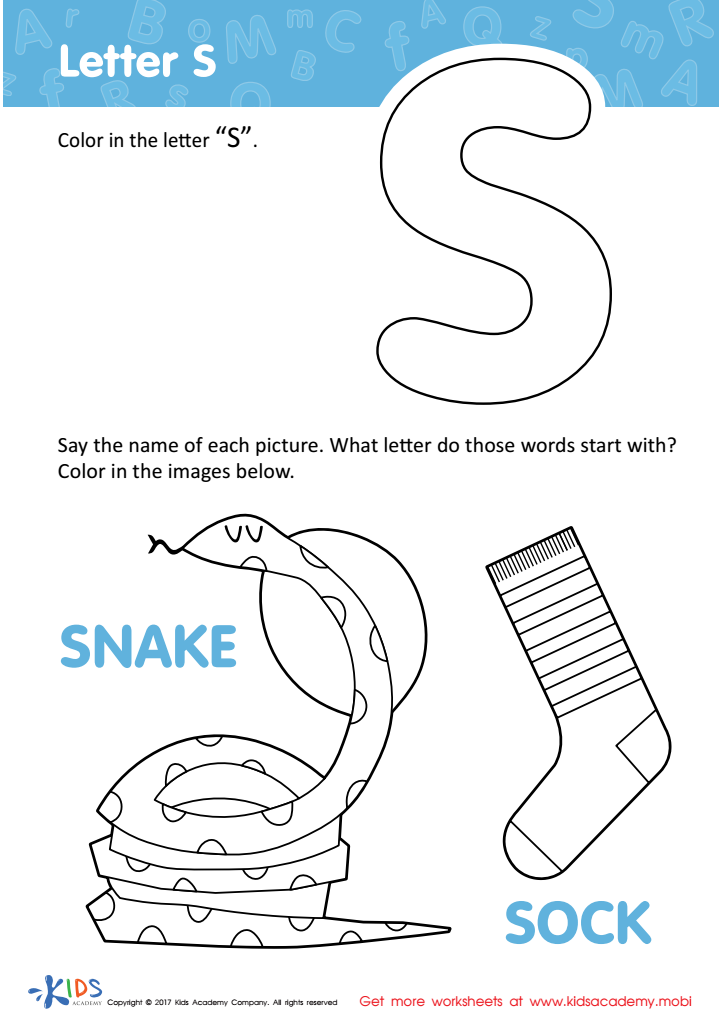
Letter S Coloring Sheet
Assign to My Students
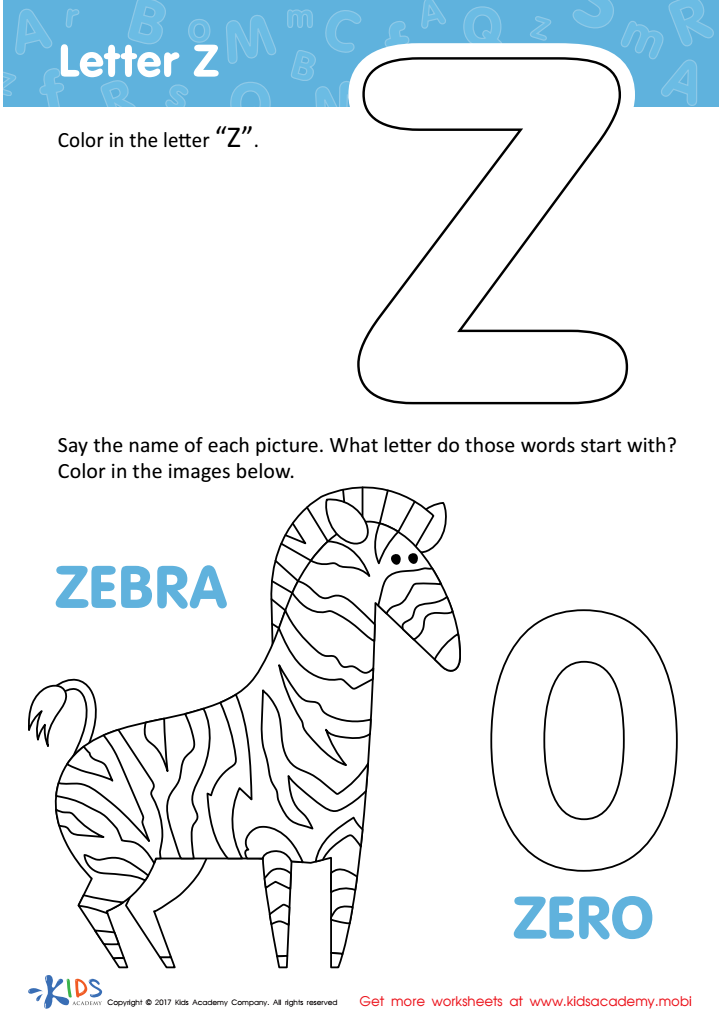
Letter Z Coloring Sheet
Assign to My Students
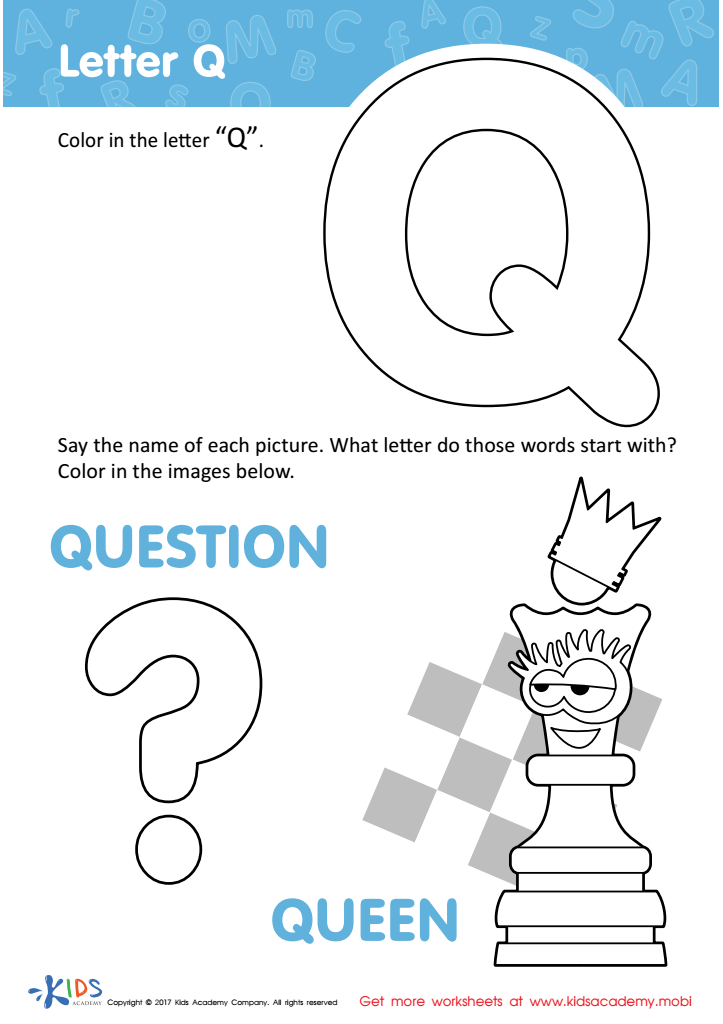
Letter Q Coloring Sheet
Assign to My Students
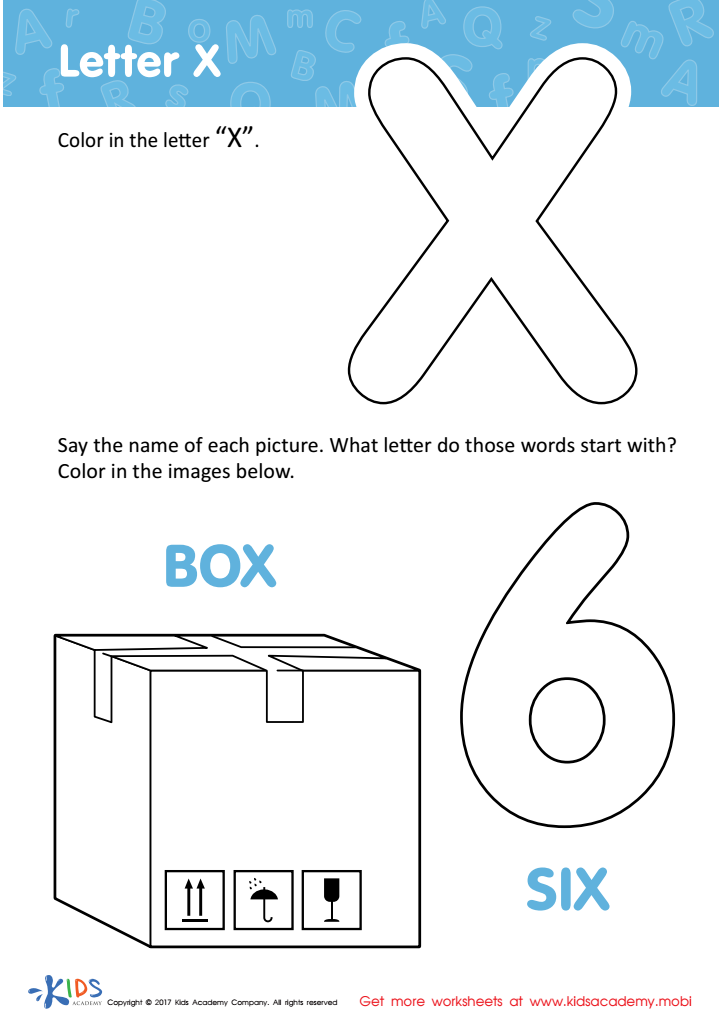
Letter X Coloring Sheet
Assign to My Students





Letter recognition is crucial for young learners, especially for 8-year-olds. When parents and teachers prioritize this skill, they lay a strong foundation for reading and writing. Recognizing letters helps children understand that these symbols represent sounds, which is essential for phonics and decoding words.
At this age, children are developing their literacy skills, and strong letter recognition supports their confidence as they begin to read independently. It allows them to decode simple words, enhancing their overall comprehension. This ability boosts their motivation and enjoyment of reading, fostering a lifelong love for books.
Furthermore, letter recognition aids in developing fine motor skills through writing practice. Children learn how to properly form letters, contributing to clearer handwriting. Parents and teachers can create fun, engaging activities that incorporate games, songs, and playful learning to make understanding letters enjoyable.
Involving families in this learning process can make it even more powerful. When parents show interest and participate in their child’s learning journey, it strengthens the child’s progress. By focusing on letter recognition, we help children build essential skills that benefit their future academic success and encourage effective communication. Overall, letter recognition is a vital building block for literacy development that shapes a child's educational path.