Reading comprehension Easy Building Vocabulary Worksheets for 8-Year-Olds
6 filtered results
-
From - To
Welcome to our Reading Comprehension and Easy Building Vocabulary Worksheets designed specifically for 8-year-olds! These engaging resources help young learners enhance their vocabulary and improve reading skills through fun activities. Each worksheet is thoughtfully crafted to stimulate understanding and encourage critical thinking, making learning enjoyable. Ideal for classroom or home use, our worksheets promote independent reading and comprehension, ensuring that students can grasp key concepts effectively. With a variety of topics and formats, these worksheets cater to diverse learning styles, making them perfect for young readers. Explore our collection today and empower your child’s reading journey!
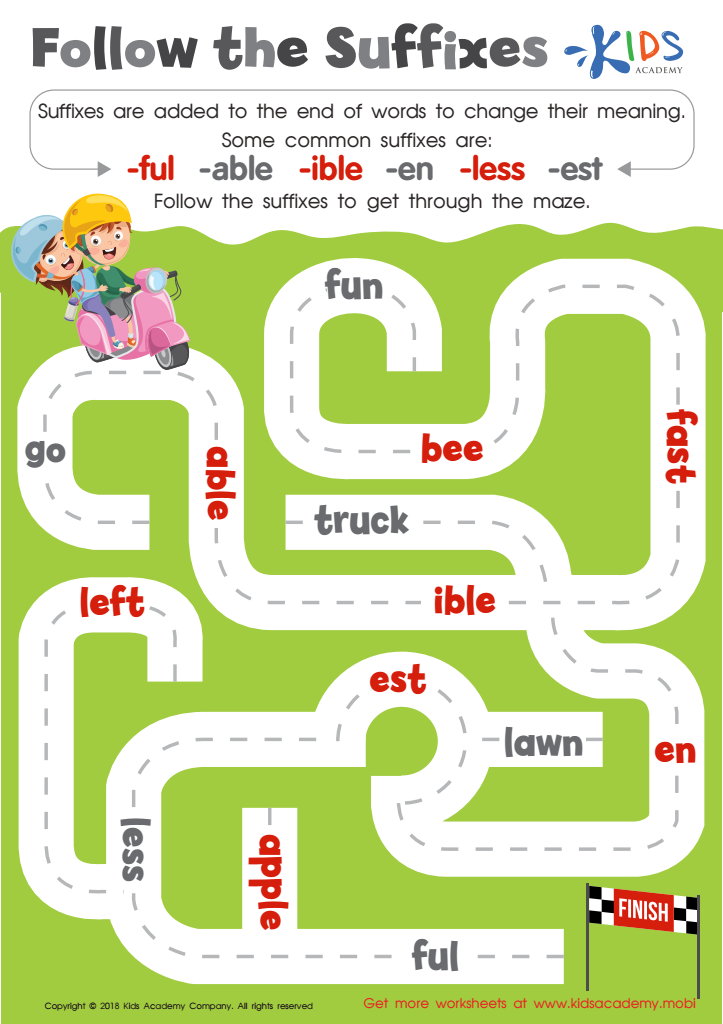
Reading: Follow the Suffixes Worksheet











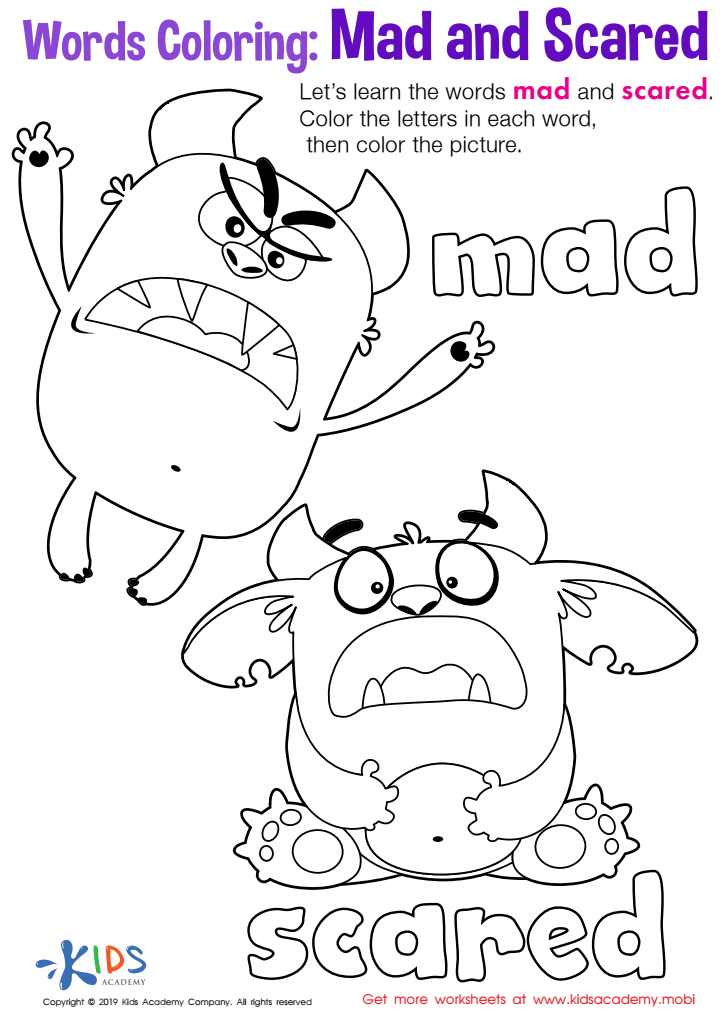
Mad and Scared Words Coloring Worksheet
 Assign to My Students
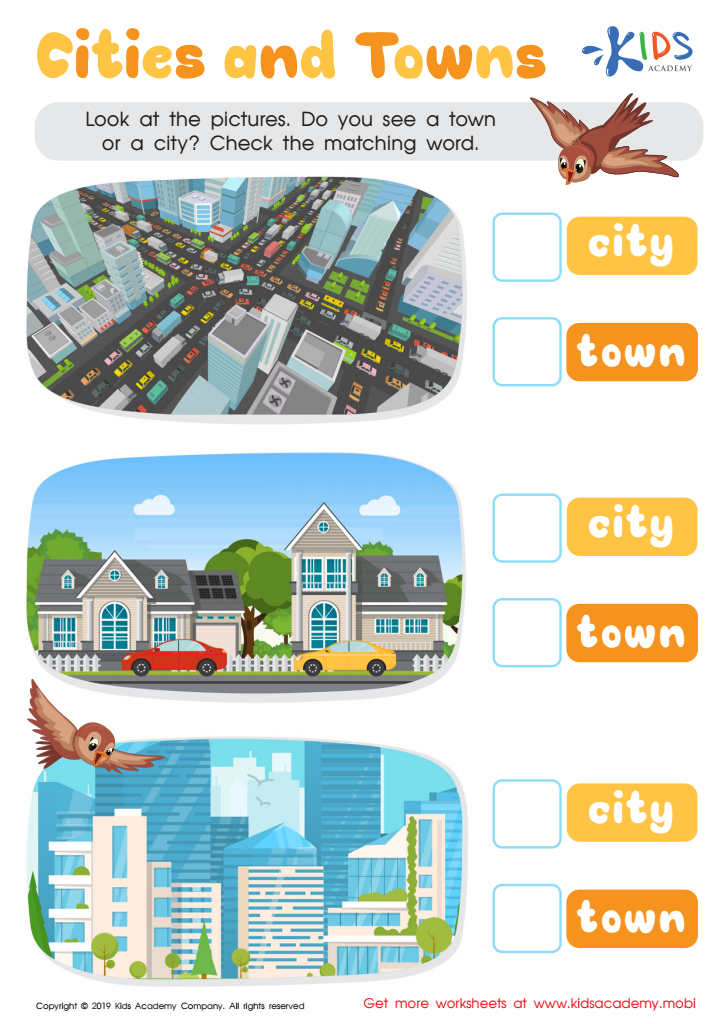
Cities and Towns Worksheet
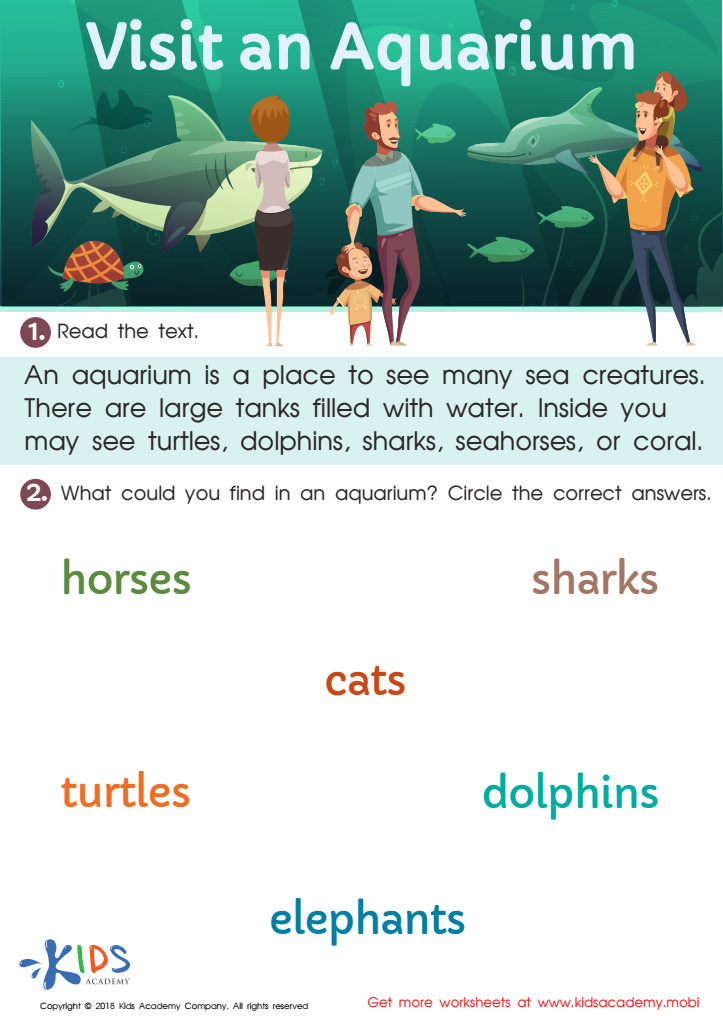
Visit an Aquarium Worksheet
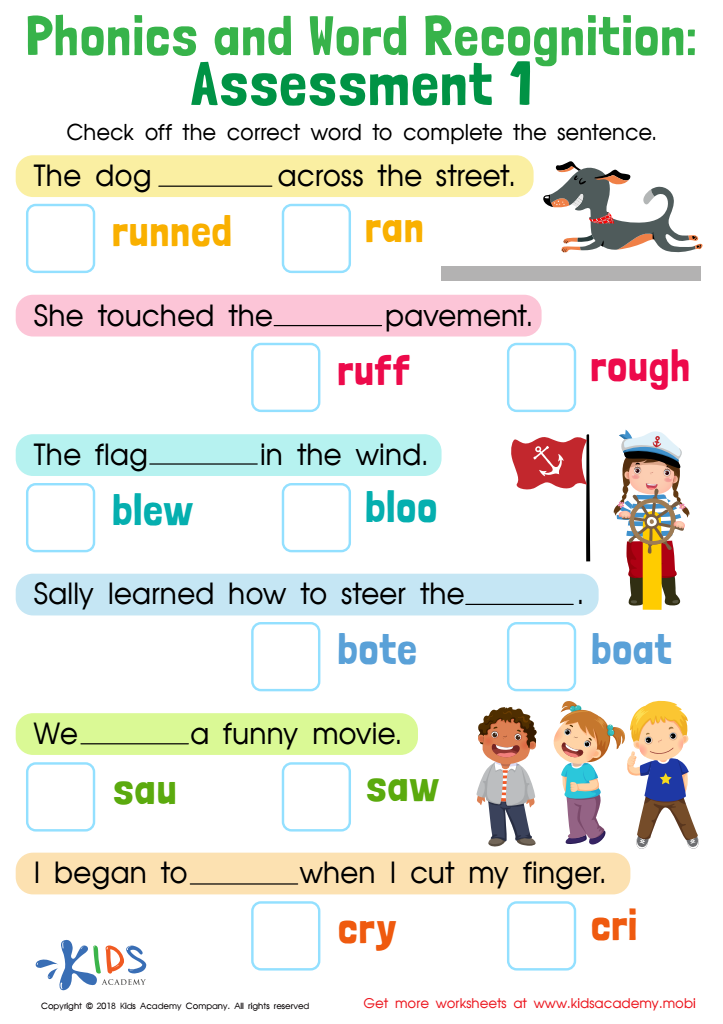
Phonics and Word Recognition: Assessment 1 Worksheet
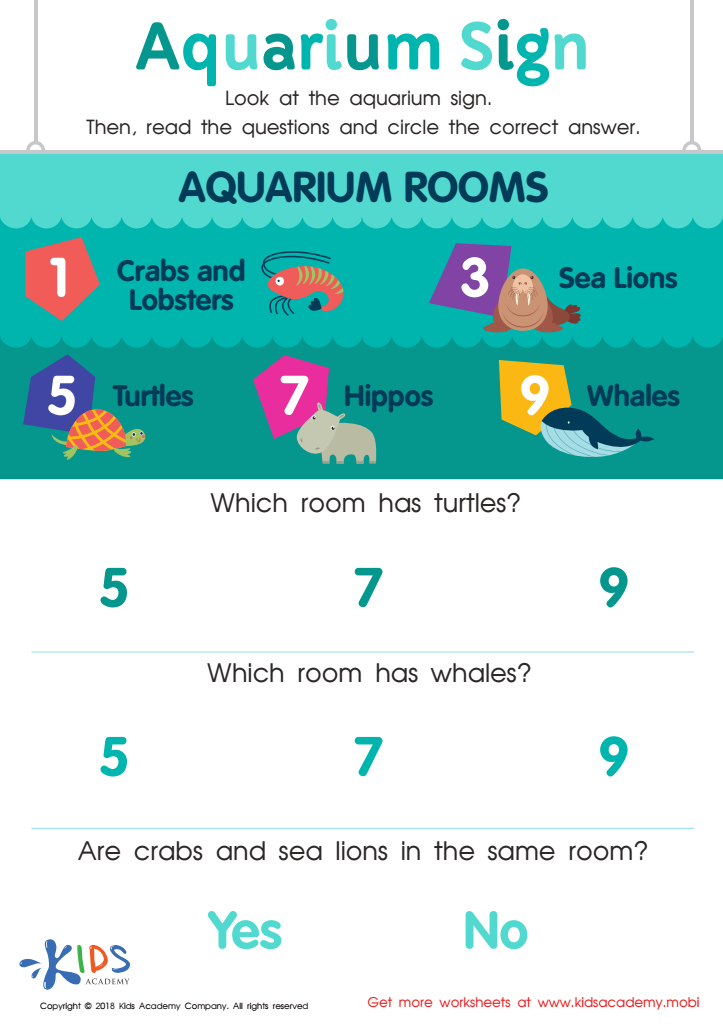
Assessment: Aquarium Sign Worksheet







.jpg)
Reading comprehension and vocabulary building are vital skills for 8-year-olds and play a crucial role in their educational development. At this age, students are transitioning from learning to read to reading to learn. A strong foundation in reading comprehension enables them to understand and interpret texts, fostering critical thinking and analytical skills.
When children expand their vocabulary, they equip themselves with the tools necessary to engage with more complex texts. A rich vocabulary allows them to express themselves better, enhancing their communication skills both in writing and conversing. This is especially important as they begin to encounter diverse subjects in school, from science to literature, where understanding specific terminology enhances overall learning experiences.
For parents and teachers, investing time and resources in developing these skills can significantly improve a child’s academic performance, boost confidence, and cultivate a lifelong love of reading. Activities like reading aloud together, discussing stories, and exploring new words in context not only enrich comprehension but also strengthen the parent-child or student-teacher bond. Ultimately, ensuring that 8-year-olds develop strong reading comprehension and vocabulary skills sets the groundwork for their future success in academics and beyond, impacting their overall cognitive development and social-emotional growth.