Fine Motor Skills Easy Alphabet Worksheets for 9-Year-Olds
6 filtered results
-
From - To
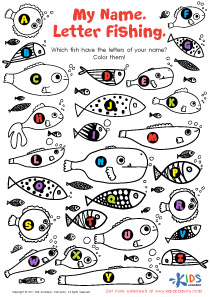
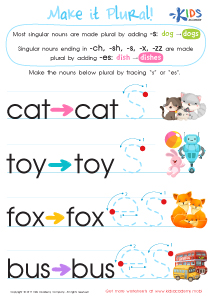
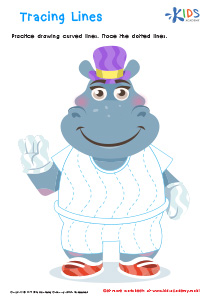
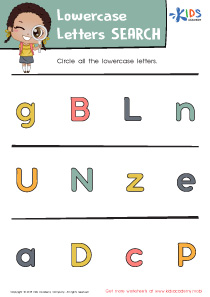
Enhance your 9-year-old's fine motor skills with our easy alphabet worksheets! Designed to engage young learners, these worksheets feature fun and interactive activities that promote hand-eye coordination and dexterity. Your child will enjoy tracing, writing, and coloring letters, making learning the alphabet both enjoyable and effective. Each worksheet is tailored to reinforce letter recognition while supporting essential fine motor development. Whether used at home or in the classroom, these resources are perfect for fostering creativity and building confidence in writing. Explore our collection now and give your child the tools they need to succeed in foundational literacy skills!
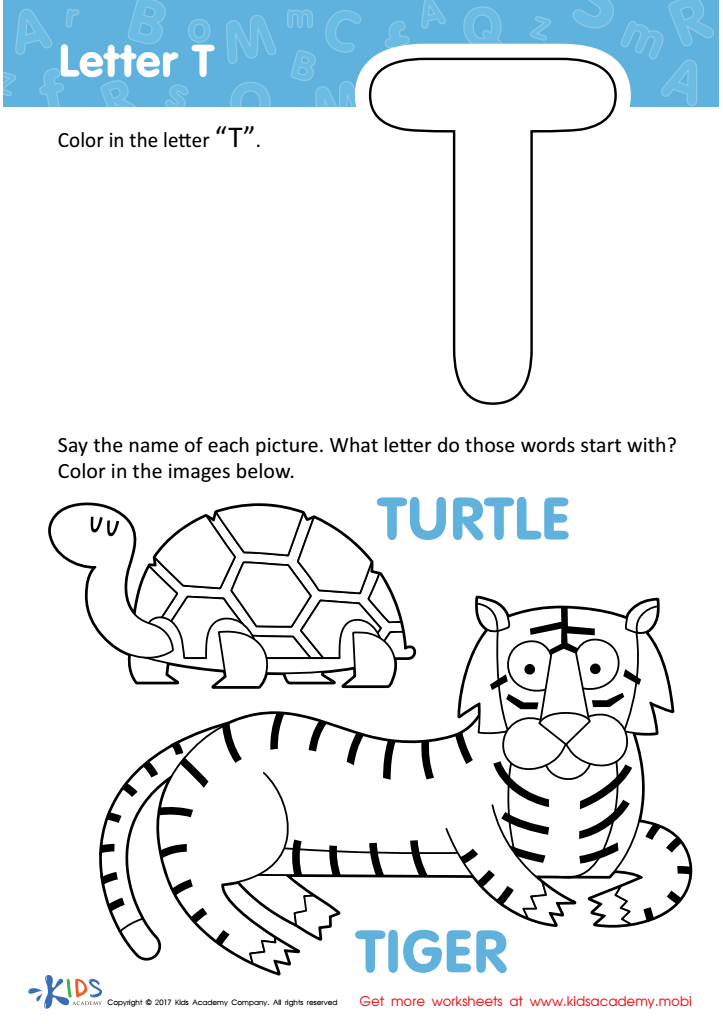
Letter T Coloring Sheet
 Assign to My Students
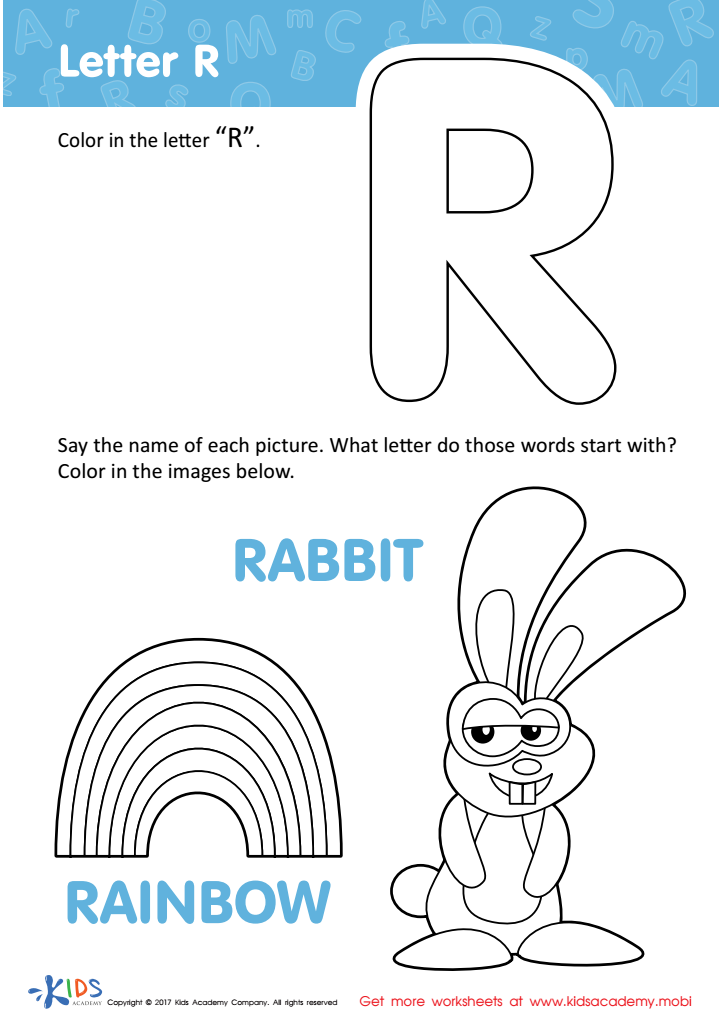
Letter R Coloring Sheet
Assign to My Students
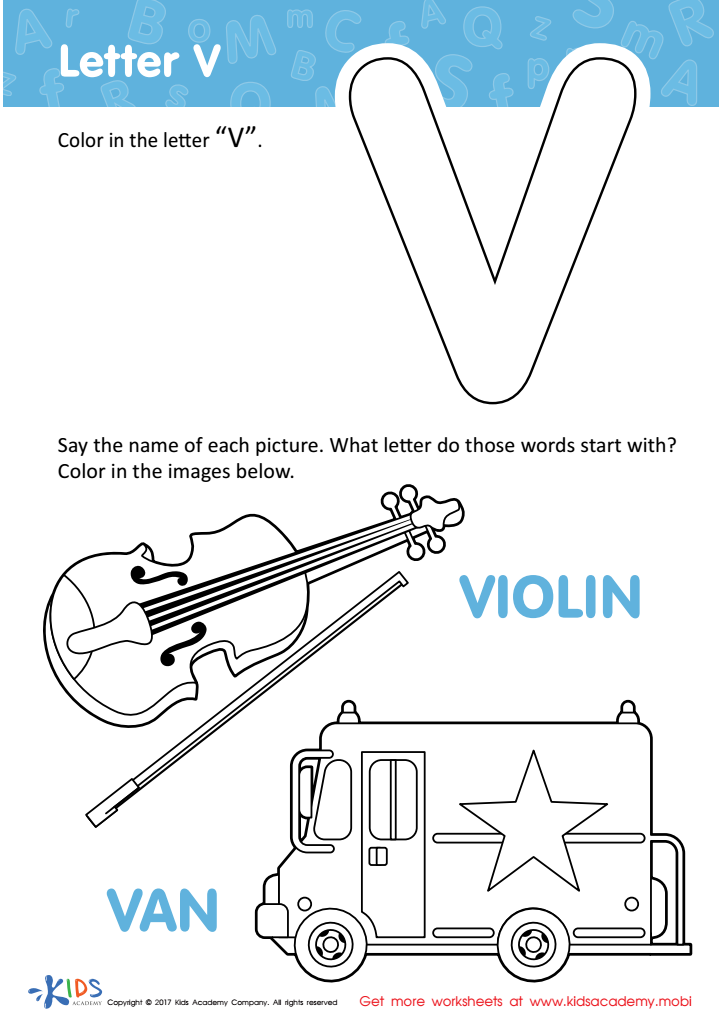
Letter V Coloring Sheet
Assign to My Students
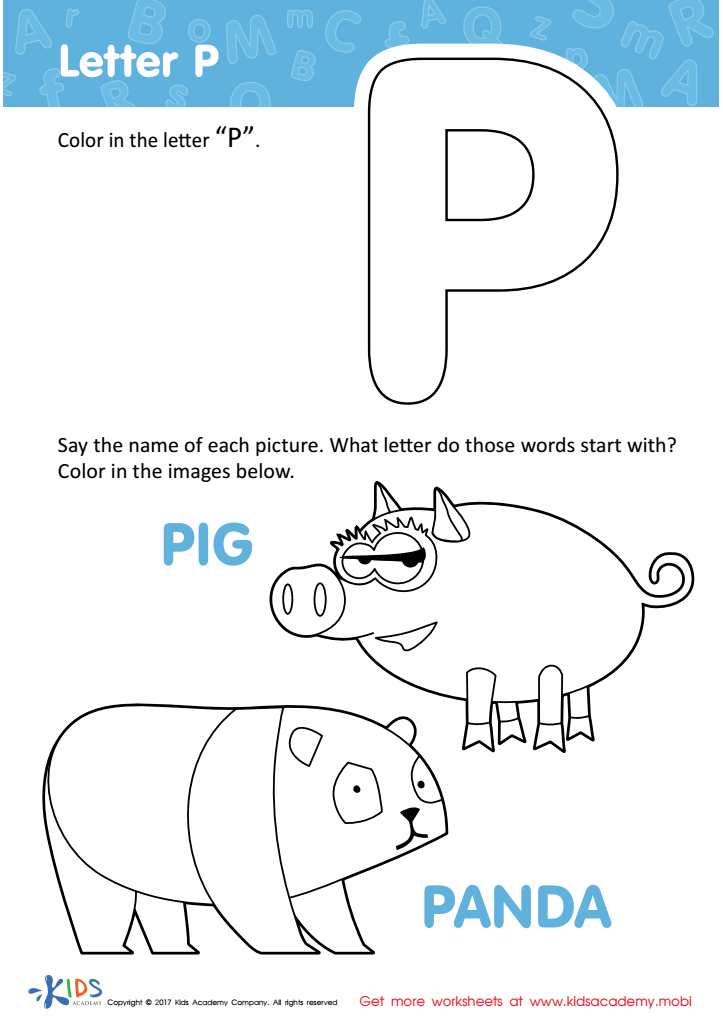
Letter P Coloring Sheet
Assign to My Students
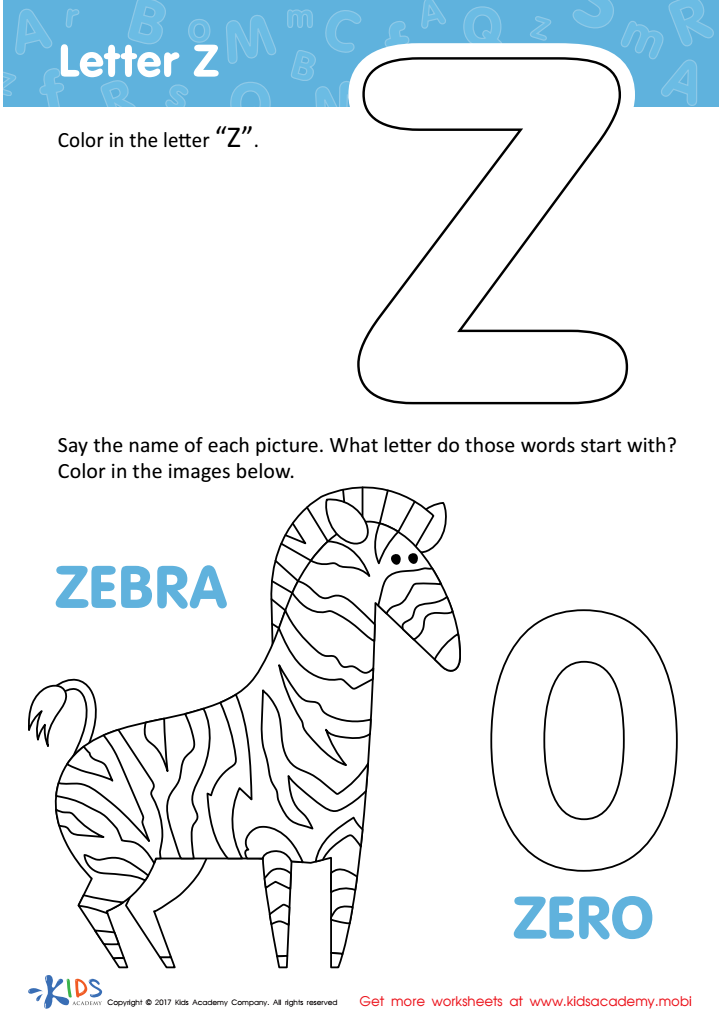
Letter Z Coloring Sheet
Assign to My Students
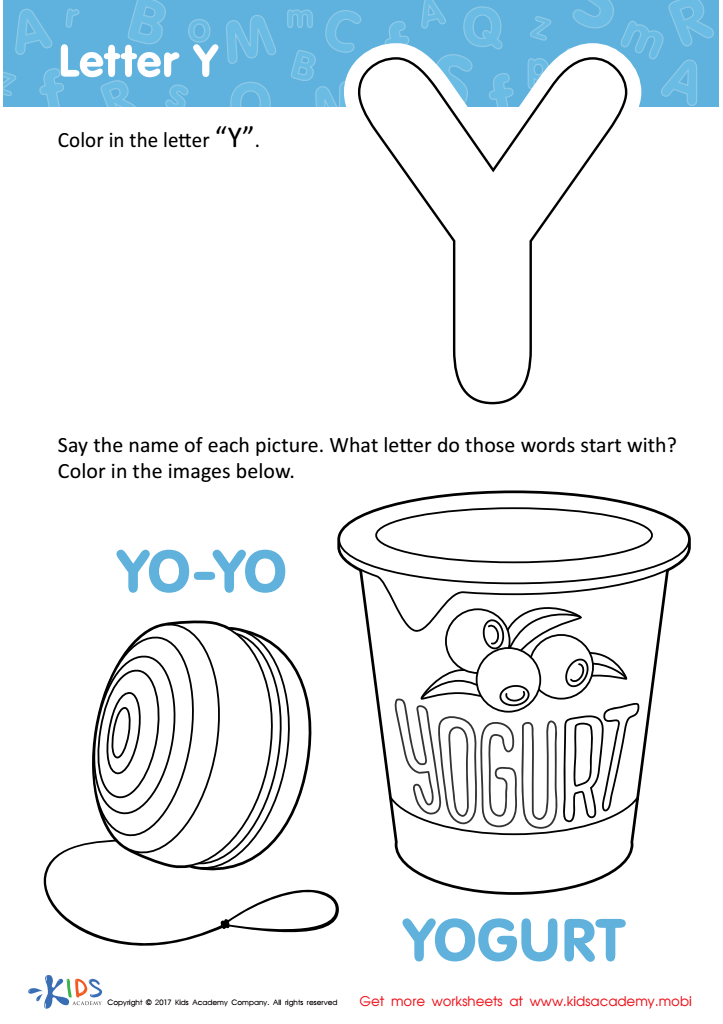
Letter Y Coloring Sheet
Assign to My Students








Fine motor skills are essential for children's overall development, particularly for 9-year-olds who are rapidly growing in their independence and cognitive abilities. These skills involve the coordination of small muscles in hands and fingers, which are crucial for tasks like writing, drawing, and manipulating objects. Mastering fine motor skills enables children to express themselves through art and writing, contributing to academic success and creativity.
Understanding the importance of fine motor skills can help parents and teachers identify learning challenges early on. Children with underdeveloped fine motor skills may struggle with handwriting, may avoid tasks requiring precision, or may have difficulty with tools and crafts. Focusing on resources like "Fine Motor Skills Easy Alphabet" can provide engaging activities that strengthen these skills while also teaching the letters of the alphabet.
Additionally, enhancing fine motor skills promotes self-confidence as children gain independence in tasks like tying shoelaces or buttoning shirts. This, in turn, supports their social development as they participate more readily in group activities. Prioritizing these skills prepares children not just for academic tasks but for everyday life, ensuring they develop the practical skills they need to thrive both in and out of the classroom.