Alphabet Recognition Easy Letter Recognition Worksheets for 9-Year-Olds
5 filtered results
-
From - To
Discover our engaging and user-friendly Alphabet Recognition worksheets designed specifically for 9-year-olds! These easy letter recognition activities aim to bolster young learners' confidence and foundational literacy skills. Our printable worksheets combine fun and learning, making it perfect for both classroom use and home study. Children will enjoy colorful illustrations and interactive prompts, fostering joyful experiences while they master letter identification. These effective resources align with educational standards, ensuring your child develops key skills in a supportive environment. Print our easy-to-follow worksheets today and watch your young learners thrive in their alphabet recognition journey! Perfect for early grade teachers and parents alike!
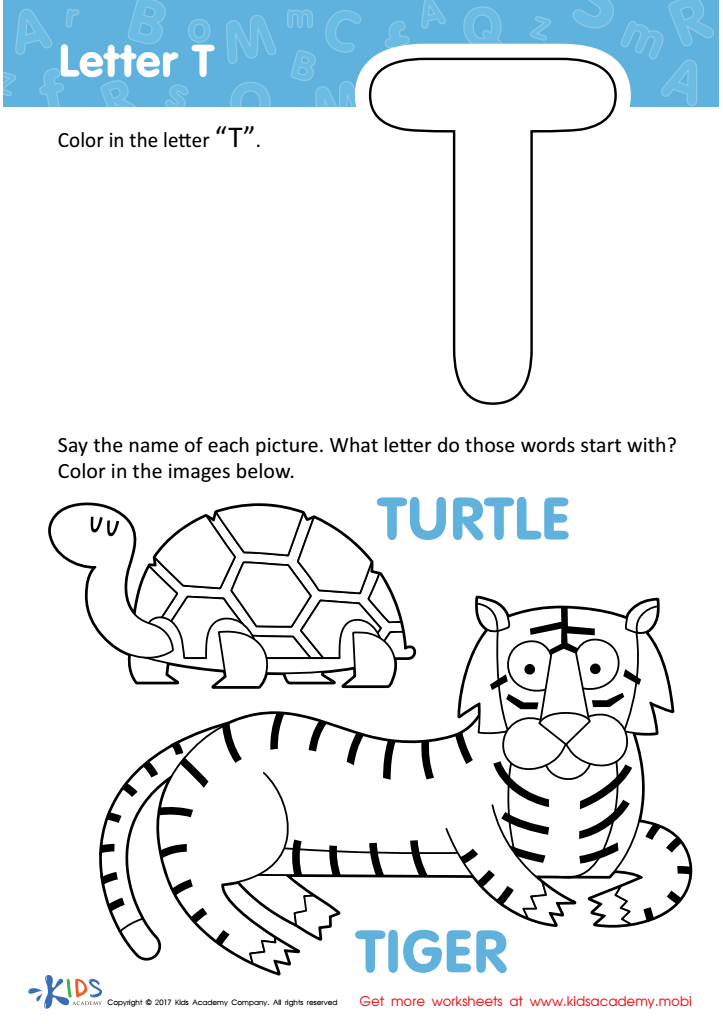
Letter T Coloring Sheet
 Assign to My Students
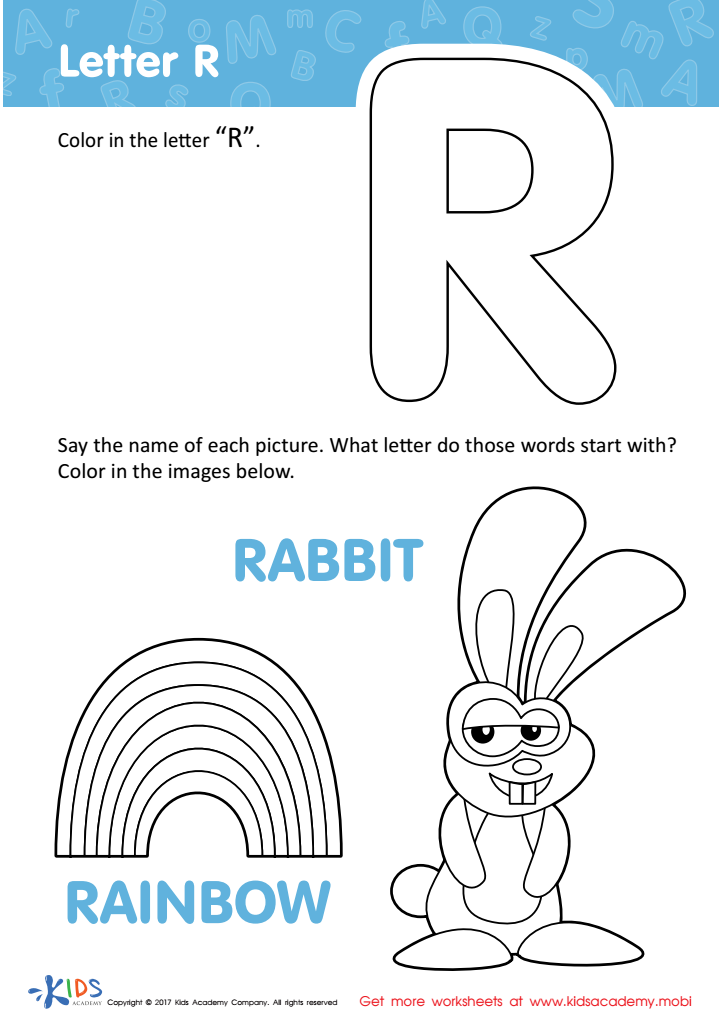
Letter R Coloring Sheet
Assign to My Students
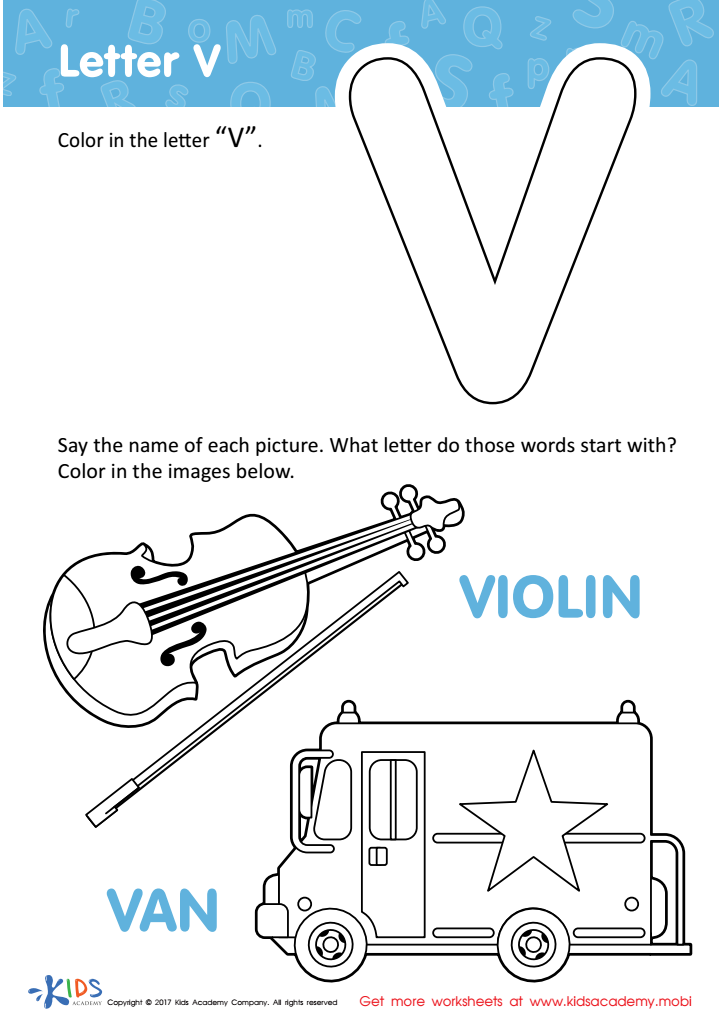
Letter V Coloring Sheet
Assign to My Students
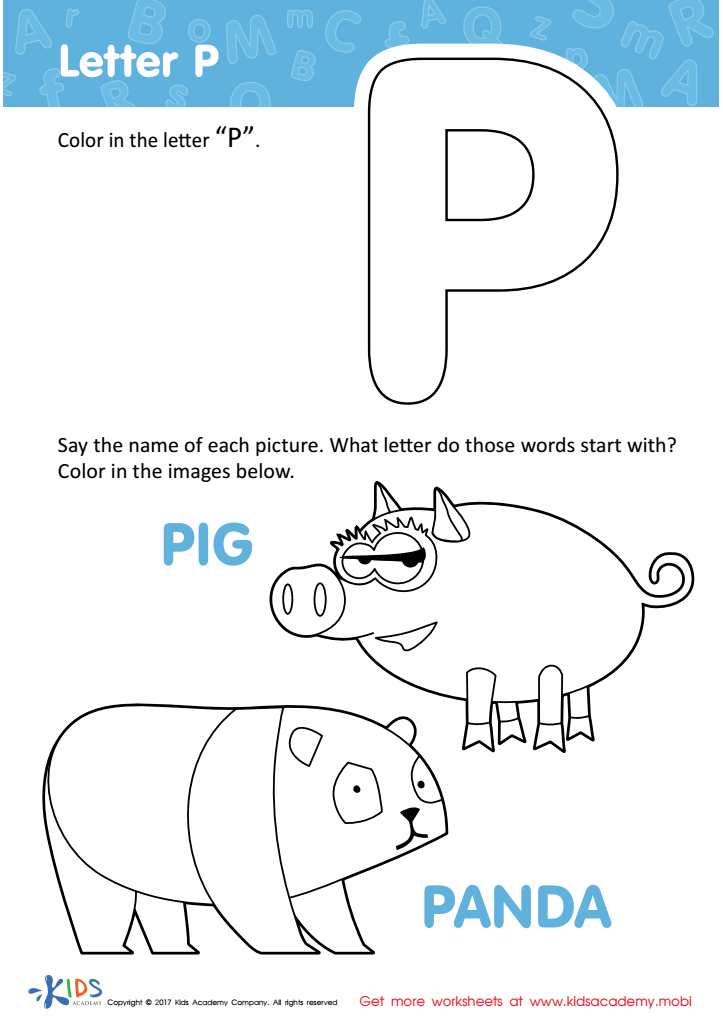
Letter P Coloring Sheet
Assign to My Students
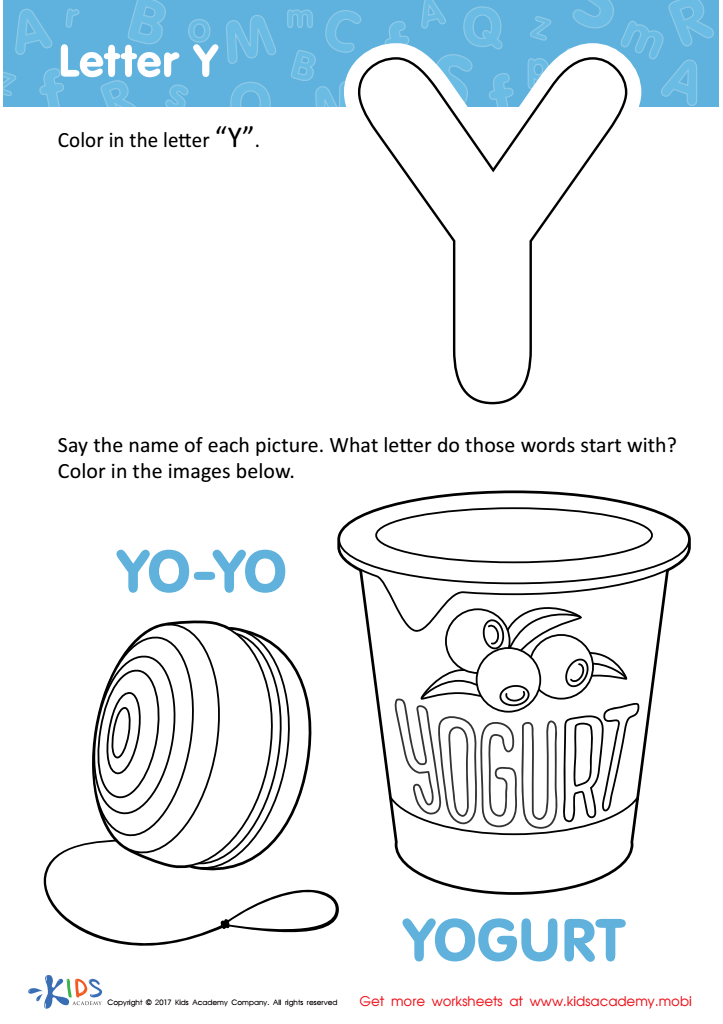
Letter Y Coloring Sheet
Assign to My Students








Alphabet recognition, even for 9-year-olds, remains a crucial component of literacy development. It lays the foundation for overall reading skills, which are vital in academic success and lifelong learning. Children at this age may still struggle with letter recognition due to varied learning paces and needs. By focusing on this skill, parents and teachers can identify gaps in understanding, ensuring that all children build confidence in their reading abilities.
Strong alphabet recognition contributes to improved spelling, vocabulary development, and comprehension. Having a solid grasp of letters allows children to decode new words, fostering a sense of independence as they navigate texts. In a school setting, teachers can design engaging activities that promote recognition, such as games, interactive storytelling, or writing exercises.
Parental involvement is equally significant. Encouraging reading at home, engaging in fun letter games, or utilizing educational apps can reinforce classroom learning. Moreover, recognizing the signs of difficulty is vital. If a child shows persistent challenges, they may benefit from targeted interventions or additional support, such as tutoring.
Ultimately, fostering alphabet recognition is not just about learning individual letters; it's about nurturing a love for reading, which is essential for a child's academic journey and overall development.