Vocabulary Building Easy Worksheets for 9-Year-Olds
3 filtered results
-
From - To
Explore our fun and engaging Vocabulary Building Worksheets, specifically designed for 9-year-olds! Our easy-to-use sheets promote language development through a variety of interactive activities, including word searches, fill-in-the-blanks, and matching exercises. Each worksheet helps expand vocabulary skills in a playful manner, ensuring that learning feels effortless and enjoyable. Great for homeschoolers, teachers, or any parent looking to enhance their child’s linguistic abilities, these worksheets align with grade-level standards and support reading comprehension. Give your child the confidence to express themselves well and enrich their language skills with our delightful vocabulary-building resources! Download and get started today!
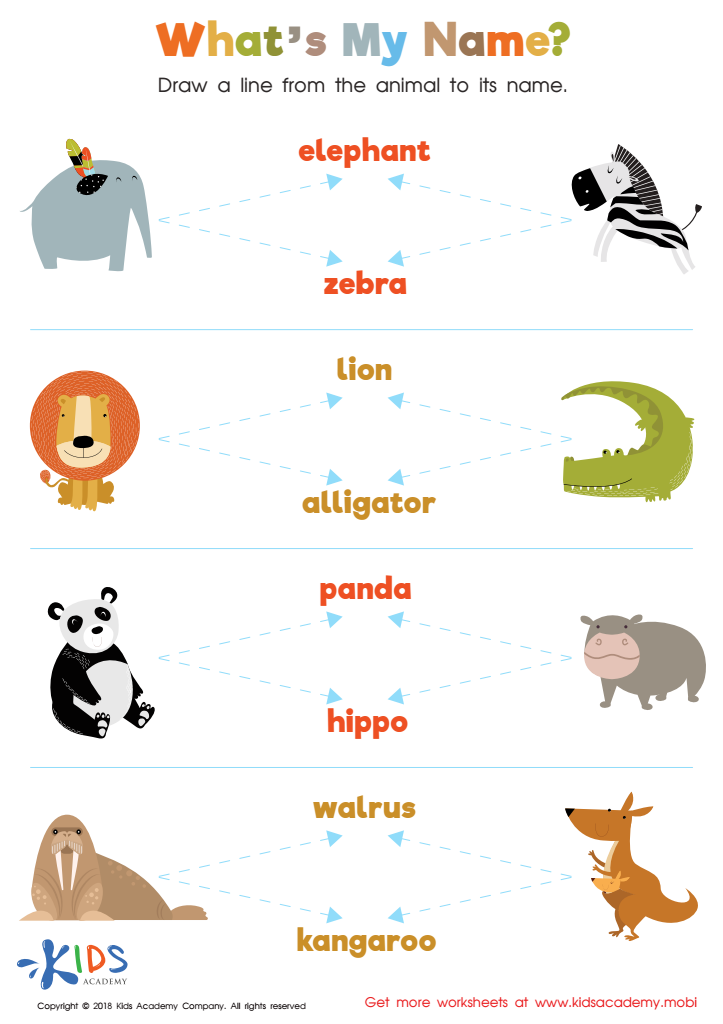
Animals and Their Names Worksheet
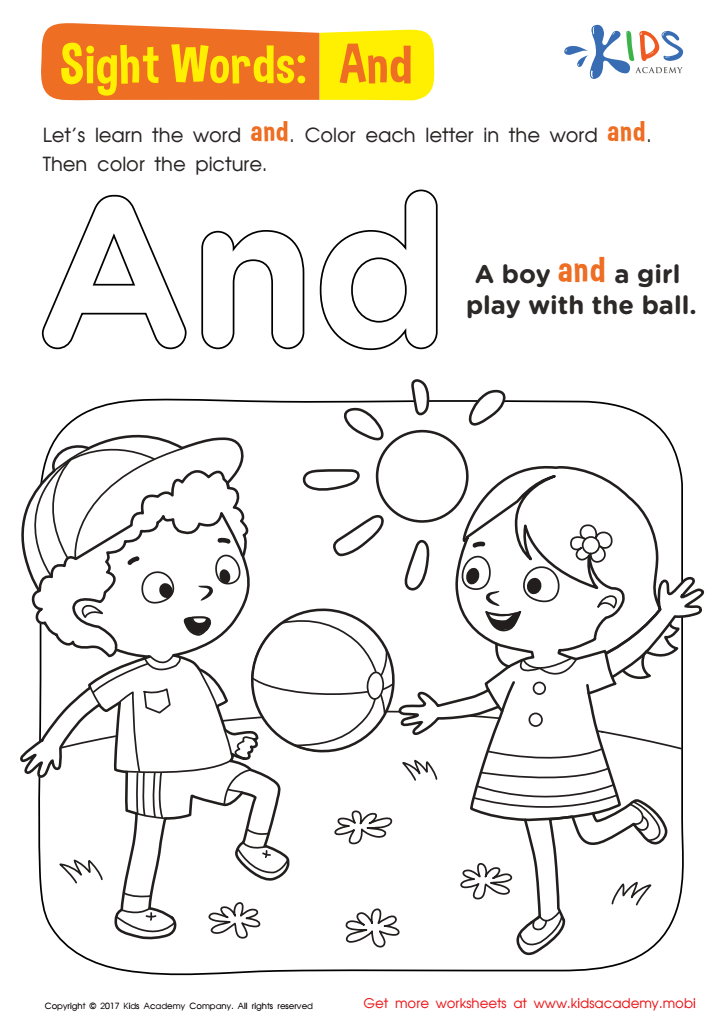
And Worksheet Sight Words Worksheet
 Assign to My Students









Building a strong vocabulary for 9-year-olds is essential for their cognitive, social, and academic development. At this age, children are improving their reading and writing skills, and a rich vocabulary enhances their comprehension and communication abilities. When parents and teachers prioritize vocabulary building, they empower children to express their thoughts and emotions more effectively, fostering confidence in social interactions.
Furthermore, a well-developed vocabulary is linked to academic success. Studies show that children with a broader vocabulary perform better in reading and language arts, which can have lasting effects on their overall academic achievement. Engaging students with diverse words helps stimulate their curiosity, encouraging them to explore and learn independently.
Moreover, a stronger vocabulary contributes to critical thinking skills. Children learn to understand nuances and context in language, promoting analysis and reasoning. This foundational skill is crucial not only for school but for real-life situations as well.
Incorporating vocabulary-building activities through games, storytelling, and discussions can make learning enjoyable and interactive. Ultimately, investing in vocabulary development sets 9-year-olds on a path to better communication, enhanced learning, and a deeper understanding of the world around them, making it a vital focus for both parents and teachers.








