Animal recognition Easy Math Worksheets for 9-Year-Olds
3 filtered results
-
From - To
Discover our fun and educational "Animal Recognition Easy Math Worksheets for 9-Year-Olds"! Perfectly designed to engage young minds, these printable worksheets combine the excitement of learning about animals with essential math skills. Children will love identifying animals while solving math problems seamlessly integrated into each exercise. From basic addition and subtraction to more advanced concepts, these worksheets foster critical thinking and animal knowledge. Ideal for home or classroom use, they provide an interactive way to enhance arithmetic proficiency and animal awareness. Download now to make math learning an adventure!
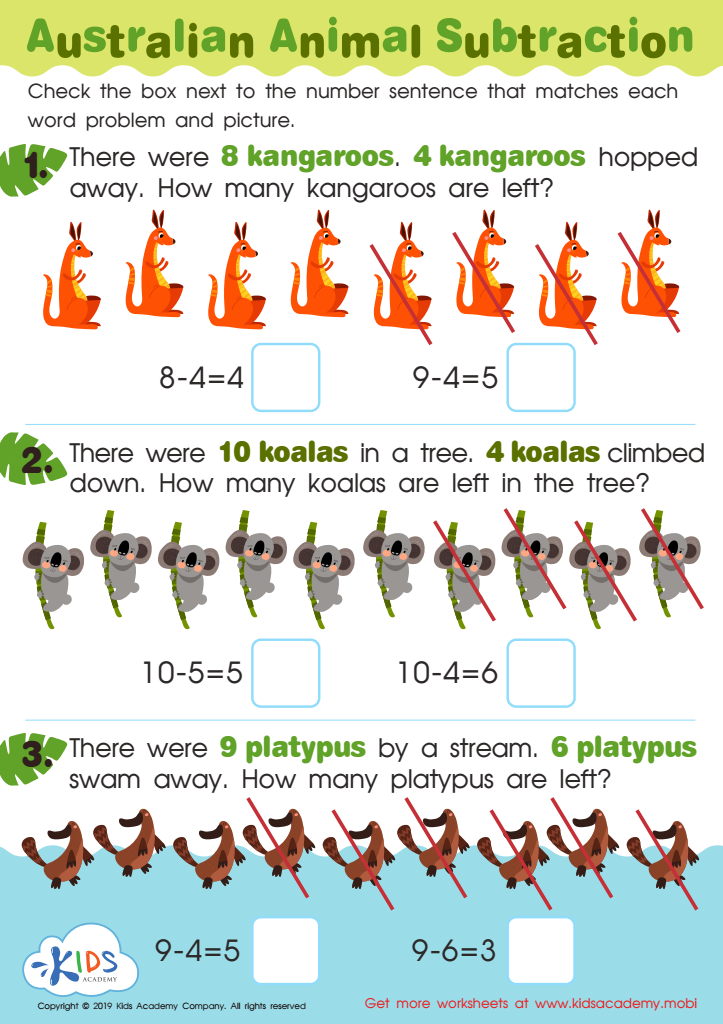
Australian Animal Subtraction Worksheet
 Assign to My Students
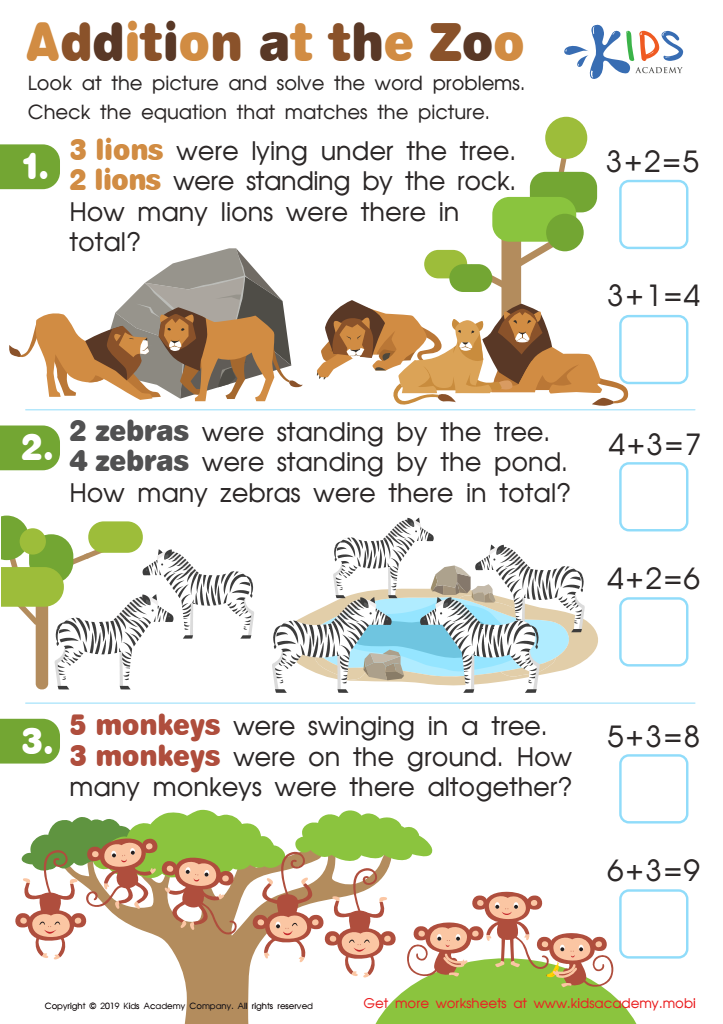
Addition at the Zoo Worksheet
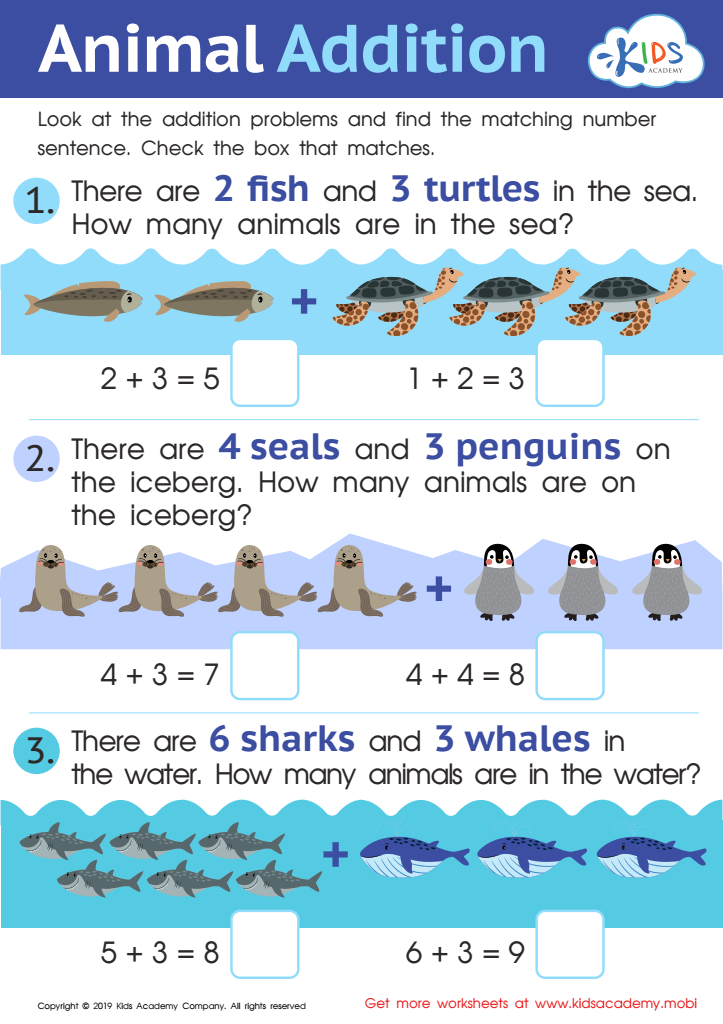
Animal Addition Worksheet



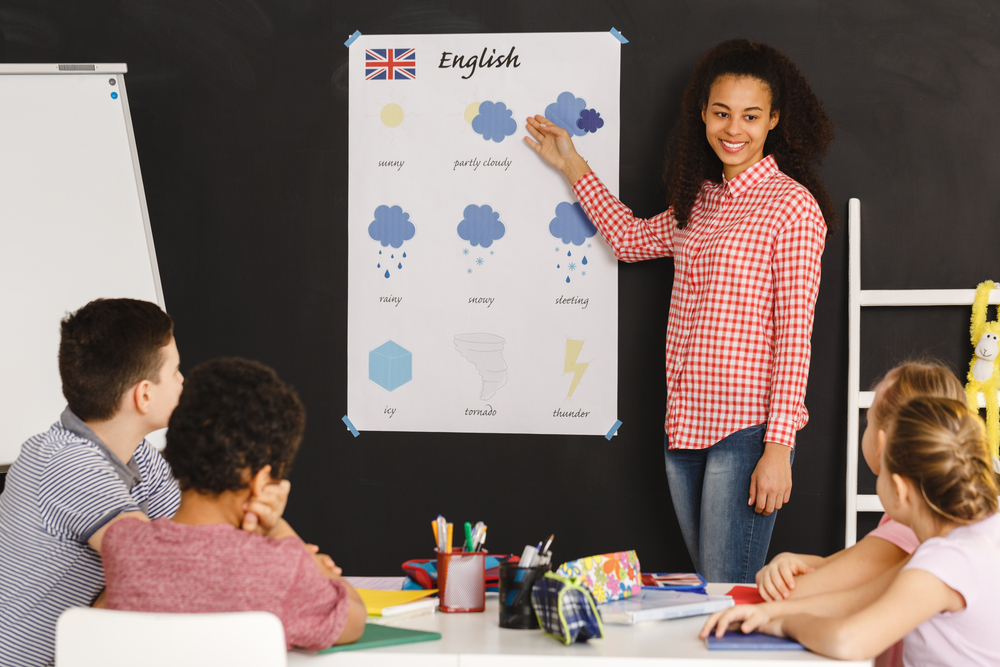



Parents and teachers should care about animal recognition and easy math for 9-year-olds as it offers significant educational and developmental benefits. Firstly, incorporating animal recognition in learning taps into children's natural curiosity and love for animals, making learning engaging and fun. It broadens their knowledge of the natural world, fostering empathy and a sense of responsibility towards living creatures.
Easy math is crucial at this stage to build a strong foundation for more complex mathematical concepts. Mastering basic arithmetic such as addition, subtraction, multiplication, and division enhances critical thinking and problem-solving skills. It also boosts confidence, as competence in math has been shown to improve self-esteem and academic performance across other subjects.
Combining animal recognition with easy math can create an integrated, multidisciplinary approach to education. This method supports cognitive development by connecting abstract mathematical concepts to real-world examples, making them more understandable and relatable. For instance, solving problems involving the number of legs on different animals can help grasp multiplication and division.
In essence, focusing on these areas not only makes learning enjoyable but also prepares 9-year-olds for future academic challenges by promoting mental agility, enhancing retention, and cultivating a holistic understanding of both mathematics and the living environment. They form essential building blocks that contribute to lifelong learning and curiosity.








