Writing practice Easy Alphabet Worksheets
3 filtered results
-
From - To
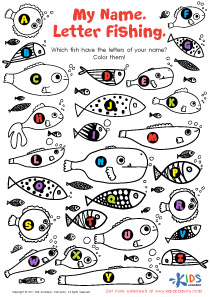
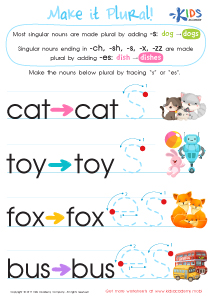
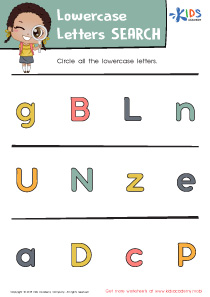
Enhance your child's writing skills with our "Writing Practice Easy Alphabet Worksheets". Perfect for early learners, these printable worksheets guide little hands through the fundamentals of alphabet writing. Each sheet provides clear, traceable letters and ample space for freehand practice, encouraging precision and confidence. Designed with engaging visuals and simple instructions, our worksheets make learning enjoyable and effective. Watch as your child masters writing and begins to recognize letters, setting a strong foundation for future literacy skills. Discover the joy of learning with our fun, educational Writing Practice Easy Alphabet Worksheets today!
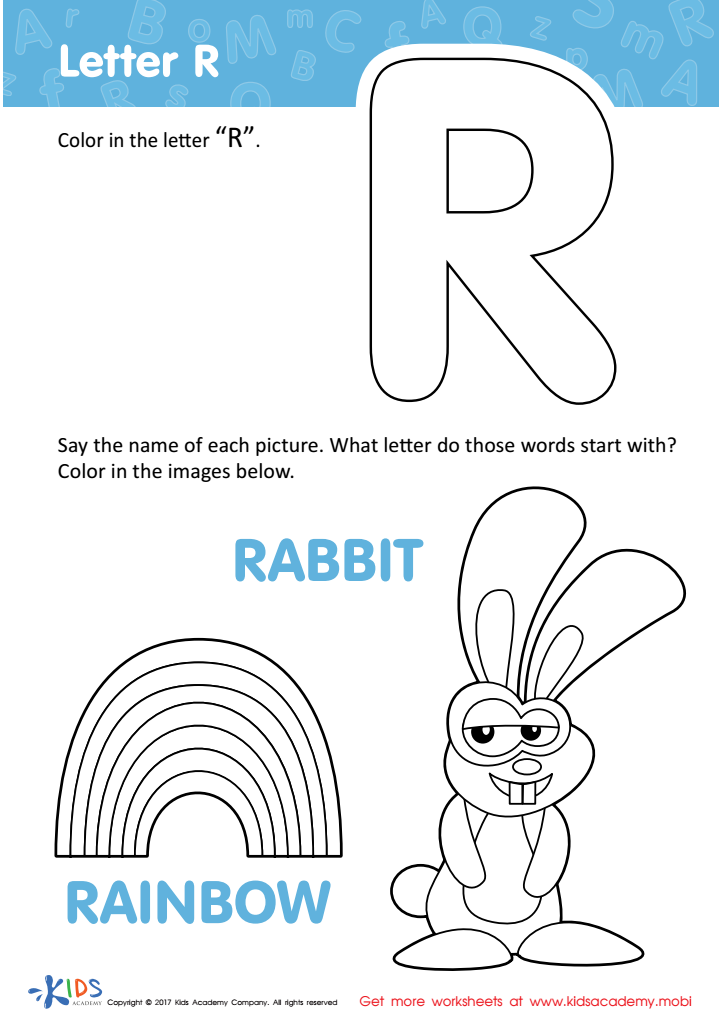
Letter R Coloring Sheet
 Assign to My Students
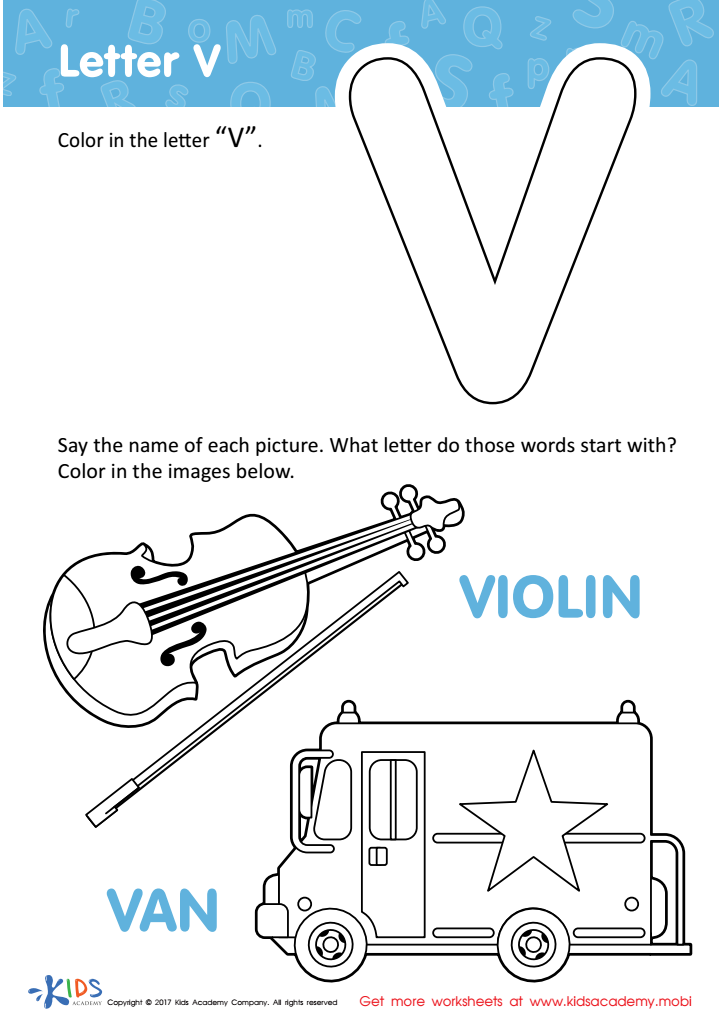
Letter V Coloring Sheet
Assign to My Students
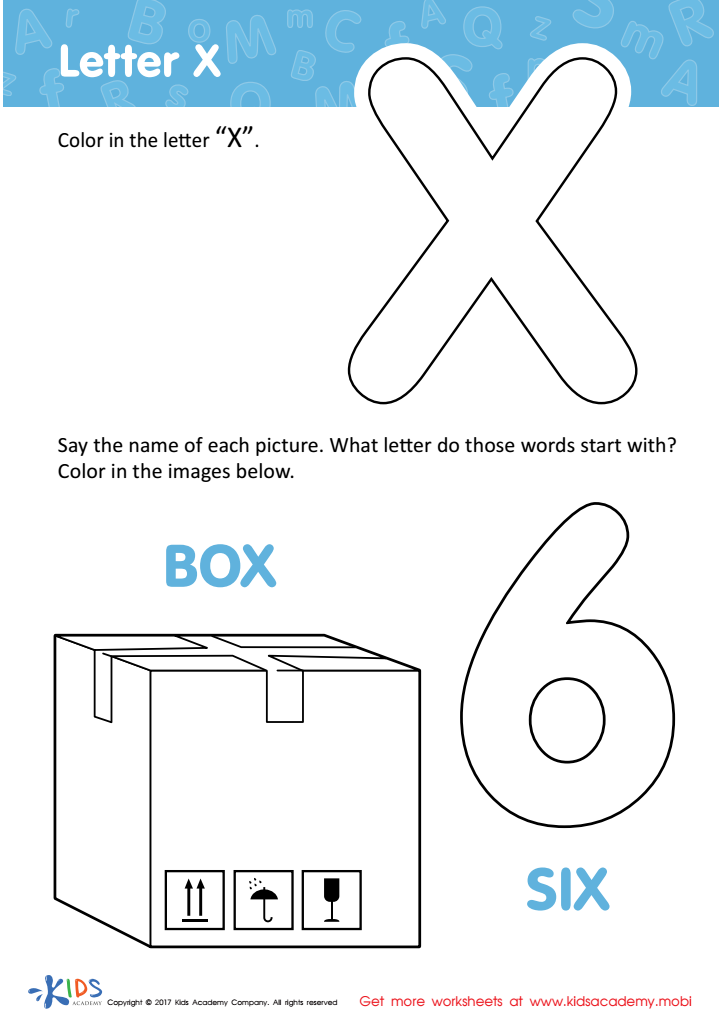
Letter X Coloring Sheet
Assign to My Students






.jpg)
Writing practice through Easy Alphabet exercises is crucial for young children due to several significant reasons that benefit their early development. Firstly, handwriting skills lay the foundation for literacy, enabling better reading and writing capabilities. When children repeatedly form letters, they build muscle memory that enhances their ability to write fluently.
Secondly, writing practice supports fine motor skills. Tracing and writing letters require precise hand movements, helping children develop the finger strength and coordination needed for everyday tasks like buttoning clothes or tying shoelaces.
Moreover, learning to write the alphabet aids in letter recognition, a fundamental skill for reading proficiency. As children practice writing, they simultaneously recognize, differentiate, and remember each letter, fostering early reading comprehension and vocabulary development.
Additionally, writing exercises bolster cognitive development. The process of thinking about how to draw each letter, while also considering its sound and place in words, activates multiple brain regions, encouraging cognitive connections and critical thinking skills.
Providing such writing practice in a structured way, like through Easy Alphabet activities, ensures that learning is engaging and effective, thereby instilling a love for writing. Thus, parents and teachers nurturing early writing skills invest in a child’s long-term educational success and overall development.