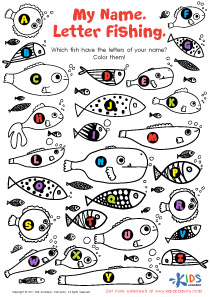
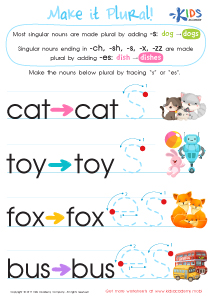
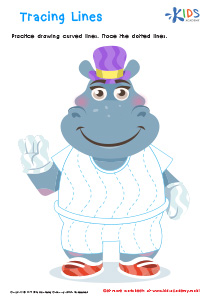
Writing practice Easy Letter Recognition Worksheets
3 filtered results
-
From - To
Enhance your child's writing skills with our "Easy Letter Recognition Worksheets." Designed for early learners, these worksheets provide engaging activities that foster letter recognition and improve handwriting. Each worksheet incorporates fun illustrations and interactive exercises to help children identify and write uppercase and lowercase letters with confidence. Ideal for home or classroom use, our resources promote a strong foundation in literacy. Parents and teachers will appreciate the ease of use and practical layouts, making learning enjoyable and effective. Dive into the world of letters with these exciting worksheets that turn practice into play and set the stage for reading success!
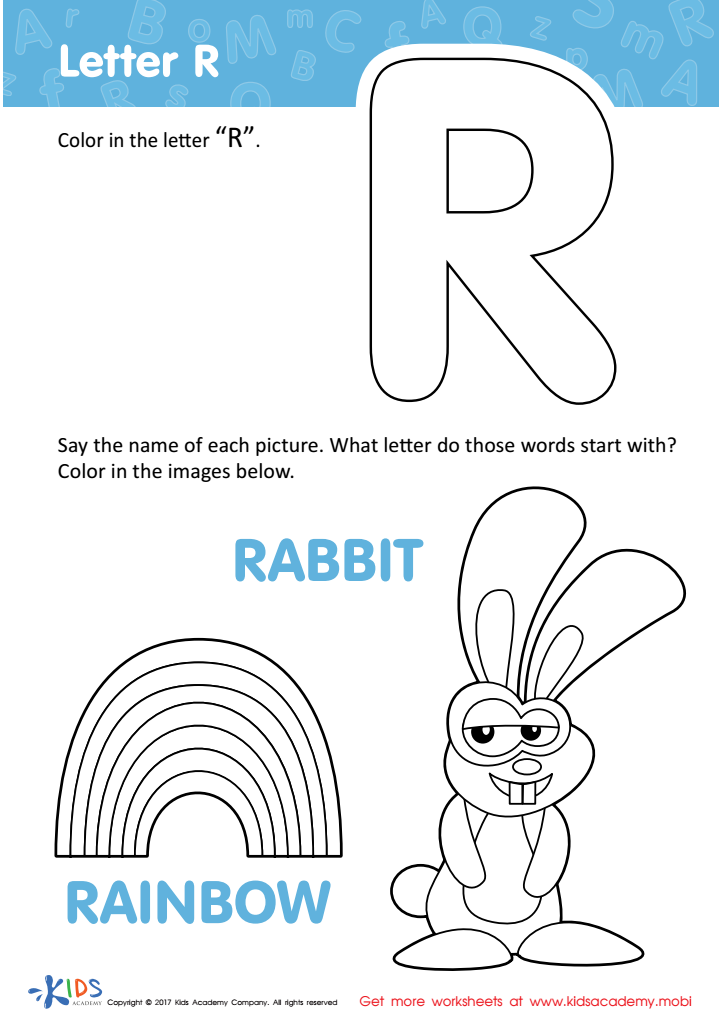
Letter R Coloring Sheet
 Assign to My Students
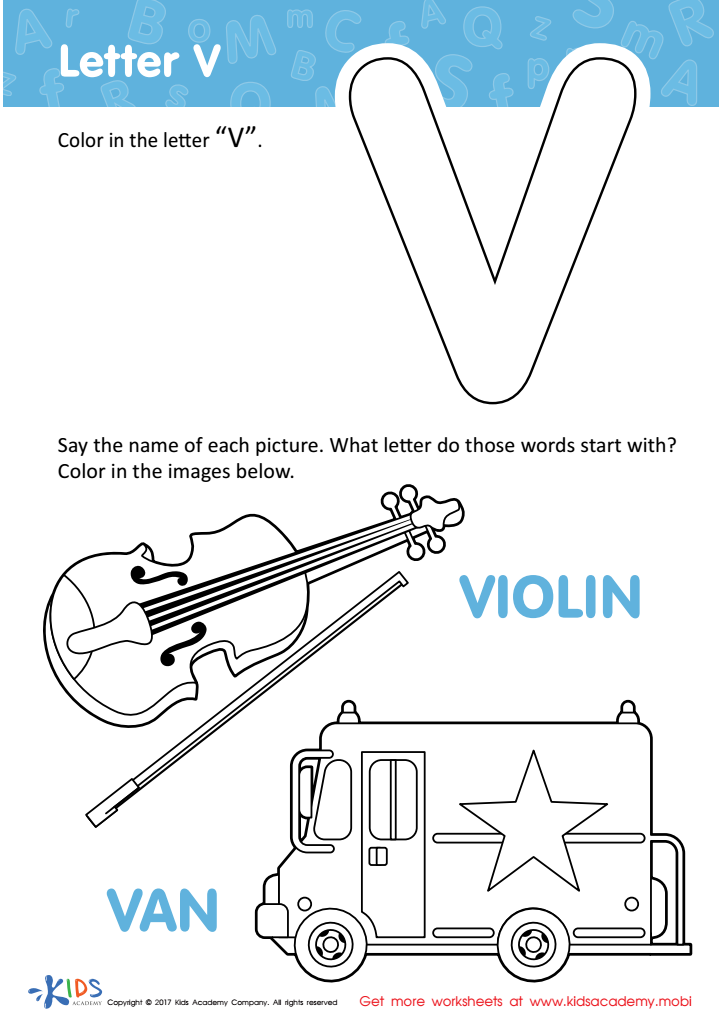
Letter V Coloring Sheet
Assign to My Students
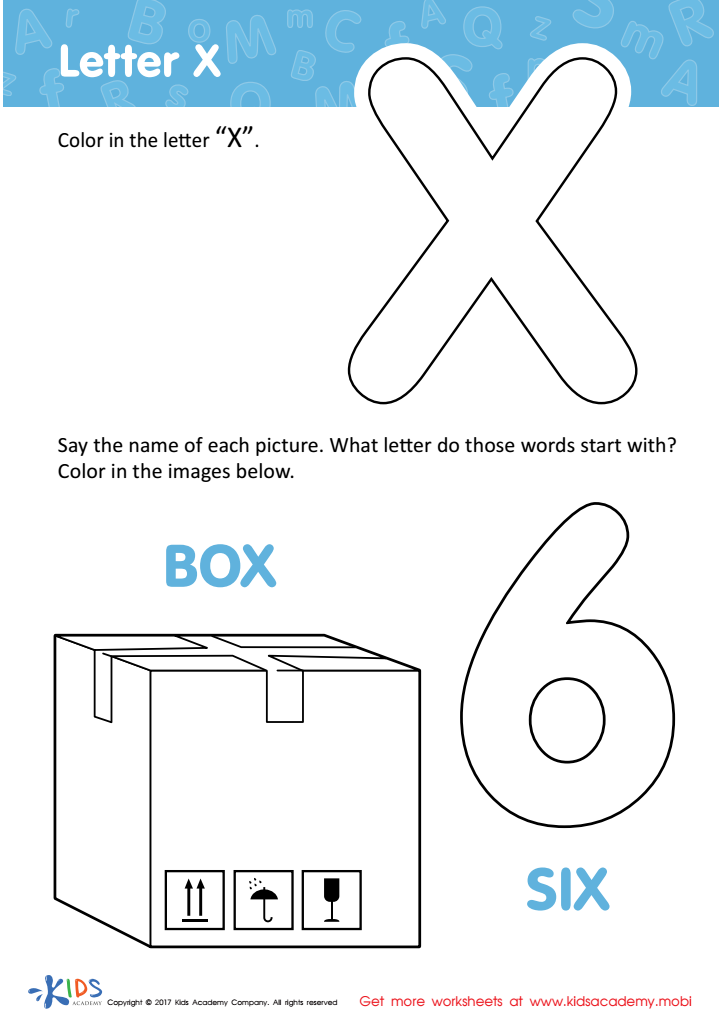
Letter X Coloring Sheet
Assign to My Students








Writing practice and easy letter recognition are crucial in nurturing a child’s literacy development, making them essential concerns for both parents and teachers. Establishing a strong foundation in writing and letter recognition enhances children’s ability to read, which is vital for overall academic success. When children practice writing letters, they enhance fine motor skills, which are essential not only in writing but in other areas of learning like art and crafting. As they become familiar with letter shapes and sounds, they build essential phonemic awareness, paving the way for better reading skills.
Furthermore, mastery of letter recognition can significantly boost a child’s confidence. When children can recognize and write letters, they feel more empowered in their learning journey, leading to an enthusiastic engagement with literacy activities. Moreover, early writing practice fosters cognitive and communication skills, as it encourages children to express their thoughts and ideas.
For parents and teachers, involvement in this process is also an opportunity to cultivate a love for reading and writing in children. By providing fun and engaging writing activities, parents and teachers can inspire a lifelong habit that extends beyond the classroom, promoting educational success and personal growth.