Phonics recognition Easy Phonics Worksheets
5 filtered results
-
From - To
Discover our "Phonics Recognition Easy Phonics Worksheets," designed to make learning phonics engaging and effective for young learners. These worksheets provide a variety of fun activities that help children identify sounds and associate them with letters, enhancing their reading skills. Our user-friendly resources encourage phonemic awareness through interactive exercises, making it easier for kids to grasp crucial literacy concepts. Suitable for preschool and early elementary students, these worksheets incorporate bright visuals and playful themes to motivate children during their learning journey. Download our Easy Phonics Worksheets today to support your child's literacy development with enjoyable, educational practice!
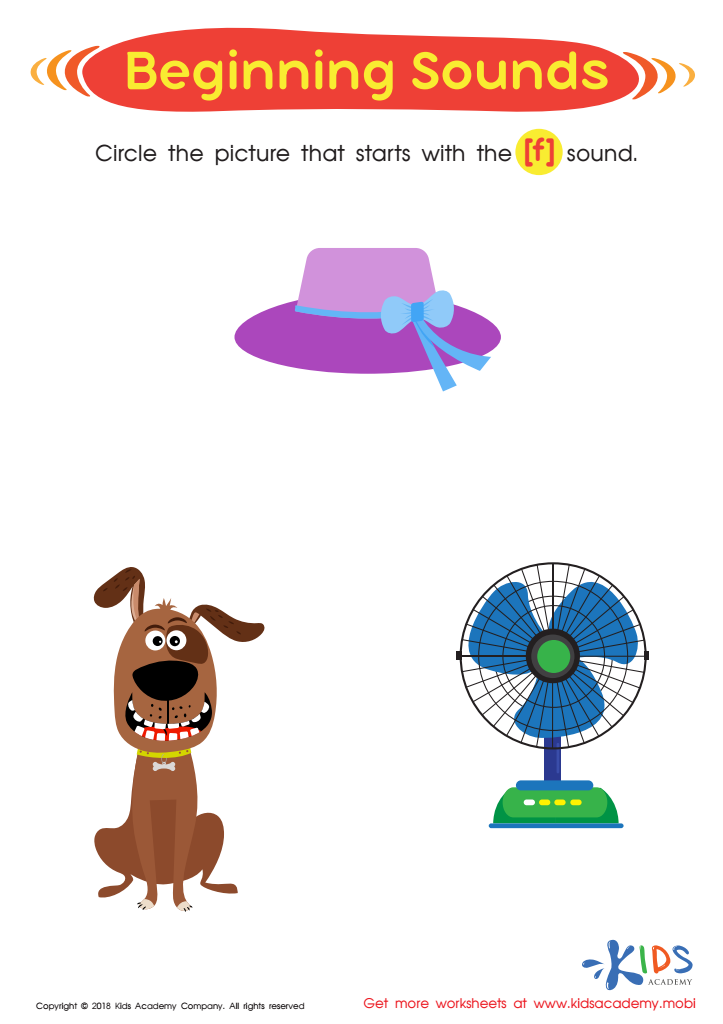
Beginning Sounds Assessment Printable
 Assign to My Students
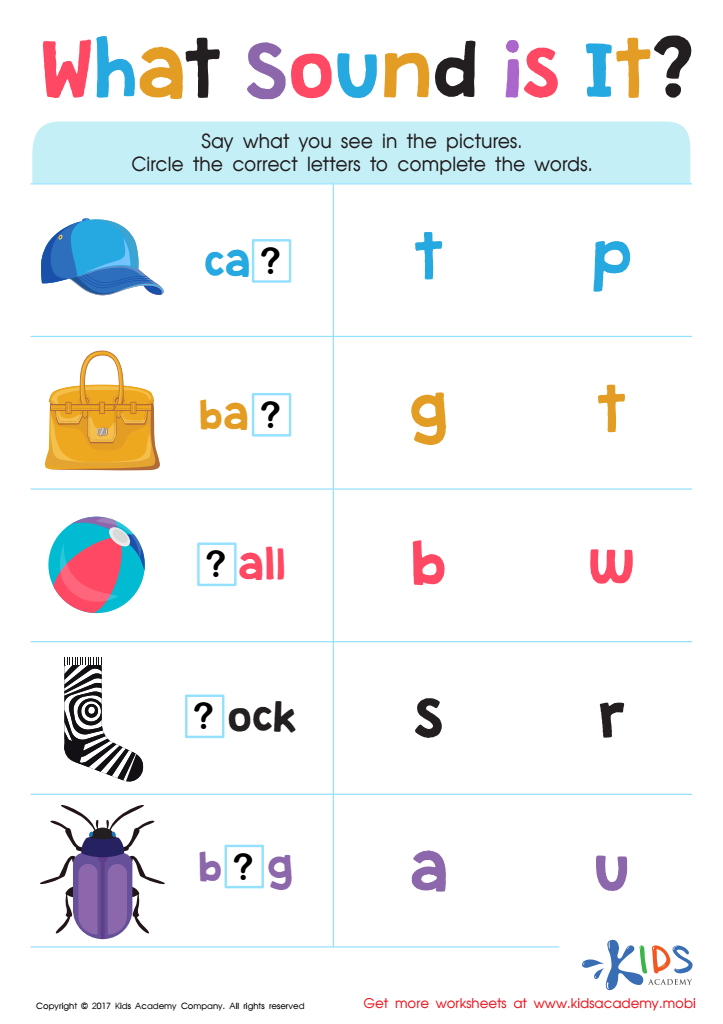
What Sound Is it? Worksheet
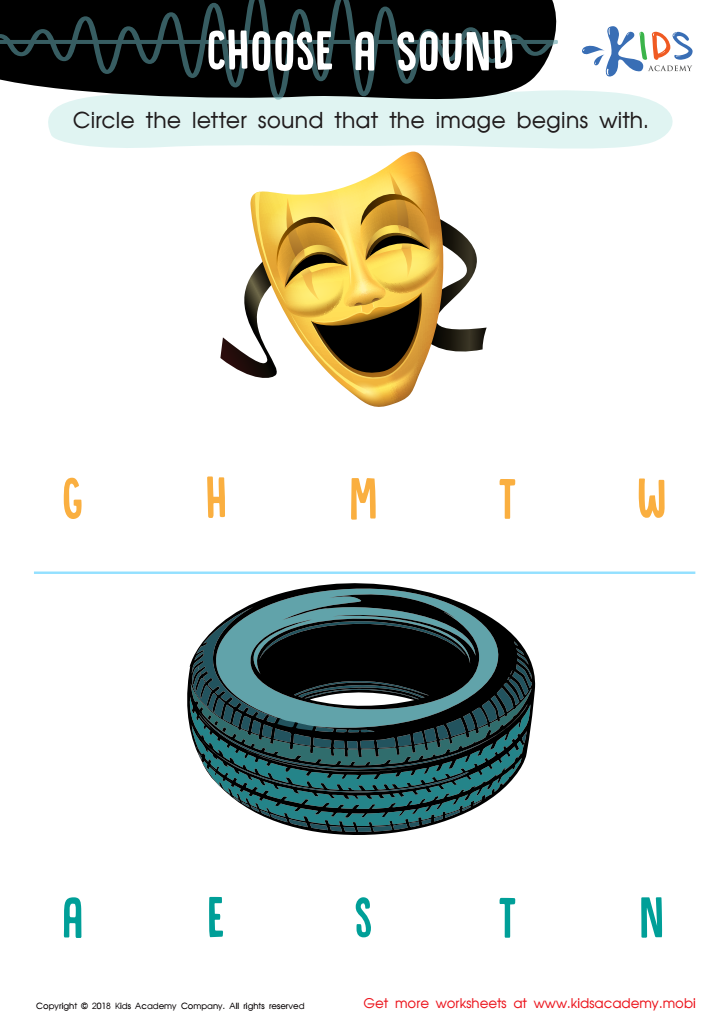
Choose a Sound Worksheet
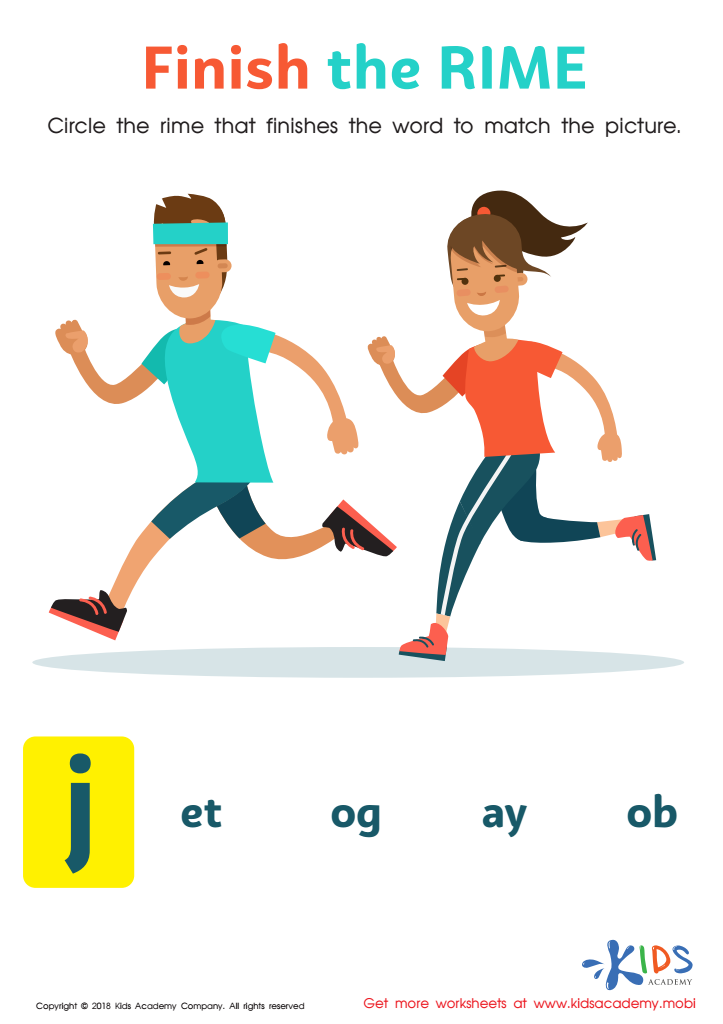
Finish the Rime Worksheet
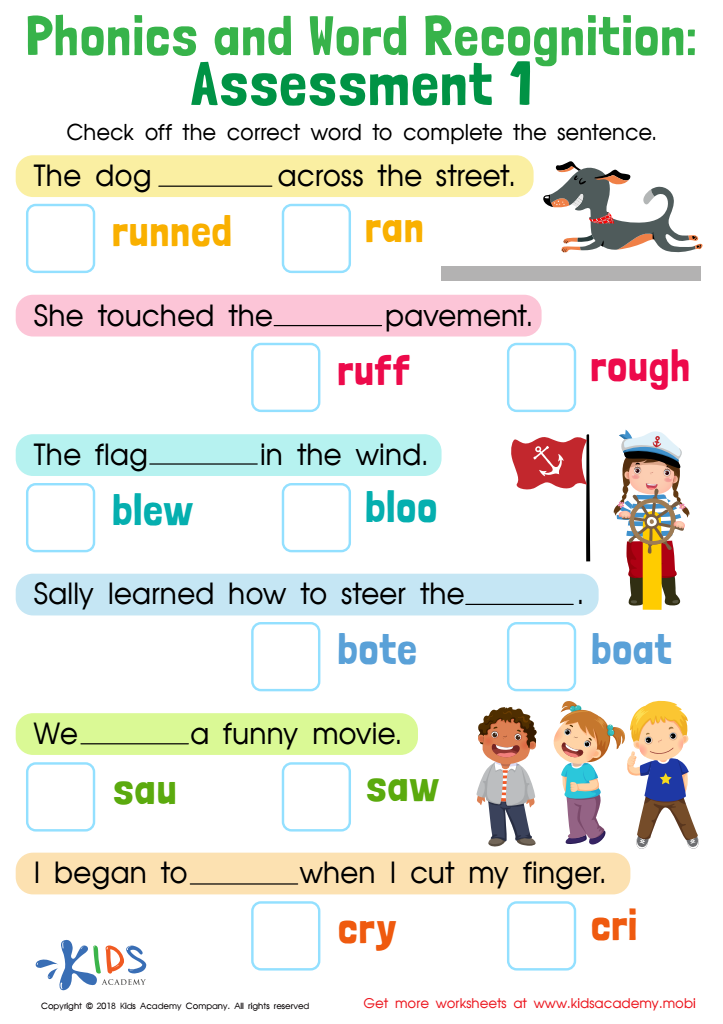
Phonics and Word Recognition: Assessment 1 Worksheet








Phonics recognition is crucial for young learners as it forms the foundation of reading and writing skills. Understanding phonics helps children connect sounds with letters, enabling them to decode words independently—a skill essential for literacy development. Easy Phonics programs, in particular, provide structured and engaging approaches that make learning enjoyable for children, fostering a positive attitude towards reading.
Parents and teachers should care about phonics recognition because it directly impacts a child's academic success and confidence. Children who master phonics can access a wider range of texts, enhancing their comprehension and vocabulary. This ability contributes to stronger communication skills, benefitting them across all subjects and in everyday interactions.
Additionally, early phonics instruction can identify and support children who might struggle with reading, allowing for timely interventions. In a world where literacy is fundamental for navigating life’s information and opportunities, ensuring children grasp phonetic principles equips them for future learning. Ultimately, investing time and resources into Easy Phonics recognition not only nurtures literacy skills but also instills a lifelong love of reading, which is vital for personal growth and lifelong learning. By prioritizing phonics, educators and parents pave the way for their children's academic and social success.