Vocabulary enhancement Easy Kindergarten Phonics Worksheets
6 filtered results
-
From - To
Enhance your kindergarten classroom with our engaging Vocabulary Enhancement Easy Phonics Worksheets, designed to boost young learners' language skills! These user-friendly worksheets focus on reinforcing phonics concepts while expanding vocabulary through fun and interactive activities. Tailored to encourage early literacy, our printable resources help children recognize sounds, letters, and build word recognition, all while cultivating a love for reading. Perfect for both classroom use and at-home practice, these worksheets offer a seamless way to integrate phonics learning with vocabulary enhancement. Make language learning enjoyable and effective with Kid Academy’s thoughtfully crafted phonics worksheets that cater to your child’s developmental needs!
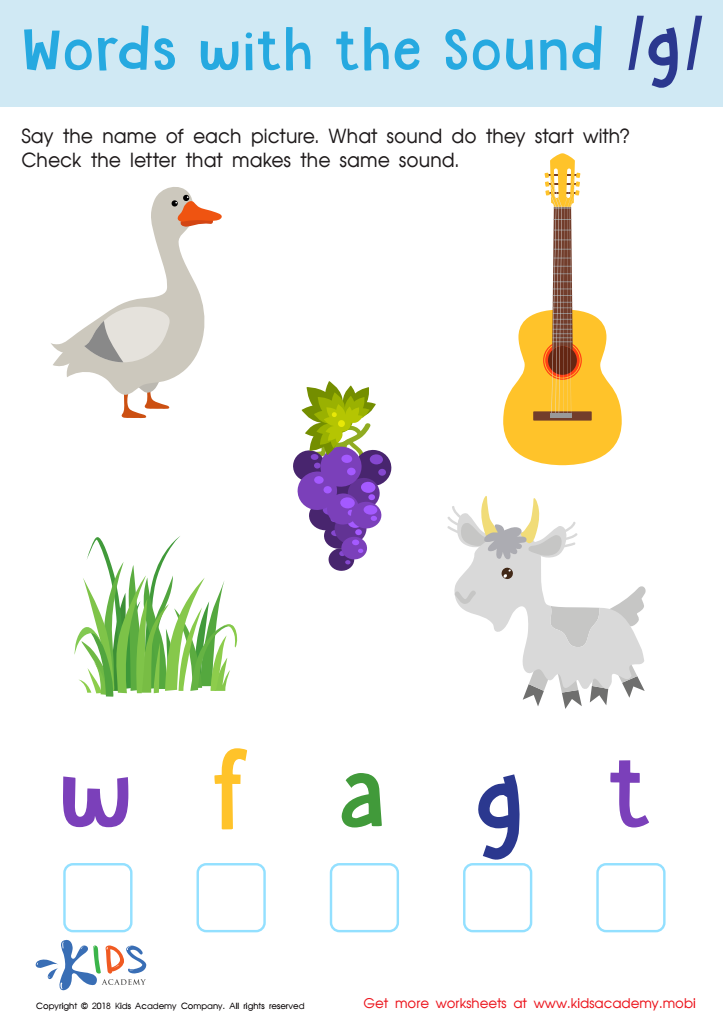
Words with sound g Reading Worksheet
 Assign to My Students
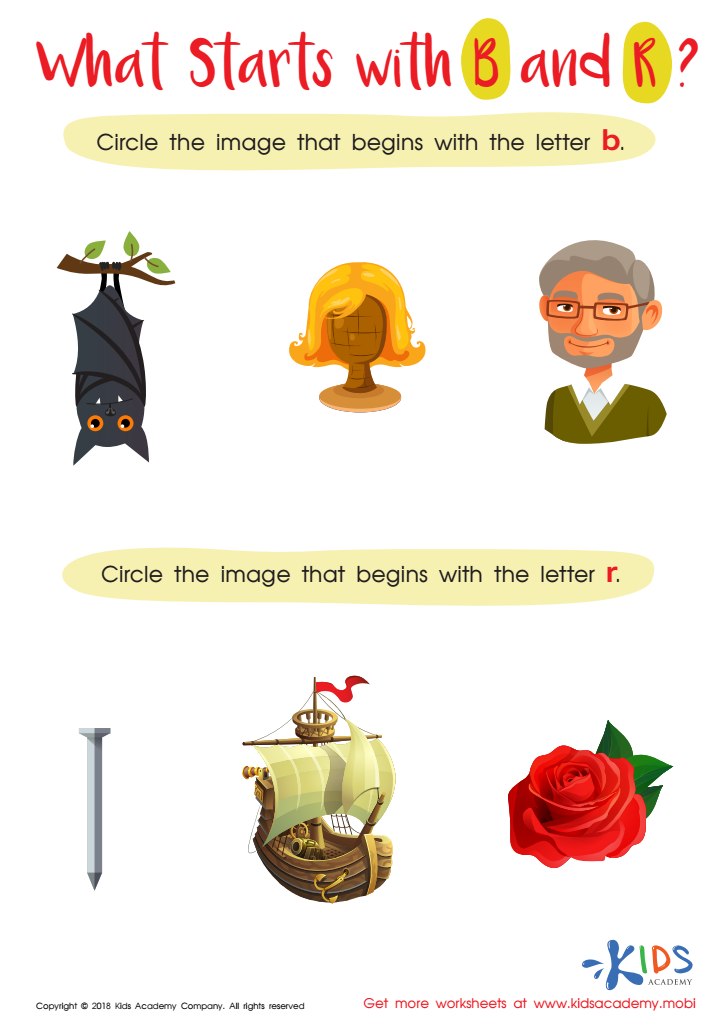
What Starts with B and R? Worksheet
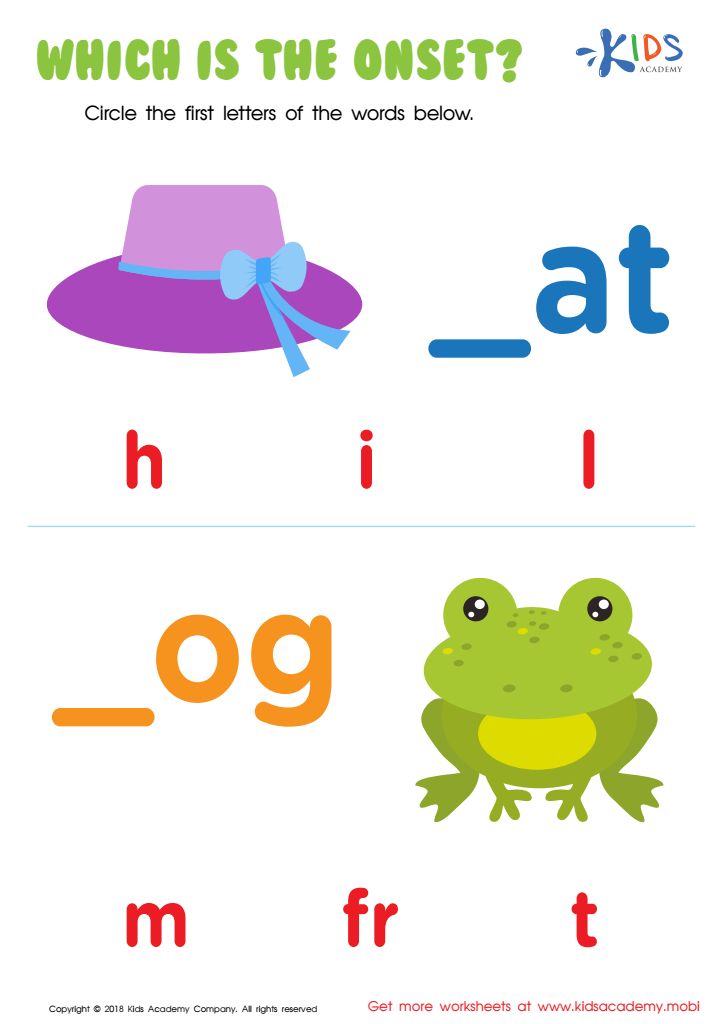
Which Is the Onset? Worksheet
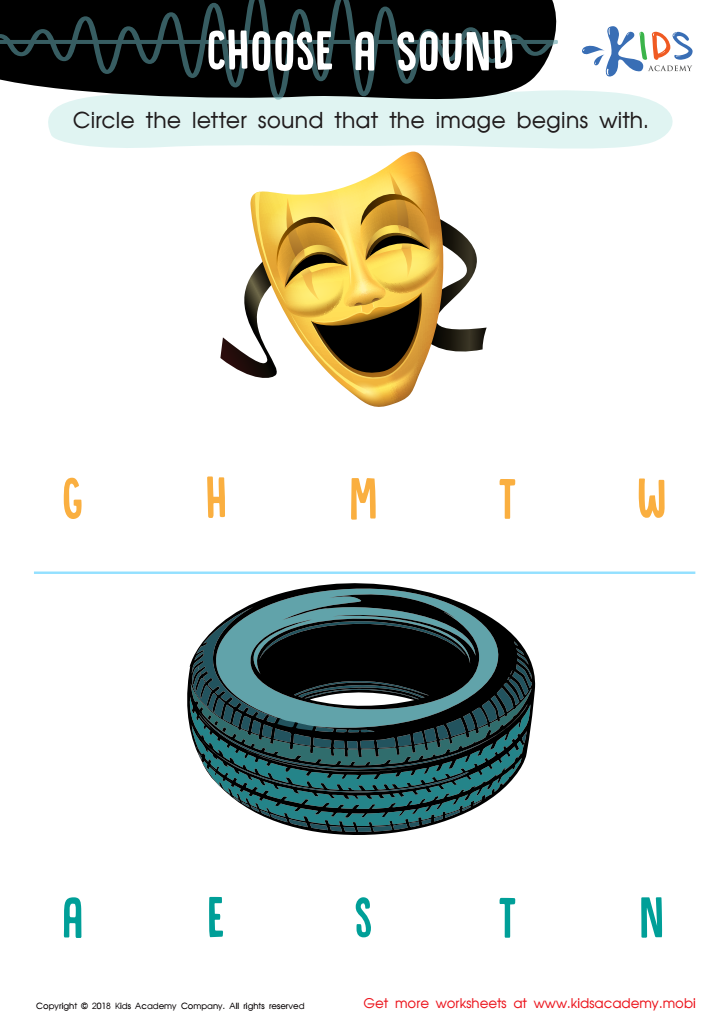
Choose a Sound Worksheet
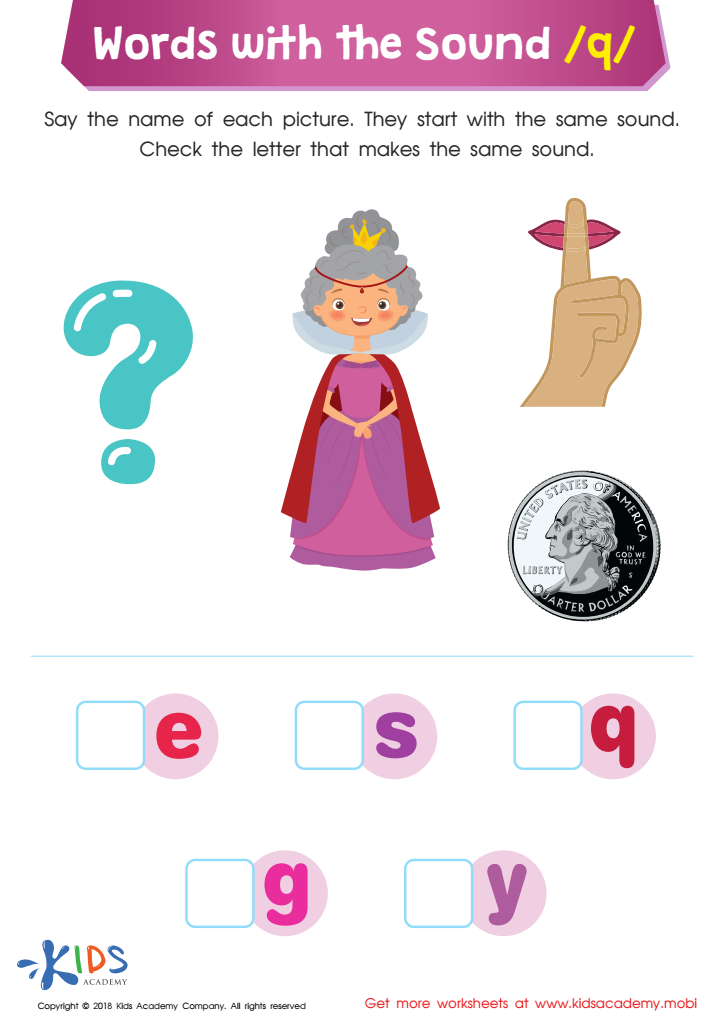
Words with Sound Q Reading Worksheet
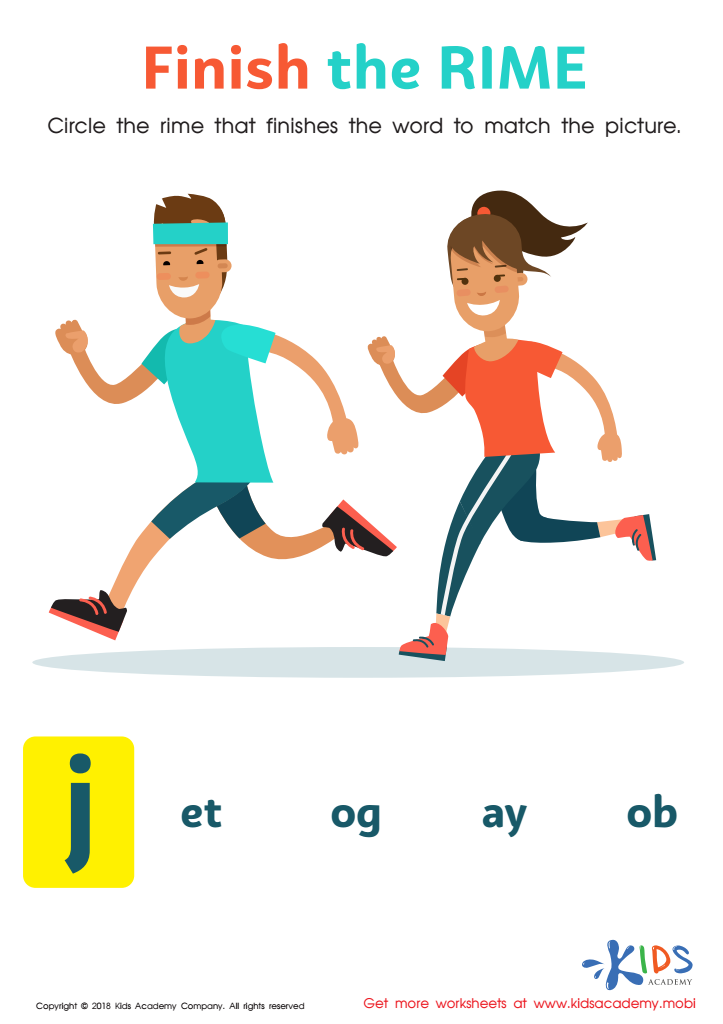
Finish the Rime Worksheet






Parents and teachers should prioritize vocabulary enhancement, especially through initiatives like Easy Kindergarten Phonics, as it lays the foundation for literacy and overall academic success. A strong vocabulary is crucial in early childhood because it not only aids in reading comprehension but also enhances communication skills.
Phonics programs teach children the relationship between letters and sounds, enabling them to decode words independently. The systematic exposure to vocabulary through phonics allows children to recognize, understand, and utilize words effectively in their speech and writing. Additionally, a rich vocabulary status is linked to improved emotional and social development, as children with better language skills can express their thoughts and feelings more clearly and engage confidently in social interactions.
Moreover, a robust vocabulary is crucial for critical thinking and problem-solving skills. Early familiarity with diverse words equips students to tackle complex ideas as they advance in their education. By investing in vocabulary-enriching tools and strategies, parents and teachers help cultivate learners who are not only fluent readers but also articulate communicators prepared for future academic challenges. Ultimately, vocabulary enhancement sets the stage for a lifelong love of learning and enrichment, impacting a child's self-esteem and future opportunities.