Filters

32 filtered results

Clear all filters
Favorites
With answer key
Interactive

32 filtered results

Difficulty Level

Grade


Check out this FREE Kindergarten Trial Lesson on Math!

Exactly the Same, or Not

Favorites
With answer key
Interactive
  • Kindergarten
  • Fine Motor Skills
  • Math
  • Easy
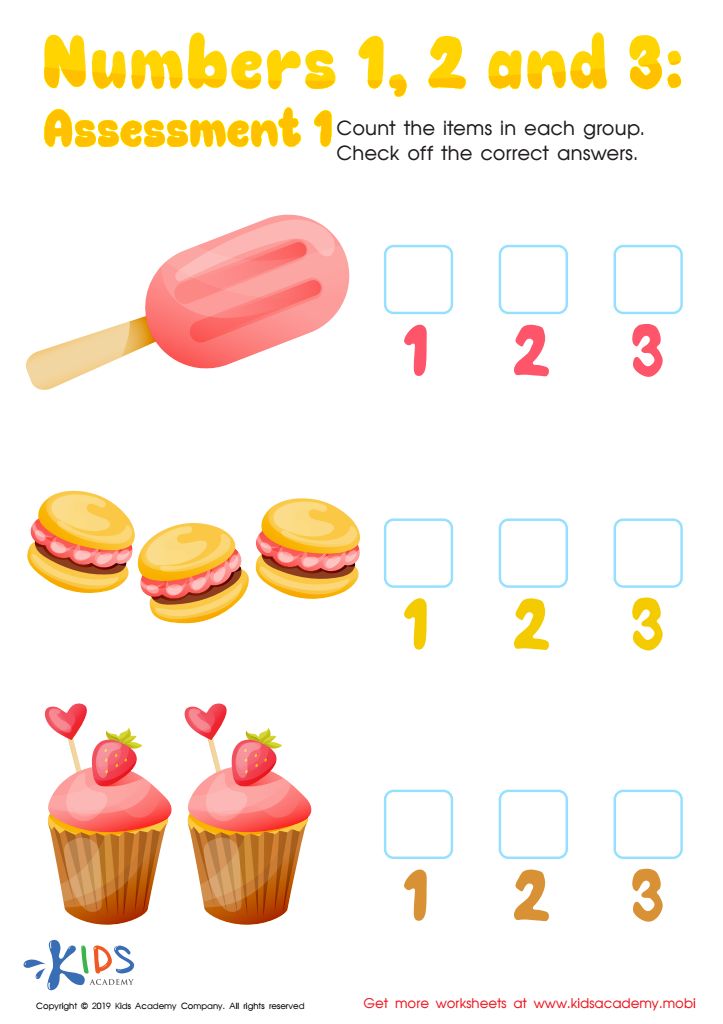
Numbers 1, 2 and 3: Assessment 1 Worksheet

Numbers 1, 2 and 3: Assessment 1 Worksheet

This bright and colorful numbers assessment worksheet is a great way to assess your child's numeracy skills. It provides a sweet treat for them, and helps them recognise 1, 2 or 3 objects. One-to-one representation is key for foundational math skills, and this PDF helps your child build these essential skills.
Numbers 1, 2 and 3: Assessment 1 Worksheet
Worksheet
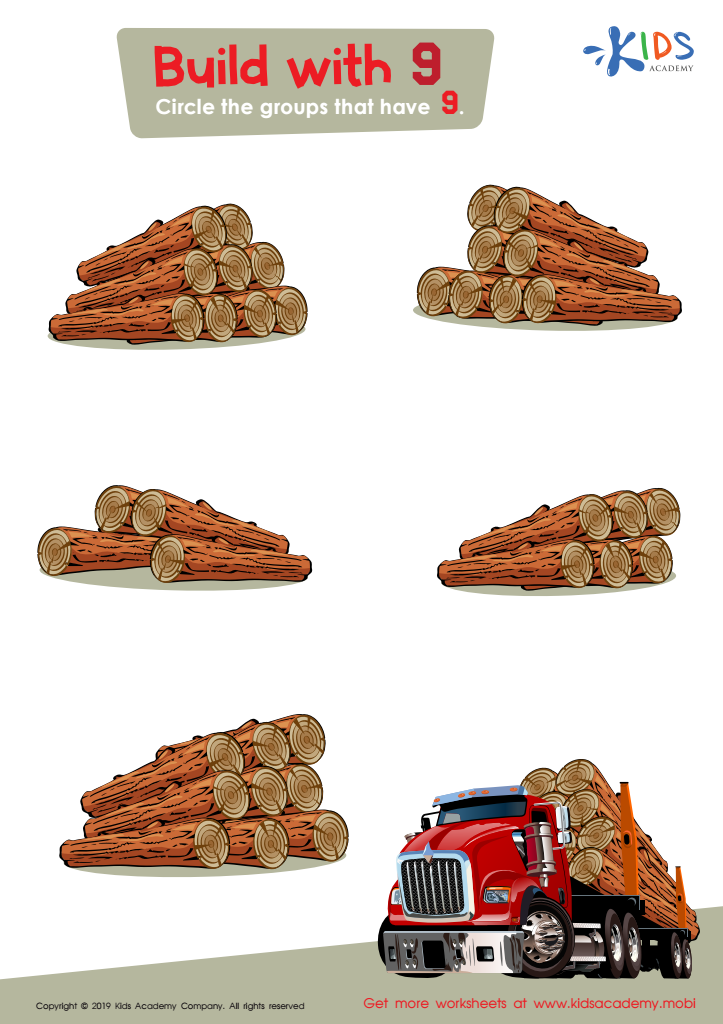
Build with 9 Worksheet

Build with 9 Worksheet

Your students' learning journey can be challenging, but ultimately rewarding. This worksheet helps them practice counting: count the logs in all the groups and circle those with 9 logs.
Build with 9 Worksheet
Worksheet
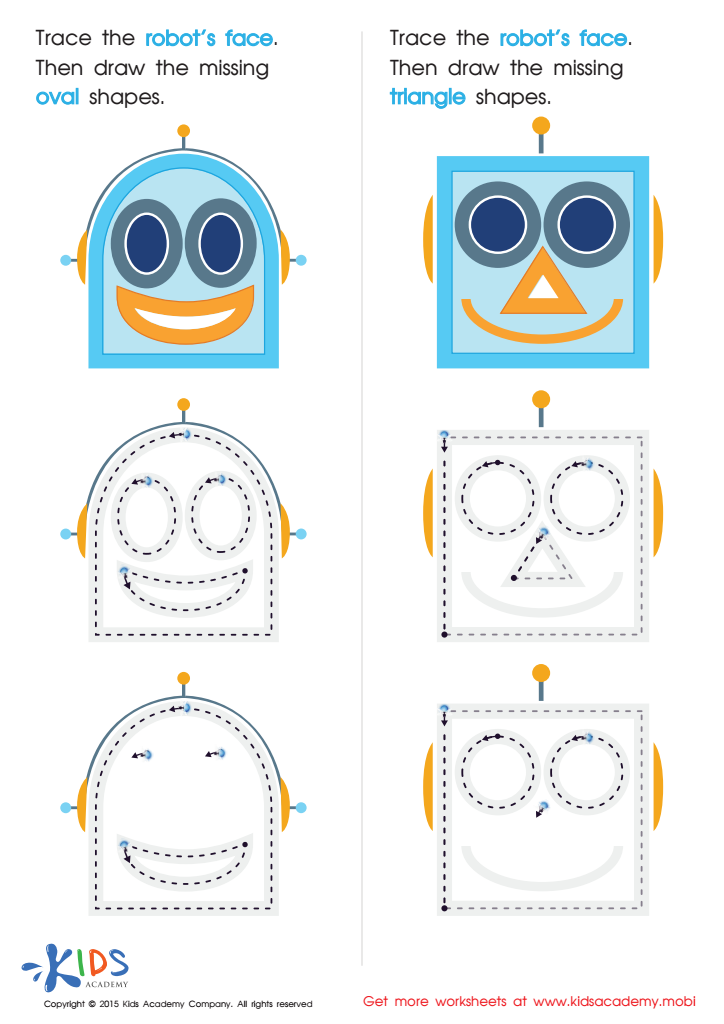
Geometric Shapes for Kids: Drawing Ovals And Triangles with Fun

Drawing Ovals And Triangles with Fun Printable
Trace the face and draw missing ovals and triangles. Test your memory and recall shapes' names. Check if you remember how to draw them!
Drawing Ovals And Triangles with Fun Printable
Worksheet
Dot to Dot Worksheets 11 to 20

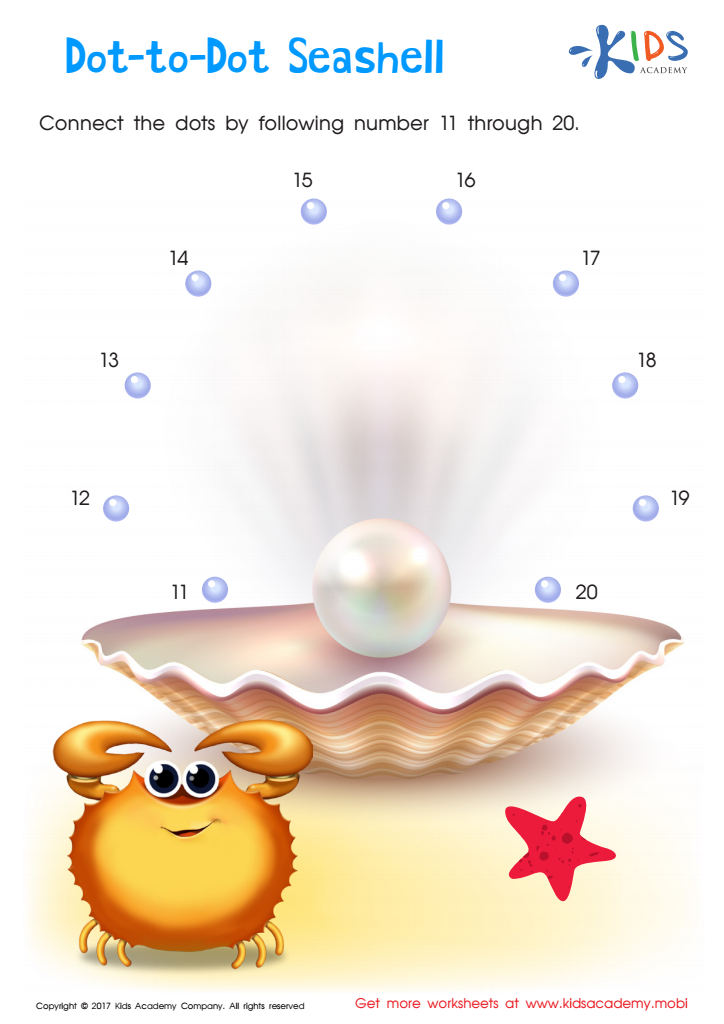
Ordering 11–20: Dot–to–dot Seashell Printable
Connecting the dots 11 to 20 is rewarding for kids, helping them practice counting, identifying numbers and gain cognitive and logical skills. Our worksheet features a vibrant image of a seashell, crab and sea star, and your child will feel rewarded creating it while honing their counting skills!
Ordering 11–20: Dot–to–dot Seashell Printable
Worksheet
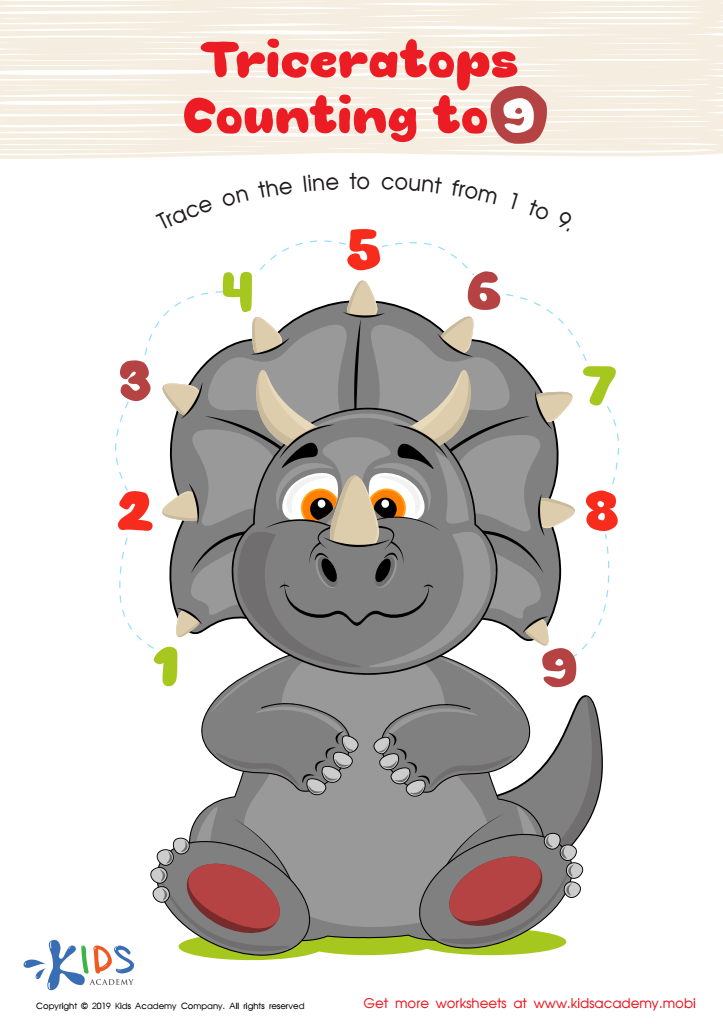
Triceratops Counting to 9 Worksheet

Triceratops Counting to 9 Worksheet

This little triceratops is here to help kids learn to count! Dinosaurs lived long before us and we've never seen one alive, but through research, we know a lot about them. Let the dinosaur help trace on the line from 1 to 9 for a fun counting practice.
Triceratops Counting to 9 Worksheet
Worksheet
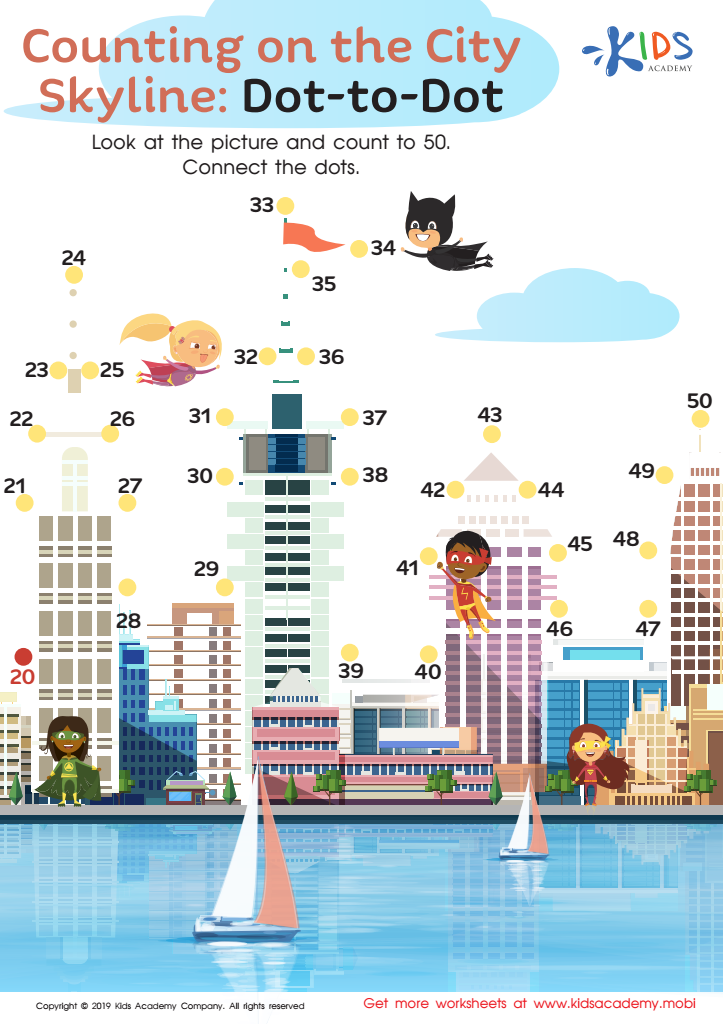
Counting on the City Skyline: Dot-to-Dot Worksheet

Counting on the City Skyline: Dot-to-Dot Worksheet

Kids will love connecting the dots to make a superhero skyline! They'll reinforce their number line thinking and number sense while building fine-motor skills. Watch them beam with pride as the cityscape reveals itself, all thanks to some math practice.
Counting on the City Skyline: Dot-to-Dot Worksheet
Worksheet
Counting Big City Buildings Worksheet


Counting Big City Buildings Worksheet

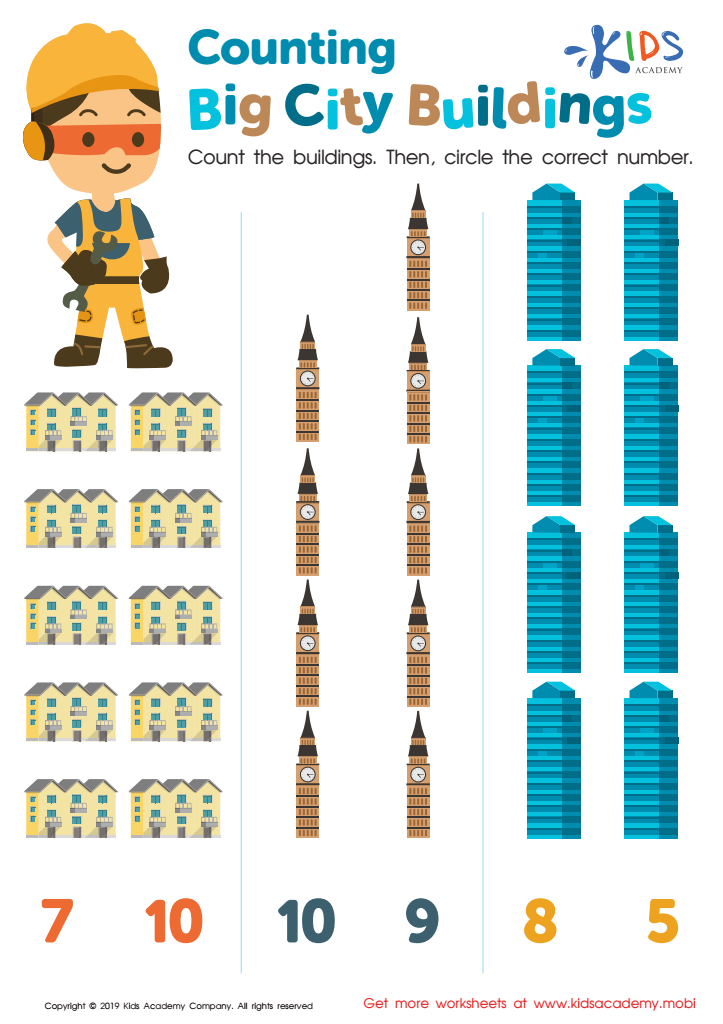
Test your child's counting skills! Ask them to count as high as they can and use the worksheet to brush up on any areas that need improvement. There are 3 sets of buildings in the picture; help your kids count them and circle the correct number. Mastering the art of counting is essential for advancing in math and solving equations, so take this opportunity to ensure your kids are ready!
Counting Big City Buildings Worksheet
Worksheet
Night Sky Numbers Worksheet


Night Sky Numbers Worksheet

Help your child develop their writing skills with this fun PDF worksheet! Using guiding stars, it teaches them the correct patterns for numbers 1, 2 and 3. They'll have a great time tracing their way from the top and will feel a sense of achievement when they finish.
Night Sky Numbers Worksheet
Worksheet


Fine motor skills are the small muscle movements in the hands and fingers crucial for performing everyday tasks like writing, buttoning a shirt, and using scissors. In kindergarten, these skills become particularly important when children begin learning basic math concepts. Fine motor skills directly impact a student's ability to manipulate objects like counting beads, sort shapes, and write numbers, making the acquisition of early math skills both practical and engaging.

Parents and teachers should prioritize fine motor skills in early education for several reasons. First, mastering these skills lays the foundation for handwriting proficiency, enabling children to record and solve math problems efficiently. Second, activities that enhance fine motor skills, such as drawing or building with blocks, inherently involve mathematical thinking — understanding spatial relationships, properties of shapes, and basic arithmetic.

Well-developed fine motor skills facilitate better focus and longer attention spans during tasks, leading to improved overall academic performance. Additionally, children who can efficiently use their hands for tasks are more confident and independent learners. By integrating fine motor skills into kindergarten math activities, parents and teachers can support holistic development, ensuring children are better equipped for future academic challenges. This dual focus also makes learning more interactive and enjoyable, fostering a positive attitude toward education from an early age.