Hand-eye Coordination Easy Kindergarten Numbers up to 100 Worksheets
3 filtered results
-
From - To
Discover our "Hand-eye Coordination Easy Kindergarten Numbers up to 100 Worksheets," designed to enhance your child's motor skills and number recognition in a fun, engaging way! Tailored for young learners, these worksheets combine essential math concepts with interactive activities, promoting hand-eye coordination through tracing, counting, and matching exercises. Each worksheet is bright and colorful, capturing children's attention while they develop critical thinking skills. Perfect for classroom use or at-home learning, our resources make mathematics a playful adventure. Help your child build a strong foundation in numbers while improving their coordination—download the worksheets today and watch them thrive!
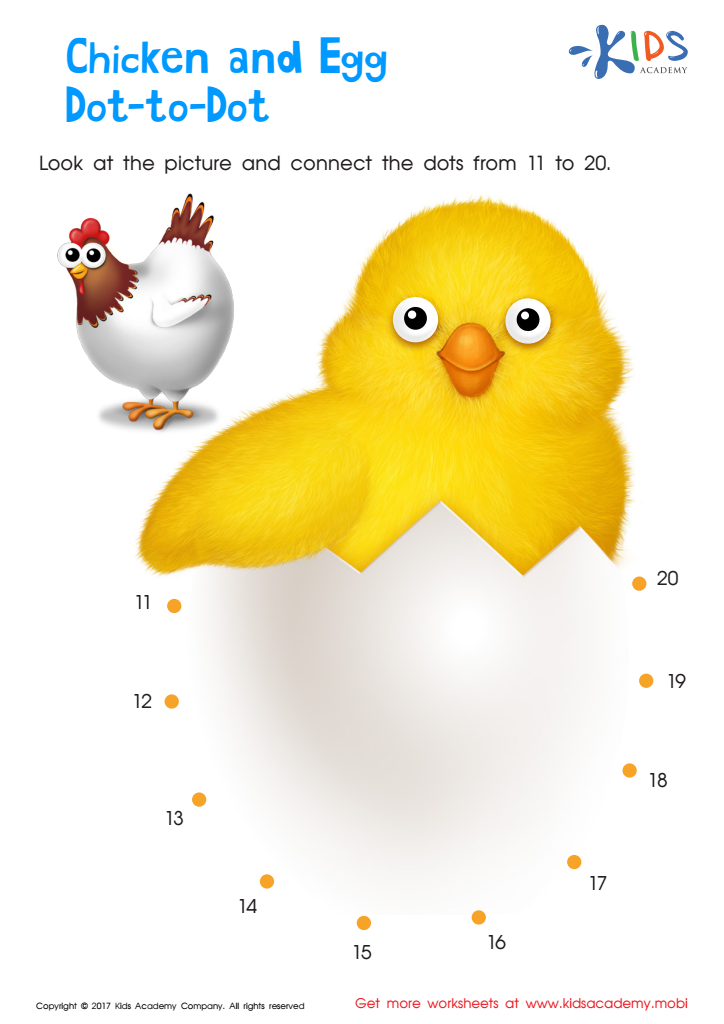
Ordering 11–20: Chicken & Egg Dot–to–dot Worksheet
 Assign to My Students
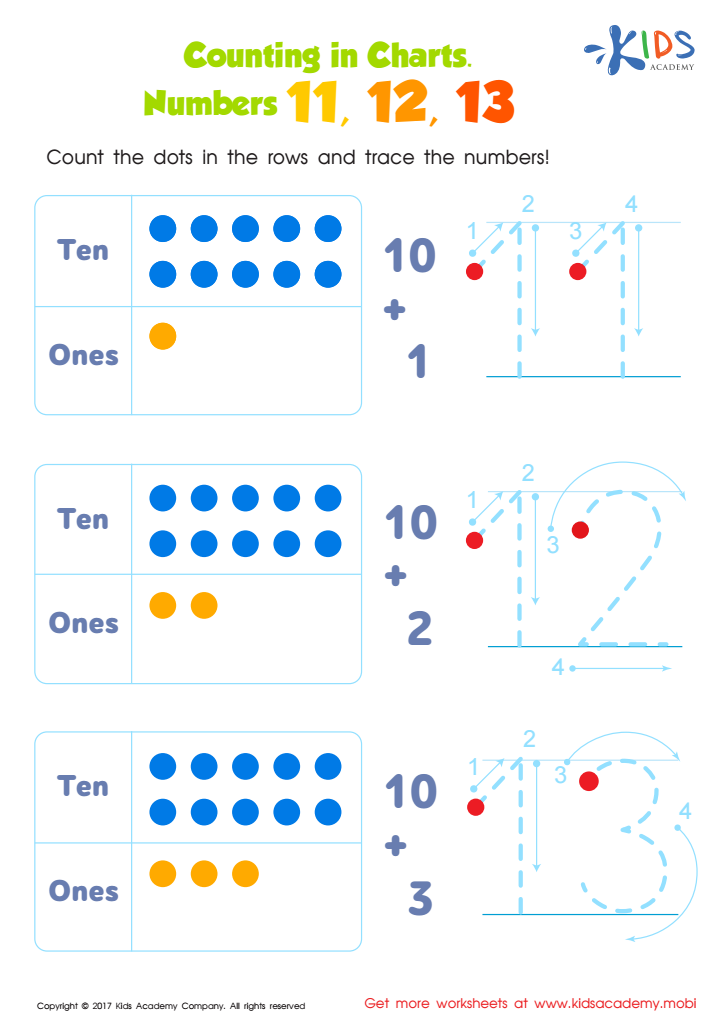
Number Tracing Worksheet For Kindergarten
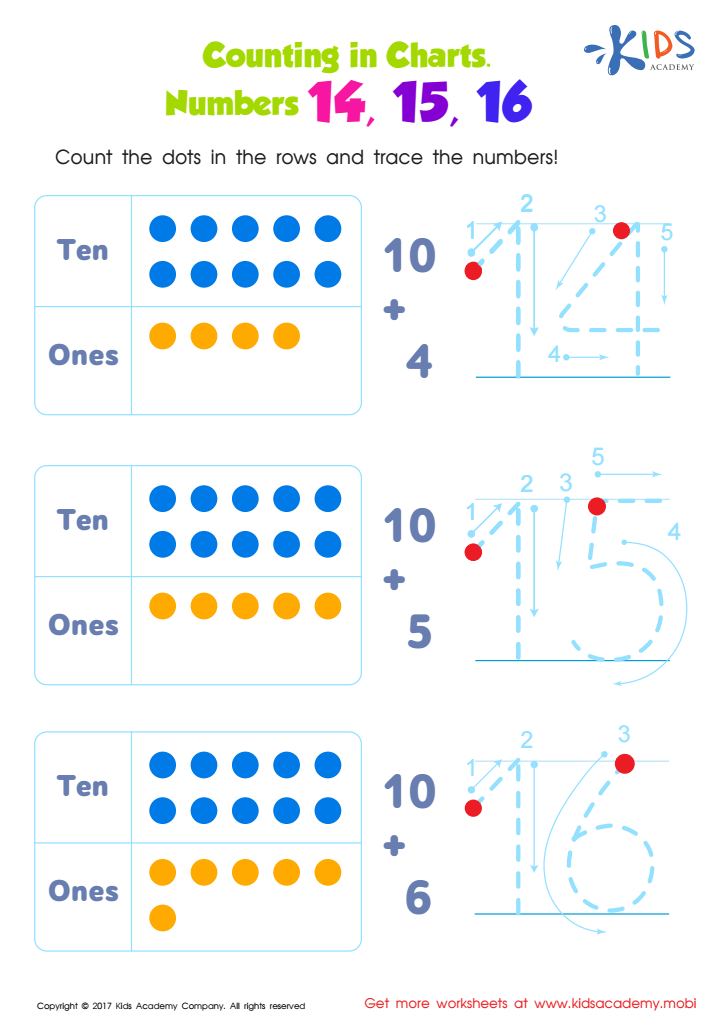
Number Tracing Worksheet



%20(1).jpg)


Hand-eye coordination is a crucial developmental skill for children, especially in kindergarten. It refers to the ability to synchronize visual input with motor actions, allowing kids to perform tasks that require precise movements, such as writing, drawing, and using scissors. In the context of learning numbers up to 100, developing this skill becomes essential for several reasons.
First, strong hand-eye coordination aids in the accurate formation of numbers and letters, which is foundational for writing and literacy. Children with better coordination are usually able to write more clearly and efficiently, leading to improved confidence in their academic pursuits. Second, engaging with numbers through activities like counting objects or grouping numbers combines physical movement with cognitive processes, fostering interactive learning experiences.
Additionally, tasks that require hand-eye coordination, such as playing educational games and performing numerical activities, can significantly enhance focus and concentration, crucial skills for classroom learning. Lastly, investing time in these activities can lead to better social skills, as children learn to engage collaboratively during play. Therefore, parents and teachers should prioritize fostering hand-eye coordination alongside numerical understanding, as it supports broader cognitive and social development in young learners.