Fine Motor Skills Easy Addition & Subtraction Worksheets
6 filtered results
-
From - To
Introducing our "Fine Motor Skills Easy Addition & Subtraction Worksheets," designed specifically for young learners to practice math while enhancing their fine motor skills. These engaging, printable worksheets incorporate colorful illustrations and simple math problems, making learning fun and interactive! As children trace, cut, and manipulate various elements, they develop essential hand-eye coordination and dexterity, all while mastering the basics of addition and subtraction. Ideal for preschool and early grade classrooms or at-home learning, our worksheets provide a hands-on approach to nurturing mathematical understanding. Encourage your child's growth with our thoughtfully crafted resources that combine fine motor practice with foundational math skills!
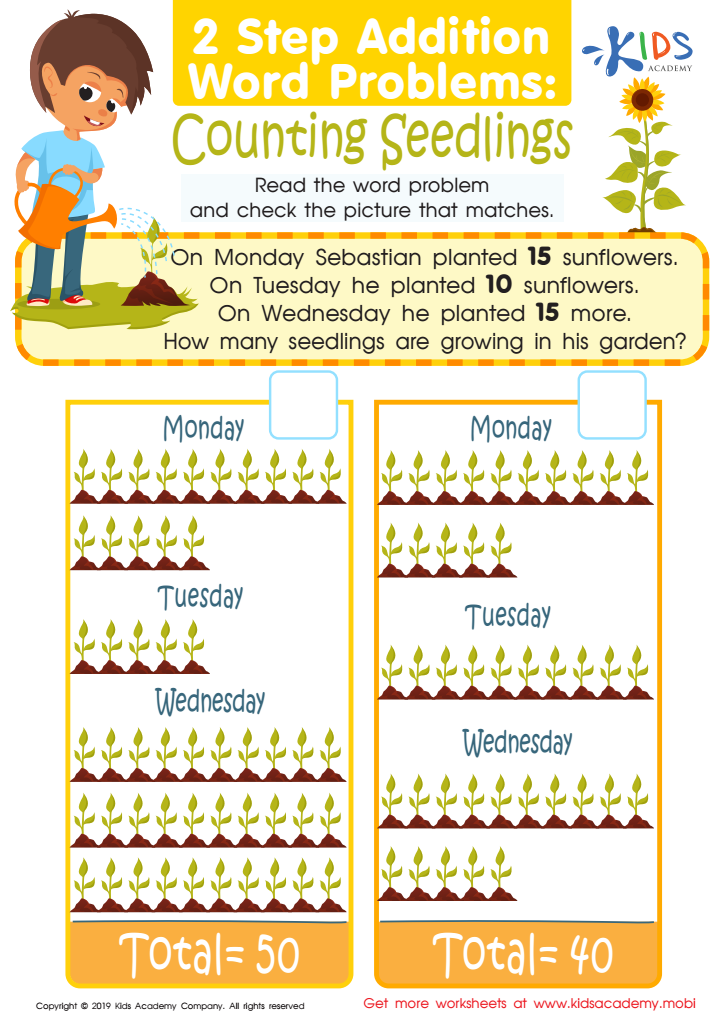
Counting Seedlings Worksheet
 Assign to My Students
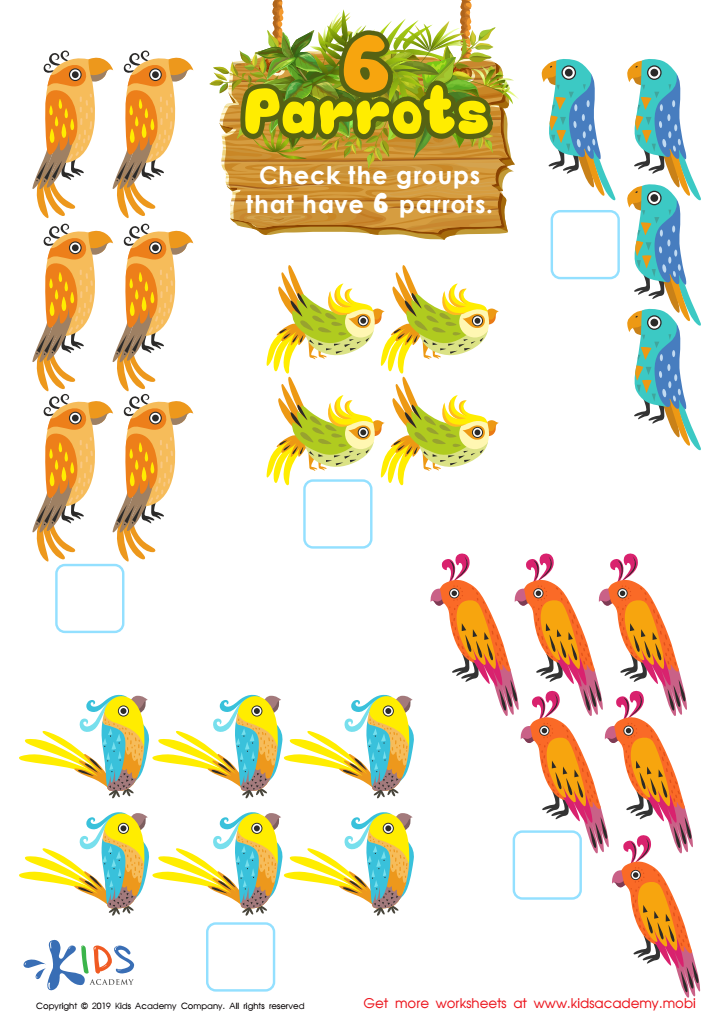
6 Parrots Worksheet
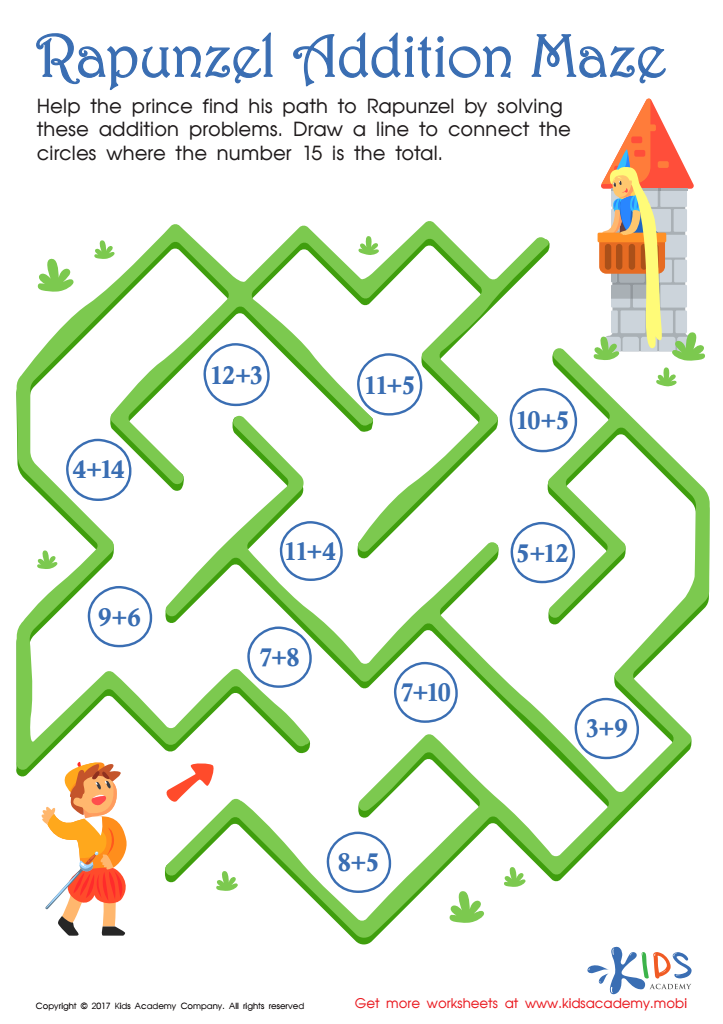
Rapunzel Addition Maze Worksheet
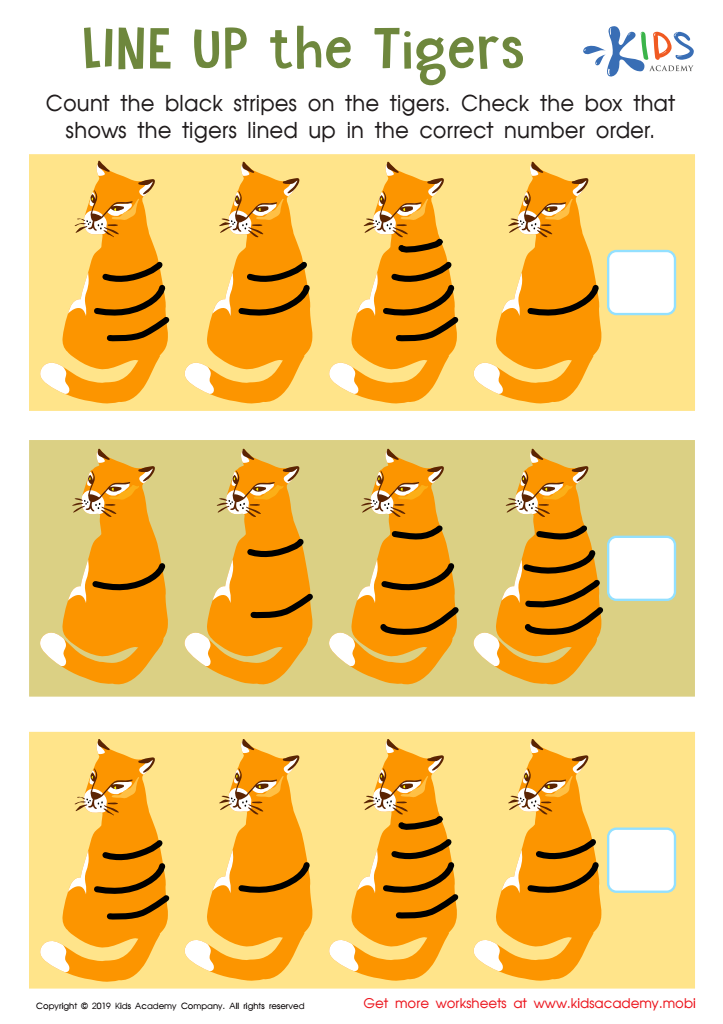
Line up the Tigers Worksheet
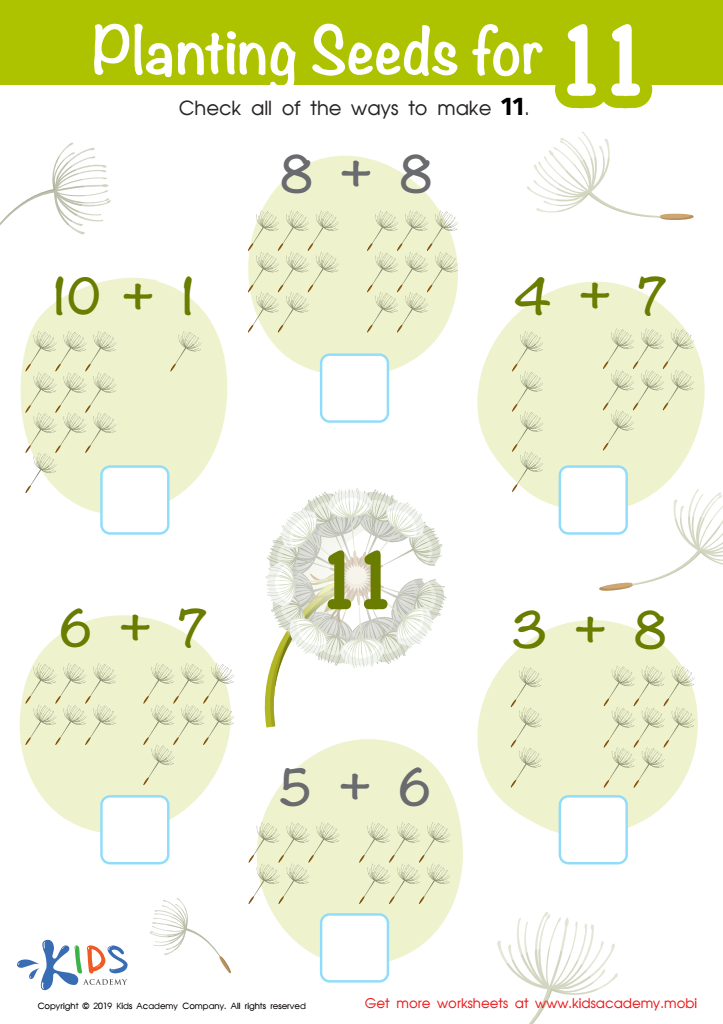
Planting Seeds for 11 Worksheet
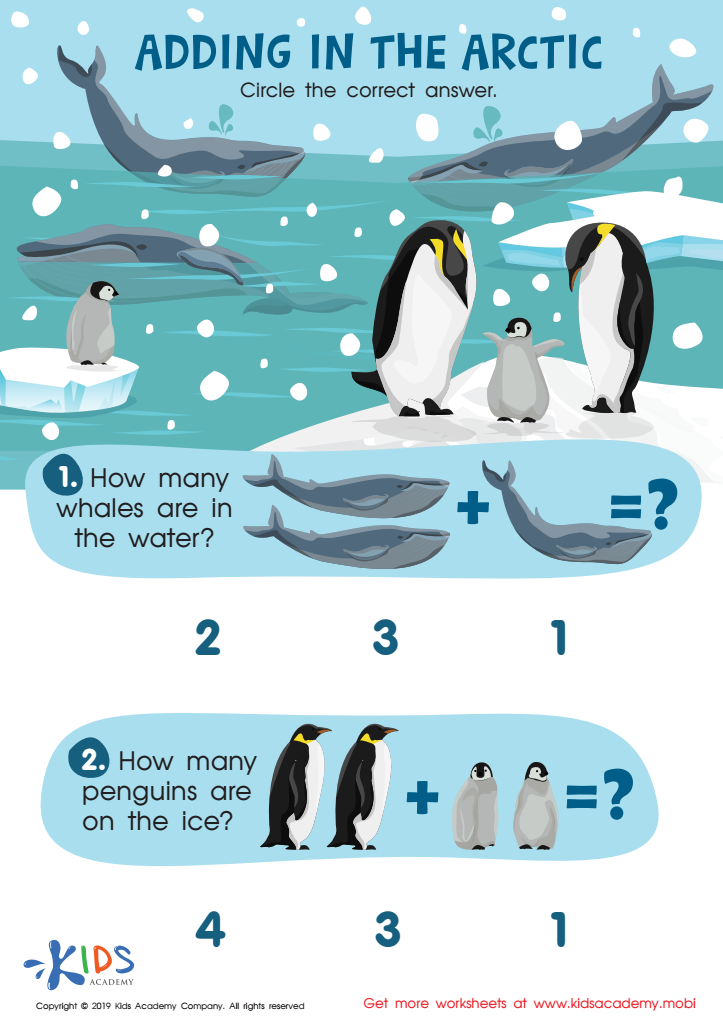
Adding in the Arctic Worksheet








Fine motor skills are essential for children's overall development, particularly in early education. They refer to the coordination of small muscles in the hands and fingers, enabling children to engage in various tasks such as writing, using utensils, and crafting. When focusing on easy addition and subtraction, parents and teachers should understand that these skills play a vital role in mathematical understanding.
As children manipulate objects, create patterns, or write numbers, they concurrently develop fine motor skills alongside cognitive abilities. Activities like counting with small beads or drawing shapes reinforce hand-eye coordination and dexterity while reinforcing foundational mathematical concepts. These skills not only enhance children's ability to perform basic calculations but also build the necessary confidence to tackle more complex math problems later in life.
Furthermore, recognizing and promoting improvement in fine motor skills through engaging math activities supports deeper learning. It fosters a love for mathematics and encourages creative problem-solving. Ultimately, nurturing these skills ensures children enjoy a comprehensive educational experience, leading to greater success in school and beyond. Therefore, parents and teachers play a crucial role in creating opportunities that engage children in fun, hands-on learning experiences.








