Shape Recognition Easy Numbers Worksheets
3 filtered results
-
From - To
Enhance your child's learning experience with our "Shape Recognition Easy Numbers Worksheets." Designed for early learners, these engaging worksheets seamlessly integrate shape recognition with number learning for a holistic educational approach. Perfect for preschool and kindergarten, they encourage kids to identify various shapes while reinforcing their understanding of numbers through fun activities. Each worksheet is thoughtfully crafted with vibrant visuals and interactive tasks, making learning enjoyable and effective. Help your child build a strong foundation in math and geometry while developing critical thinking and fine motor skills. Download our worksheets today and watch your little ones thrive in their early math journey!
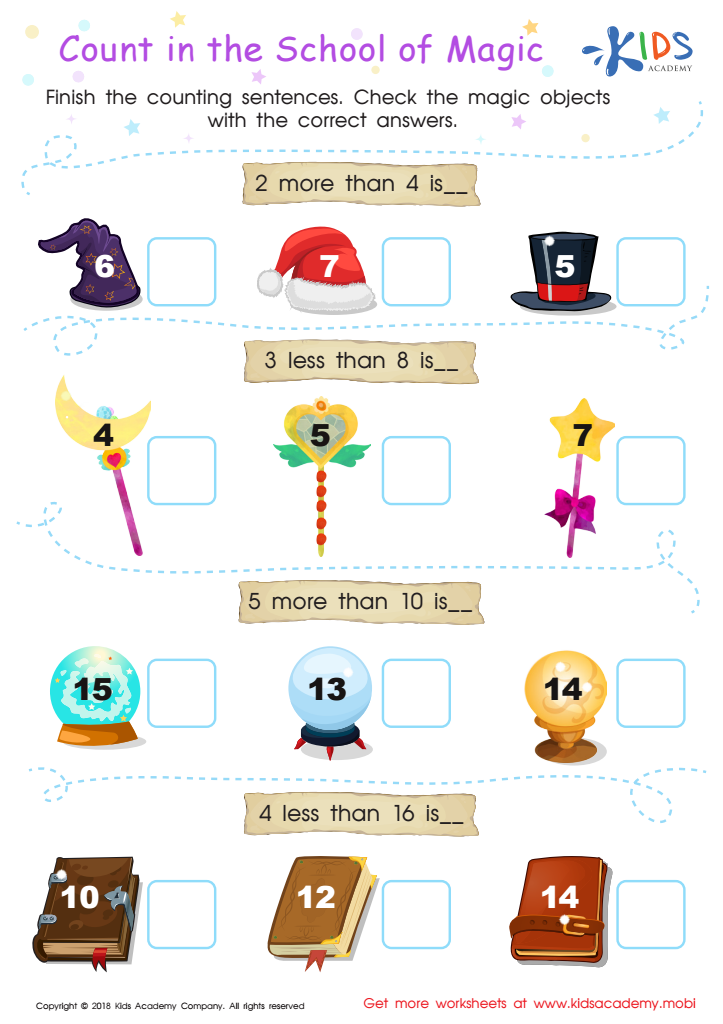
Count in the School of Magic Worksheet
 Assign to My Students
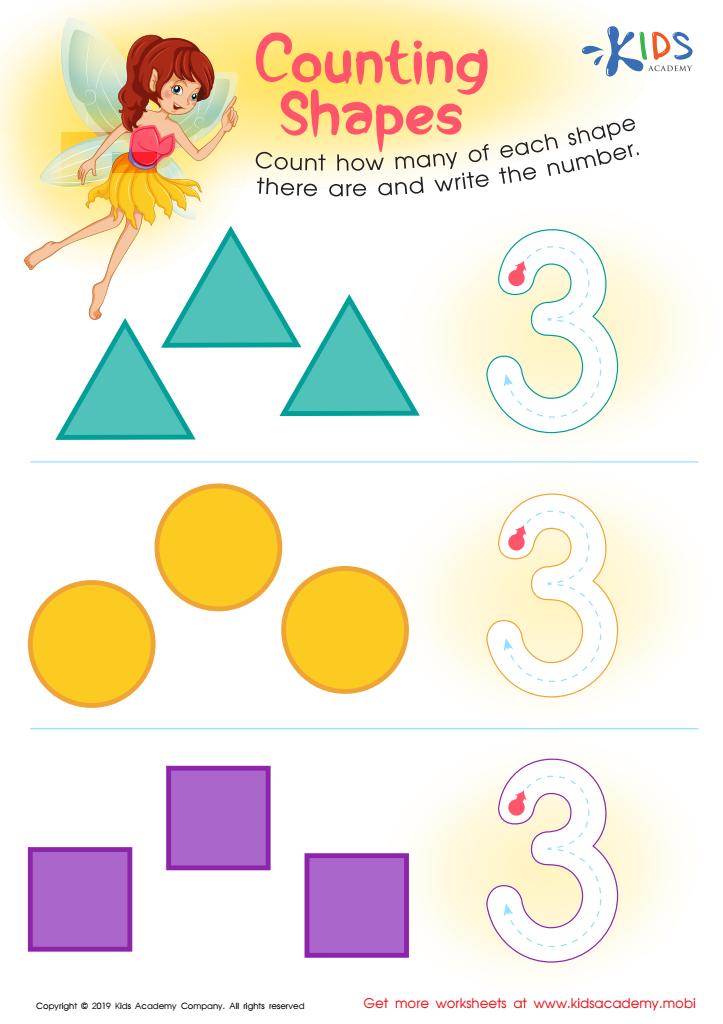
Counting Shapes Worksheet
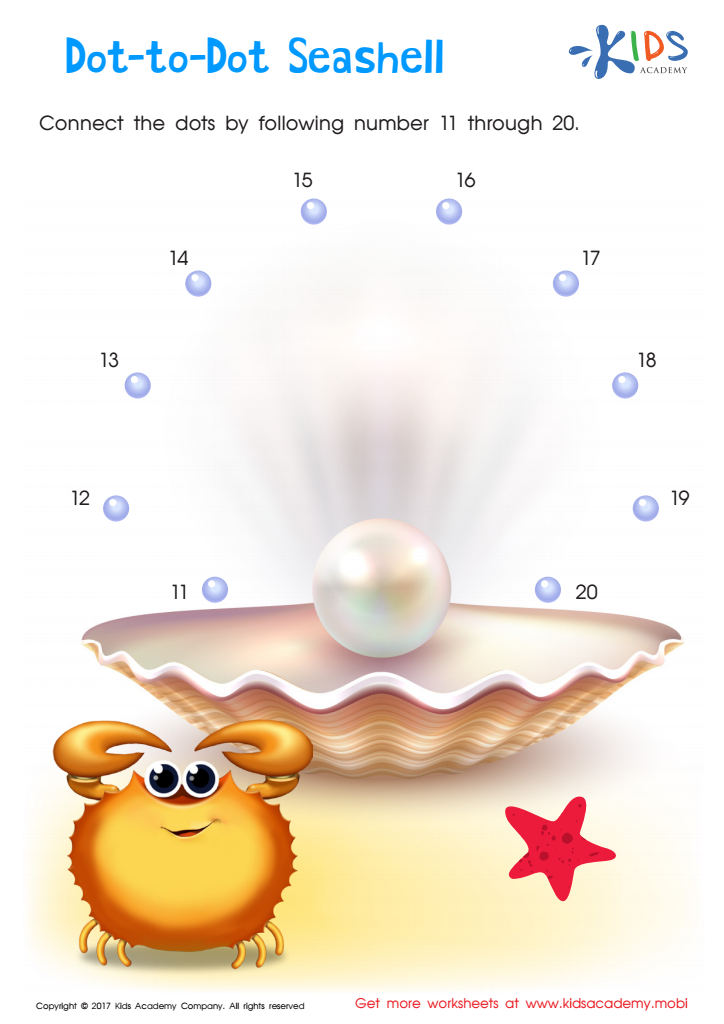
Ordering 11–20: Dot–to–dot Seashell Printable







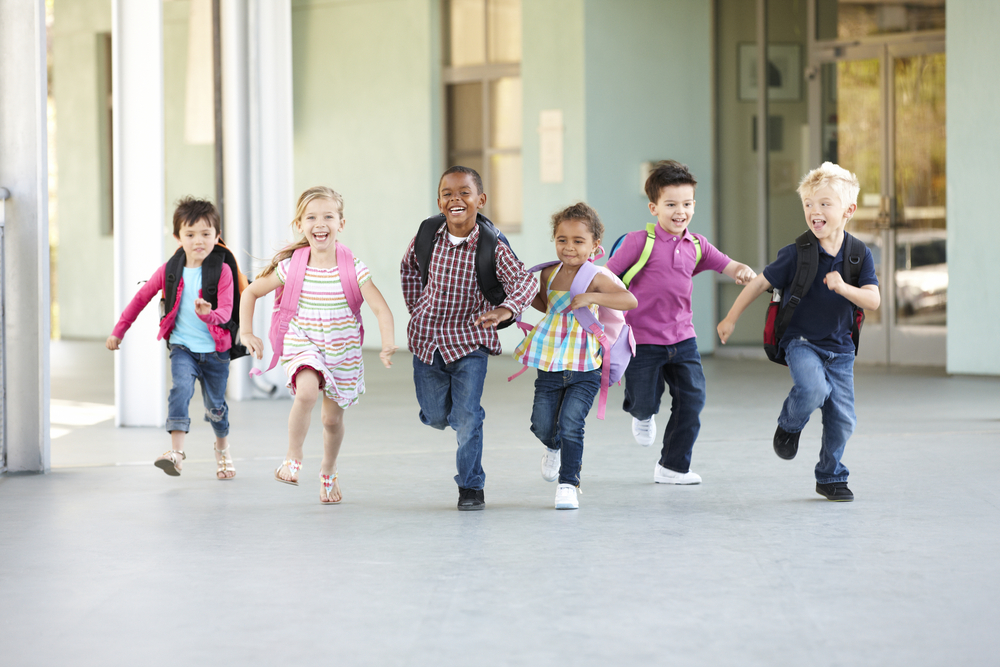
Shape recognition and understanding easy numbers are fundamental skills for young learners, forming the foundation for many essential educational concepts. Parents and teachers should care about these skills because they directly influence a child's overall cognitive development and mathematical understanding.
Firstly, shape recognition enhances spatial awareness and critical thinking. By learning to identify and differentiate between shapes, children develop the ability to visualize and manipulate objects in their minds, which is crucial for problem-solving in both mathematics and daily life.
Secondly, mastering easy numbers introduces basic mathematical concepts such as counting, addition, and subtraction. Recognizing numbers lays the groundwork for more complex arithmetic and helps children develop number sense—the understanding of how numbers relate to each other. This early exposure is key for building confidence in math as they progress through school.
Additionally, incorporating shape and number recognition into playful activities fosters a love for learning. Engaging parents and caregivers create valuable learning opportunities at home, enhancing the effectiveness of formal education. Ultimately, emphasizing these early skills prepares children not only for future academic success but for critical life skills, ensuring they are equipped to navigate a world that increasingly relies on mathematical and spatial reasoning.








