Understanding sequencing Easy Numbers 0–10 Worksheets
3 filtered results
-
From - To
Discover our "Understanding Sequencing Easy Numbers 0–10 Worksheets" designed to enhance your child's numerical skills with engaging activities. These worksheets provide a fun and interactive way to help young learners grasp the concept of sequencing numbers from 0 to 10. By completing various exercises, children will improve their counting abilities and develop a solid foundation in mathematics. Ideal for early grade classrooms or homeschooling, these vibrant and visually appealing worksheets keep kids motivated while reinforcing essential math skills. Explore our resources to support your child's learning journey and build confidence in understanding sequencing!
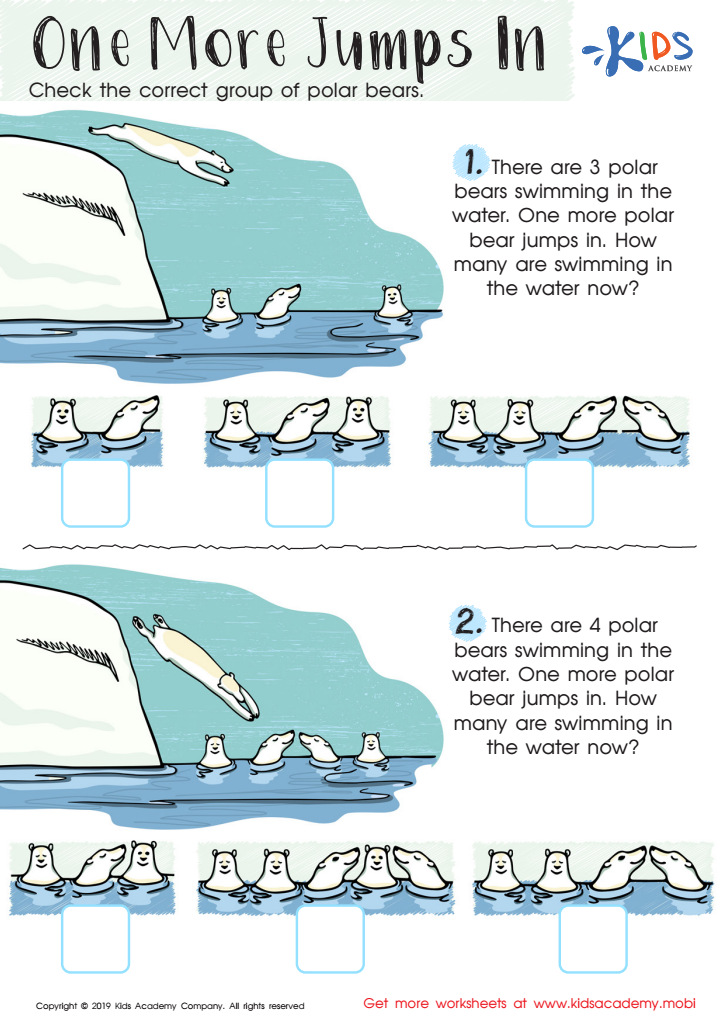
One More Jumps In Worksheet
 Assign to My Students
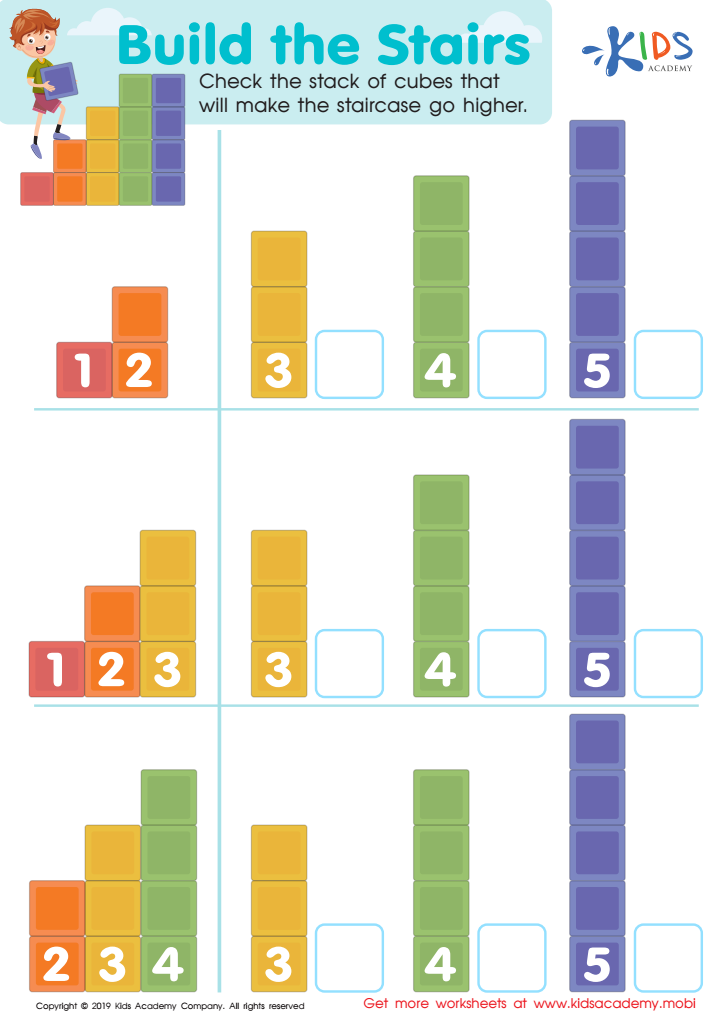
Build the Stairs Worksheet
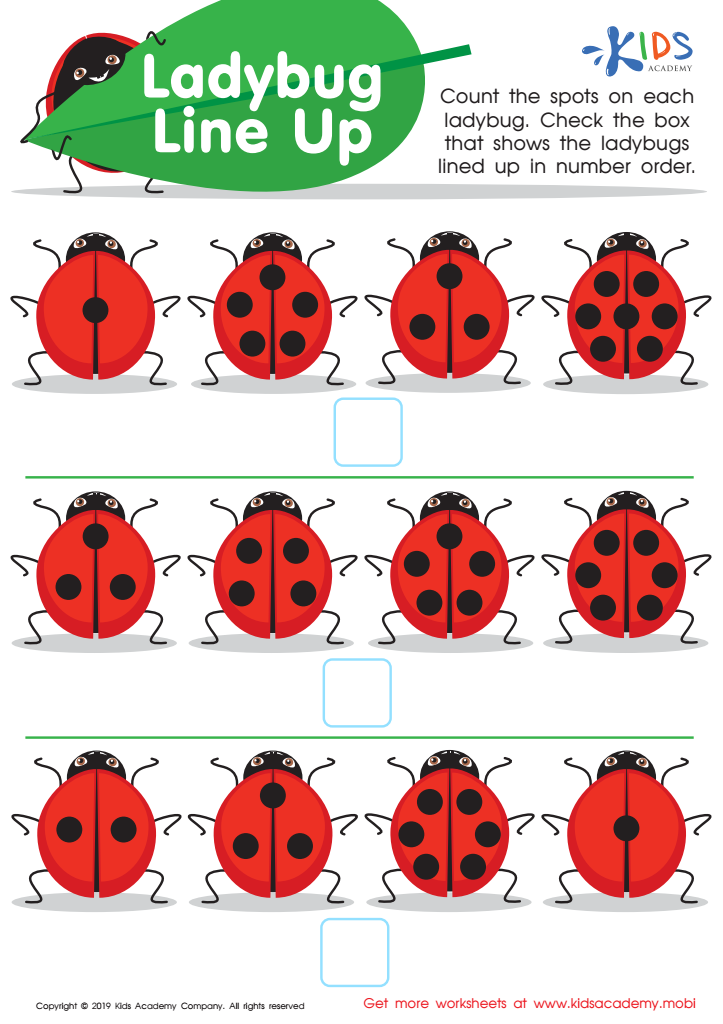
Ladybug Line Up Worksheet








Understanding sequencing of easy numbers from 0 to 10 is crucial for early learners, laying a foundation for their math skills and cognitive development. Parents and teachers should care about this because it plays a key role in helping children grasp the concepts of order and organization, which are fundamental in both mathematics and daily life.
When children can sequence numbers, they develop a strong sense of number recognition, enabling them to count accurately. This skill supports more complex mathematical operations down the line, such as addition and subtraction. Moreover, sequencing enhances critical thinking skills, as learners begin to understand patterns and relationships between numbers. Practicing this foundational knowledge also fosters confidence in young learners, promoting a positive attitude towards mathematics and problem-solving.
Additionally, understanding sequencing enriches a child’s language and communication skills. When discussing numbers, children learn to express their thoughts clearly, which is essential for their overall education. For parents and teachers, introducing activities that promote number sequencing can create engaging, interactive learning environments. Ultimately, nurturing this skill ensures that children are equipped with essential tools that will help them navigate mathematical challenges as they progress in their education.