Fine Motor Skills Easy Preschool Letter Recognition Worksheets
6 filtered results
-
From - To
Introduce your preschooler to the world of letters with our Fine Motor Skills Easy Preschool Letter Recognition Worksheets. Specially designed to promote early literacy and fine motor skills, these worksheets provide engaging activities that intertwine letter recognition with fun hands-on practice. Each vibrant, educational sheet helps young learners identify letters while simultaneously honing their handwriting and dexterity. Created with young minds in mind, our resources ensure learning becomes a delightful adventure. Provide your child with the perfect blend of education and play, ensuring a strong foundation for future academic success. Start making letter learning interactive and enjoyable today!
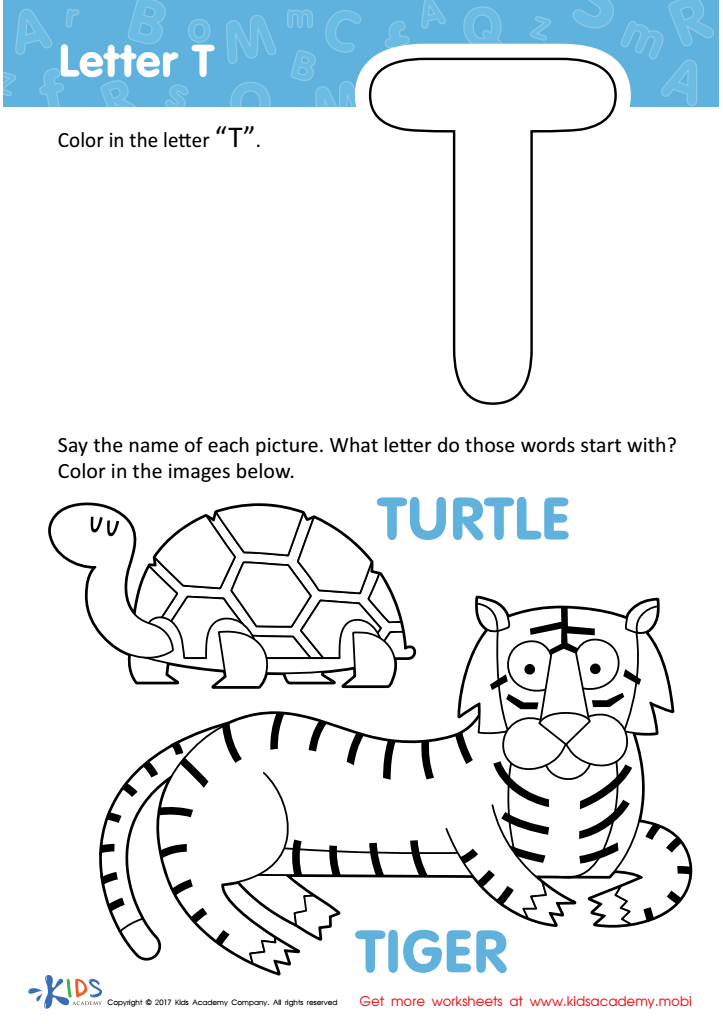
Letter T Coloring Sheet
 Assign to My Students
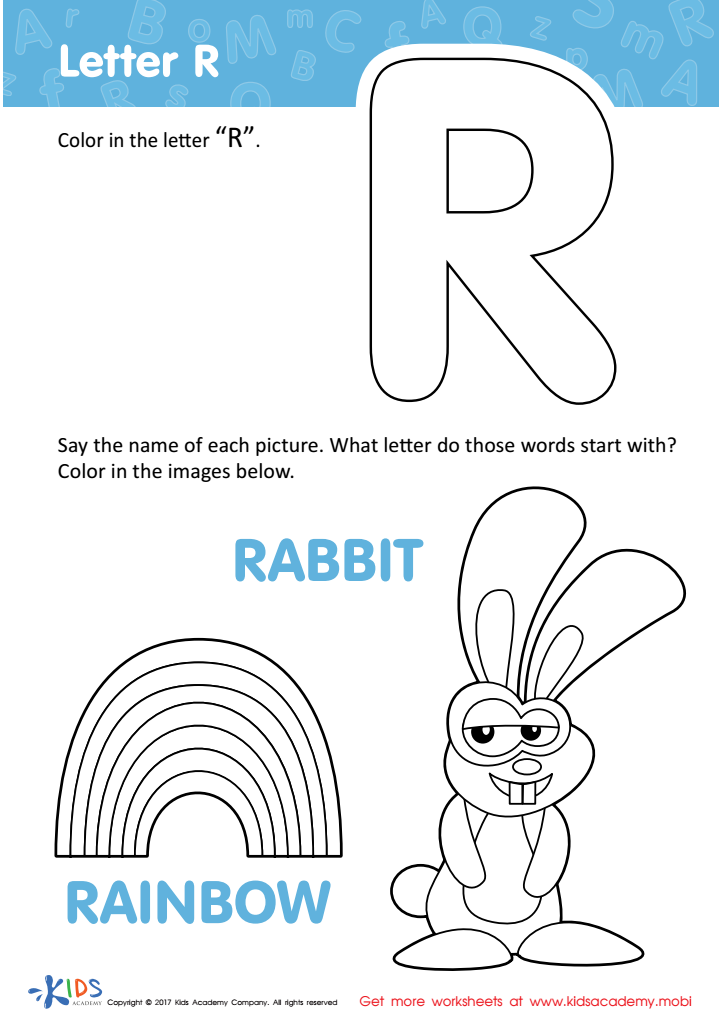
Letter R Coloring Sheet
Assign to My Students
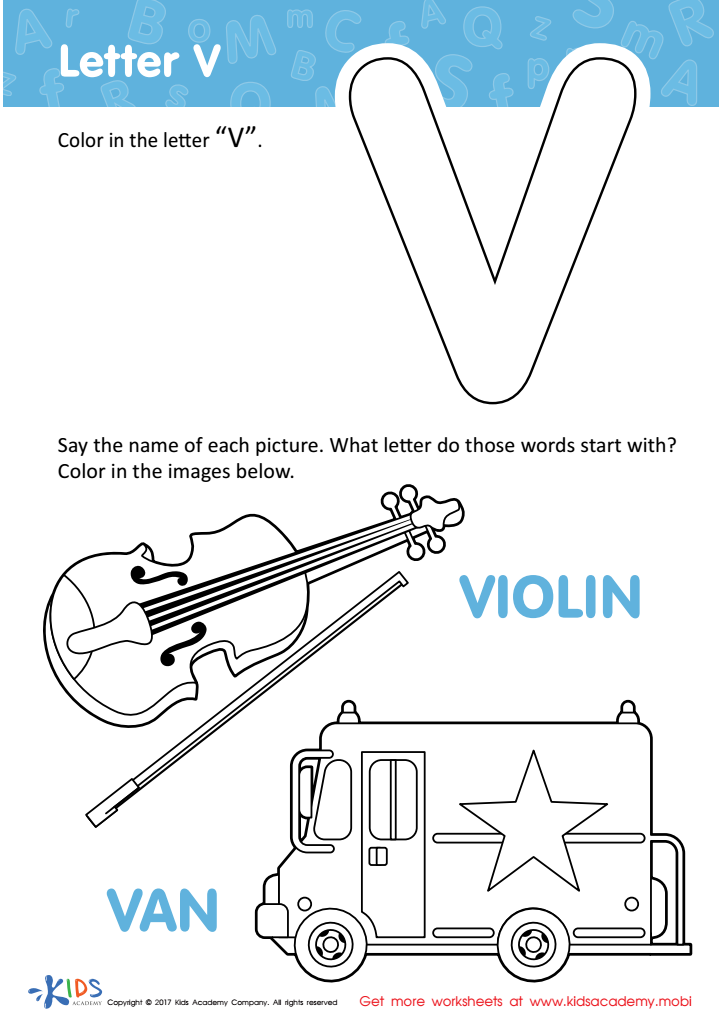
Letter V Coloring Sheet
Assign to My Students
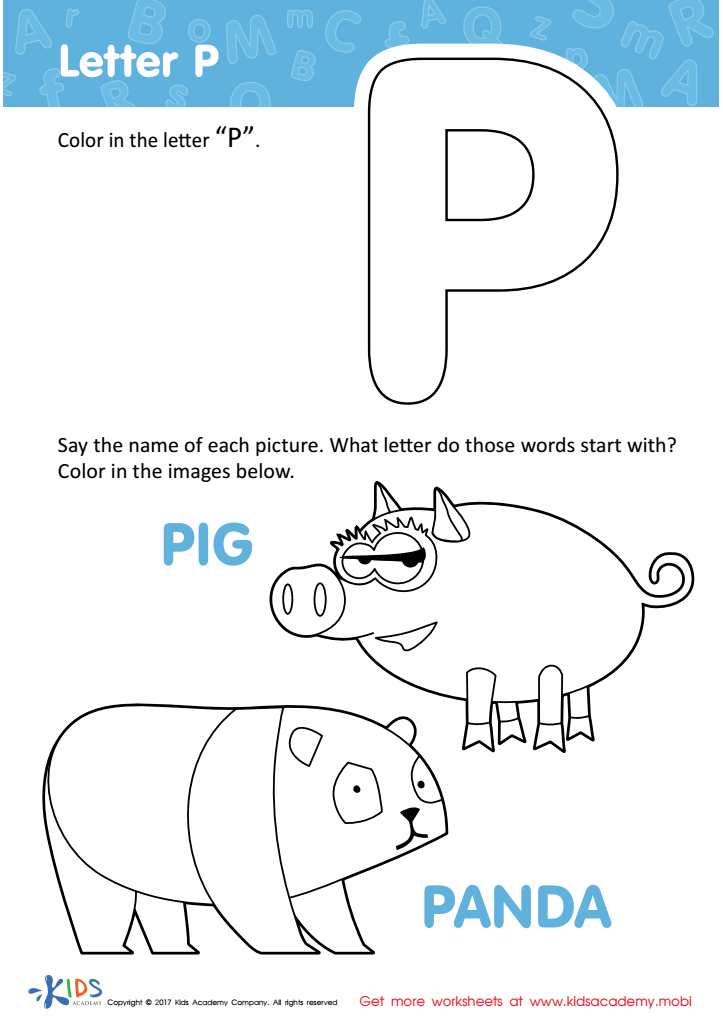
Letter P Coloring Sheet
Assign to My Students
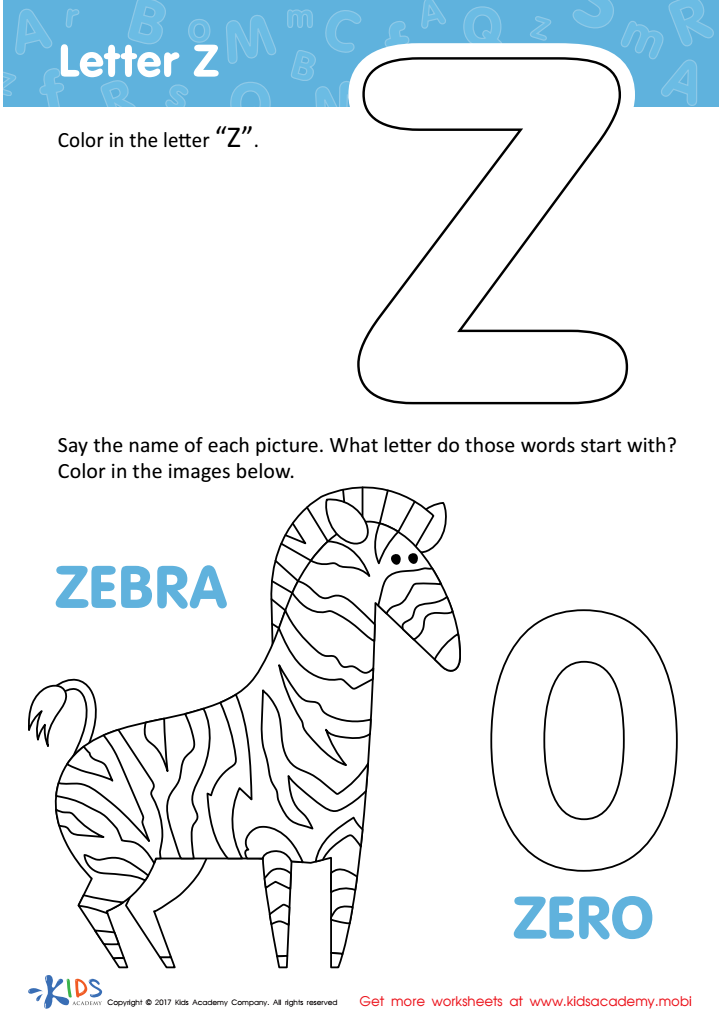
Letter Z Coloring Sheet
Assign to My Students
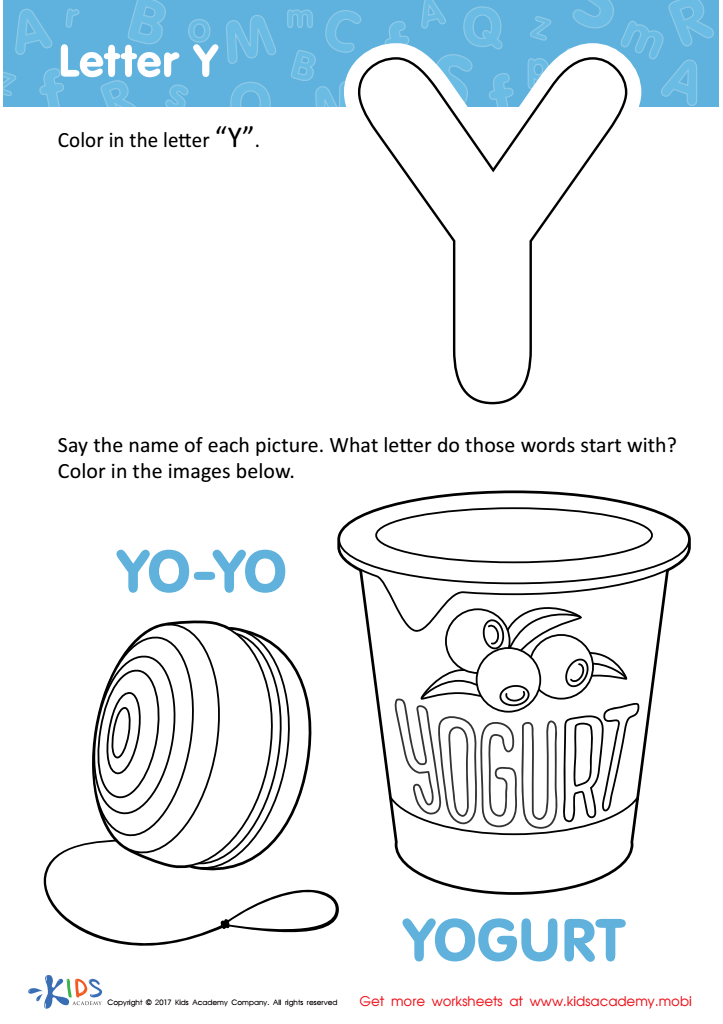
Letter Y Coloring Sheet
Assign to My Students





Fine motor skills and letter recognition are foundational for young children’s academic and everyday success. Fine motor skills, which involve the small muscles of the hands and fingers, are crucial for tasks like writing, cutting, and manipulating objects. These skills develop through activities that require precise movements, and their proficiency significantly impacts children's ability to perform essential school tasks, including proper letter formation.
Easy preschool letter recognition builds the foundation for literacy. When children can easily identify letters, they are more likely to develop strong reading and writing skills. Recognizing letters is the first step in understanding that each letter has a unique sound, which is essential for phonics and reading development. Early familiarity with letter shapes aids in quicker and more accurate letter writing later.
Teachers and parents should prioritize activities that integrate fine motor skill development with letter recognition, such as tracing letters, using letter-shaped toys, or crafting letters with clay. These engaging, hands-on activities make learning fun and effective. Building these competencies early sets children up for greater academic achievement, boosting their confidence and fostering a love for learning that can last a lifetime. This holistic approach primes children not only for educational success but also for greater independence in daily life tasks.