Understanding Quantities Easy Preschool Worksheets
4 filtered results
Difficulty Level
Grade
Age
-
From - To
Subject
Activity
Standards
Unlock your child's potential with our "Understanding Quantities Easy Preschool Worksheets" at Kids Academy! Specifically designed for preschoolers, these engaging worksheets help little learners grasp the basics of counting and comparing quantities with fun, interactive activities. Perfect for building foundational math skills, each worksheet features colorful visuals and simple tasks that make learning enjoyable and effective. Ideal for parents and teachers, our resources ensure that young minds develop strong numeracy skills while nurturing a love for learning. Download today to give your preschooler a head start on their educational journey!
Favorites
With answer key
Interactive
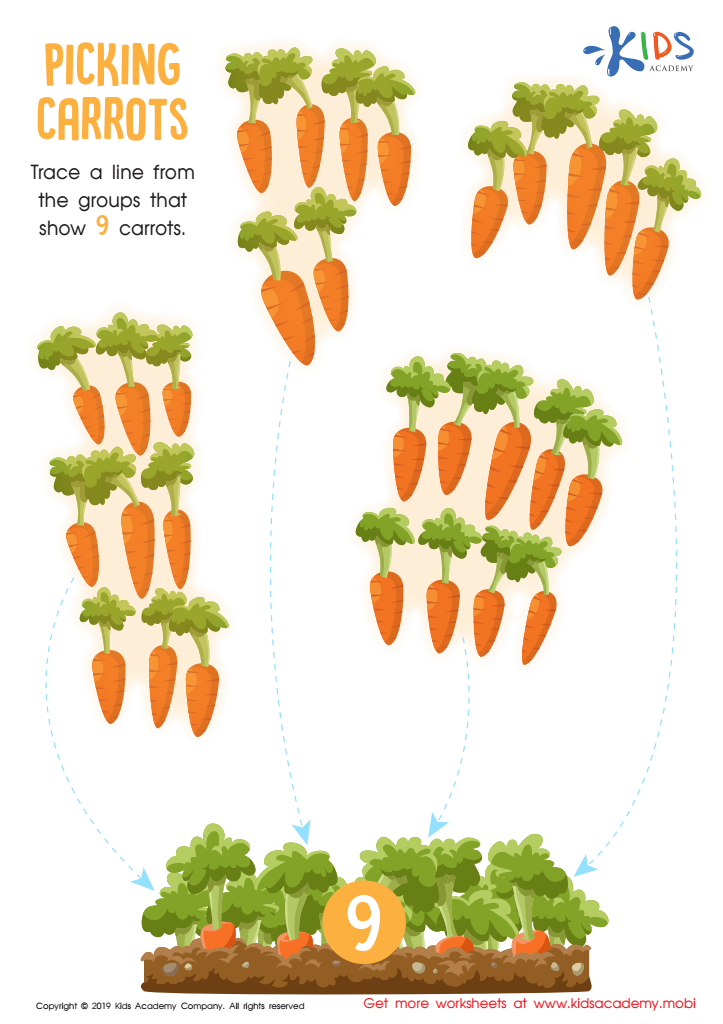
Picking Carrots Worksheet
Do your kids know what carrots are? They're nutritious veggies we should eat. Look at the worksheet with them; can they spot the carrots? It's an exercise to practice counting. Show them how to count all the carrots in the groups and trace the line to the groups with 9 carrots.
 Assign to My Students
Picking Carrots Worksheet
Worksheet
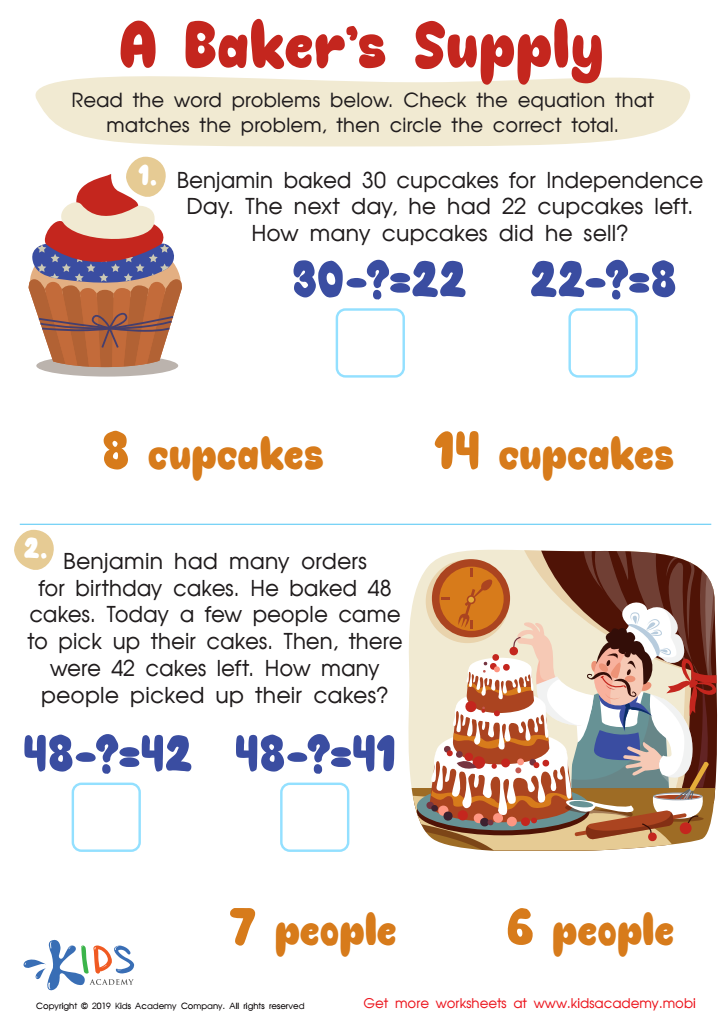
A Baker's Supply Worksheet
A visit to the baker's shop is thrilling! Your kids will love it! From scrumptious goodies to the mouthwatering aroma, it's a magical experience. Ask your kids what they're most eager to see and do. Now, read the word problems in this worksheet to them. Help them choose the correct answer for each problem and circle the correct total.
A Baker's Supply Worksheet
Worksheet
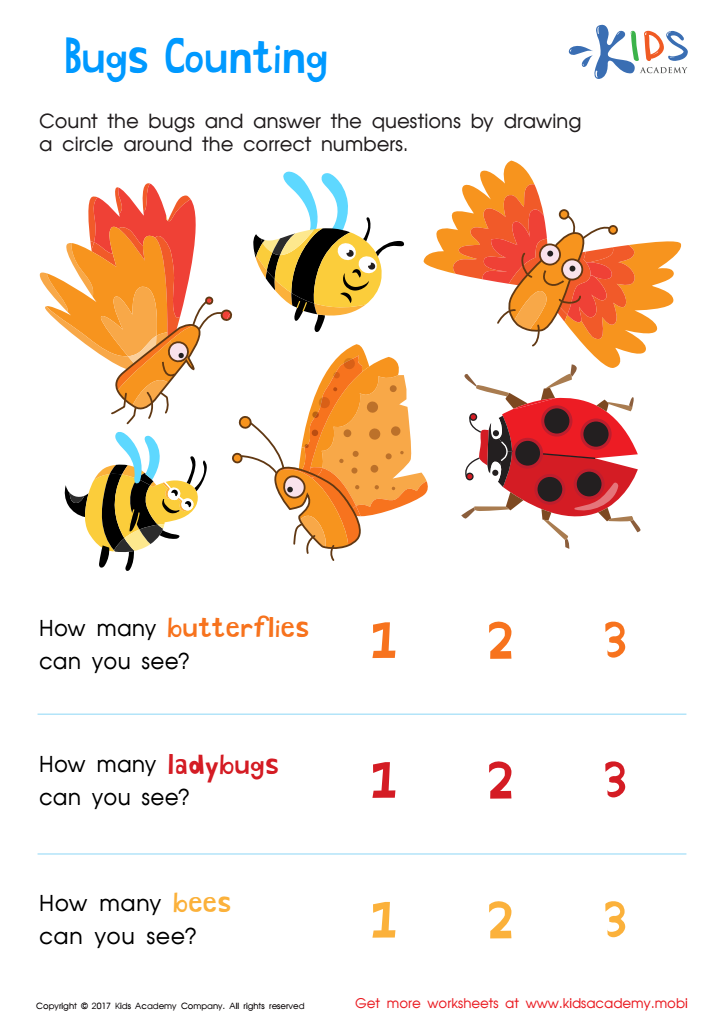
Bugs Counting Worksheet
Filled with bright reds, yellows, and oranges, your child will love solving these fun bug-related math problems.
Bugs Counting Worksheet
Worksheet
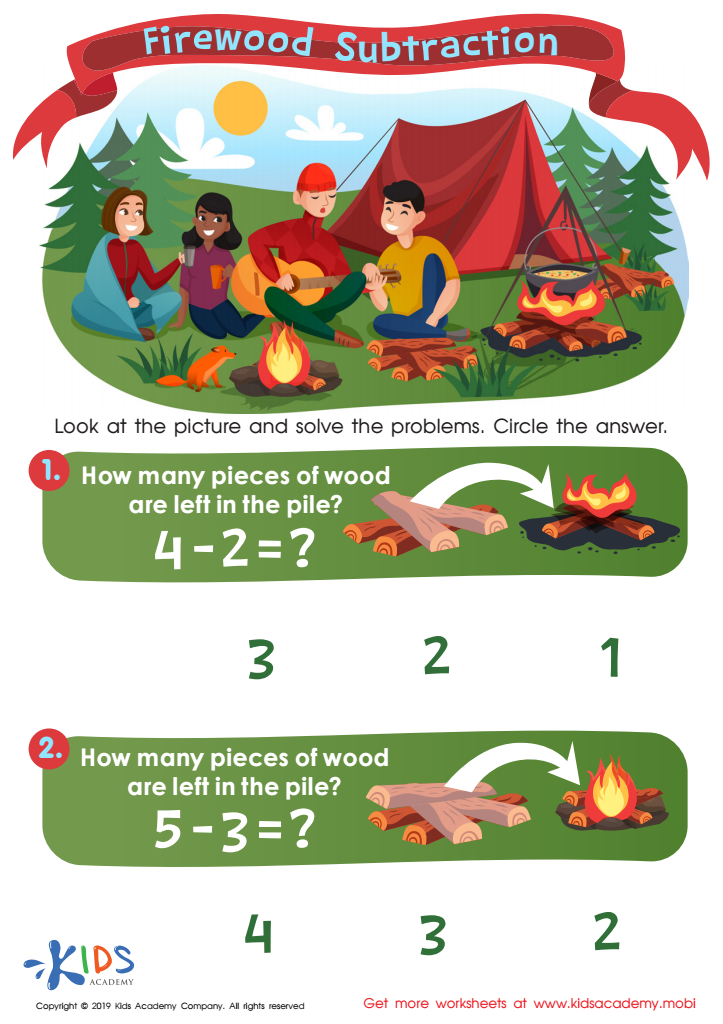
Firewood Subtraction Worksheet
Guide your students to show that math can be fun! If your kindergartners need help with addition and subtraction, the simple problems in this worksheet are ideal. Ask them to look at the two pictures and find the correct answers. Help them check their work to build their confidence in math.
Firewood Subtraction Worksheet
Worksheet
Join Kids Academy for Free
Who is primarily going to use this learning content?



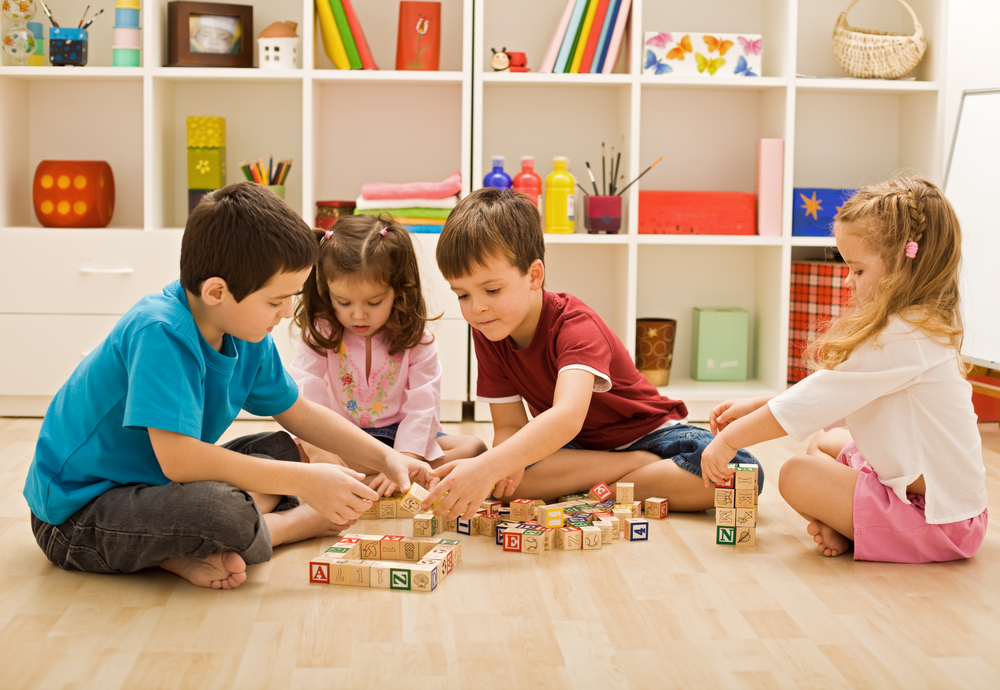




Understanding quantities is fundamental to early childhood education and plays a significant role in cognitive and mathematical development. When children grasp the concept of quantities, they are essentially learning about numbers, their values, and how to compare them. This understanding is crucial as it lays the groundwork for more advanced mathematical concepts they will encounter later in their academic life, such as addition, subtraction, multiplication, and division.
For parents and teachers, focusing on helping preschoolers understand quantities is important for fostering a positive attitude towards math from an early age. Engaging activities that teach quantities can make learning fun and relevant, thereby reducing math anxiety and building confidence. For instance, counting everyday objects like fruits or toys, measuring ingredients for a recipe, or even playing simple board games can provide context and make the concept of quantities tangible and relatable.
Furthermore, early mathematical understanding is linked to various forms of cognitive development, including problem-solving, logical thinking, and spatial awareness. It can also help enhance their fine motor skills through activities like sorting and arranging objects. Therefore, prioritizing quantity understanding in preschool not only supports academic success but also promotes well-rounded intellectual development. Teachers and parents should see it as a vital investment in their children's educational journey and future life skills.