Visual perception Easy Preschool Numbers 0–10 Worksheets
10 filtered results
-
From - To
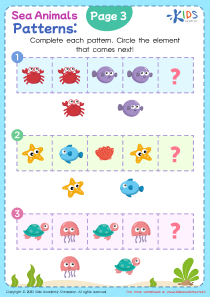
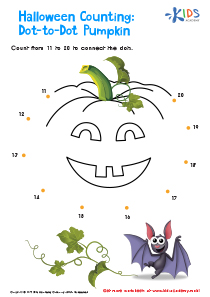
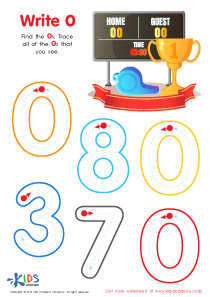
Enhance your preschooler’s numerical understanding with our engaging "Visual Perception Easy Preschool Numbers 0–10 Worksheets." Designed specifically for early learners, these worksheets focus on developing visual perception skills through fun and interactive activities. Children will enjoy identifying, sorting, and connecting numbers while building their confidence in recognizing quantities from 0 to 10. Each worksheet encourages exploration and reinforces essential math concepts in a playful manner. Perfect for home or classroom use, these resources promote cognitive development and prepare little ones for more advanced math learning. Download today and watch your child’s enthusiasm for numbers bloom!
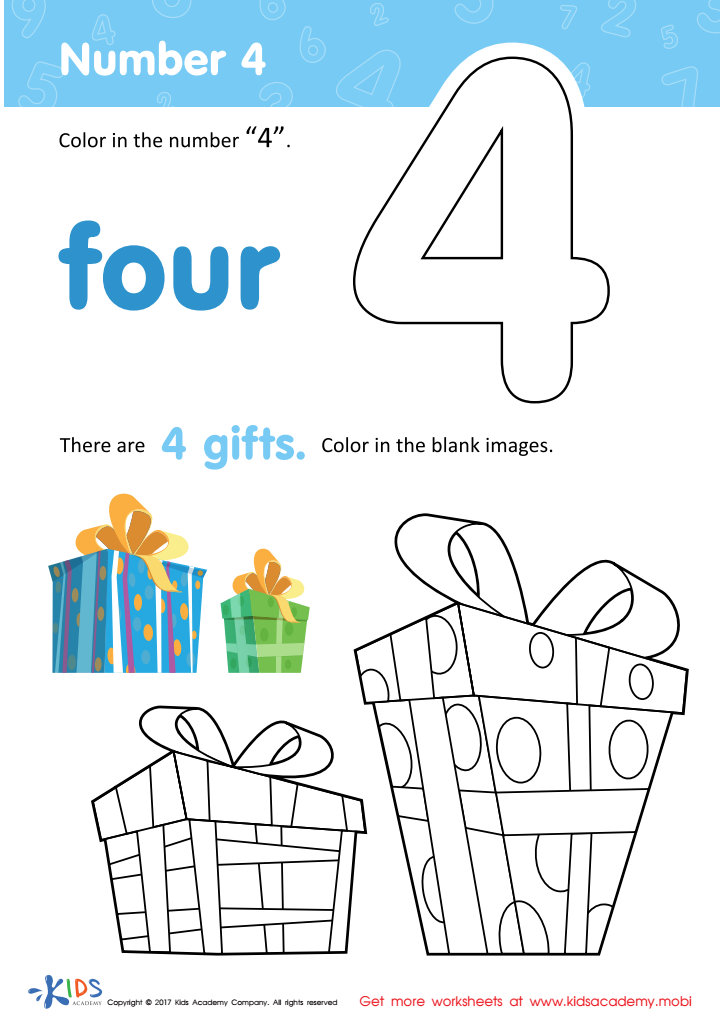
Number 4 Printable
 Assign to My Students
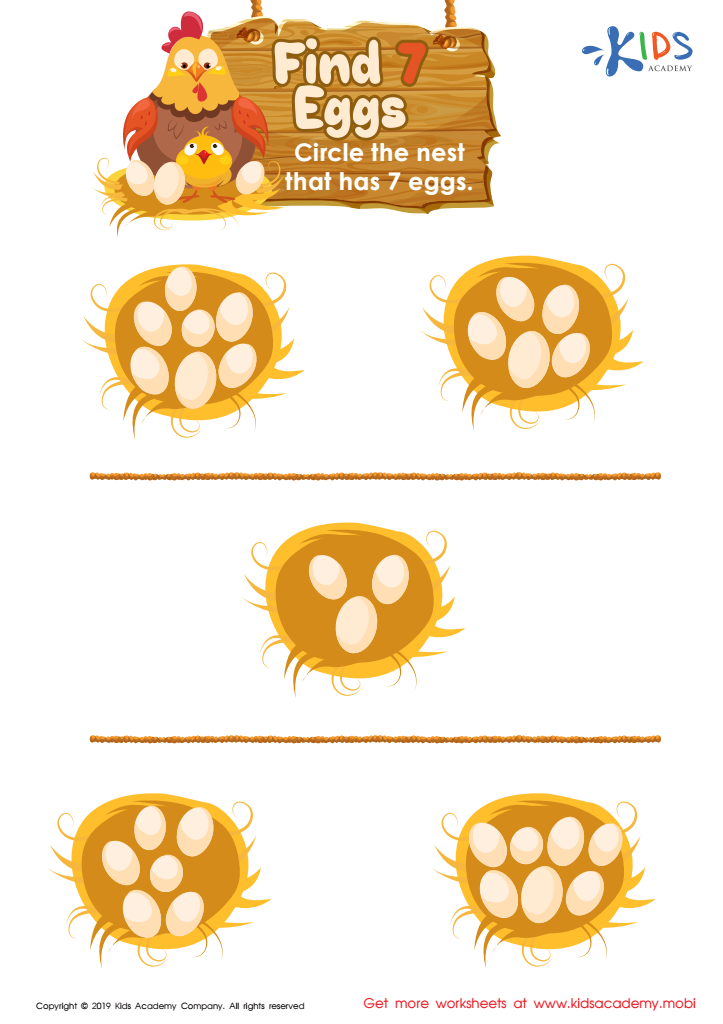
Find 7 Eggs Worksheet
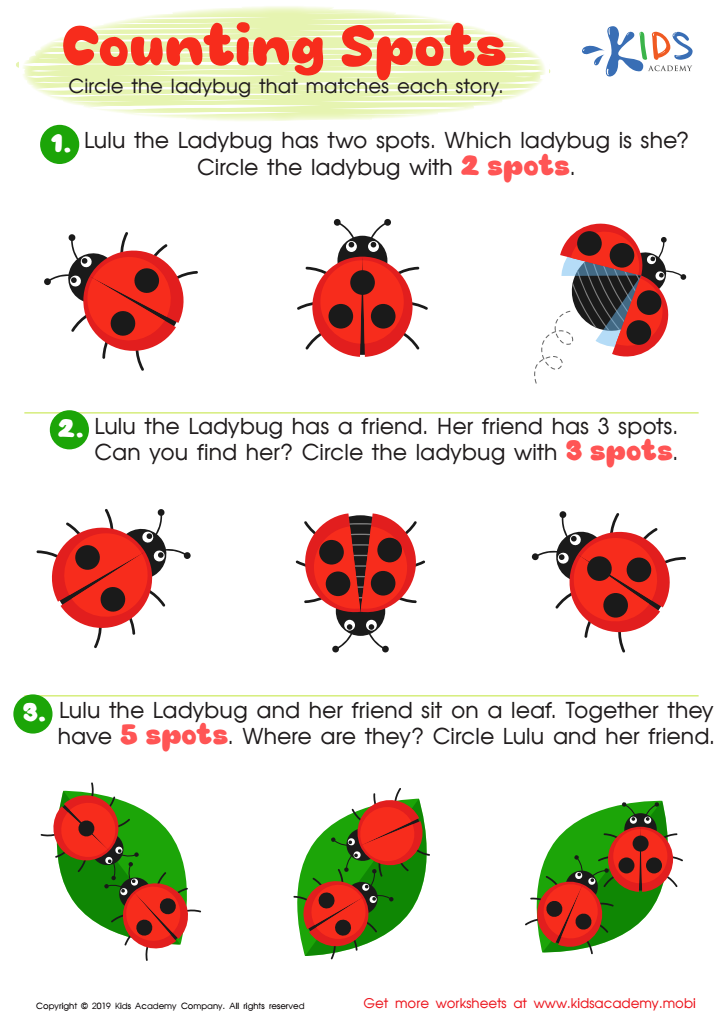
Counting Spots Worksheet
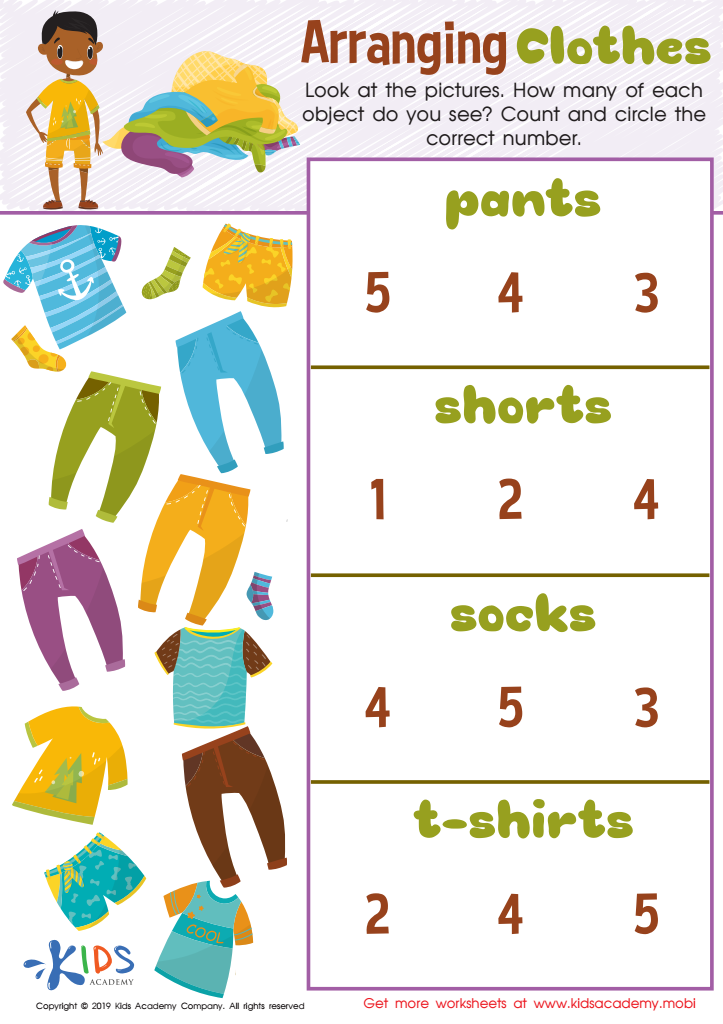
Arranging Clothes Worksheet
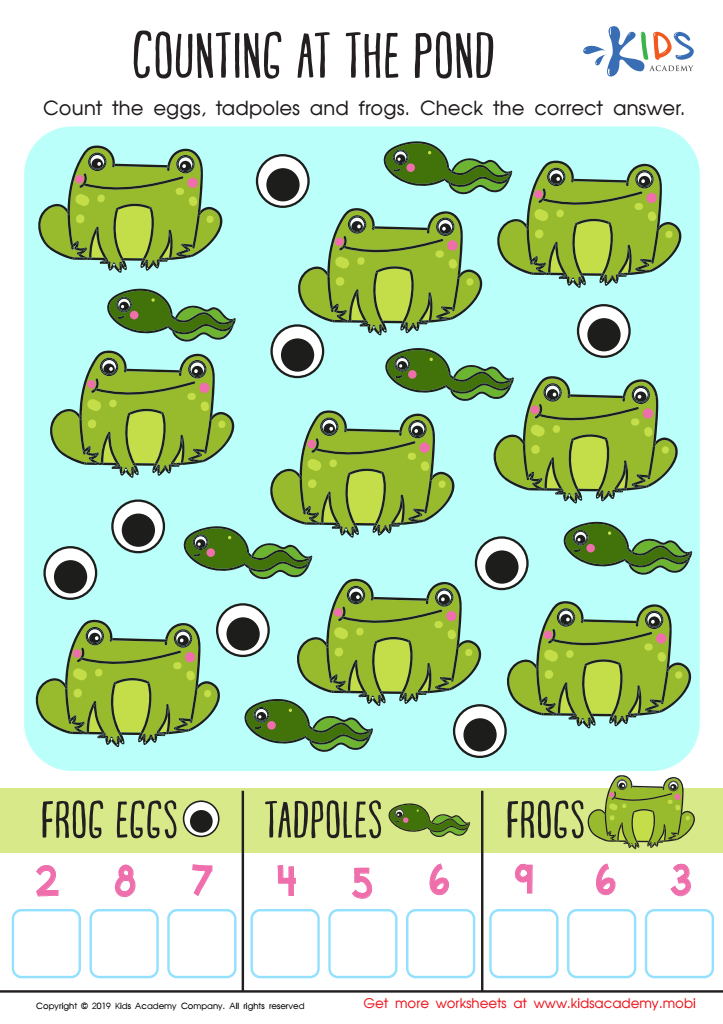
Counting at the Pond Worksheet
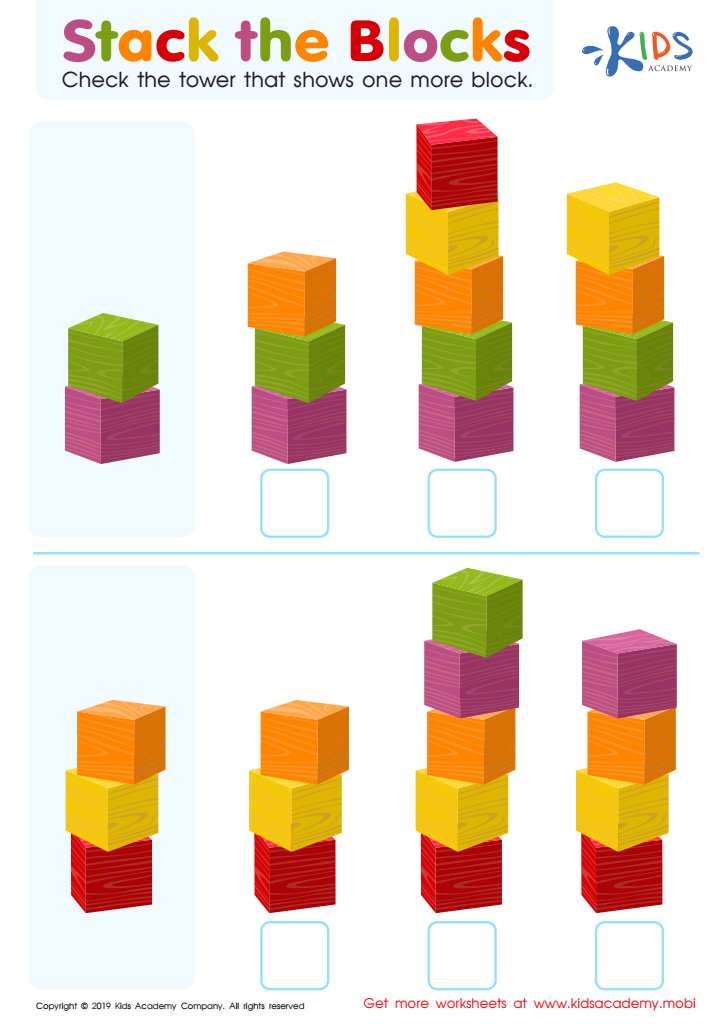
Stack the Blocks Worksheet
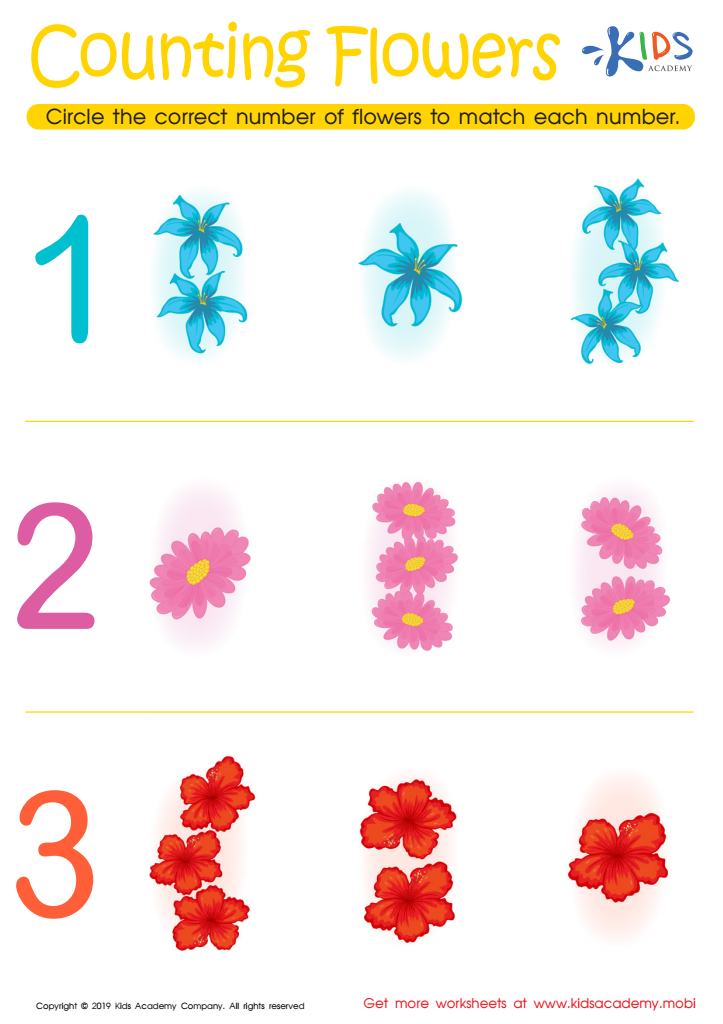
Counting Flowers Worksheet
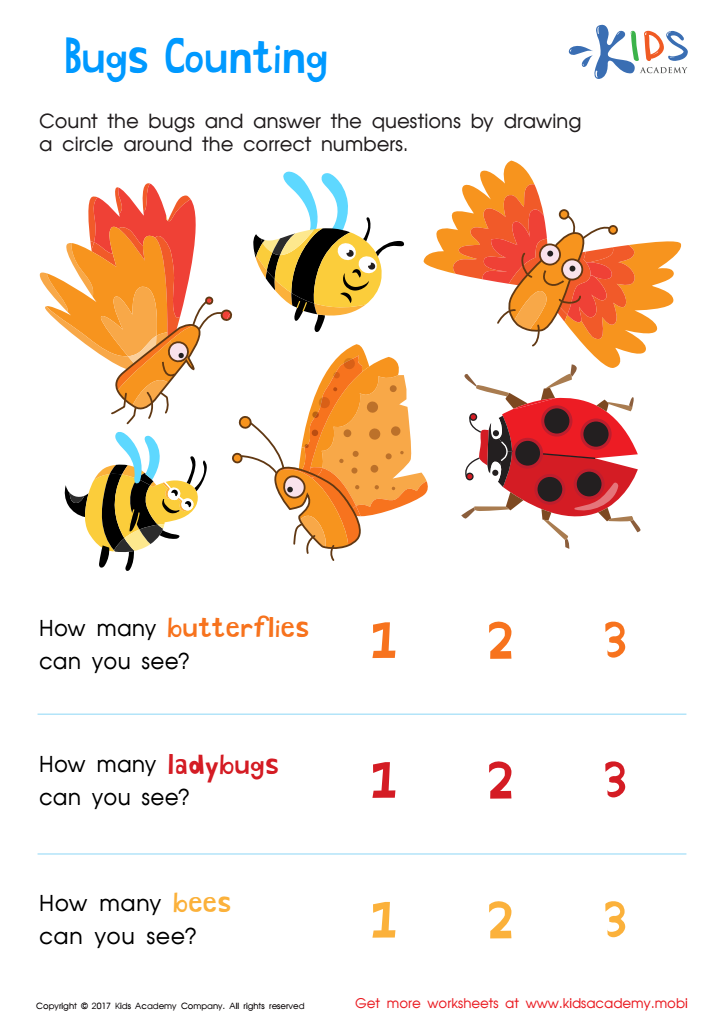
Bugs Counting Worksheet
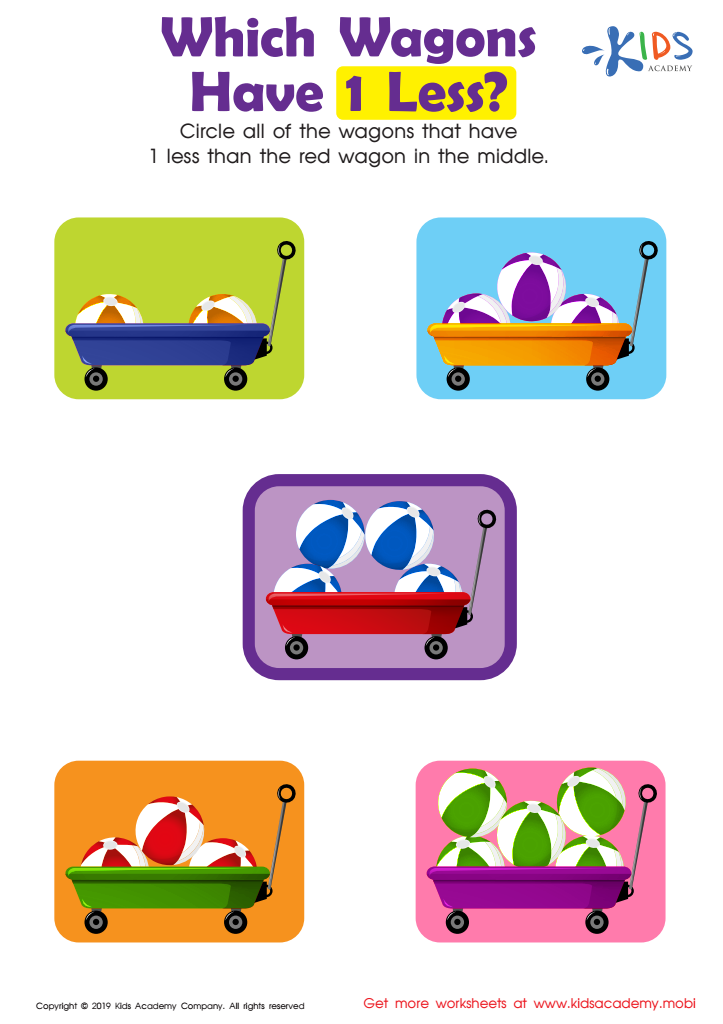
Which Wagons Have 1 Less? Worksheet
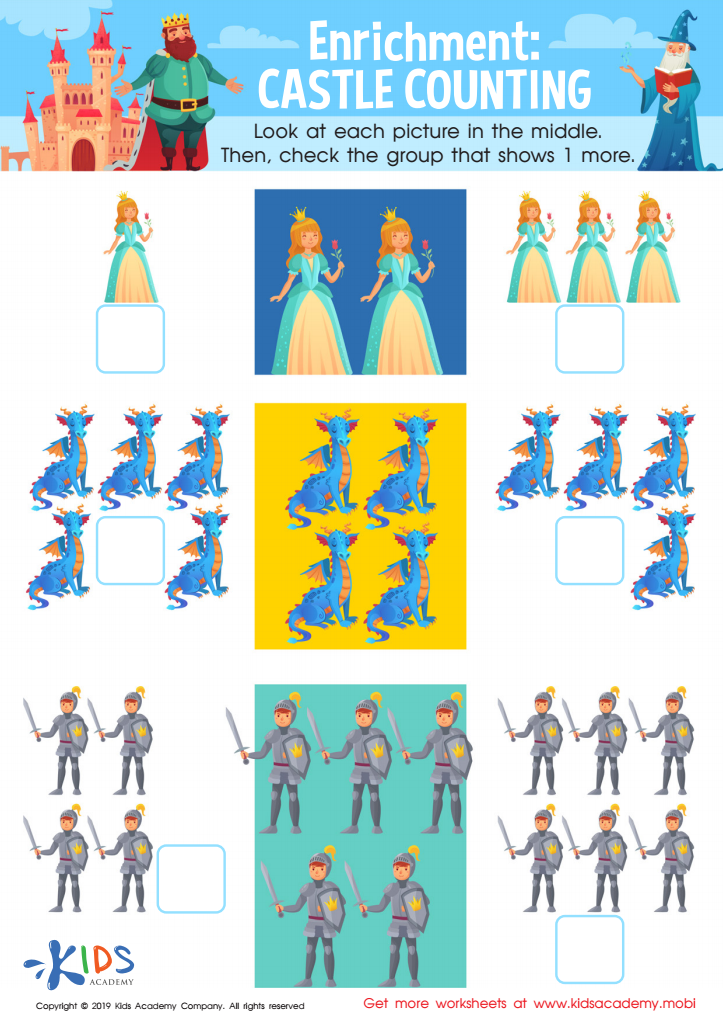
Enrichment: Castle Counting Worksheet



Visual perception is essential for preschoolers learning numbers 0–10. Parents and teachers should care about this foundational skill as it impacts a child's overall learning and development. Visual perception refers to the ability to interpret and make sense of visual information, allowing children to recognize numbers, shapes, and patterns essential for mathematical understanding.
When children master visual perception, they can differentiate between similar-looking numbers, which helps prevent confusion; for instance, distinguishing between '6' and '9.' This skill serves as a building block for more complex concepts in math. Engaging children with fun, visual activities—like matching games or number puzzles—promotes not only numeracy but also critical thinking and problem-solving abilities.
Furthermore, strong visual perception aids in developing fine motor skills necessary for writing and drawing numbers correctly. Recognizing visual patterns and relationships also fosters cognitive development, leading to improved focus, attention, and memory.
Ultimately, enhancing a child's visual perception equips them with essential tools for academic success and instills a love for learning. As they flourish in number recognition, confidence grows, creating a positive attitude toward future math challenges! Thus, both teachers and parents have a vital role in nurturing this skill during early childhood.