Story sequencing Easy Preschool Reading Worksheets
3 filtered results
-
From - To
Enhance your preschooler’s reading skills with our engaging Story Sequencing Easy Preschool Reading Worksheets at Kids Academy! These expertly designed worksheets help young learners understand the sequence of events in a fun and interactive way. By arranging picture stories in the correct order, children develop crucial comprehension skills and boost their ability to retell stories accurately. Ideal for early readers, our captivating activities foster critical thinking and vocabulary development. Visit Kids Academy to access a delightful collection of printable worksheets that support early literacy and make learning an exciting adventure for preschoolers!
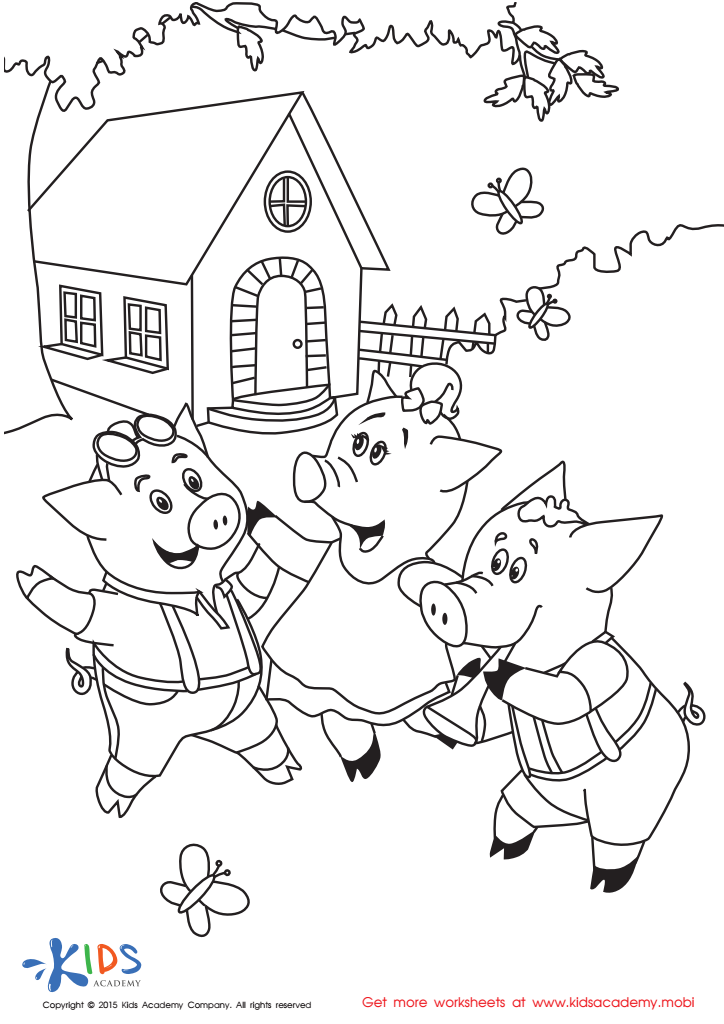
Folktales Printable PDF Worksheet: The 3 Little Pigs
 Assign to My Students
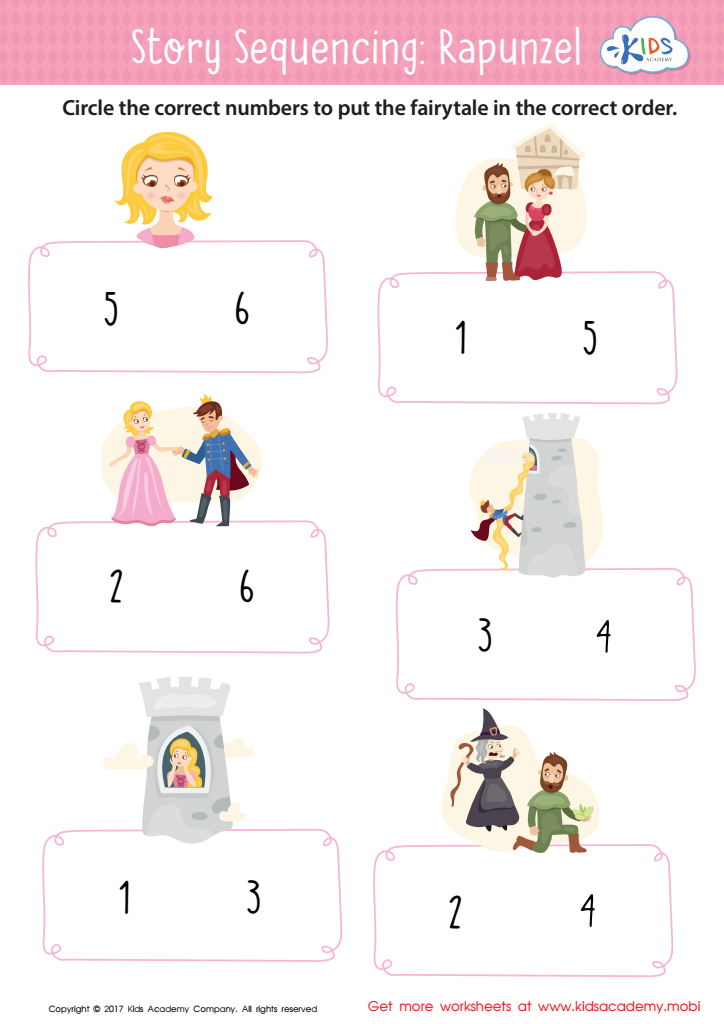
Rapunzel Story Sequencing Worksheet
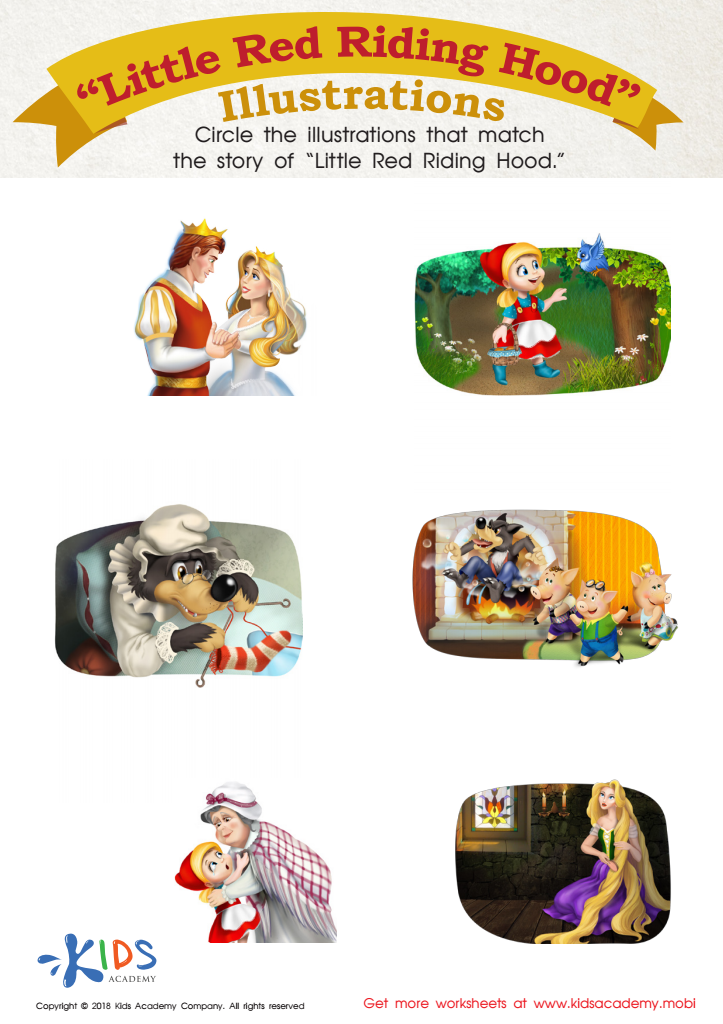
Little Red Riding Hood: Illustrations Worksheet








Story sequencing is a foundational skill in early literacy that holds significant importance for preschoolers' cognitive and language development. This process entails arranging events or actions in their logical order, thereby helping children understand the structure and flow of a narrative. Recognizing the importance of story sequencing in preschool reading is essential for parents and teachers for several reasons.
Firstly, it cultivates comprehension skills. By learning to sequence stories, children grasp the beginning, middle, and end of events, which enhances their understanding and recall of the narrative. Comprehension is a critical skill that aids in school readiness and lifelong learning.
Secondly, it fosters critical thinking and problem-solving abilities. Sequencing exercises encourage children to think about cause and effect relationships, predict outcomes, and make connections between disparate pieces of information. These cognitive abilities are crucial for academic success and daily life.
Moreover, story sequencing improves language skills, such as vocabulary and grammar. Retelling stories in order helps children practice and expand their language use, making them more proficient communicators.
Finally, it boosts social-emotional development by aiding emotional intelligence and empathy. Understanding a character’s journey or the consequences of actions within a sequence helps children relate to others' feelings and situations better.
Incorporating story sequencing in preschool programs and at home thus supports a well-rounded early education, setting the stage for children's future success.