Letter recognition Easy Grade 2 Alphabet Coloring Pages Worksheets
5 filtered results
Difficulty Level
Grade
Age
-
From - To
Subject
Activity
Standards
Discover the perfect resources to elevate your child's learning journey with our "Letter Recognition Easy Grade 2 Alphabet Coloring Pages Worksheets." Designed for second graders, these worksheets seamlessly blend fun and learning, aiding in letter recognition through engaging coloring activities. Each page offers playful illustrations that captivate young learners, reinforcing alphabet knowledge while sparking creativity. Ideal for classroom or home practice, these worksheets build foundational skills in a motivating and enjoyable way. Enhance your child's literacy development with our innovative and user-friendly worksheets, ensuring that learning the alphabet is a delightful adventure. Download today and watch your child thrive!
Favorites
With answer key
Interactive
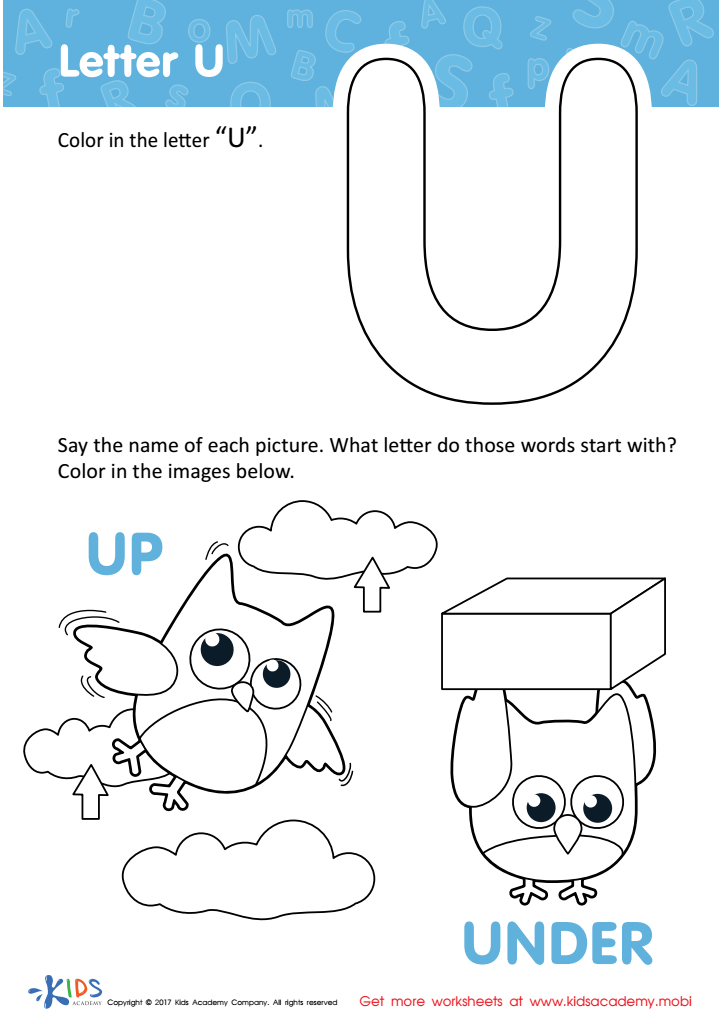
Letter U Coloring Sheet
This letter "U" coloring page helps your child learn two things at once - the letter "U" and positional words! An adorable owl character aids in understanding up and under. In a few strokes of a crayon, your child can master these concepts.
Download (PDF)
 Assign to My Students
Assign to My Students
Letter U Coloring Sheet
Worksheet
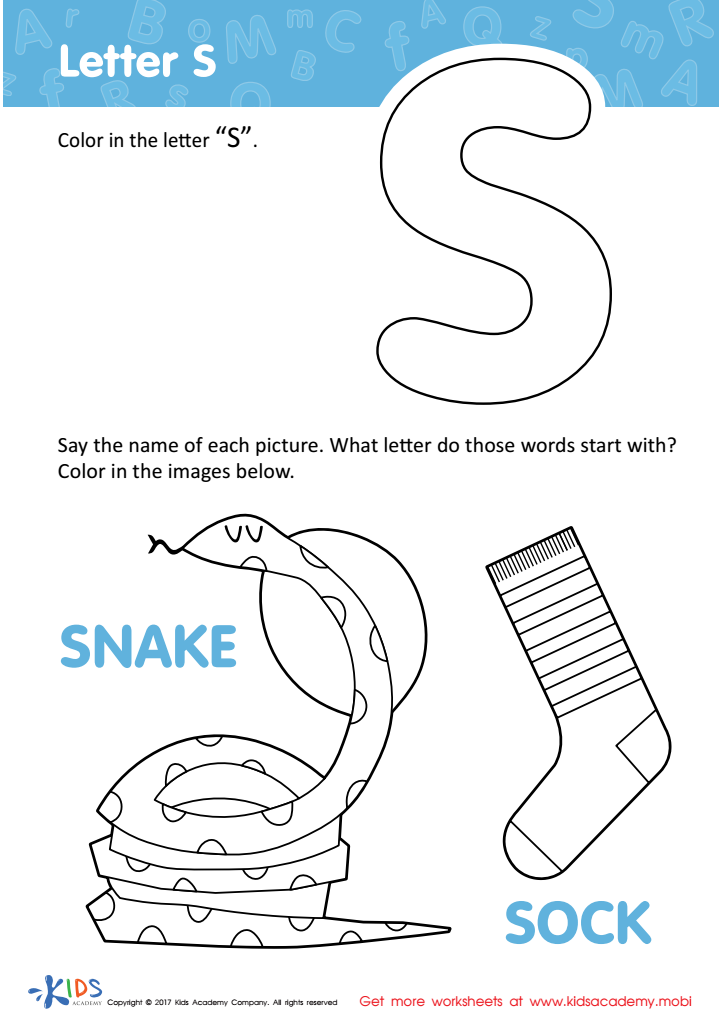
Letter S Coloring Sheet
Help your child practice recognizing the letter "S" and the sound it makes with this fun coloring page. It features a slippery snake, smelly sock and more! Give them extra practice by coming up with more "S" sounds and words.
Download (PDF)
Assign to My Students
Assign to My Students
Letter S Coloring Sheet
Worksheet
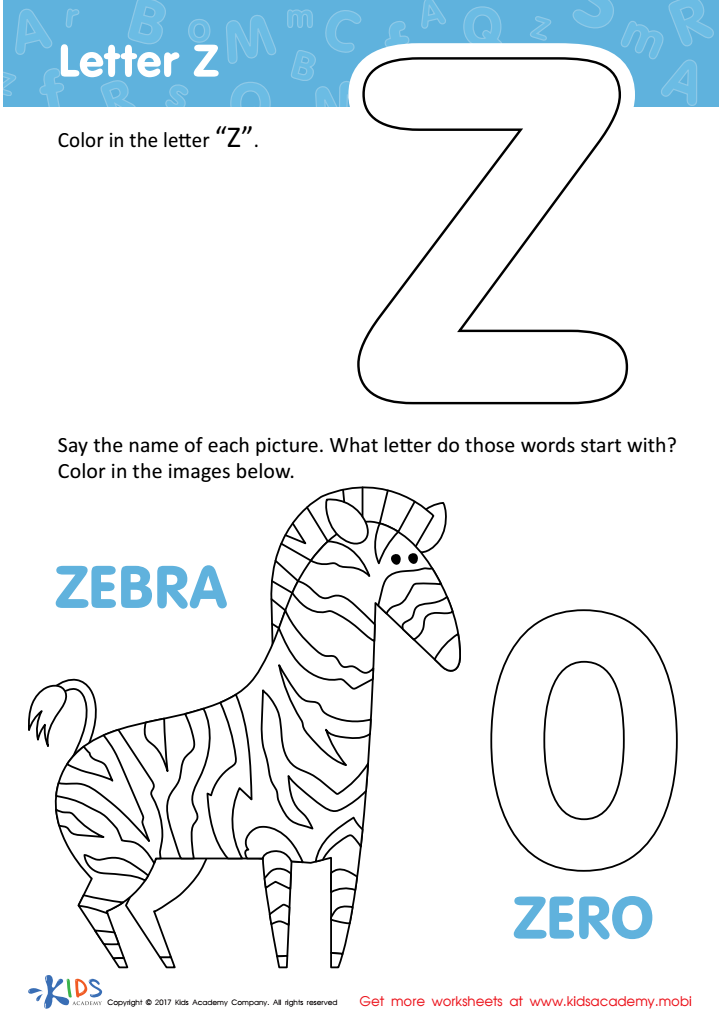
Letter Z Coloring Sheet
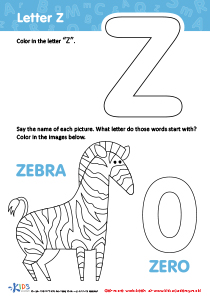
This coloring page featuring the letter "Z" is perfect for your child to practice letter recognition! Help them learn the unique sound it makes as they color. It'll be a fun and easy activity they won't have trouble with!
Download (PDF)
Assign to My Students
Assign to My Students
Letter Z Coloring Sheet
Worksheet
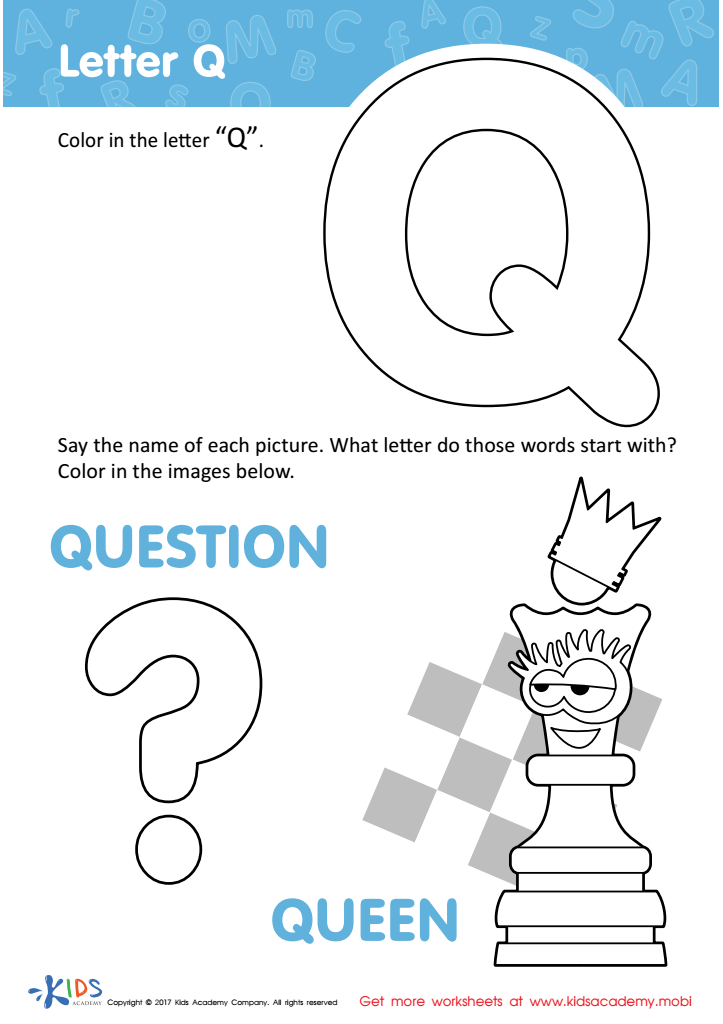
Letter Q Coloring Sheet
Kids need practice with letters not seen often. Give your child a boost with this letter "Q" coloring page! Have them color in the queen and question mark, while learning the sound "Q" makes. Fun and educational!
Download (PDF)
Assign to My Students
Assign to My Students
Letter Q Coloring Sheet
Worksheet
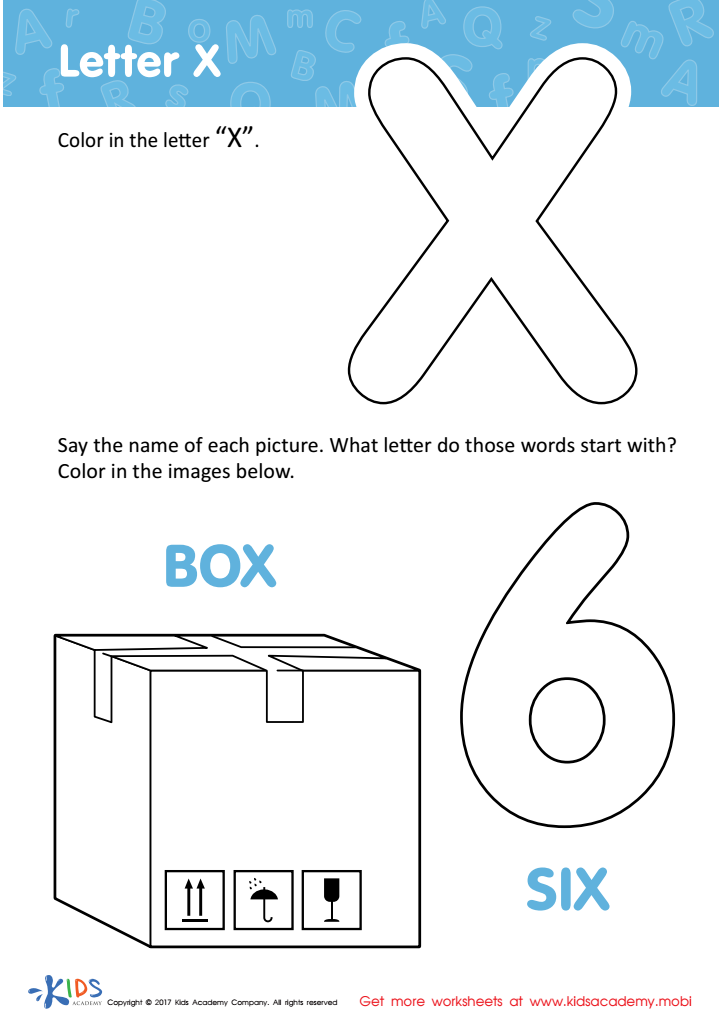
Letter X Coloring Sheet
Help your little learner find the letter "X" with this coloring page. Go over the sounds it makes and how to find it at the end of words. Unlock the mystery of this unique letter - it's one of the most challenging but rewarding letters to learn!
Download (PDF)
Assign to My Students
Assign to My Students
Letter X Coloring Sheet
Worksheet
Join Kids Academy for Free
Who is primarily going to use this learning content?


Letter recognition is a fundamental skill crucial for early literacy, and Grade 2 Alphabet Coloring Pages can play a significant role in developing this ability in young learners. For parents and teachers, focusing on letter recognition through engaging tools like coloring pages provides multiple benefits. Firstly, these coloring pages make learning enjoyable, keeping children interested and motivated. When children are excited about an activity, they are more likely to engage with it and, consequently, retain the information learned.
Secondly, alphabet coloring pages combine visual and kinesthetic learning. As children color each letter, they encounter it repeatedly, reinforcing their familiarity. This hands-on activity also helps improve fine motor skills, which are important for writing. When children color within the lines of letters, they practice precision and control, skills they will use later for penmanship.
Additionally, coloring pages can foster a positive emotional connection to learning. The sense of accomplishment children feel after completing a coloring page boosts their confidence, encouraging them to take on more challenging tasks.
For parents and teachers, investing time in activities like alphabet coloring pages builds a strong foundation for reading and writing. By transforming learning into play, these tools significantly contribute to early literacy development, setting children up for future academic success.