Letter recognition Easy Grade 2 Worksheets
5 filtered results
-
From - To
Enhance your Grade 2 students' letter recognition skills with our easy-to-use worksheets! Designed specifically for young learners, these engaging activities help reinforce letters' shapes and sounds through fun exercises. From tracing and identifying uppercase and lowercase letters to recognizing letters in context, our worksheets provide a variety of learning opportunities. Ideal for both classroom and home use, they encourage independent practice and boost confidence in reading. Perfect for supplementing your curriculum or for summer review, these letter recognition worksheets foster essential literacy skills needed for student success. Download now and make learning letters enjoyable for your second graders!
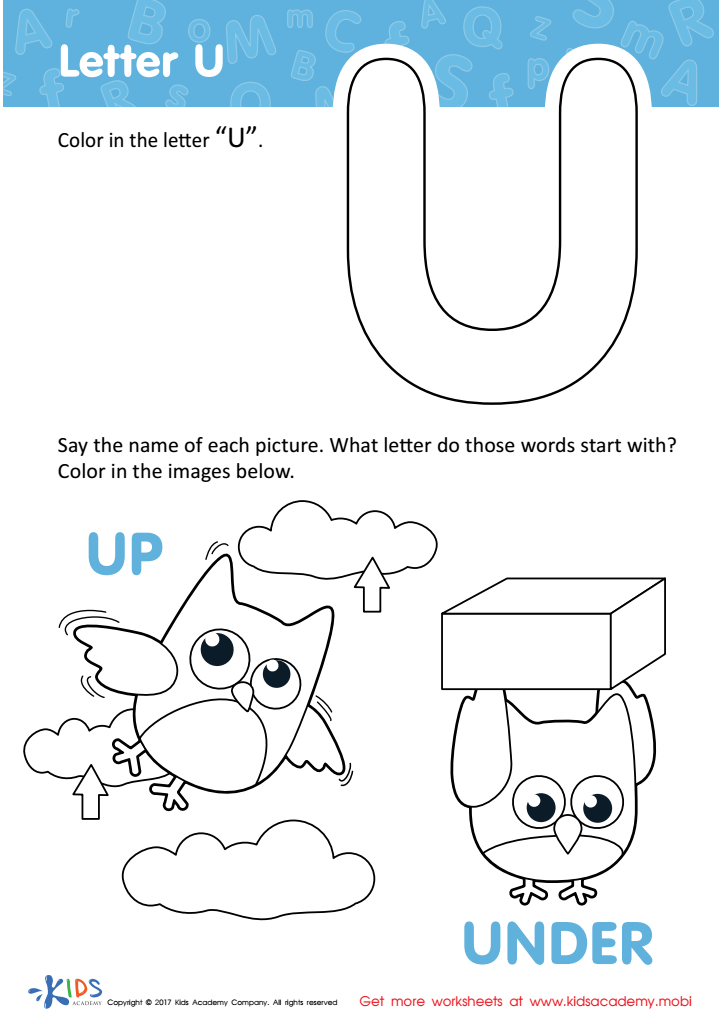
Letter U Coloring Sheet
 Assign to My Students
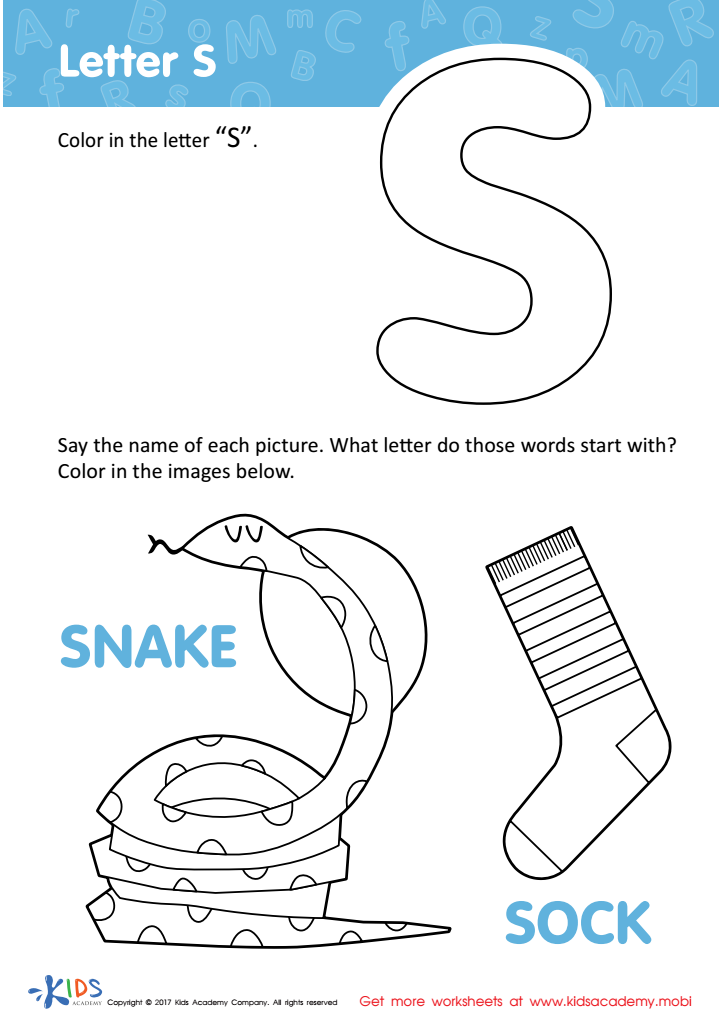
Letter S Coloring Sheet
Assign to My Students
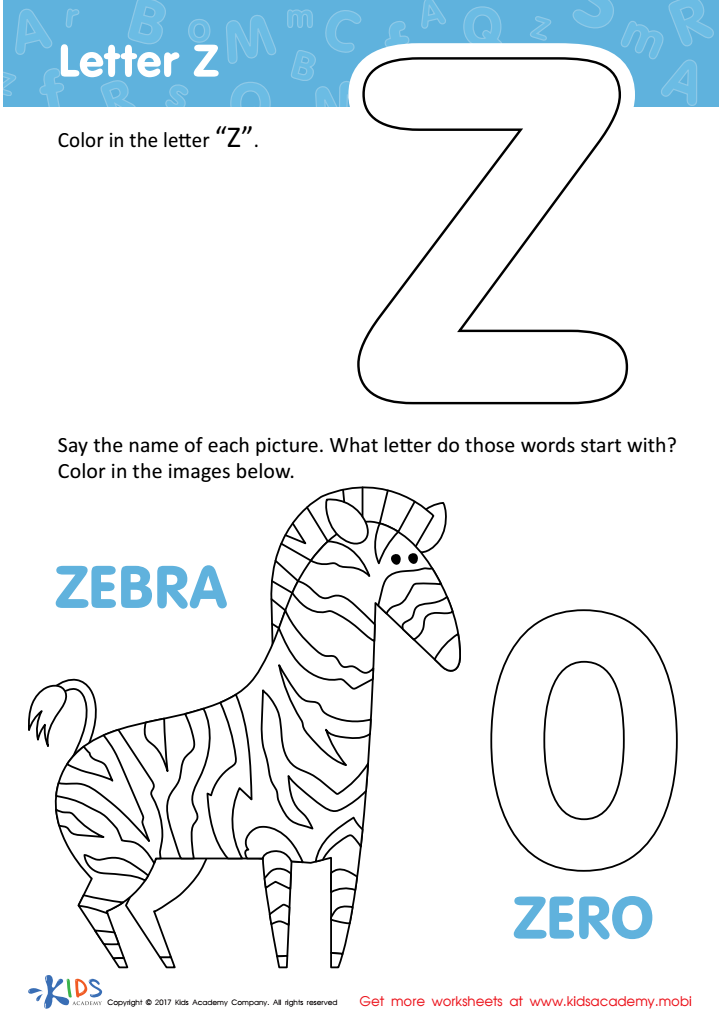
Letter Z Coloring Sheet
Assign to My Students
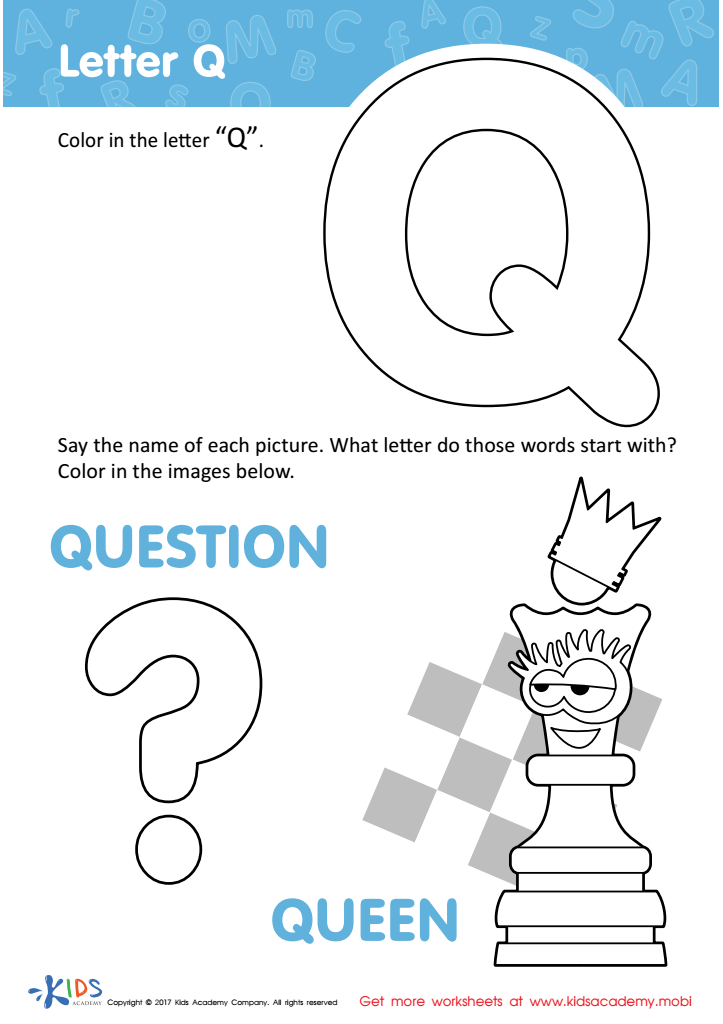
Letter Q Coloring Sheet
Assign to My Students
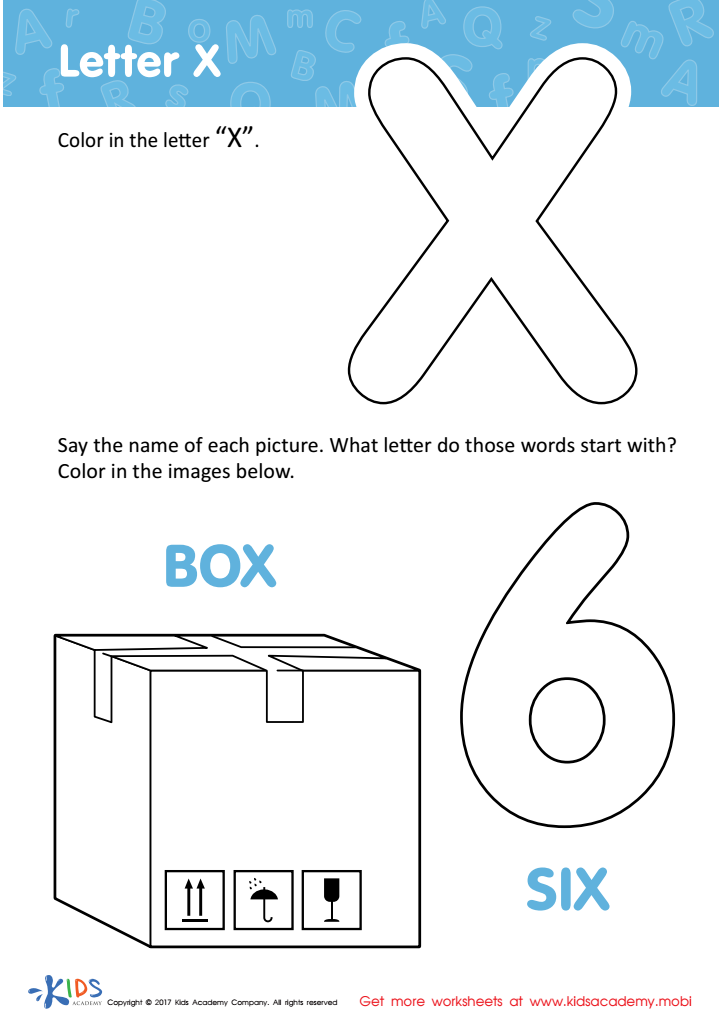
Letter X Coloring Sheet
Assign to My Students







Letter recognition is a fundamental skill for young learners, particularly in Grade 2, as it serves as the foundation for reading and writing. When parents and teachers prioritize letter recognition, they set the stage for children to develop strong literacy skills that are essential for academic success.
Proficient letter recognition helps children decode words, understand spelling patterns, and enhance their vocabulary. This skill is also pivotal in developing reading fluency, enabling students to focus on comprehension rather than struggling with the mechanics of reading. When children can easily identify letters and their corresponding sounds, they gain the confidence to tackle new and complex texts, fostering a love for reading.
Furthermore, letter recognition extends beyond academics; it cultivates cognitive development and fine motor skills as students engage in writing activities. Meaningful activities, such as letter games or storytime, can create an enriching environment where learning becomes enjoyable.
With the growing emphasis on literacy in education, a strong grasp of letter recognition also supports a smoother transition to third grade, where reading comprehension plays a significant role across all subjects. Thus, the collaboration between parents and teachers to nurture letter recognition is vital for ensuring children's long-term academic growth and success.