Counting practice Easy Grade 2 Numbers Worksheets
4 filtered results
-
From - To
Boost your child's confidence and math skills with "Counting Practice Easy Grade 2 Numbers Worksheets"! Perfectly designed for second graders, these engaging worksheets make learning numbers fun and effective. Your child will practice sequencing, recognize patterns, and enhance their counting proficiency, fostering both their number sense and problem-solving abilities. With colorful illustrations and varied exercises, these worksheets ensure that students stay motivated and enjoy their learning journey. Ideal for classroom use or at-home practice, they provide an excellent foundation for more advanced math concepts. Set your child on the path to success with our easy and enjoyable worksheets today!
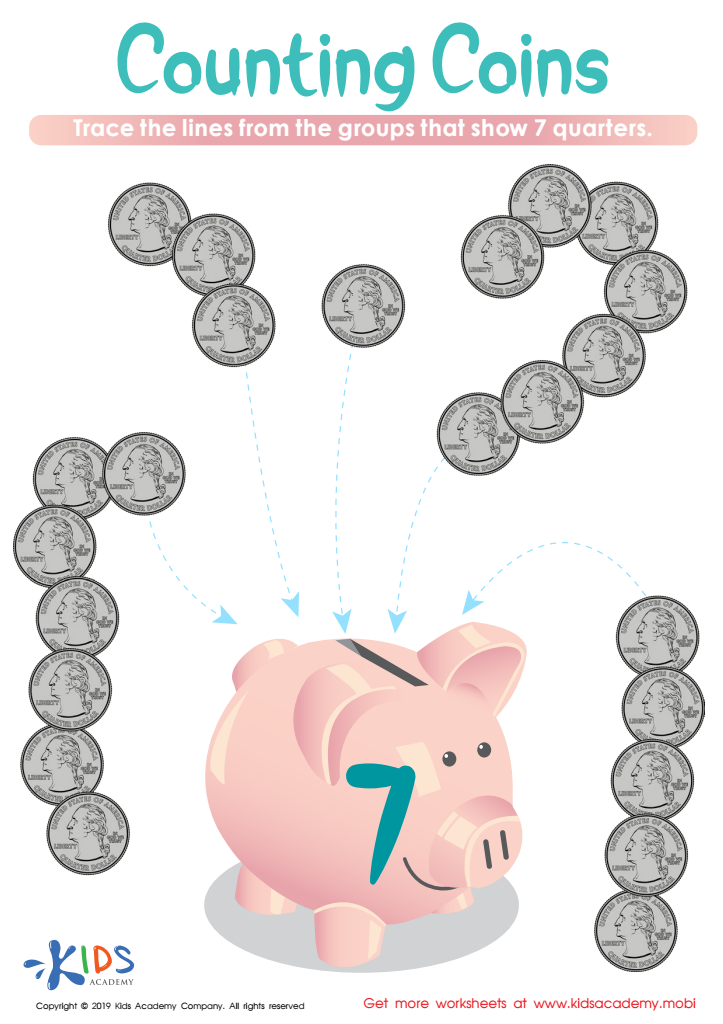
Counting Coins Worksheet
 Assign to My Students
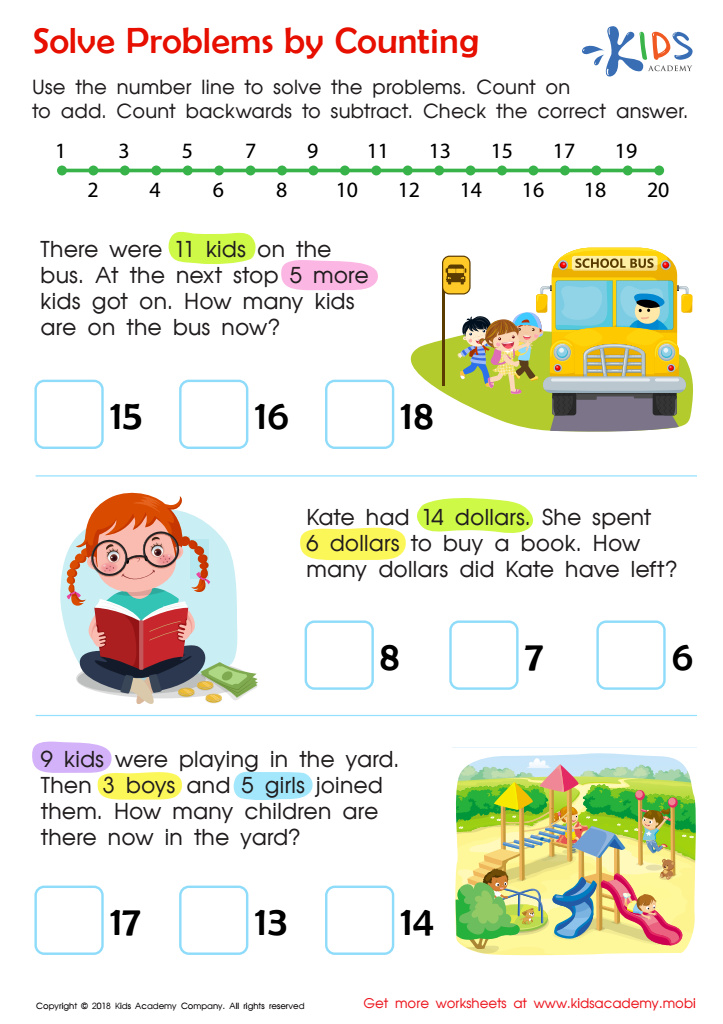
Solve Problems by Counting Worksheet
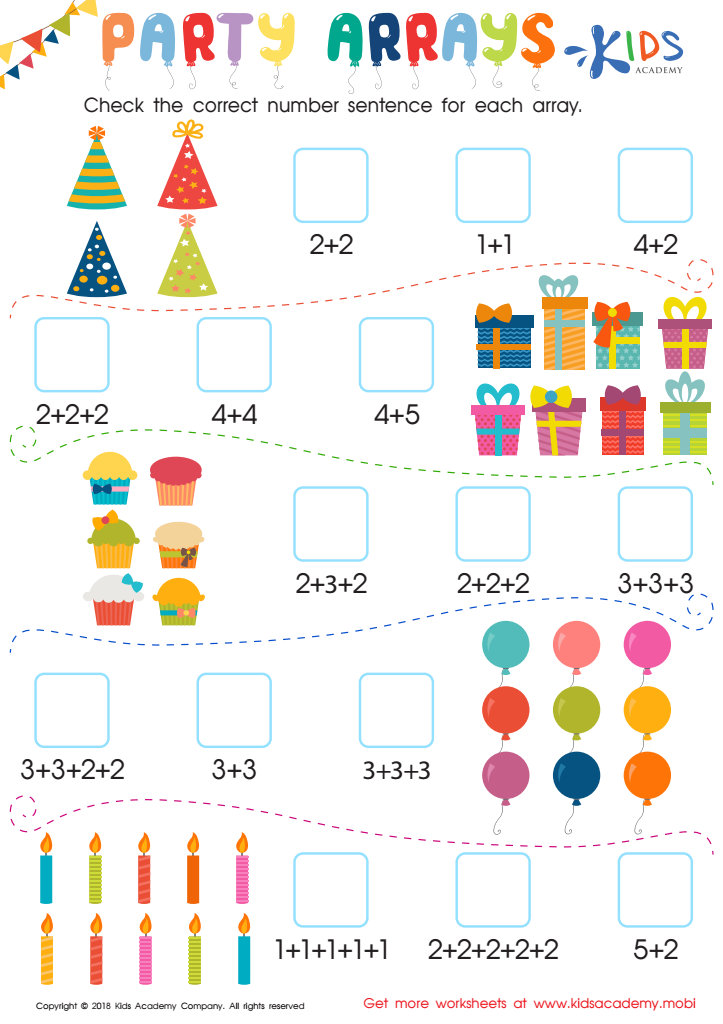
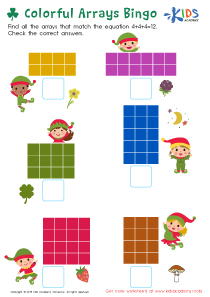
Party Arrays Worksheet
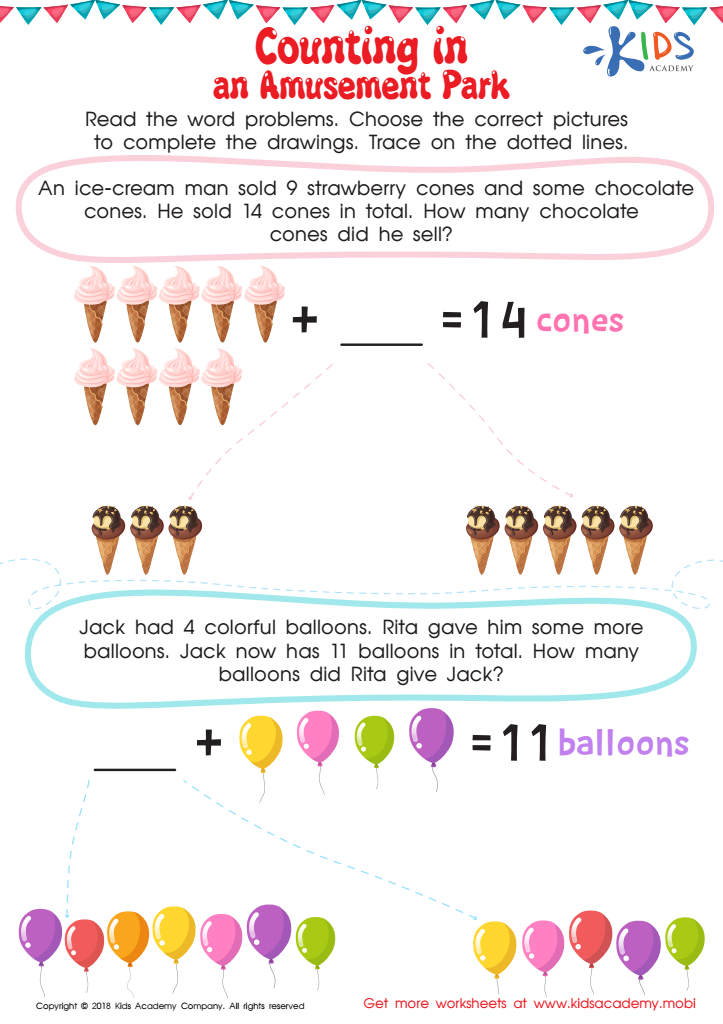
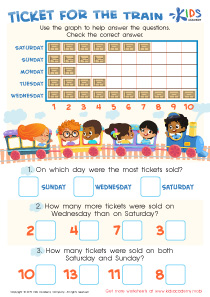
Counting in an Amusement Park Worksheet








Counting practice in early grades, like second grade, lays a critical foundation for math skills and cognitive development. Parents and teachers should prioritize this because it strengthens number sense, which is an understanding of how numbers work, their relationships, and their real-world applications. Mastering basic counting fosters confidence and competence, encouraging students to tackle more complex mathematical concepts with ease.
Additionally, counting practice enhances fine motor skills and memory retention. When students engage in counting activities, they often use manipulatives, write numbers, or group objects, all of which support physical coordination and cognitive connections. The repetition helps children commit these fundamental concepts to long-term memory, making future learning smoother.
Counting also ties into everyday tasks such as telling time, handling money, measuring ingredients, and understanding sequences in activities. By making counting an integral part of learning, children grasp these practical applications early, setting the stage for lifelong mathematical literacy.
Engaging in counting practice also means children can develop perseverance, problem-solving skills, and attention to detail. For example, they learn to identify patterns and make predictions, skills essential for more advanced academic achievements. Caring about counting practice thus equips children not only for immediate academic successes but also for critical thinking and informed decision-making in their daily lives.