Fine Motor Skills Easy Grade 2 Building Vocabulary Worksheets
3 filtered results
Difficulty Level
Grade
Age
-
From - To
Subject
Activity
Standards
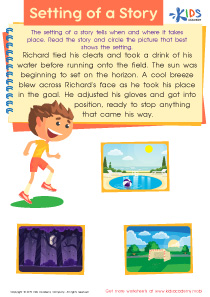
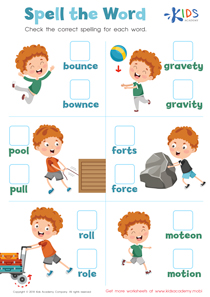
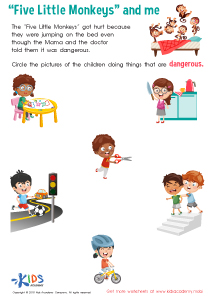
Enhance your second grader's learning experience with our engaging Fine Motor Skills Easy Grade 2 Building Vocabulary Worksheets! Designed to promote fine motor development while expanding vocabulary, these worksheets provide a fun and educational way for young learners to practice writing, tracing, and engaging with new words. Each exercise is crafted to improve dexterity and hand-eye coordination, essential skills for lifelong learning. Our vibrant and exciting worksheets capture children's attention, making learning enjoyable and effective. Ideal for teachers and parents, these resources are perfect for reinforcing vocabulary skills in a playful manner. Start building a strong foundation for literacy today!
Favorites
With answer key
Interactive
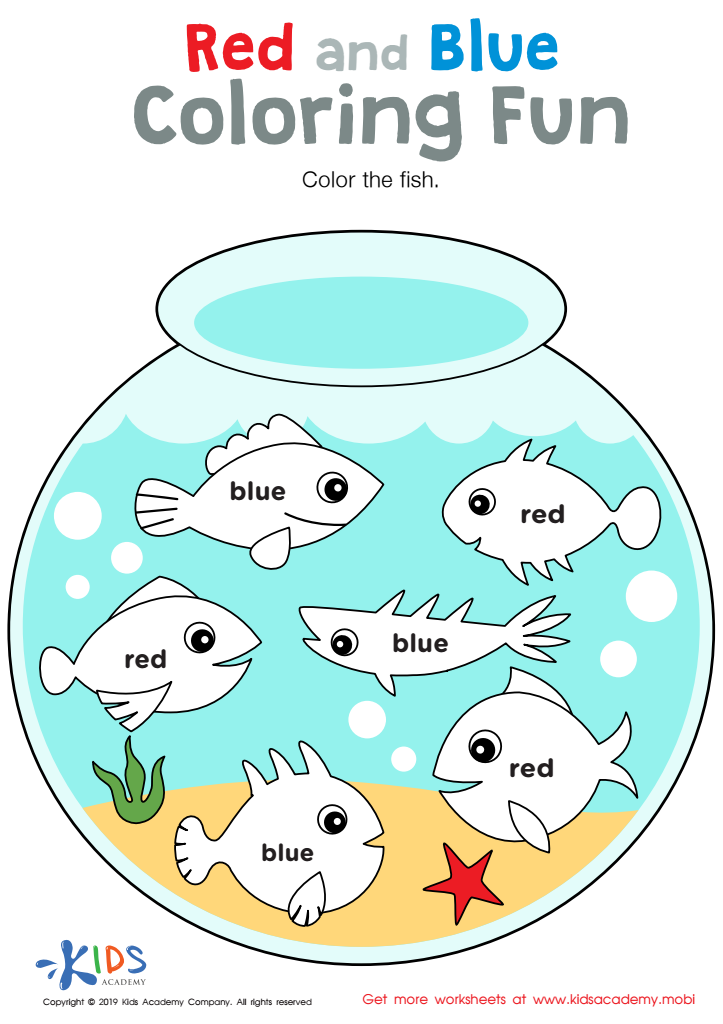
Red and Blue Coloring Fun Worksheet
Kids know colors like red and blue. But can they read these words? Give them practice with this fun fish bowl coloring sheet. They'll look at the fish, then color them the corresponding hue. Home or classroom, they'll be sure to get a kick out of learning colors in this creative way!
Download (PDF)
 Assign to My Students
Assign to My Students
Red and Blue Coloring Fun Worksheet
Worksheet
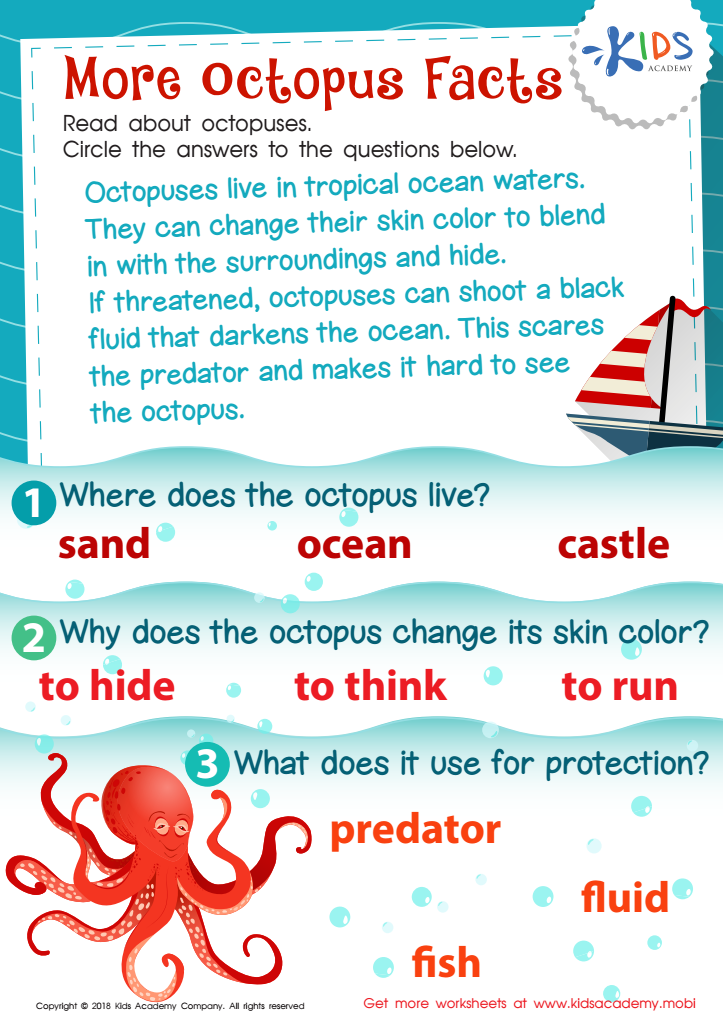
More Octopus Facts Worksheet
This worksheet will help your kids learn about the Octopus. Read the text carefully and have kids read with you. Now, ask them questions based on it and help them answer them by circling the right choices. Teaching your kids facts about animals will help them in the long run.
More Octopus Facts Worksheet
Worksheet
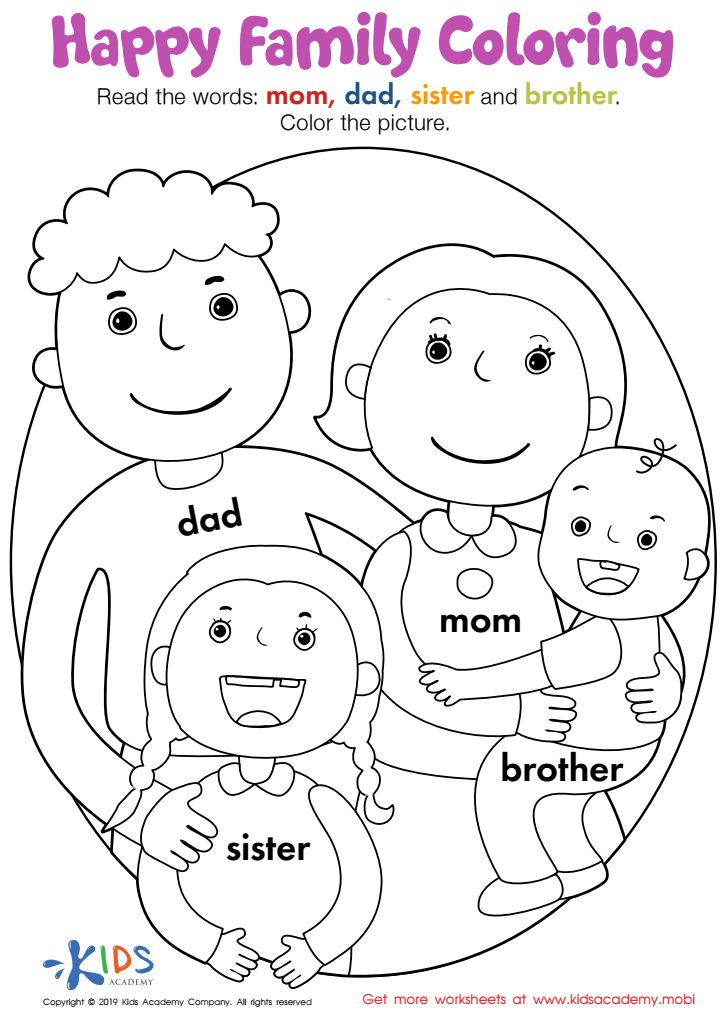
Happy Family Coloring Worksheet
Help your students gain confidence in family vocabulary with this worksheet. Labelled images of a family (dad, mom, sister, brother) are featured, along with an accompanying activity to colour in the picture. Your students will feel a sense of accomplishment after reading and completing the printable.
Download (PDF)
Assign to My Students
Assign to My Students
Happy Family Coloring Worksheet
Worksheet
Join Kids Academy for Free
Who is primarily going to use this learning content?








Fine motor skills are essential for young children, as they form the foundation for many everyday activities, from writing to self-care tasks. For parents and teachers of Grade 2 students, fostering these skills is particularly important because they directly impact a child's ability to engage with learning materials and classroom activities.
At this stage, children enhance their vocabulary and literacy as they practice writing letters and words. Fine motor skills improve their handwriting, making it neater and more legible. When children comfortably manipulate tools like scissors, pencils, and crayons, they build confidence. This confidence encourages them to explore new vocabulary and indulge in creative activities, including crafting stories or drawing.
Moreover, strong fine motor skills facilitate better classroom participation. Children capable of managing simple tasks independently, such as buttoning shirts or handling books, are generally more engaged and focused. Furthermore, fine motor activities like threading beads or engaging in puzzles stimulate cognitive skills and hand-eye coordination.
Investing in fine motor skill development ultimately supports a child's overall growth—cognitively, socially, and emotionally—as they succeed in school and internalize critical problem-solving abilities. Thus, both parents and teachers have a vested interest in nurturing these skills.