Alphabet Recognition Easy Grade 3 English for Beginners Worksheets
6 filtered results
-
From - To
Unlock your child’s reading potential with our Alphabet Recognition Easy Grade 3 English for Beginners Worksheets! Designed specifically for young learners, these engaging activities seamlessly blend fun and education, helping students familiarize themselves with each letter of the alphabet. Perfect for third-grade beginners or ESL students, our worksheets enhance letter recognition, boost literacy skills, and build a strong language foundation. Each page features eye-catching visuals and interactive exercises tailored to maintain kids' interest and foster independent learning. Equip your little one with the tools they need to succeed in English with our expertly crafted worksheets.
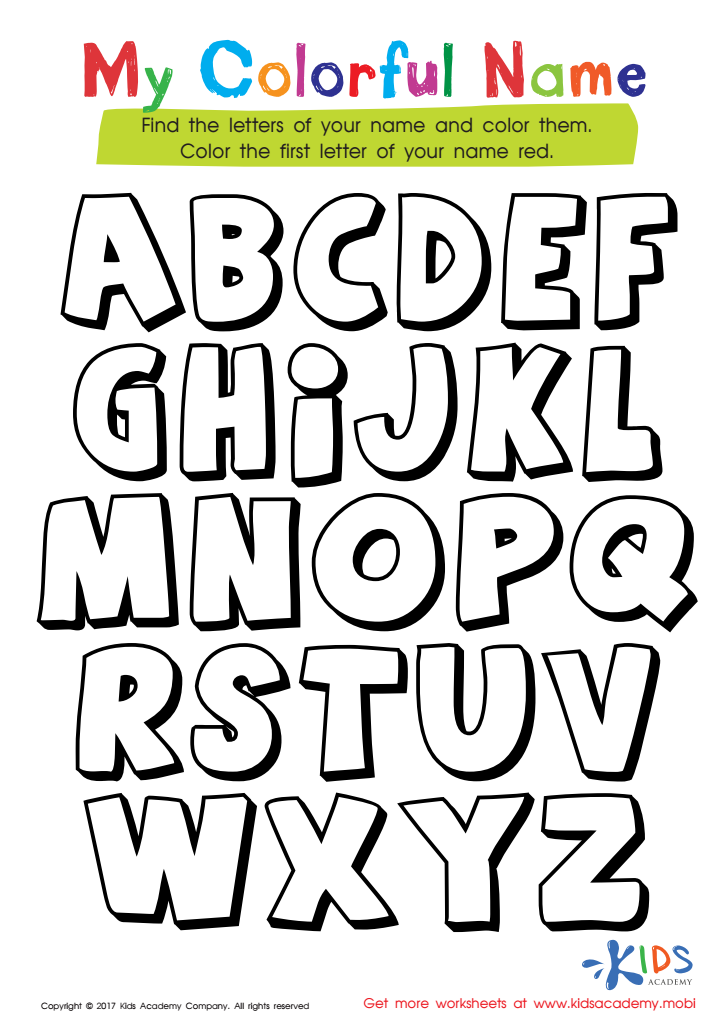
My Colorful Name Worksheet
 Assign to My Students
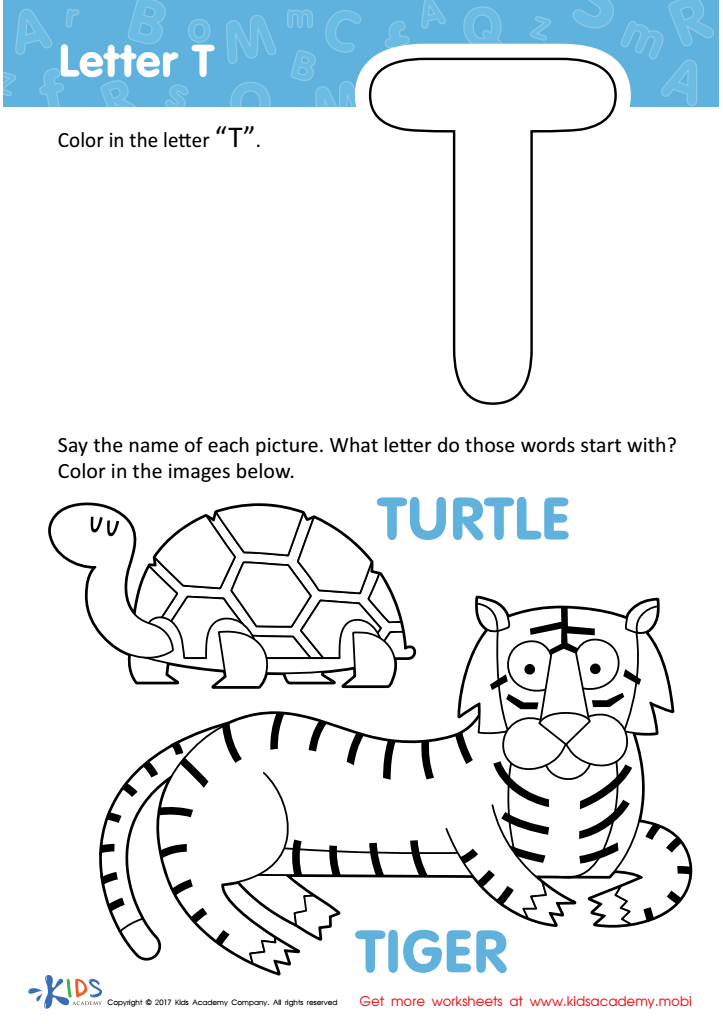
Letter T Coloring Sheet
Assign to My Students
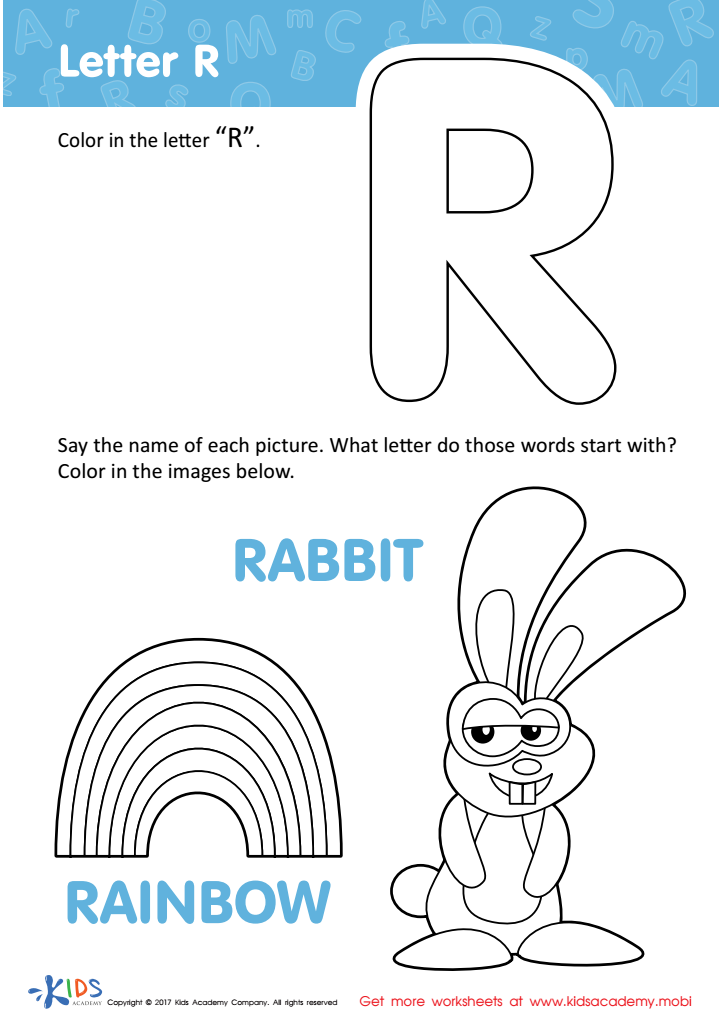
Letter R Coloring Sheet
Assign to My Students
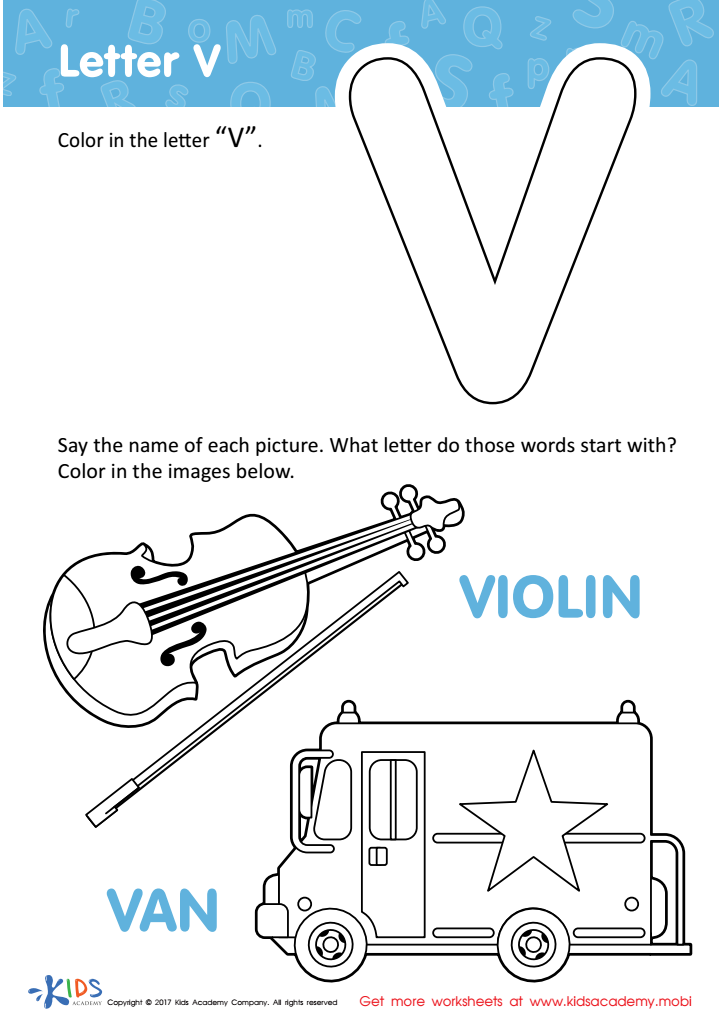
Letter V Coloring Sheet
Assign to My Students
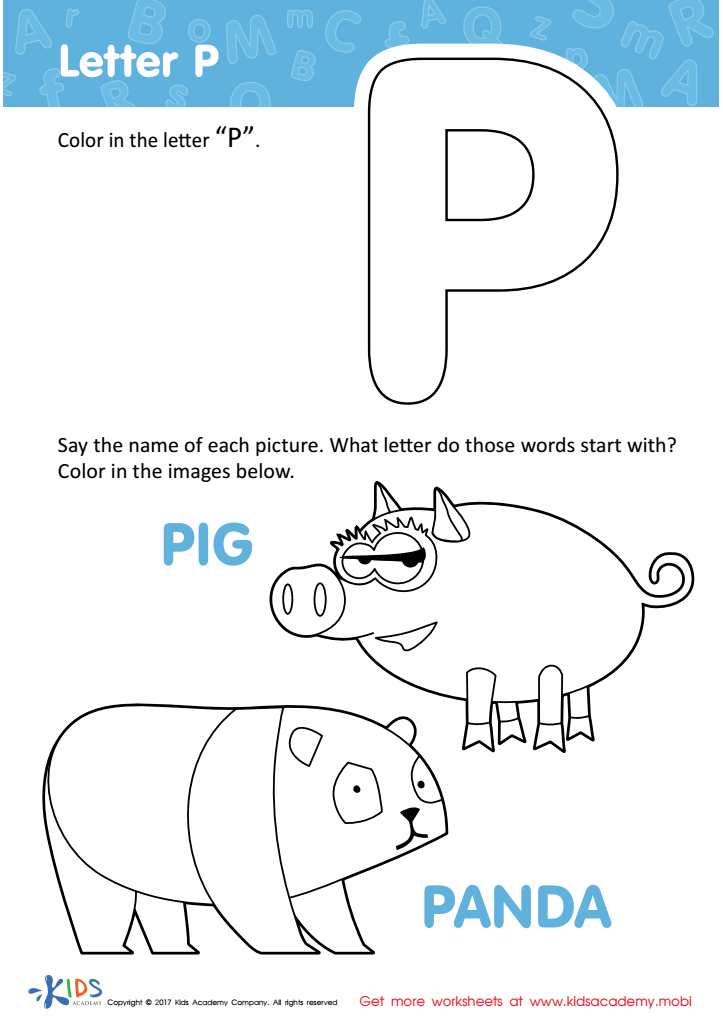
Letter P Coloring Sheet
Assign to My Students
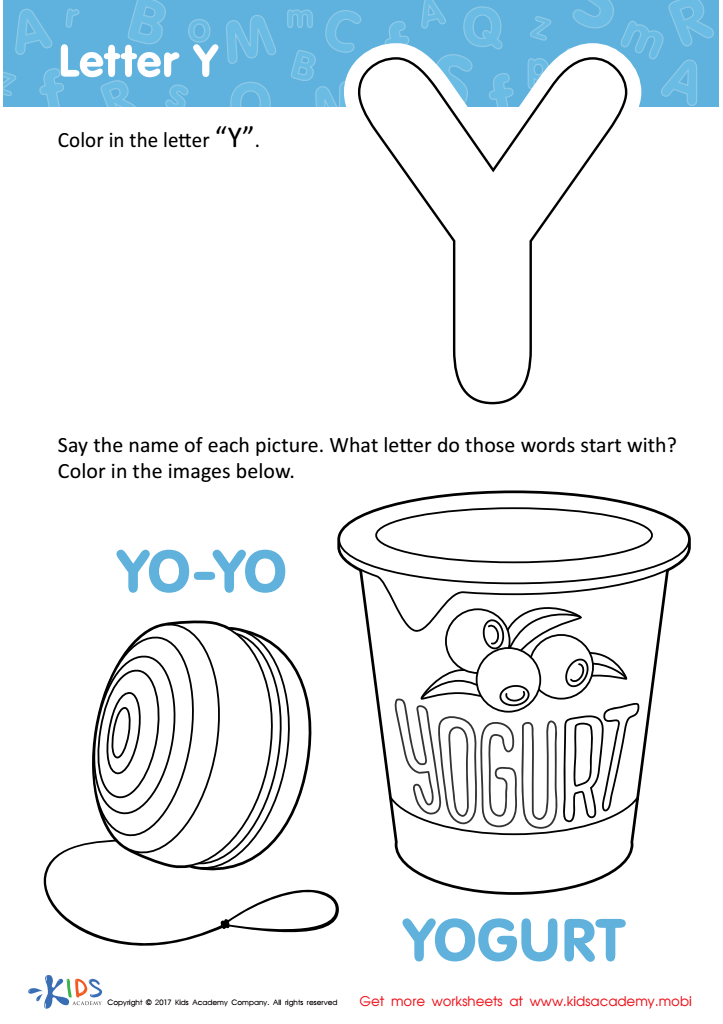
Letter Y Coloring Sheet
Assign to My Students


Alphabet recognition is a foundational skill crucial for young learners, and it is especially important for parents and teachers to care about this in the context of Grade 3 English for Beginners. At this stage, children are transitioning from learning to recognize letters to using them in more complex ways such as reading and writing. Adequate alphabet recognition ensures that children can fluently identify and differentiate between all 26 letters of the alphabet, both uppercase and lowercase, which is essential for developing literacy skills.
Good alphabet knowledge facilitates easier decoding of words, which is critical for both reading and spelling. When children can swiftly recognize letters and their sounds, they can more effectively decode unfamiliar words, thereby improving their reading fluency and comprehension. This also lays the groundwork for accurate and confident spelling and writing.
Moreover, helping children master alphabet recognition can boost their confidence in the classroom, providing them with the fundamental tools they need to succeed in various academic tasks. Teachers and parents play an essential role by providing enjoyable and interactive activities that reinforce these skills, such as engaging games, flashcards, or hands-on exercises. By fostering a strong foundation in alphabet recognition, teachers and parents set the stage for continued academic achievement and a lifelong love of learning.