Fine motor skills development Grade 1 Alphabet Worksheets
3 filtered results
Difficulty Level
Grade
Age
-
From - To
Subject
Activity
Standards
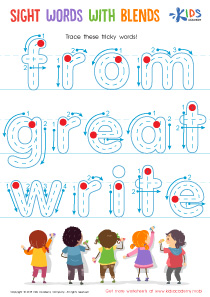
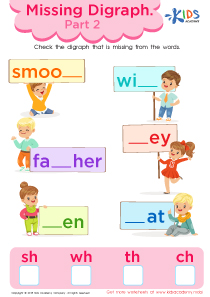
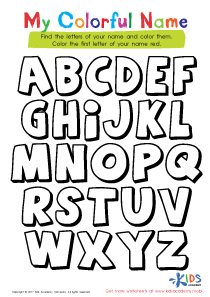
Enhance your child's fine motor skills with our engaging Grade 1 Alphabet Worksheets! These specially designed activities focus on developing hand-eye coordination, dexterity, and control, essential for young learners. Our printable worksheets feature fun tracing, coloring, and cutting exercises centered around letters and the alphabet, making practice enjoyable. Perfect for reinforcing classroom learning or enriching home education, these worksheets help children learn letter recognition and improve penmanship simultaneously. With a variety of engaging designs and exercises, students will build foundational skills needed for writing confidently and accurately. Unlock your child's potential with our effective fine motor skills development resources today!
Favorites
With answer key
Interactive
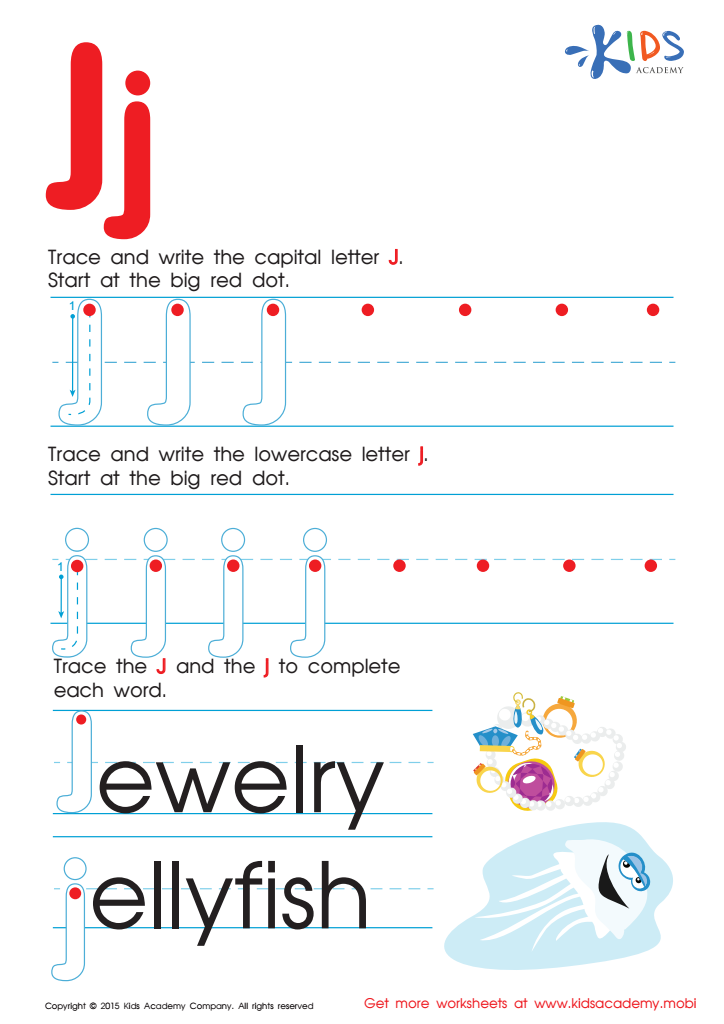
Letter J Tracing Page
Trace and write the letter "J" with our ABC worksheet - start at the big red dot! Have fun completing words like jewelry, jellyfish and more. Check out our kindergarten activities for more alphabet practice.
Letter J Tracing Page
Worksheet
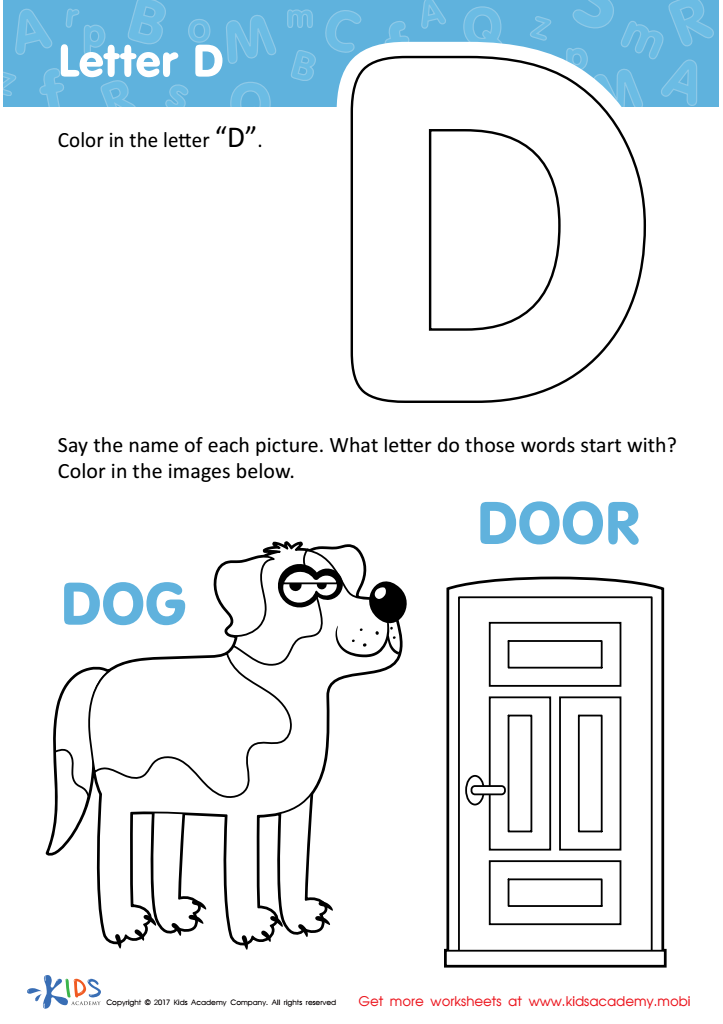
Letter D Coloring Sheet
Coloring with this letter "D" page is a great way to encourage your child's creativity while they learn the letter "D" and its sound. It's a fun activity to stimulate their imagination!
Download (PDF)
 Assign to My Students
Assign to My Students
Letter D Coloring Sheet
Worksheet
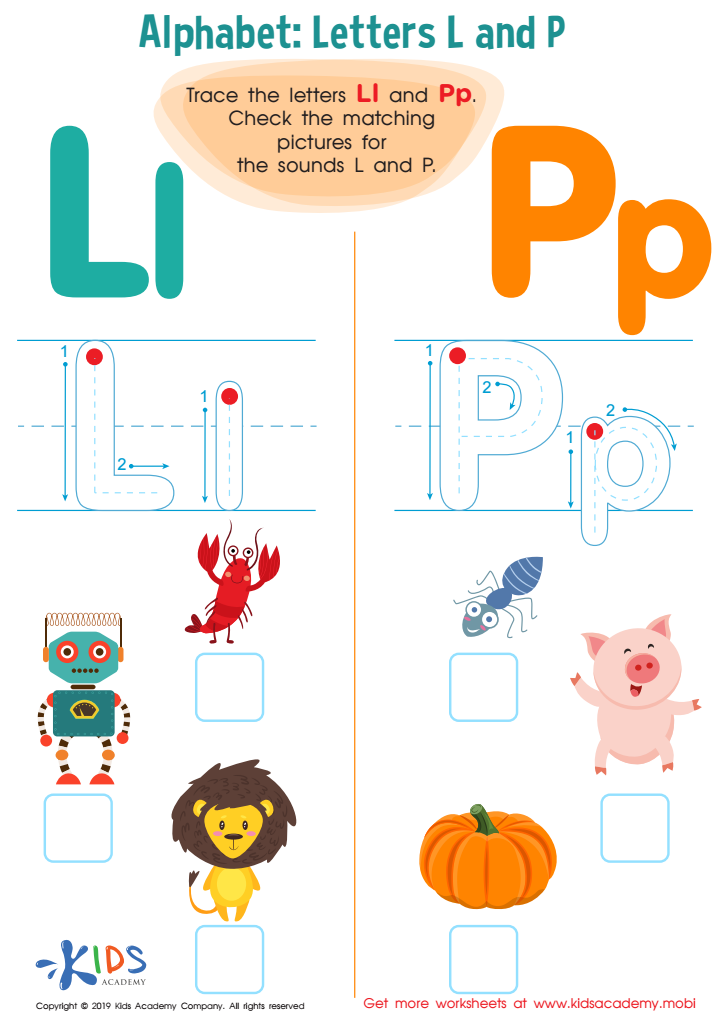
Letter L and P Tracing Worksheet
This traceable worksheet can motivate your students to learn and practice core skills. They'll trace the letters 'L' and 'P' and identify the pictures next to them. With this exercise, they'll unlock their learning abilities and excel in the subject!
Letter L and P Tracing Worksheet
Worksheet
Join Kids Academy for Free
Who is primarily going to use this learning content?








Fine motor skills are crucial for children, especially in Grade 1, as they significantly impact a student's ability to interact with their environment and succeed in academic activities. At this stage, children are developing foundational skills that lay the groundwork for future learning.
Firstly, fine motor skills involve the coordination of small muscles in the hands and fingers, essential for activities such as writing, drawing, and using scissors. When children practice forming alphabet letters, they hone these skills, which are vital for producing clear, legible writing. Developing strong fine motor skills can also bolster a child's confidence in their academic abilities.
Moreover, fine motor skills are linked to cognitive development. Engaging in tasks that require precision can enhance concentration, problem-solving, and even literacy skills as children learn to recognize letters and words.
Additionally, nurturing these skills fosters self-esteem. When children can successfully write their names or engage in classroom activities, they feel a sense of accomplishment. Therefore, parents and teachers should prioritize fine motor skill development through play-based learning and structured activities. Fostering these skills not only benefits a child's academic journey but also supports their emotional and social growth, setting them up for lifelong success.