Filters

52 filtered results

Clear all filters
Favorites
With answer key
Interactive

52 filtered results

Difficulty Level

Grade


Check out this FREE Grade 1 Trial Lesson on Alphabet!

Divide Words into Syllables

Favorites
With answer key
Interactive
  • Grade 1
  • Fine Motor Skills
  • Alphabet
Letter T worksheets
Letter T worksheets

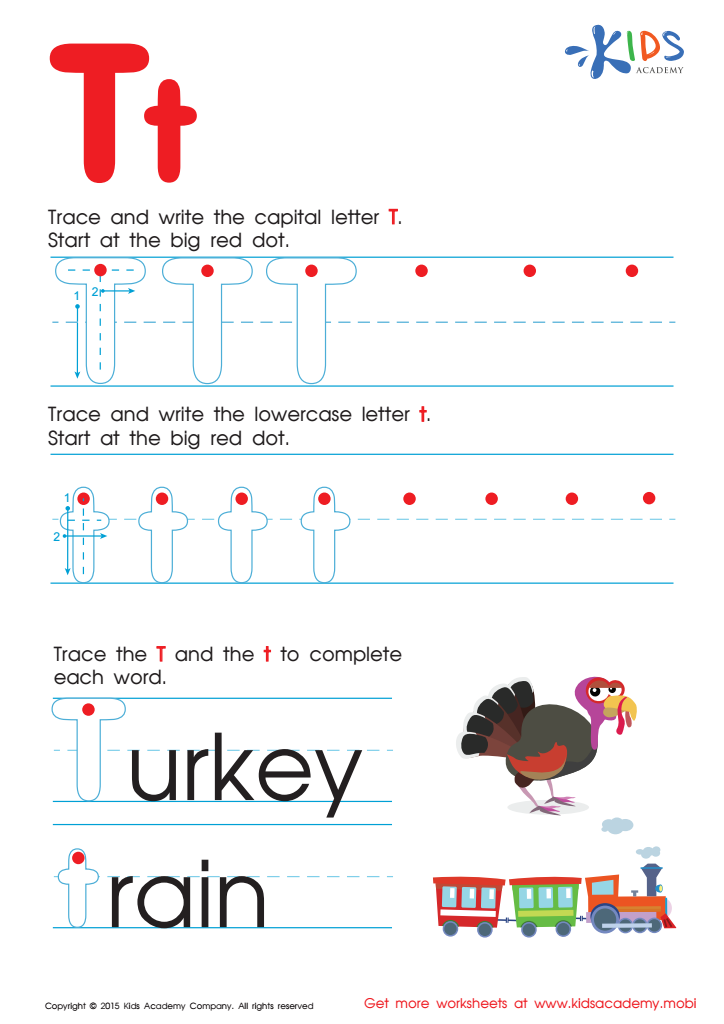
Letter T Tracing Page

Trace letters, complete words, draw pictures and see your kids having fun! Kids Academy offers alphabet tracing worksheets to learn to write letters. Start with the big red dot, trace the letter, then write it. Practice uppercase and lowercase. Have fun completing words with a Turkey or a rain-train and draw pictures. Get more printable worksheets to make learning enjoyable.
Letter T Tracing Page
Worksheet
Letter N Coloring Page

Letter N Coloring Sheet

Let your child get creative and learn the alphabet with this letter "N" coloring page! It's a fun way to recognize the letter, featuring a body part all kids know. Coloring and reinforcing recognition of "N" will help your child have fun while learning!
Download (PDF)
Assign to My Students
Letter N Coloring Sheet
Worksheet
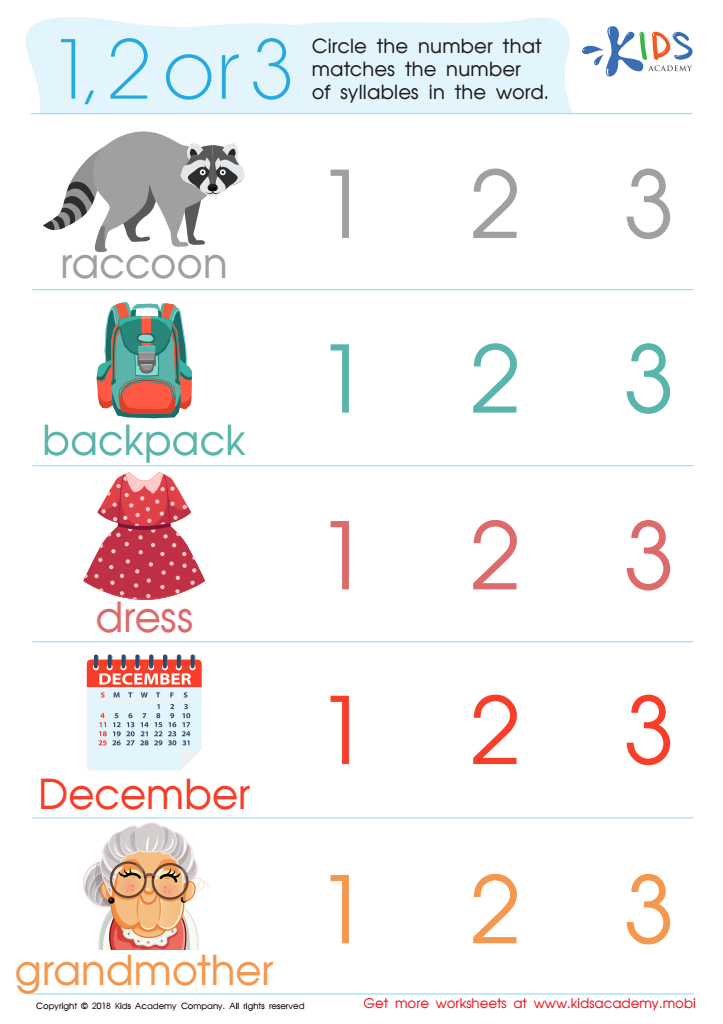
1, 2 or 3? Worksheet

1, 2 or 3? Worksheet

Do your kids know about syllables? Test their understanding with this worksheet. Read the words aloud and ask them to say them with you. Help them circle the number that matches the number of syllables in each word. Perfect for expanding knowledge or testing how much they've already learned.
1, 2 or 3? Worksheet
Worksheet
letter d worksheets
letter d worksheets

Letter D Tracing Page

Trace and write capital and lowercase letter "D" with our free printable alphabet worksheet! Be careful not to mix up "b" and "d" - just look at the ducks and write their first letter. The dolphin wants to join the fun too - do you like dolphins? Get more fun worksheets and activities at Kids Academy!
Letter D Tracing Page
Worksheet


... 2 3

Fine motor skills are fundamental in early childhood development, particularly when learning to write the alphabet in Grade 1. These skills involve the coordinated use of the small muscles in the hands and fingers, essential for tasks such as holding a pencil, forming letters, and eventually writing words and sentences. Cultivating fine motor skills enhances a child's ability to perform academic-related activities efficiently and confidently, laying a strong foundation for learning.

Parents and teachers should emphasize fine motor skills because they support overall cognitive development. Mastery of these skills fosters hand-eye coordination and precision, which are beneficial beyond handwriting to other areas, like drawing, cutting with scissors, and manipulating small objects. Improved fine motor control can lead to better academic performance, boosting the child's self-esteem and willingness to engage in class activities.

Additionally, developing good fine motor skills early on can prevent potential frustrations and the development of negative attitudes toward schoolwork. For first graders, writing the alphabet is a critical milestone that impacts their reading and communication skills. By ensuring that children have strong fine motor skills, parents and teachers contribute to smoother educational experiences and long-term academic success, ensuring that children are well-prepared as they progress through their educational journey.