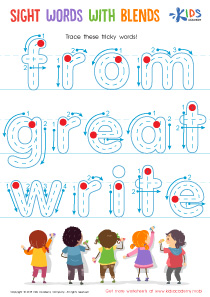
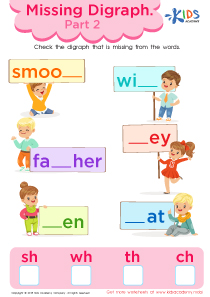
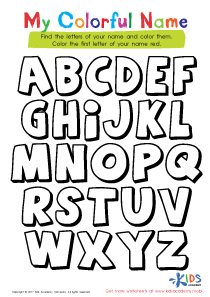
Phonics Skills Grade 1 Alphabet Worksheets - Page 2
26 filtered results
-
From - To

Long and Short E Worksheet
 Assign to My Students
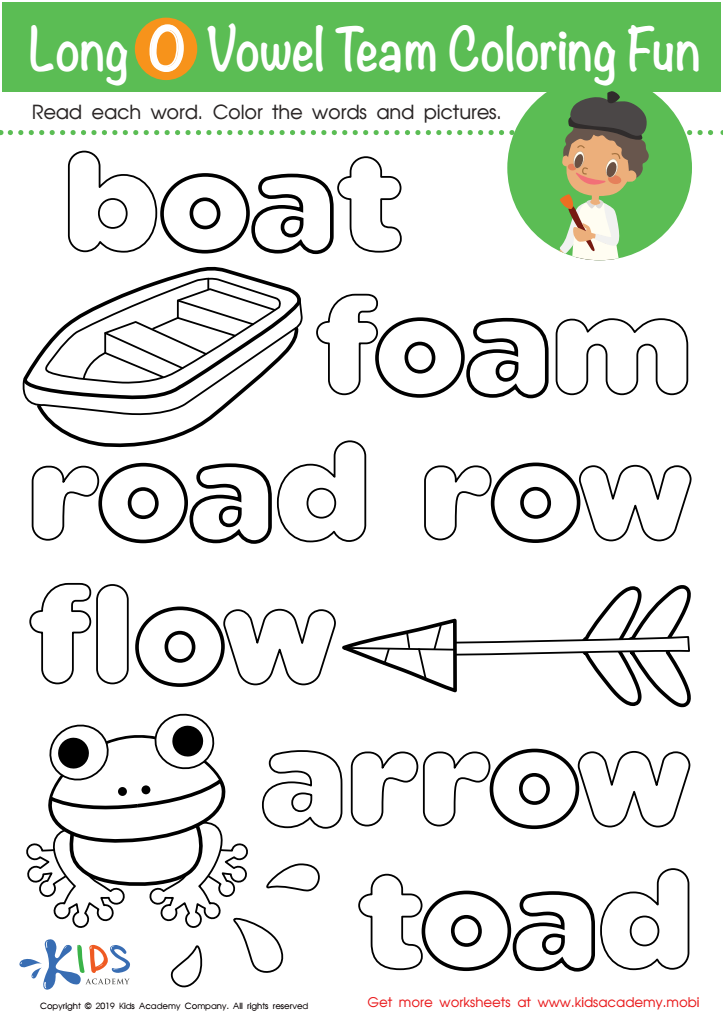
Long O Vowel Team Coloring Worksheet
Assign to My Students








Phonics skills are essential for first-grade students as they form the foundation of reading and writing. Understanding the relationship between letters and their sounds helps children decode words, which is crucial for their literacy development. When students grasp phonics, they not only learn to read more fluently but also begin to develop a love for literature, and consequently, become confident readers with strong comprehension skills.
For parents and teachers, focusing on phonics skills can lead to significant advancements in a child’s overall academic success. Early mastery of phonics enhances vocabulary, spelling, and verbal skills, setting the stage for lifelong learning. Phonics instruction encourages active engagement and reinforces connections between spoken and written language, ultimately promoting self-sufficiency in reading.
Additionally, phonics assessment can be a valuable tool for educators and parents to identify areas where a child may need extra support. Addressing these gaps early can prevent future struggles with more complex reading materials. By emphasizing phonics, both parents and teachers play vital roles in nurturing proficient readers who can tackle challenging texts in later grades, ensuring their success across all subjects. Investing time in phonics skills at this crucial stage, therefore, pays dividends in a student’s educational journey.