Alphabet Recognition Grade 1 Letter Recognition Worksheets - Page 2
32 filtered results
-
From - To
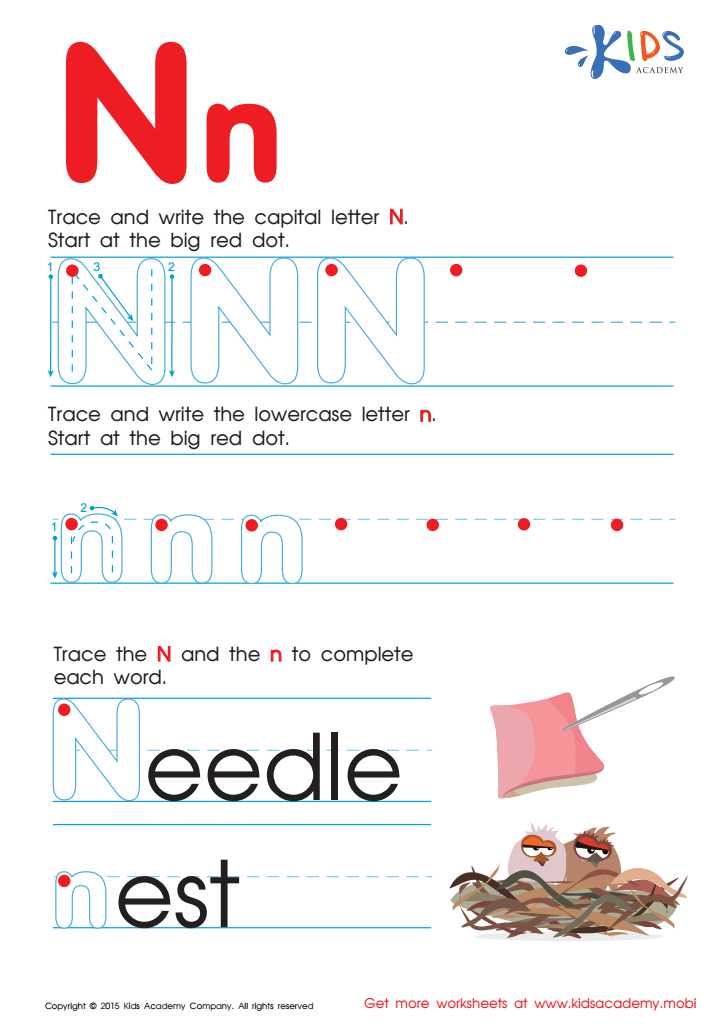
Letter N Tracing Page
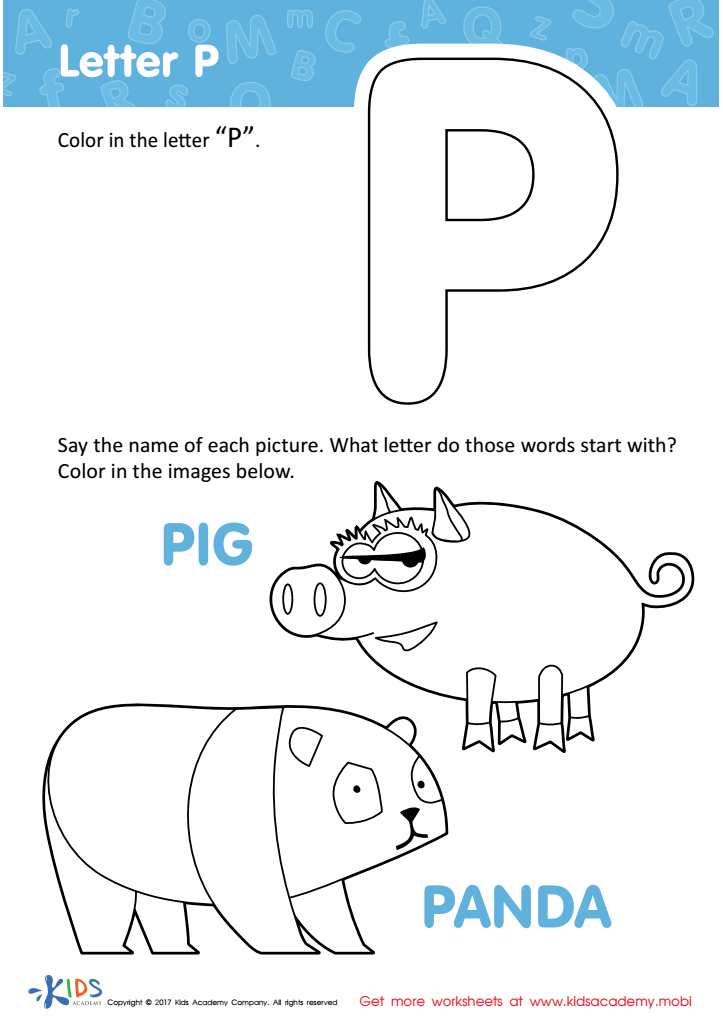
Letter P Coloring Sheet
 Assign to My Students
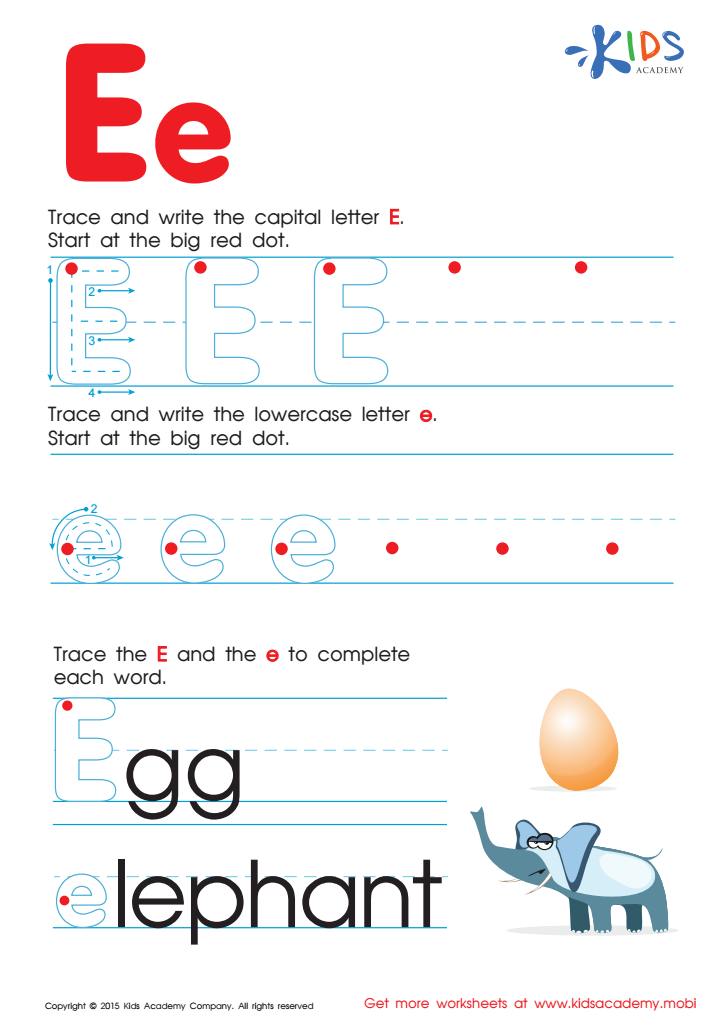
Letter E Tracing Page
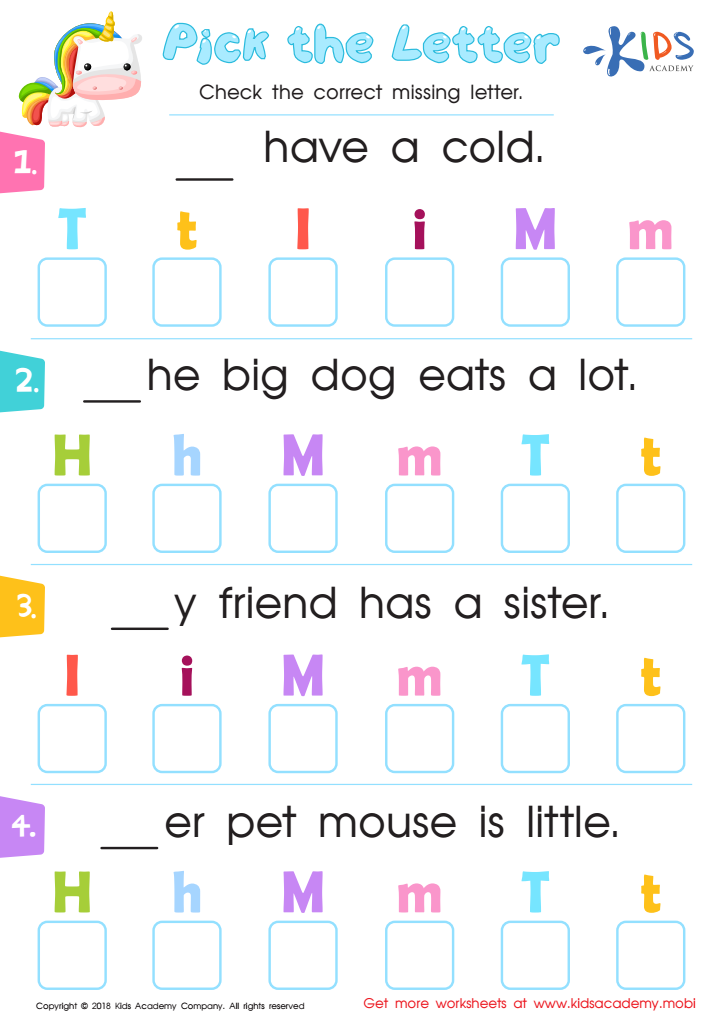
Pick the Letter Worksheet
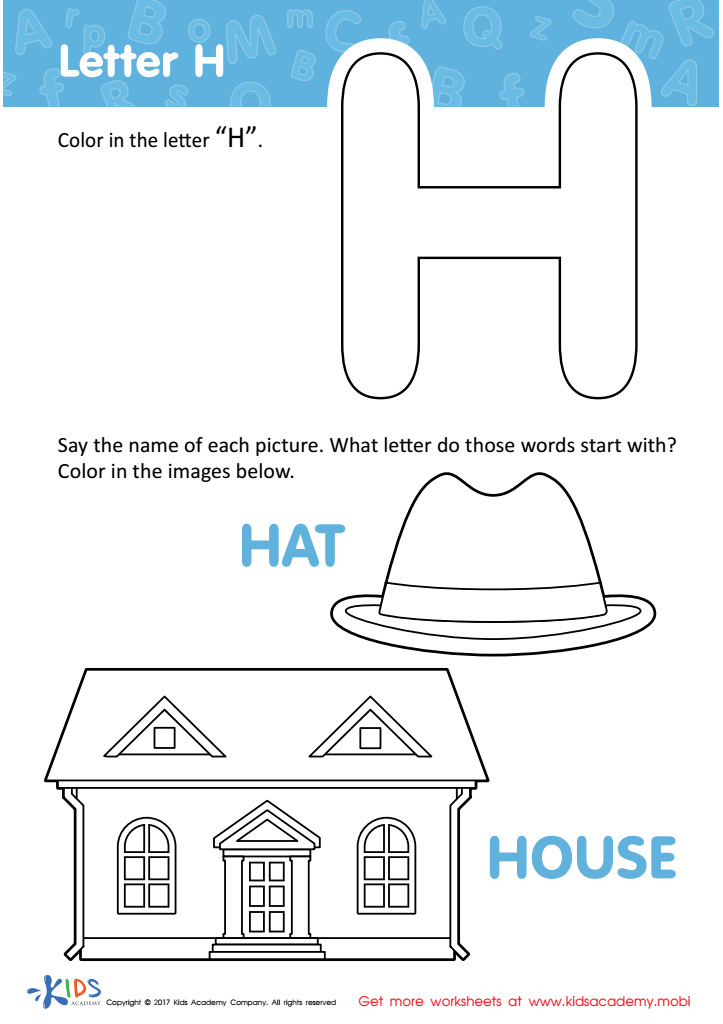
Letter H Coloring Sheet
Assign to My Students
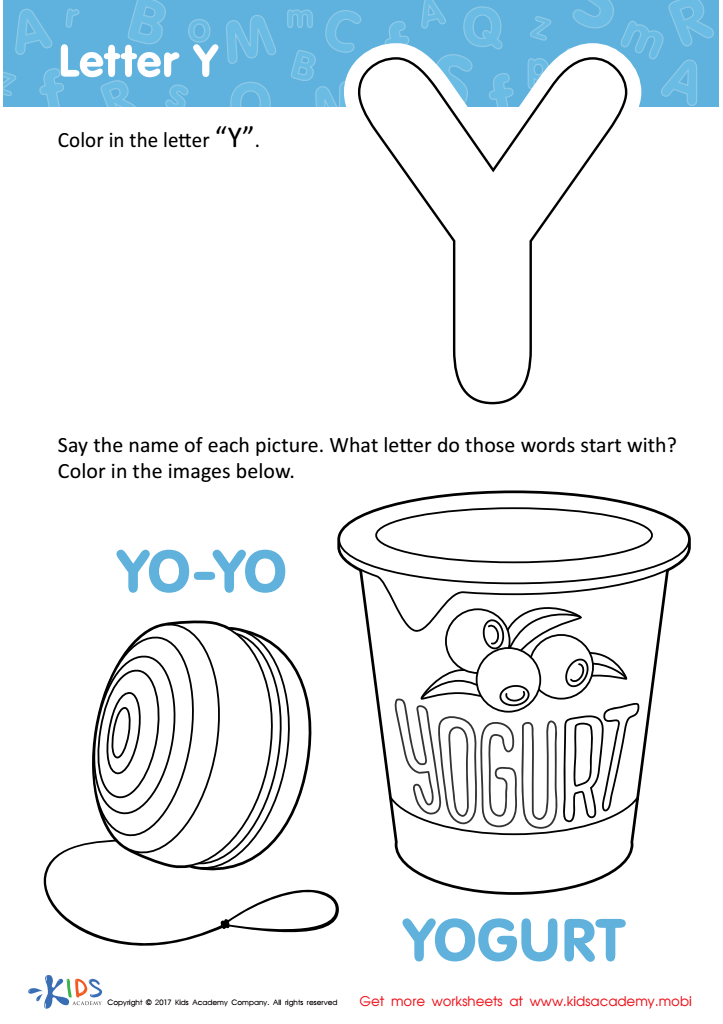
Letter Y Coloring Sheet
Assign to My Students
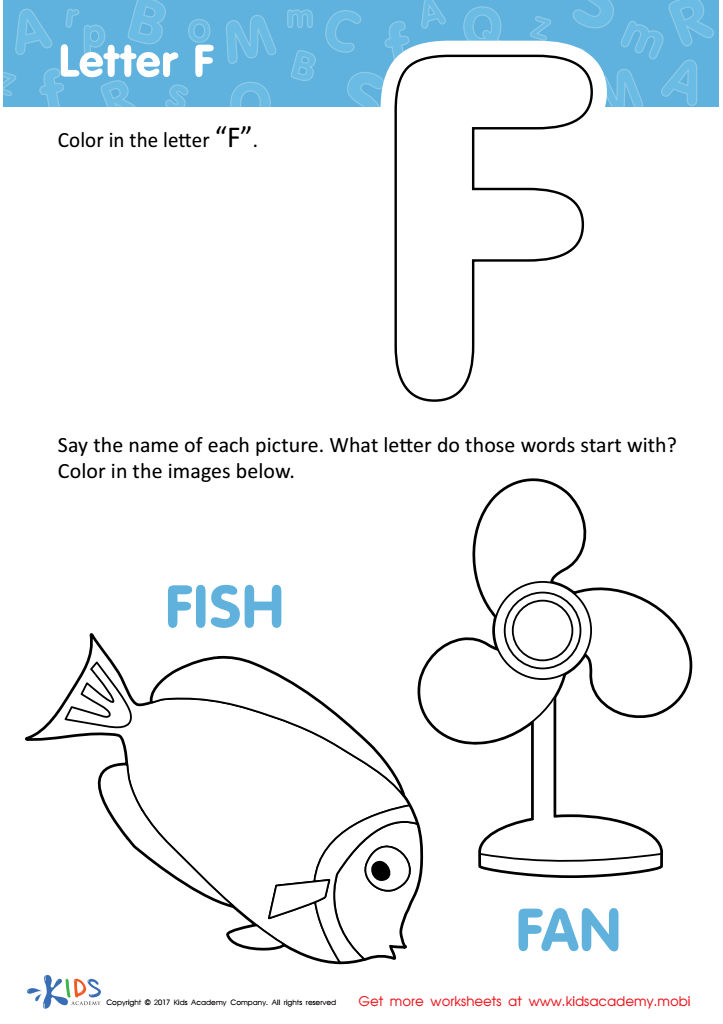
Letter F Coloring Sheet
Assign to My Students
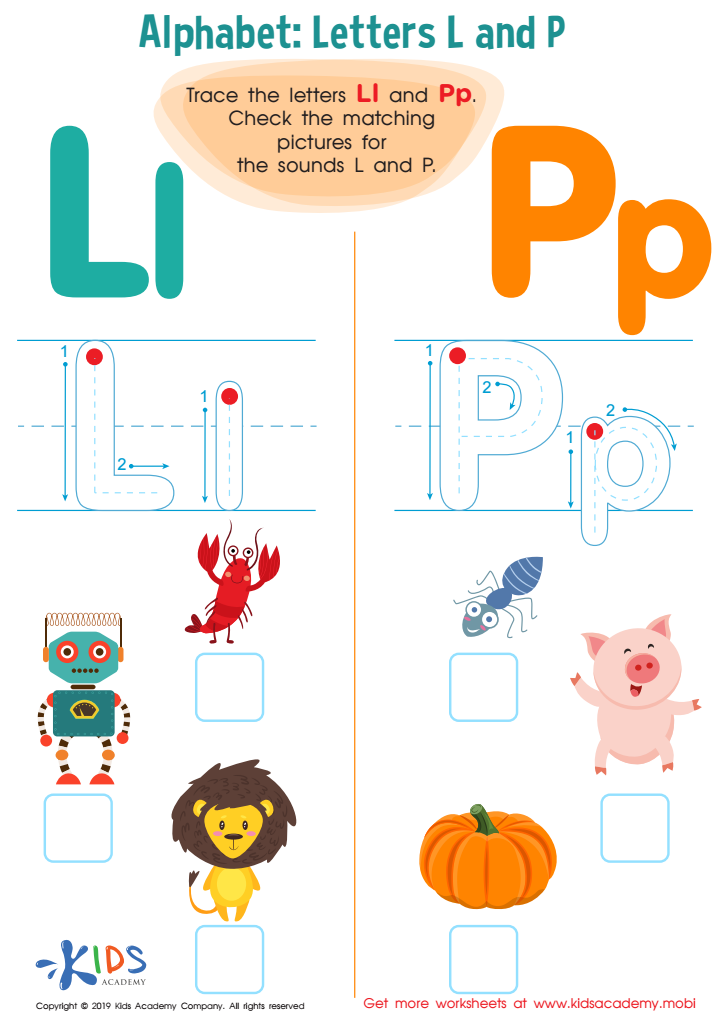
Letter L and P Tracing Worksheet



Alphabet recognition in Grade 1 is a fundamental skill that sets the stage for a child’s entire academic journey, and it merits immediate attention from both parents and teachers. By recognizing and understanding letters, children develop the essential building blocks for reading and writing. Proficiency in letter recognition directly translates to the ability to decode words, making it easier for young learners to grasp basic literacy skills.
Early competency in recognizing letters is linked to stronger phonemic awareness—the understanding that words are made up of individual sounds. This awareness is crucial for developing spelling skills, understanding word patterns, and eventually learning to read fluently. Children who struggle with letter recognition may face ongoing difficulties in these areas, leading to frustration and decreased confidence in their academic abilities.
From a developmental standpoint, teaching letter recognition also fosters cognitive skills such as memory, attention to detail, and categorization. The simplicity of recognizing shapes and sounds associated with letters can gradually lead to more complex problem-solving capabilities.
Furthermore, early achievement in letter recognition has been associated with academic success in other areas like mathematics and science, due to the enhanced cognitive skills that literacy development promotes. Therefore, ensuring that children in Grade 1 achieve strong alphabet recognition will support their learning processes long-term, making it a critical focus for parents and teachers alike.