Letter formation Grade 1 English for Beginners Worksheets
4 filtered results
-
From - To
Introduce your first graders to the essentials of English with our Letter Formation Grade 1 English for Beginners Worksheets. Designed to make learning fun and effective, these worksheets help young learners master the basics of letter formation through engaging activities. Each sheet offers step-by-step guidance on proper strokes, posture, and sequence, ensuring students develop a strong foundation in handwriting. Perfect for early grade educators, our worksheets support fine motor skills, letter recognition, and phonetic awareness. Help your students confidently create each letter of the alphabet with precision and ease. Download today and watch their writing skills flourish!
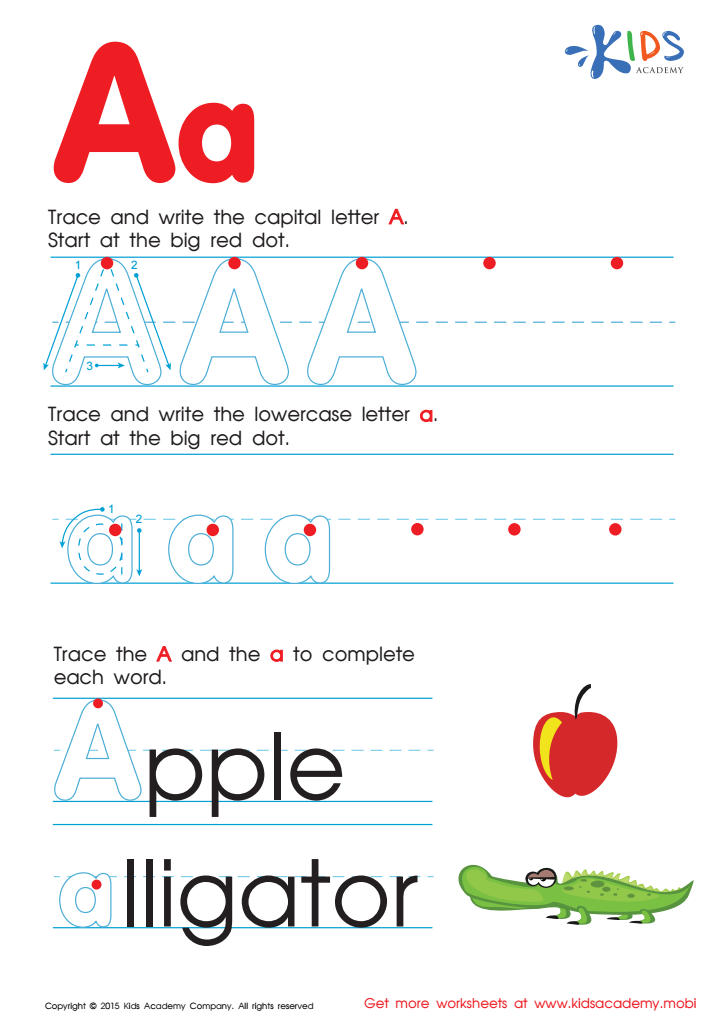
Letter A Tracing Page

Letter P Tracing Page

Letter G Tracing Page
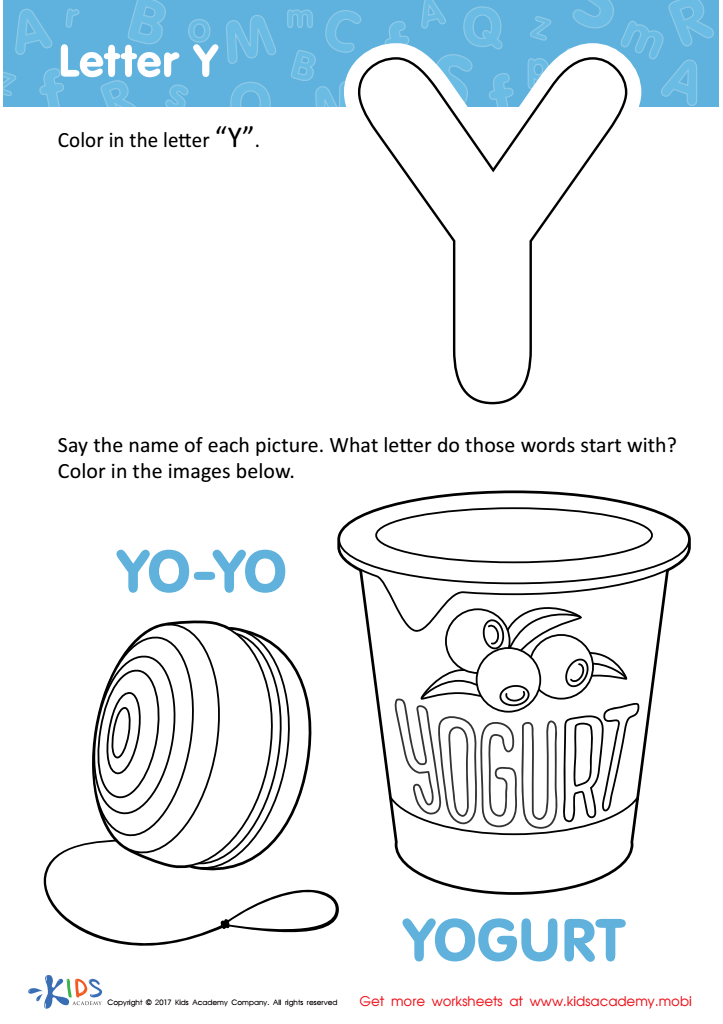
Letter Y Coloring Sheet
 Assign to My Students


Importance of Letter Formation in Grade 1
Good letter formation is crucial for first-grade students as it lays a strong foundation for proficient writing skills, which are essential for effective communication. For beginners, learning to form letters correctly helps them develop legible handwriting, a key skill in academic progress.
Parents and teachers should prioritize proper letter formation because it fosters better reading and writing fluency. When children can write legibly and efficiently, they spend less cognitive energy on producing letters, allowing them to focus more on the content of their writing, enhancing their overall literacy.
Proper letter formation aids in muscle memory development, ensuring that children can write comfortably and quickly. It also prevents bad habits that can be difficult to correct later on, reducing the risk of frustration and low self-esteem linked to poor handwriting. Additionally, neat handwriting helps children communicate their ideas clearly, enabling them to complete assignments more effectively and fostering greater academic success.
At an early age, positive reinforcement and structured practice in letter formation can make a significant difference in a child’s educational journey. Parents and teachers who emphasize the importance of these fundamental skills are setting children up for sustained academic achievement and lifelong learning success.