Classification skills Grade 1 Worksheets
5 filtered results
-
From - To
Enhance your first grader’s learning journey with our engaging Classification Skills worksheets! Designed specifically for young learners, these worksheets help children develop critical thinking by categorizing objects, animals, and shapes. Through fun activities, your students will learn to identify, sort, and classify items based on various attributes like color, size, and shape. Our printable resources make it easy to integrate classification practice into your lessons, fostering essential skills that lay the groundwork for their academic success. Whether used at home or in the classroom, these worksheets will motivate kids to explore and understand the world around them while honing their problem-solving abilities.
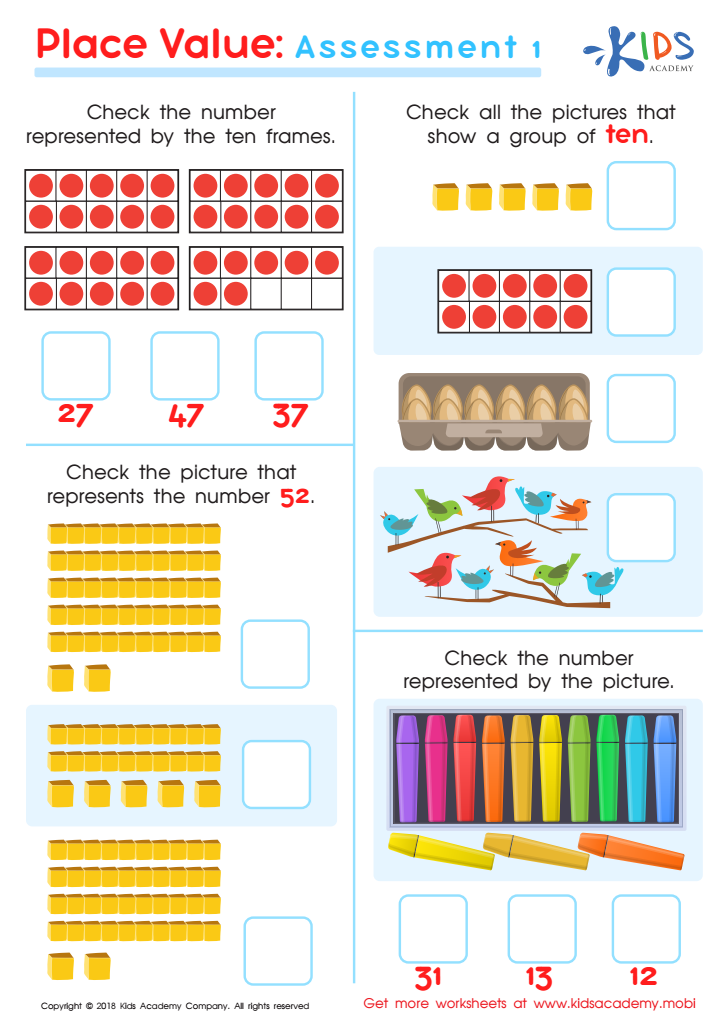
Place Value: Assessment 1 Worksheet
 Assign to My Students
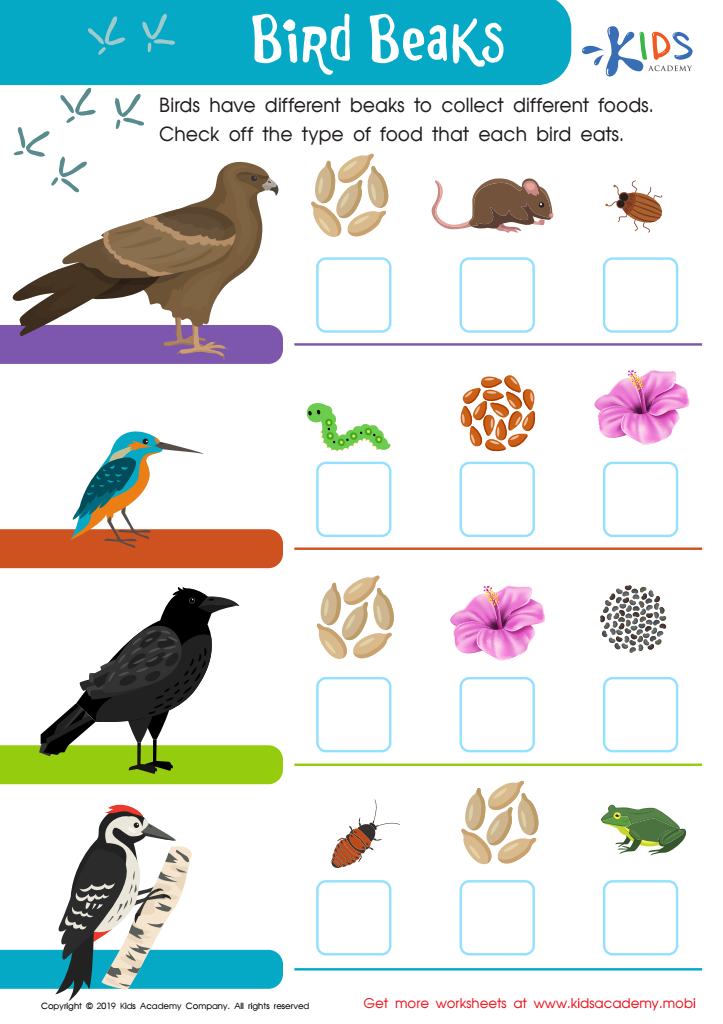
Bird Beaks Worksheet
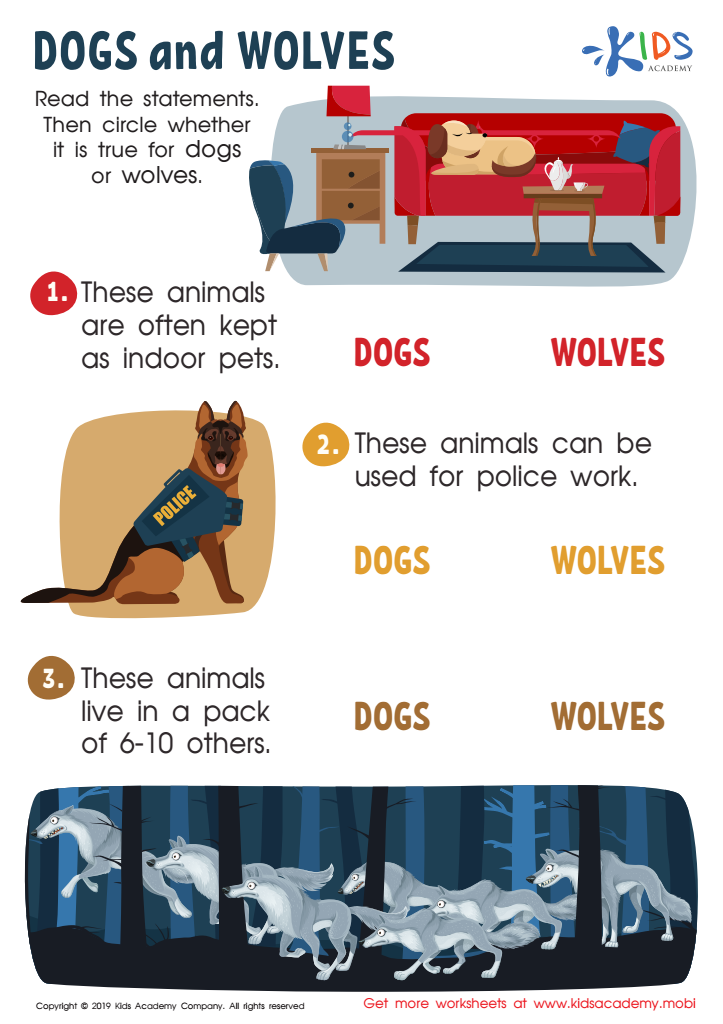
Dogs and Wolves Worksheet
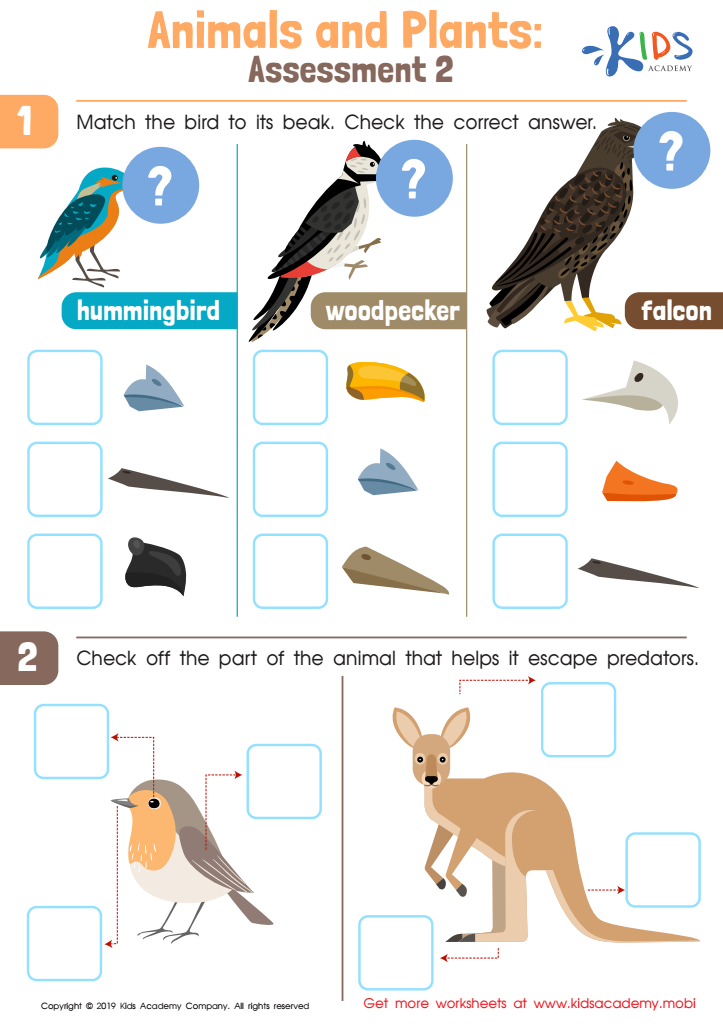
Animals and Plants: Assessment 2 Worksheet
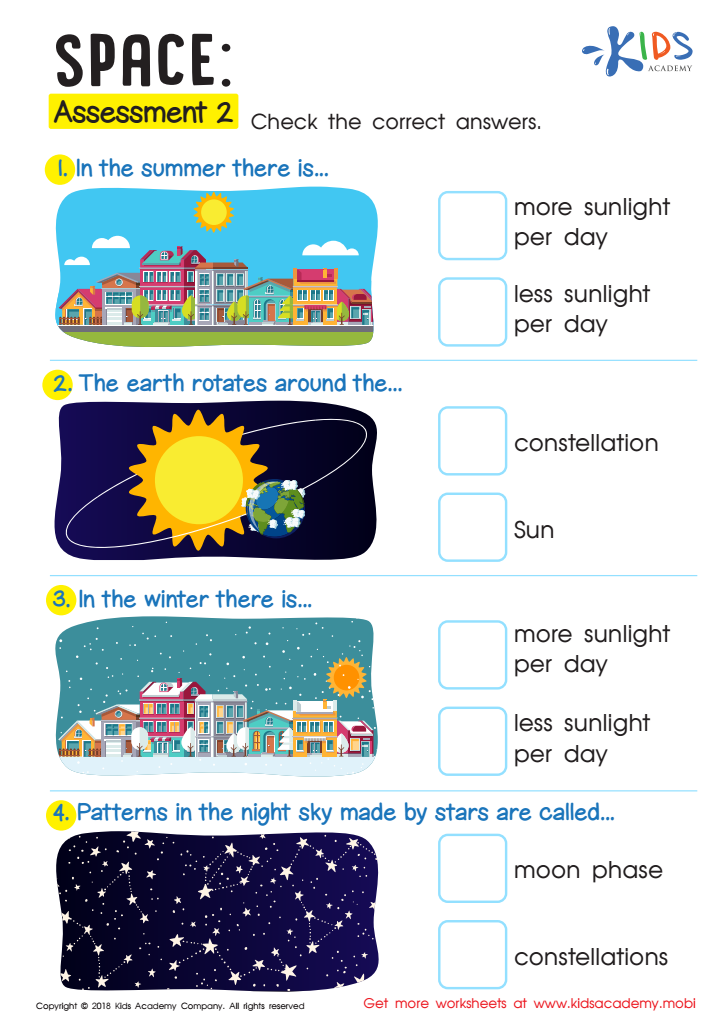
Space: Assessment 2 Worksheet



.jpg)



Classification skills are essential for Grade 1 students as they lay the foundation for critical thinking and cognitive development. At this stage, children learn to group objects based on shared characteristics, such as size, shape, color, or function. This ability enhances their understanding of the world around them and supports their literacy and numeracy skills.
Parents and teachers should care about these skills because they are crucial for problem-solving and logical reasoning. For example, when children categorize information, they become more adept at making connections and predictions, essential skills in higher-level thinking. The practice of classifying also promotes vocabulary development, enriching children’s language as they learn to articulate their observations and distinctions.
Moreover, strong classification skills contribute to scientific thinking. Students explore and organize data, forming the basis for inquiry-based learning that is important in today's information-rich environment. As they progress, these skills translate into better comprehension and retention across all subjects. Recognizing the value of classification encourages parents and teachers to provide diverse materials and activities that foster these skills, ultimately nurturing more curious, engaged learners ready to tackle future academic challenges.