Fine motor development Grade 1 Worksheets
3 filtered results
-
From - To
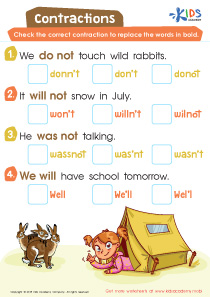
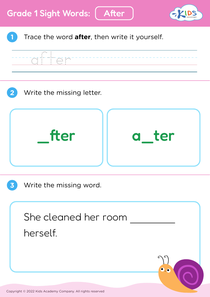
Our specialized Grade 1 Fine Motor Development Worksheets are designed to help young learners build and enhance their fine motor skills in a fun and engaging way. Targeting essential skills such as precise hand movements, coordination, and hand-eye coordination, these worksheets include a variety of activities ranging from tracing, cutting, and drawing to sorting and matching. The engaging exercises ensure that children remain motivated while steadily improving their writing and manipulation skills, setting a solid foundation for future academic success. Perfect for both classroom use and home practice, these worksheets provide the essential practice kids need for skillful, confident progress.
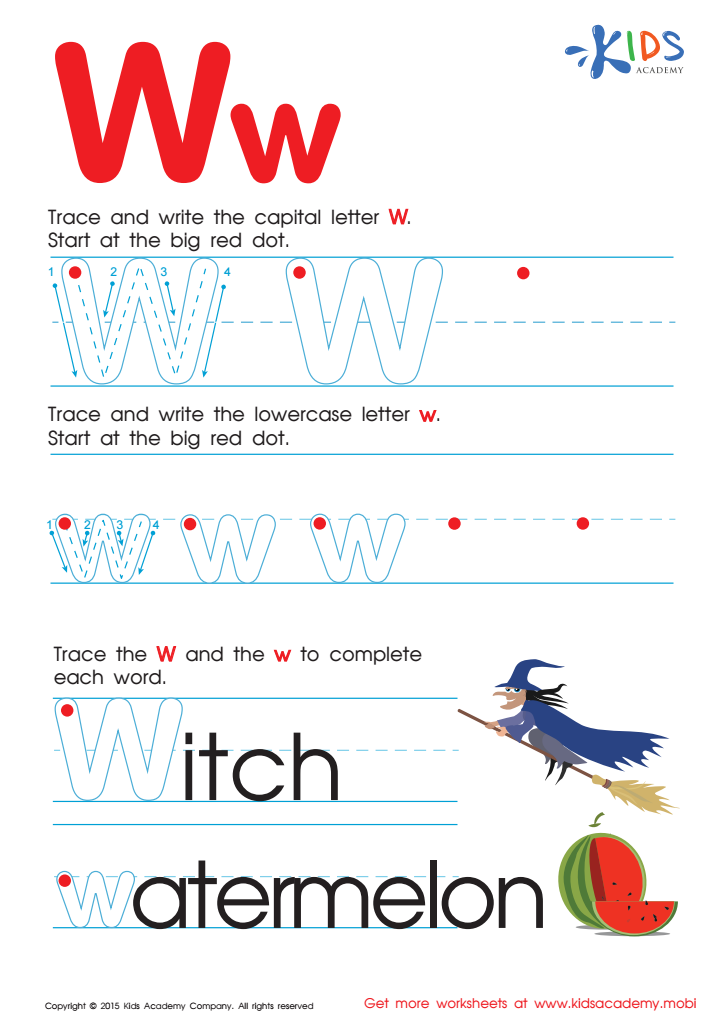
Letter W Tracing Page
 Assign to My Students
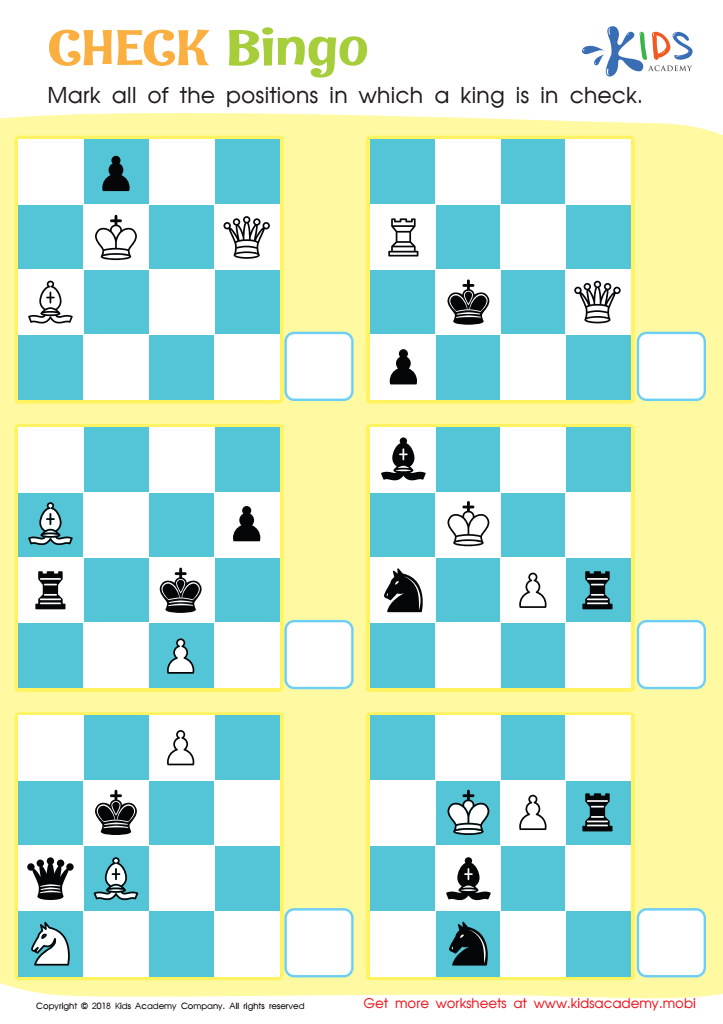
Check Bingo Worksheet
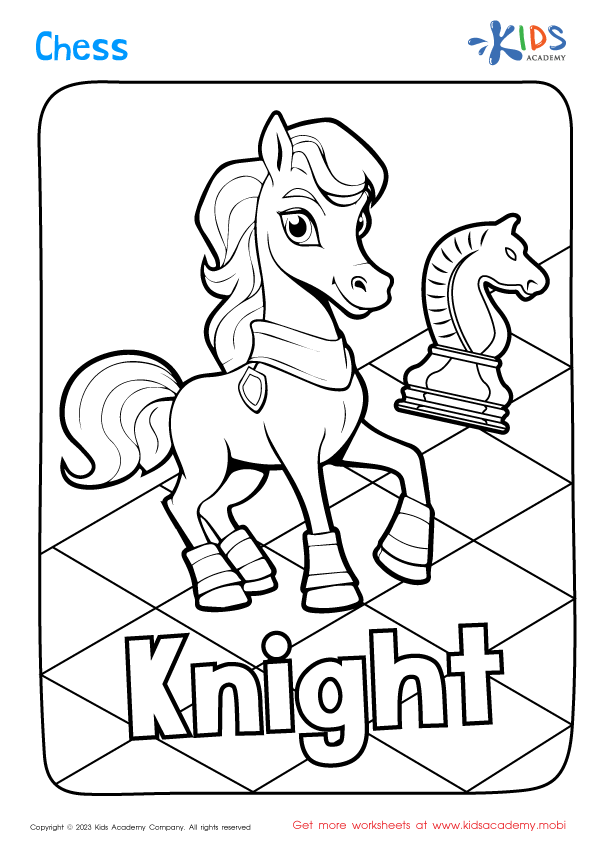








Parents and teachers should prioritize fine motor development in Grade 1 because it forms the foundation for crucial life skills and academic success. At this age, children are beginning to engage more independently in classroom activities and daily life tasks. Fine motor skills involve the coordination of small muscles, particularly in the hands and fingers, working in tandem with the eyes. This coordination is essential for writing, cutting with scissors, buttoning clothing, and tying shoelaces—all pivotal activities in a child’s daily routine and school environment.
For academic success, improved fine motor skills enhance a child’s ability to write legibly and with stamina. Writing is not just about penmanship but also contributes to cognitive development. Through writing, children express their thoughts, learn to structure sentences, and comprehend the written word. Without developed fine motor skills, a child might struggle with these tasks, leading to frustration and a lack of confidence.
In addition to academic settings, fine motor skills impact overall independence. Tasks like opening lunch boxes, drawing, and playing with building blocks improve hand strength and dexterity. When children practice and enhance their fine motor abilities, they gain autonomy, improve self-esteem, and prepare themselves for more complex tasks in their future academic and personal lives. Thus, fostering fine motor development in Grade 1 is crucial for a child’s holistic growth and long-term success.