Plant identification Grade 1 Worksheets
3 filtered results
-
From - To
Discover our engaging Plant Identification Grade 1 Worksheets, designed to spark curiosity in young nature explorers! These worksheets help first graders learn to recognize various plants through fun activities like matching images, coloring, and recognition tasks. With an emphasis on visual learning, our materials make plant identification easy and enjoyable for young students. Perfect for a classroom or at-home learning, these worksheets promote critical thinking and observation skills while fostering a love for the natural world. Encourage budding botanists with interactive exercises that support their learning journey and enhance their understanding of plant life in the environment!
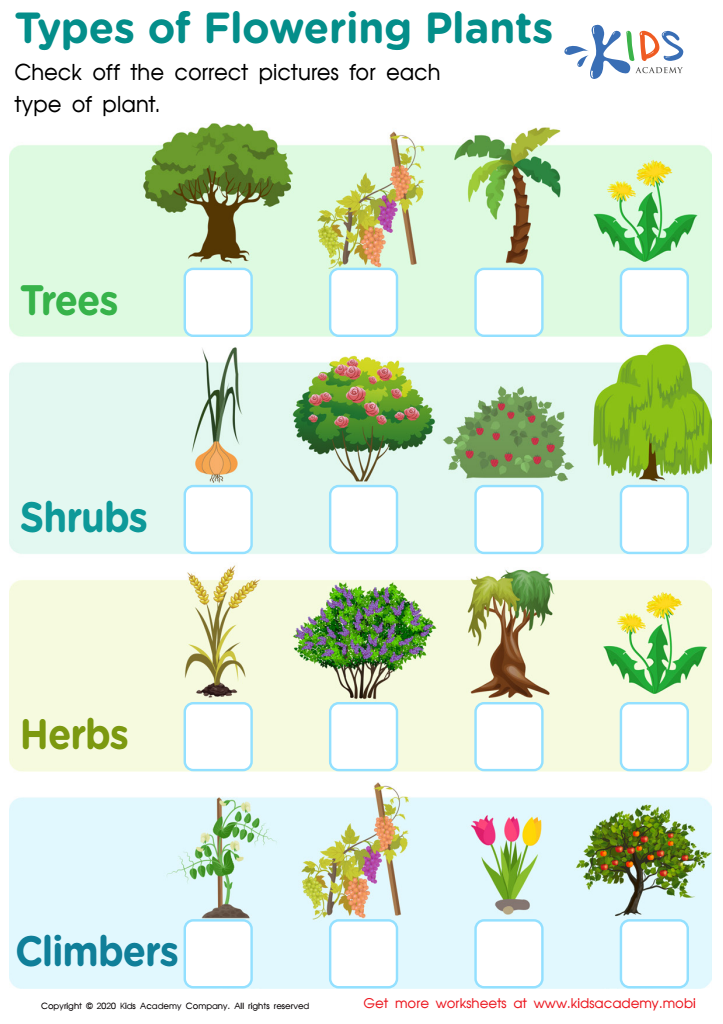
Types of Flowering Plants Worksheet
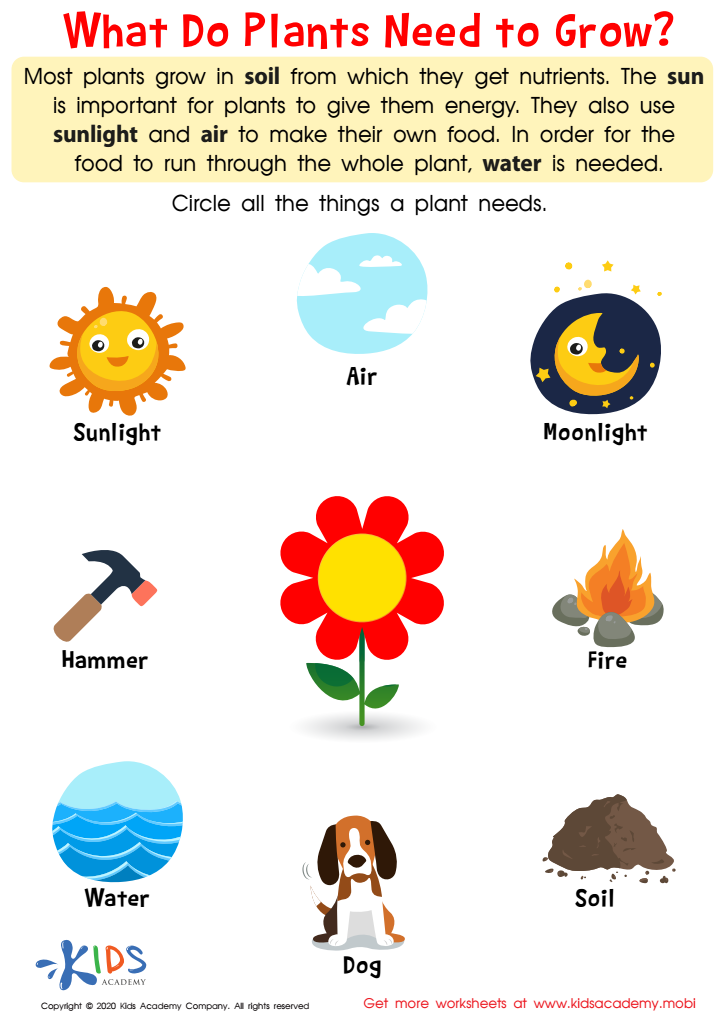
What Do Plants Need to Grow Worksheet
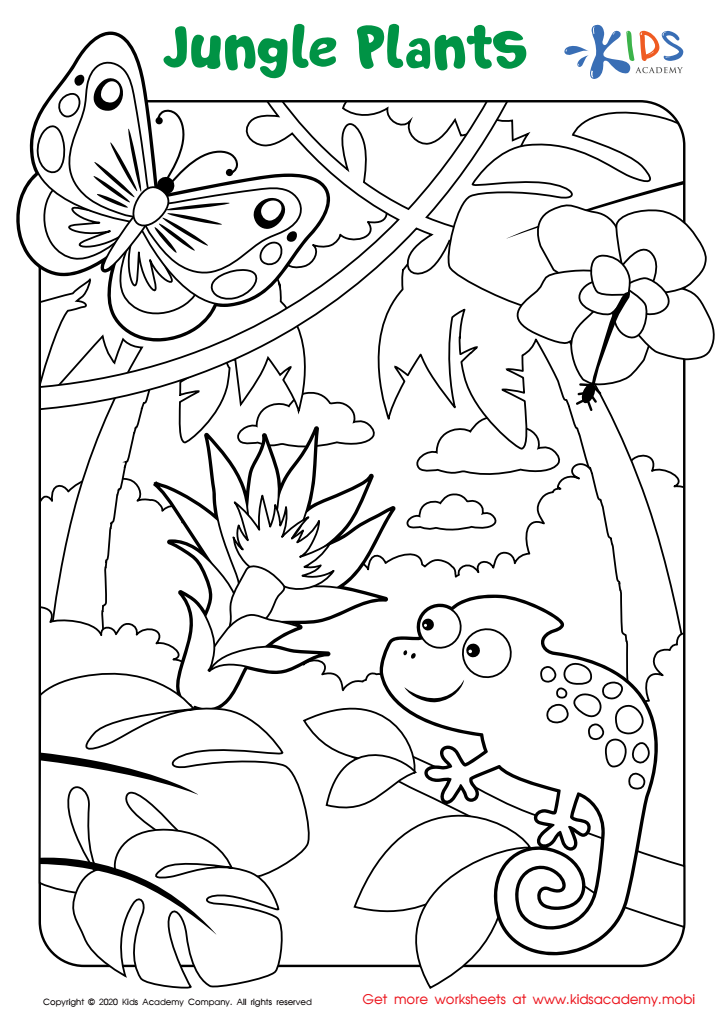
Jungle Plants Worksheet
 Assign to My Students








Plant identification is an essential skill that both parents and teachers should prioritize in Grade 1 for several crucial reasons. Firstly, engaging young children in nature helps foster a connection to the environment, encouraging curiosity and exploration. Learning to identify plants cultivates a sense of responsibility and appreciation for living things, making children more mindful of their ecosystems.
Secondly, plant identification supports key areas of development, including science, language, and critical thinking. By learning about different plants, children expand their vocabulary and comprehension skills as they encounter new terms and concepts. This foundation enhances their overall cognitive abilities, preparing them for more advanced scientific understanding in the future.
Furthermore, hands-on activities such as collecting leaves or examining various plants enable kinesthetic learning, which can be particularly beneficial for young learners. These experiences can also instill healthy habits, like spending time outdoors and understanding the importance of conservation.
Finally, in a world increasingly disconnected from nature, teaching kids to identify plants bridges this gap, paving the way for future environmental stewardship. All in all, plant identification nurtures a holistic approach to education, benefitting children's emotional, intellectual, and physical growth while fostering a lifelong love for the natural world.