Improving counting skills Grade 1 Comparing Numbers Worksheets
3 filtered results
-
From - To
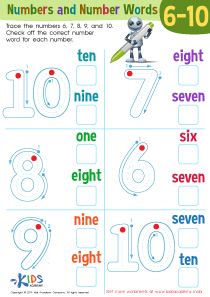
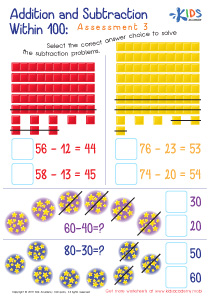
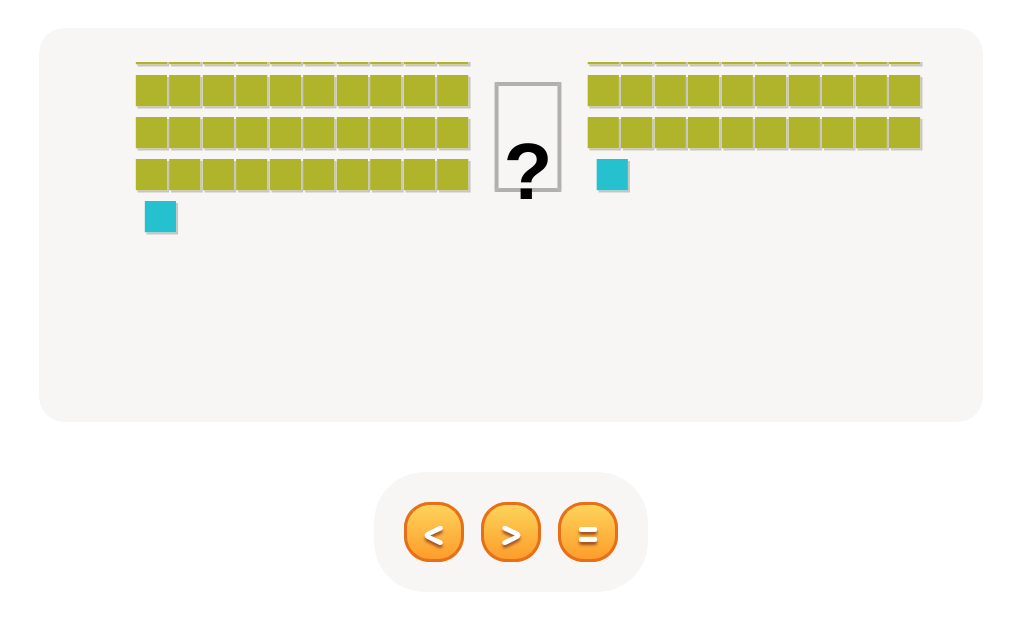
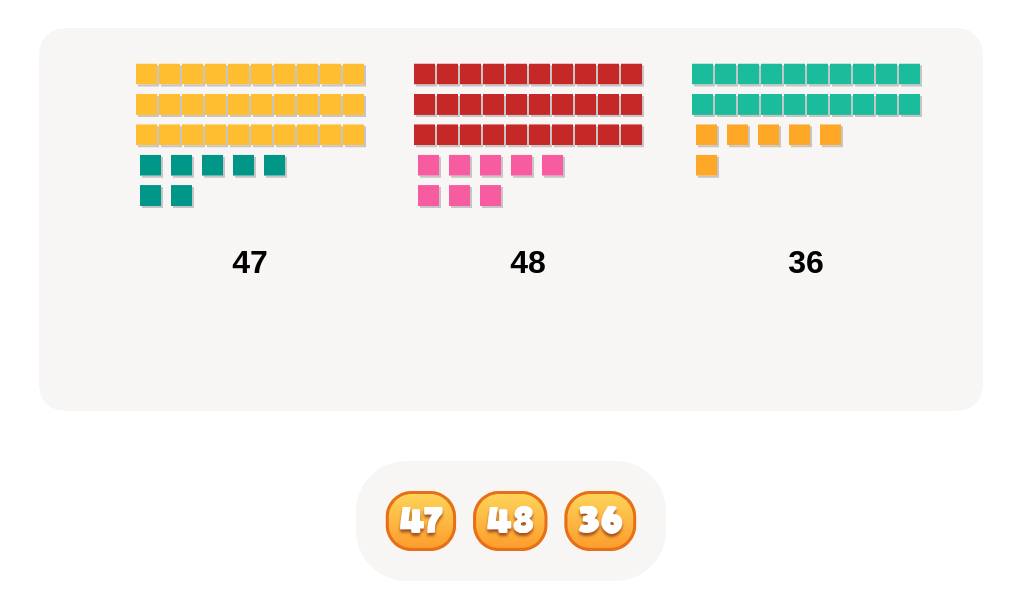
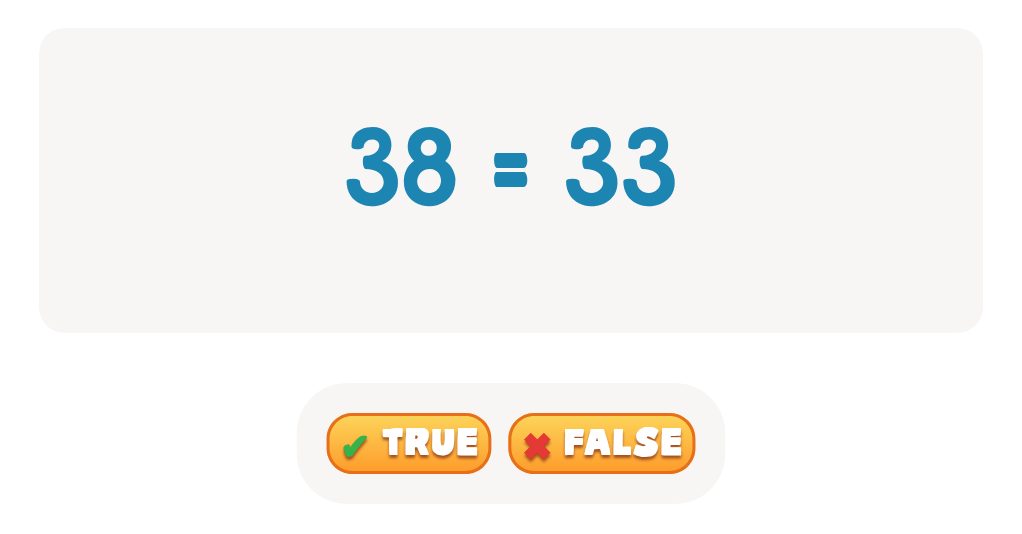
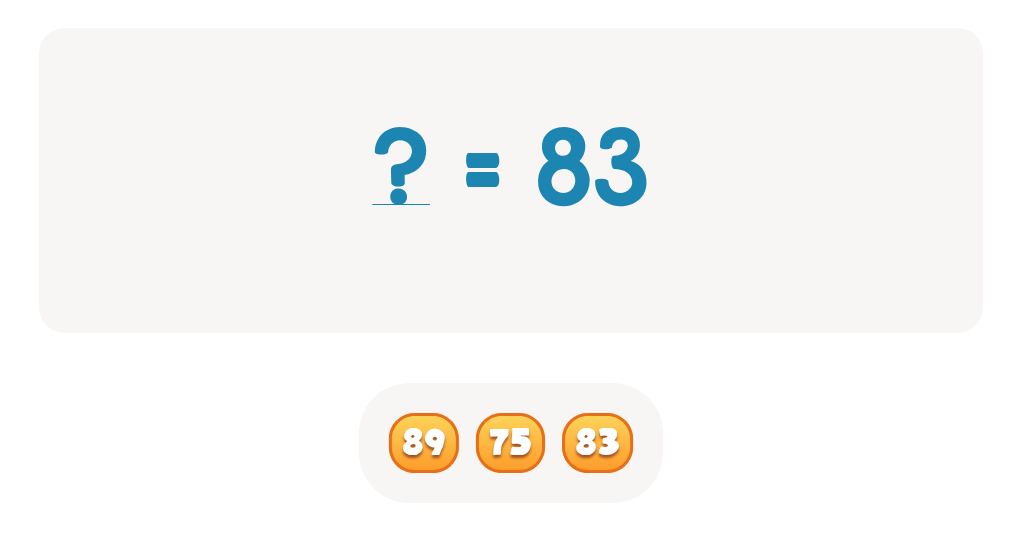
Enhance your first grader's number sense with our "Improving Counting Skills Grade 1 Comparing Numbers Worksheets". These engaging, printable worksheets are designed to help young learners strengthen their counting abilities and grasp the concept of comparing numbers. Through a variety of exercises, students will practice ordering numbers, identifying greater than, less than, and equal to relations, and developing foundational math skills. Perfect for classroom use or at-home practice, these worksheets offer a fun and effective way to boost your child's confidence and proficiency in math. Start improving their counting skills today!
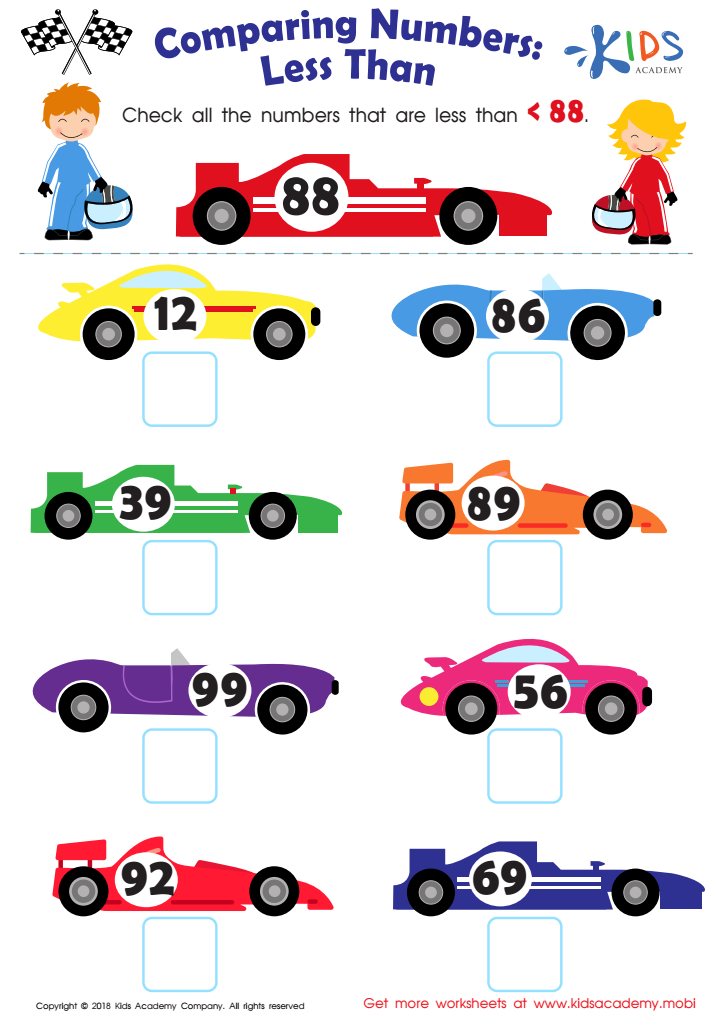
Less Than Worksheet
 Assign to My Students
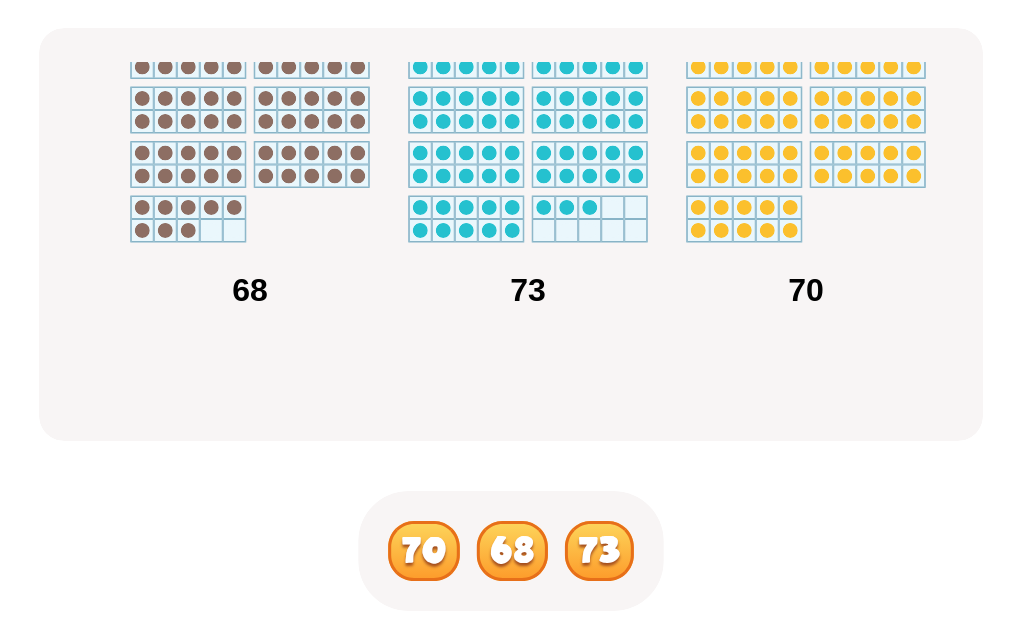

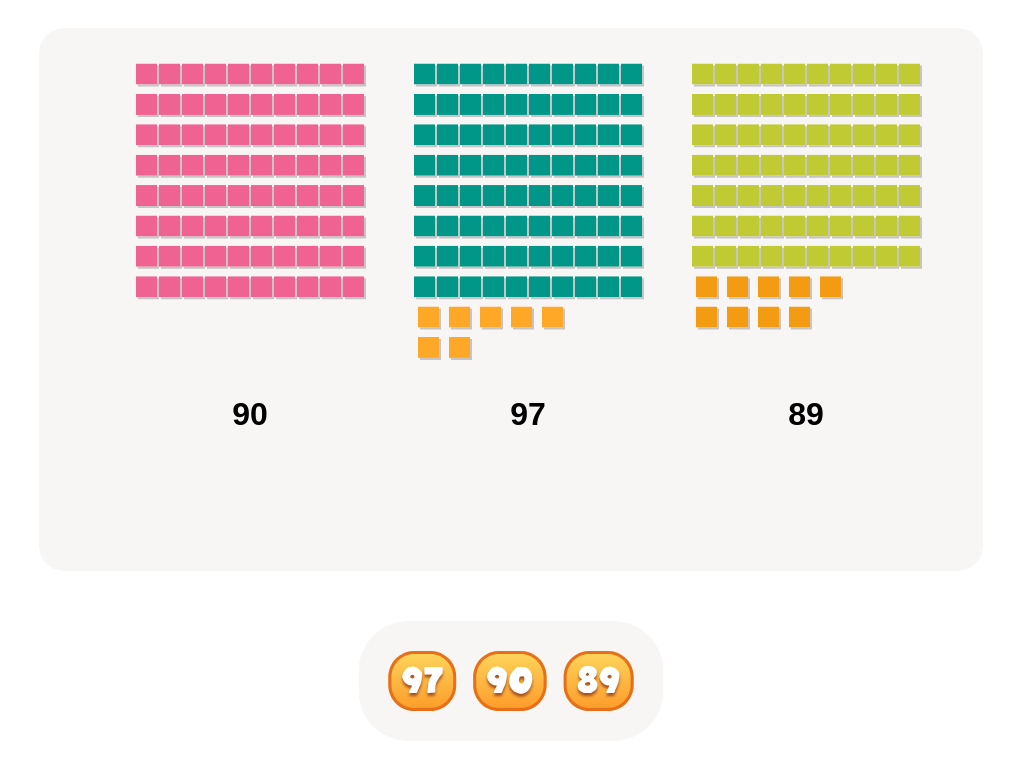
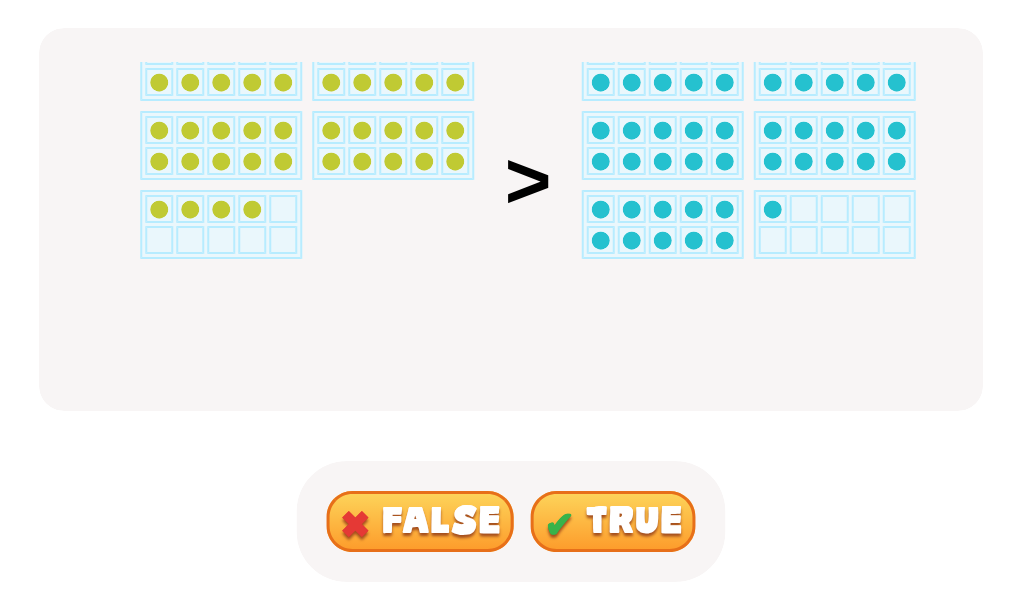
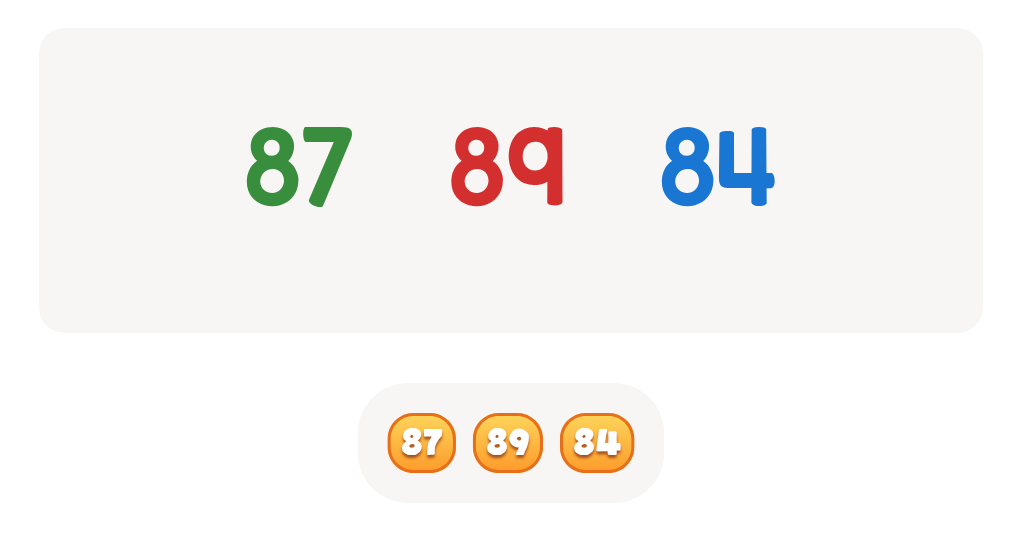
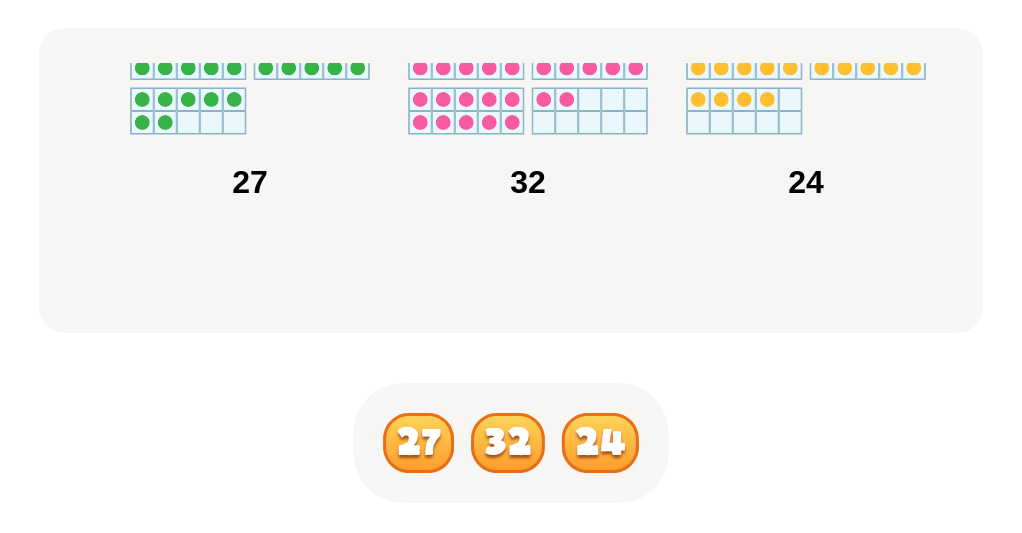

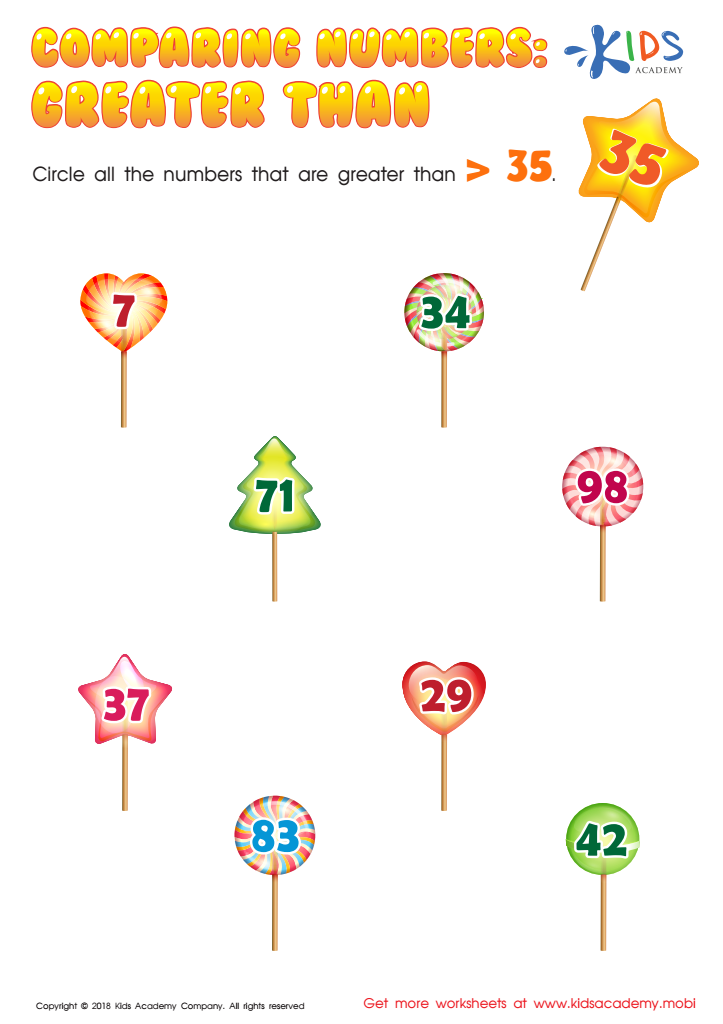
Greater Than Worksheet
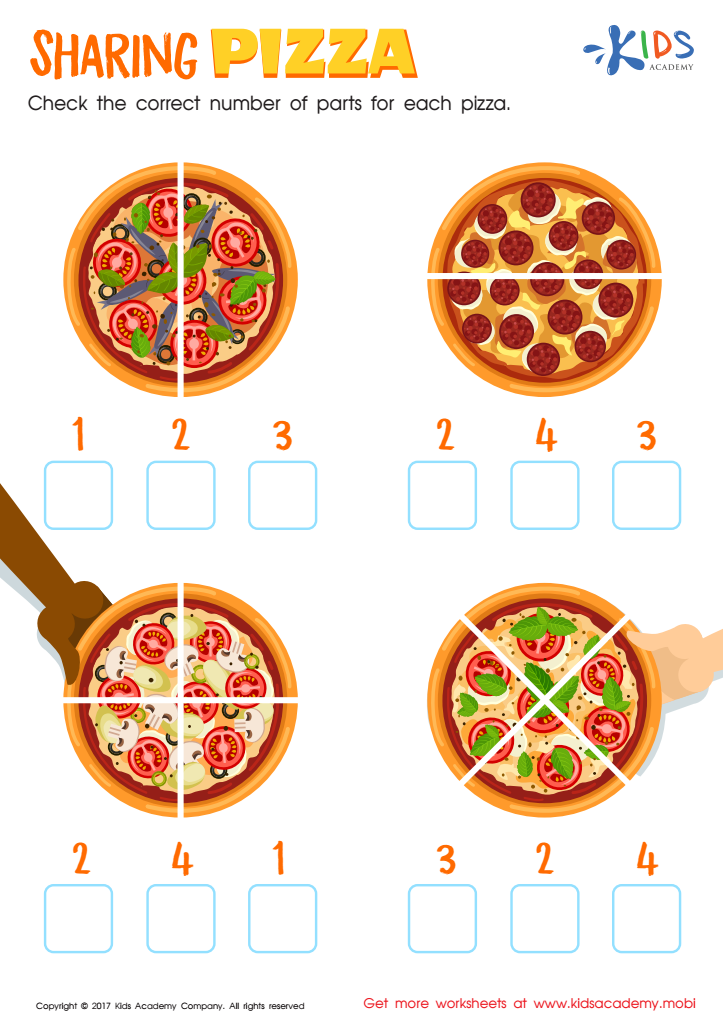
Sharing Pizza Worksheet








Improving counting skills and the ability to compare numbers in Grade 1 is crucial for several reasons. At this formative stage, children lay the foundational blocks for all future mathematical understanding. Developing strong counting skills helps children grasp the concept of number sequence and the idea that numbers represent quantity. This, in turn, is essential for more complex mathematical operations like addition, subtraction, and later on, multiplication and division.
Comparing numbers—understanding which number is larger or smaller—is equally vital because it enhances critical thinking and problem-solving abilities. When children can compare numbers, they can make sense of everyday situations such as figuring out who has more toys, understanding time, or evaluating simple costs. This skill facilitates logical reasoning and is directly applicable to real-life scenarios.
Moreover, proficiency in these basic math skills boosts a child’s confidence in their overall academic performance. Early success in math fosters a positive attitude towards the subject, reducing anxiety and encouraging a proactive learning mindset. In turn, this eagerness to learn extends beyond math, influencing other subjects and extracurricular activities. Therefore, parents and teachers should prioritize enhancing these skills to promote holistic cognitive development and instill lifelong learning habits in children.