Understanding skip-counting Grade 1 Numbers Worksheets
3 filtered results
-
From - To
Unlock the world of math with our "Understanding Skip-Counting Grade 1 Numbers Worksheets"! Designed for young learners, these interactive worksheets help students grasp the concept of skip-counting through engaging activities. They'll practice counting by 2s, 5s, and 10s, enhancing their numerical fluency while reinforcing number patterns. Each worksheet encourages critical thinking and problem-solving skills, making learning fun and effective. Perfect for classroom or at-home practice, our skip-counting resources cater to diverse learning styles. Ensure your first grader builds a strong mathematical foundation with these essential tools. Explore our collection today and watch your child's confidence in numbers grow!
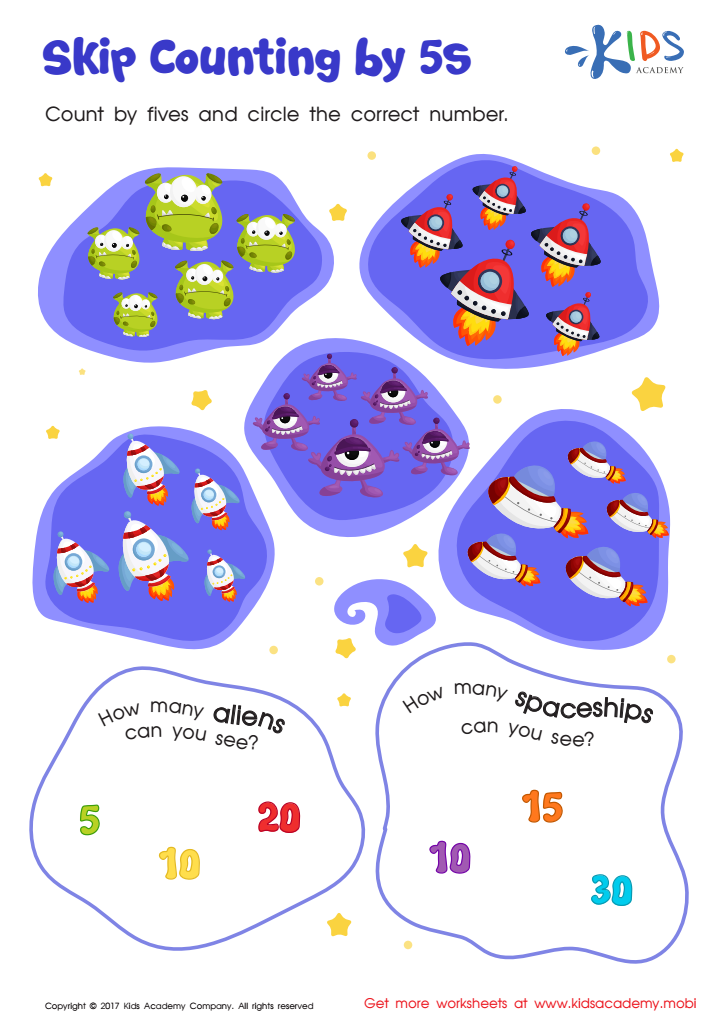
Skip Counting by 5s: Aliens and Spaceships Printable
 Assign to My Students
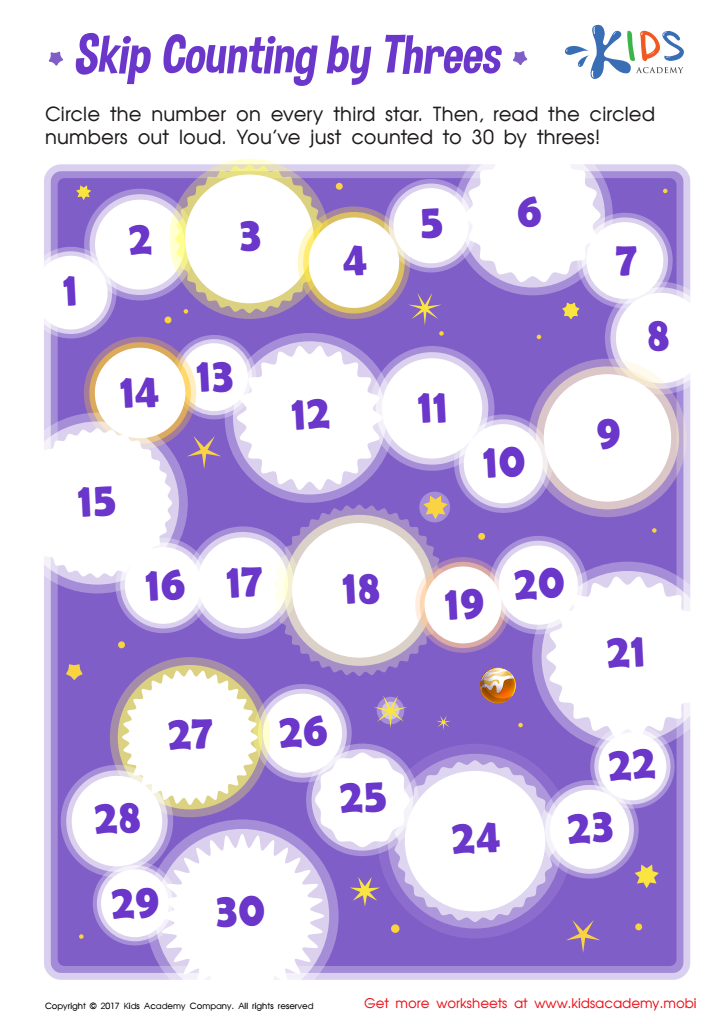
Skip Counting By Three Printable
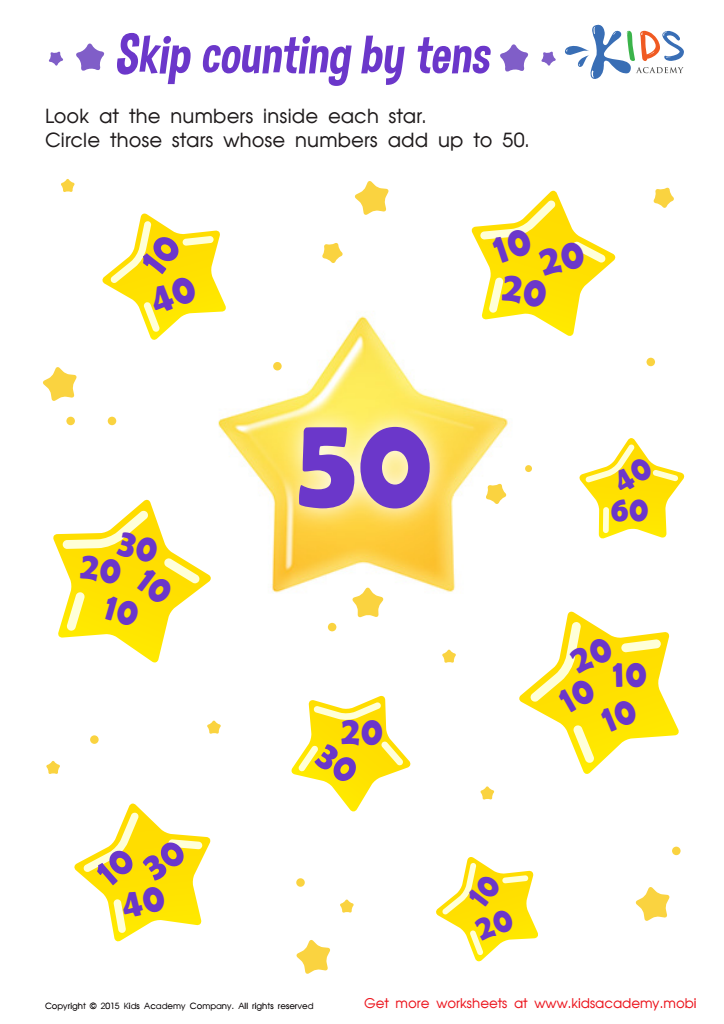
Learn Dozens: Skip Counting by Tens Printable







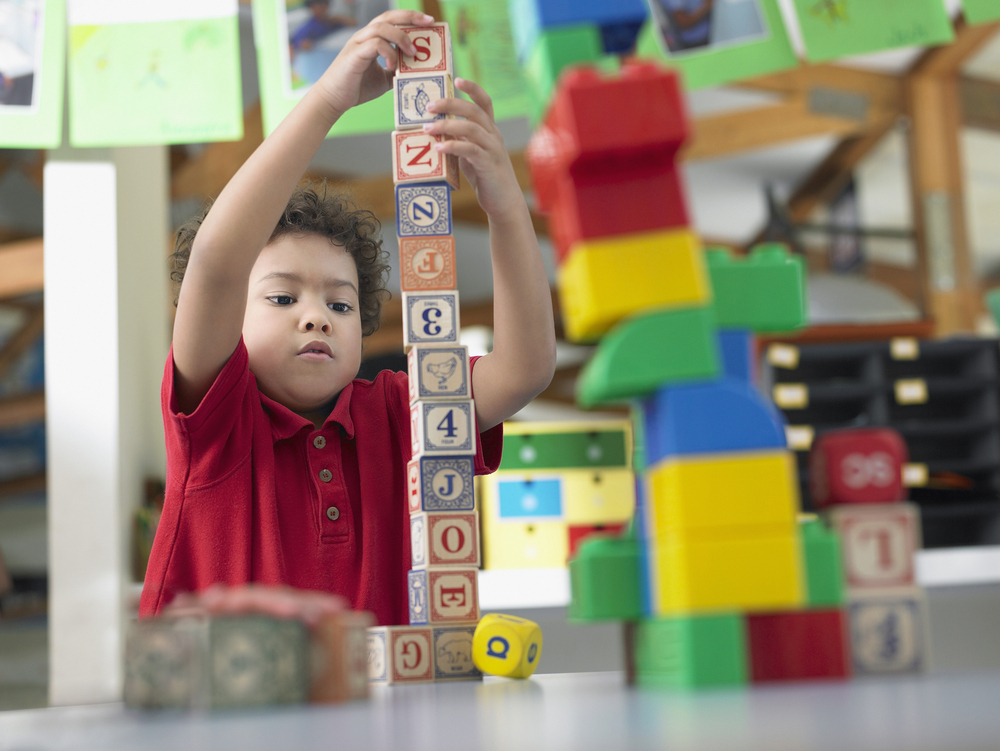
Skip-counting is a foundational mathematical skill that plays a crucial role in a child's ability to understand larger number concepts and perform more complex arithmetic operations. For parents and teachers of Grade 1 students, emphasizing skip-counting is essential for several reasons.
Firstly, skip-counting helps develop a solid understanding of number sequences and patterns, which are vital for grasping multiplication and division concepts later on. As children learn to count by twos, fives, and tens, they begin to see relationships between numbers, enabling them to add efficiently and understand groupings.
Secondly, skip-counting strengthens mental math skills. When children are comfortable skip-counting, they can perform calculations more quickly and easily, which increases their confidence in their mathematical abilities. This skill also supports problem-solving and critical-thinking practices as students start to tackle more challenging mathematical problems.
Moreover, understanding skip-counting enhances overall number fluency and prepares children for real-world applications, such as telling time, counting money, and solving everyday math challenges. By cultivating these skills early, parents and teachers lay the groundwork for future mathematical success and positive attitudes toward learning in children. Investing time and effort into skip-counting will benefit students well beyond Grade 1.