Letter recognition Grade 1 Reading Worksheets
5 filtered results
-
From - To
Boost your child's reading skills with our engaging Grade 1 Letter Recognition Worksheets! Specifically designed for young learners, these worksheets provide a fun and interactive way to master the alphabet. By recognizing letters and their corresponding sounds, students will build a strong foundation for reading and writing. Our carefully crafted exercises include tracing, identifying, and matching letters, ensuring a comprehensive learning experience. Perfect for at-home practice or classroom activities, these resources help foster a love for reading while improving literacy skills. Explore our collection and watch your child gain confidence as they embark on their educational journey!

Long and Short U Worksheet
 Assign to My Students
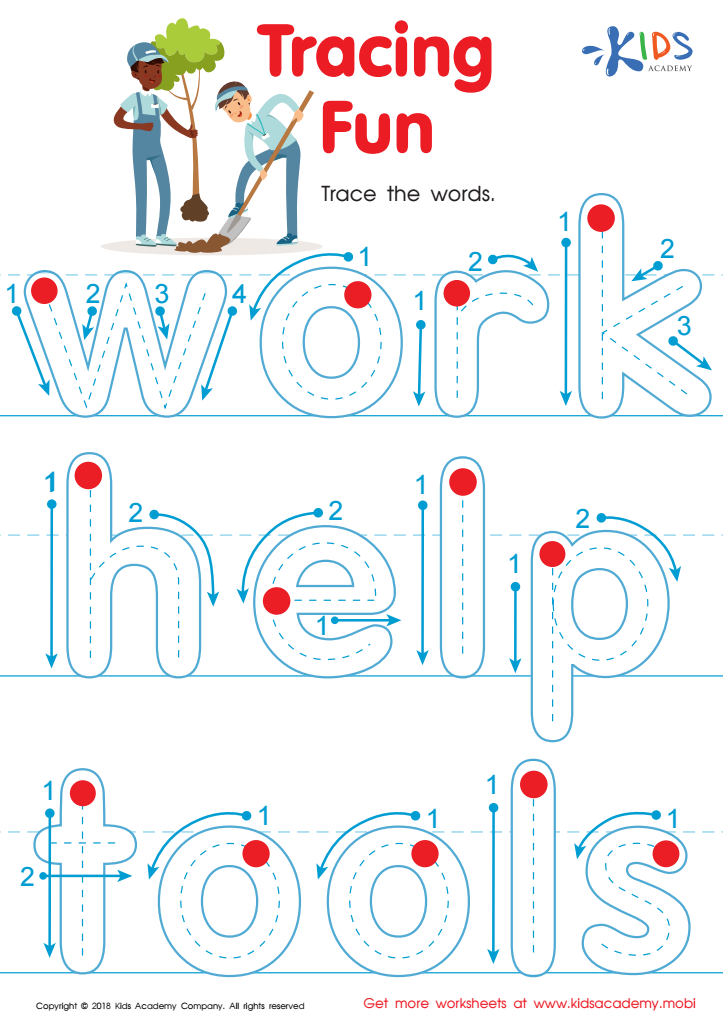
Tracing Fun Worksheet
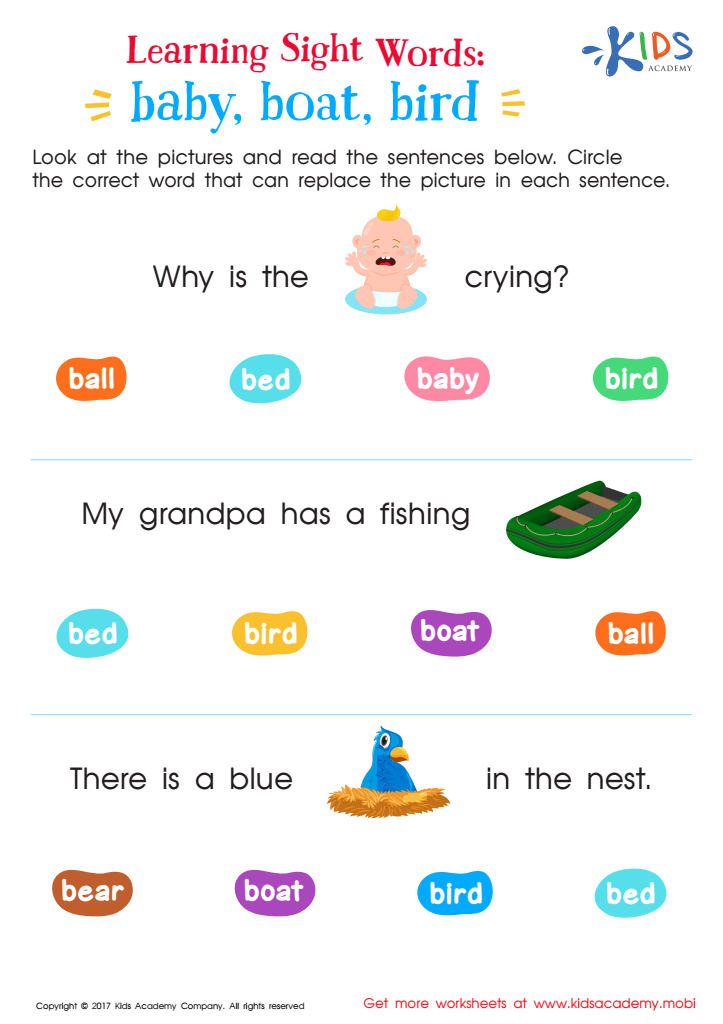
Baby, Boat, Bird Worksheet Sight Words Worksheet
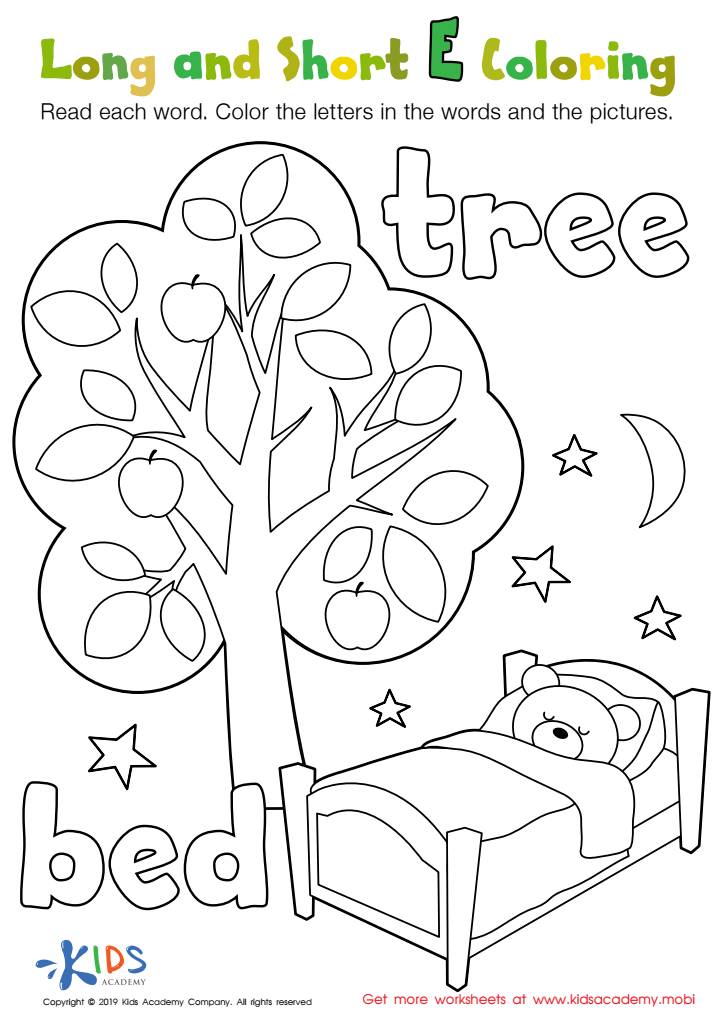
Long and Short E Worksheet
Assign to My Students
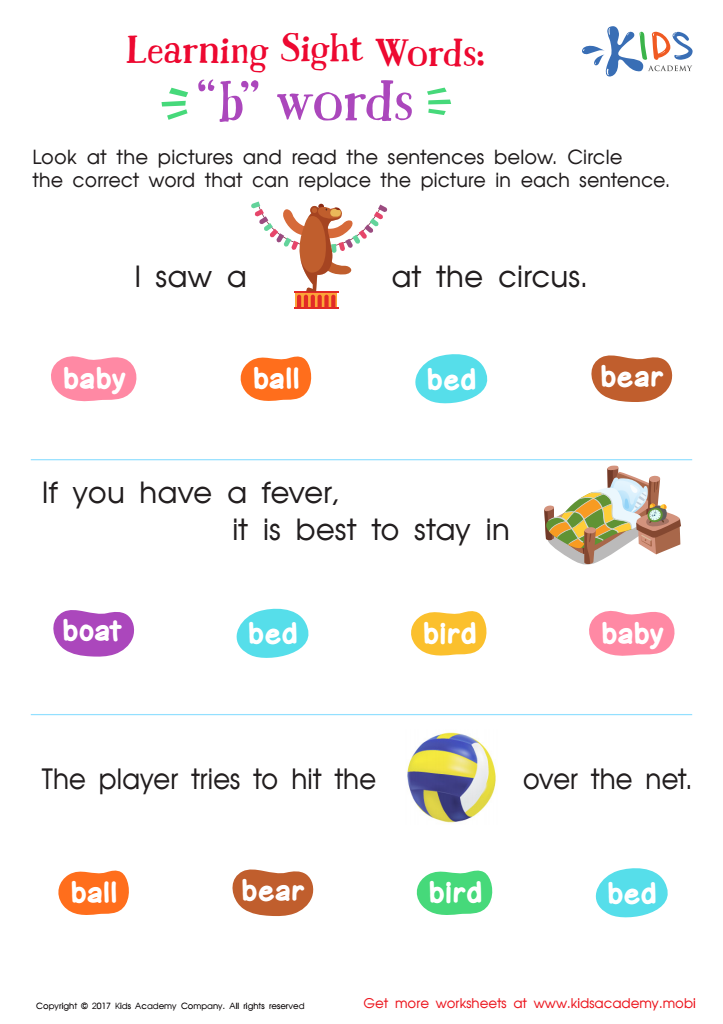
"B" Words Printable Sight Words Worksheet






.jpg)
Letter recognition is a foundational skill in Grade 1 reading that significantly impacts a child's literacy development. Parents and teachers should care about this aspect for several reasons. First, recognizing letters is essential for phonics and decoding; without it, children struggle to connect letters to sounds, hindering their ability to read words. Mastery of letter recognition sets the stage for fluent reading, which is crucial for comprehension.
Moreover, early letter recognition fosters confidence in children. When kids can identify and sound out letters, they become more motivated to engage with text and develop a love for reading. This enthusiasm can lead to a lifelong appreciation for literature and learning.
Furthermore, letter recognition plays a vital role in effective communication. When children can quickly and effortlessly recognize letters, they improve not only their reading skills but also their writing, as they begin to understand the alphabetic principle and how sounds correspond to letters.
Lastly, fostering early reading skills can have lasting academic implications. Children who excel in reading in the early years are more likely to succeed in later grades, making it imperative for parents and teachers to prioritize letter recognition as a crucial component of literacy education.