Story sequencing Grade 1 Reading Worksheets
8 filtered results
-
From - To
Enhance your first grader's reading skills with our engaging story sequencing worksheets designed specifically for Grade 1 students. These printable activities encourage comprehension and critical thinking as children learn to identify the correct order of events in a story. By organizing content chronologically, kids improve their narrative skills and boost understanding of text structure. Our worksheets feature colorful illustrations and relatable themes to maintain student interest while promoting learning. Perfect for classroom use or at-home practice, these story sequencing exercises make reading both fun and educational. Help your child become a confident reader while developing essential sequencing skills today!
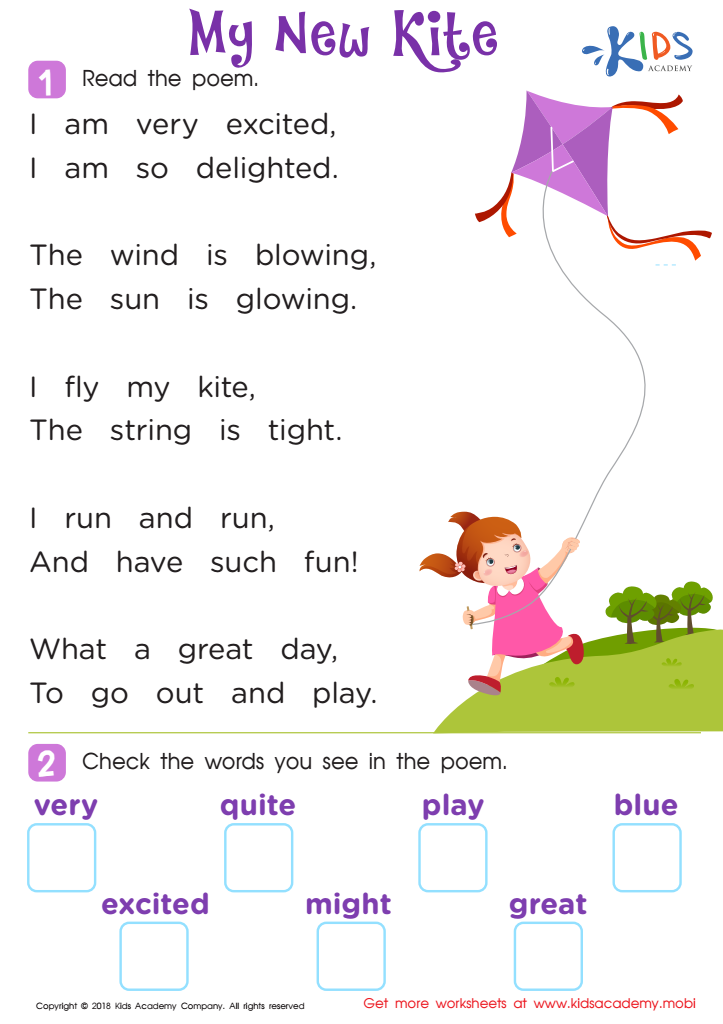
Poem: My New Kite Worksheet
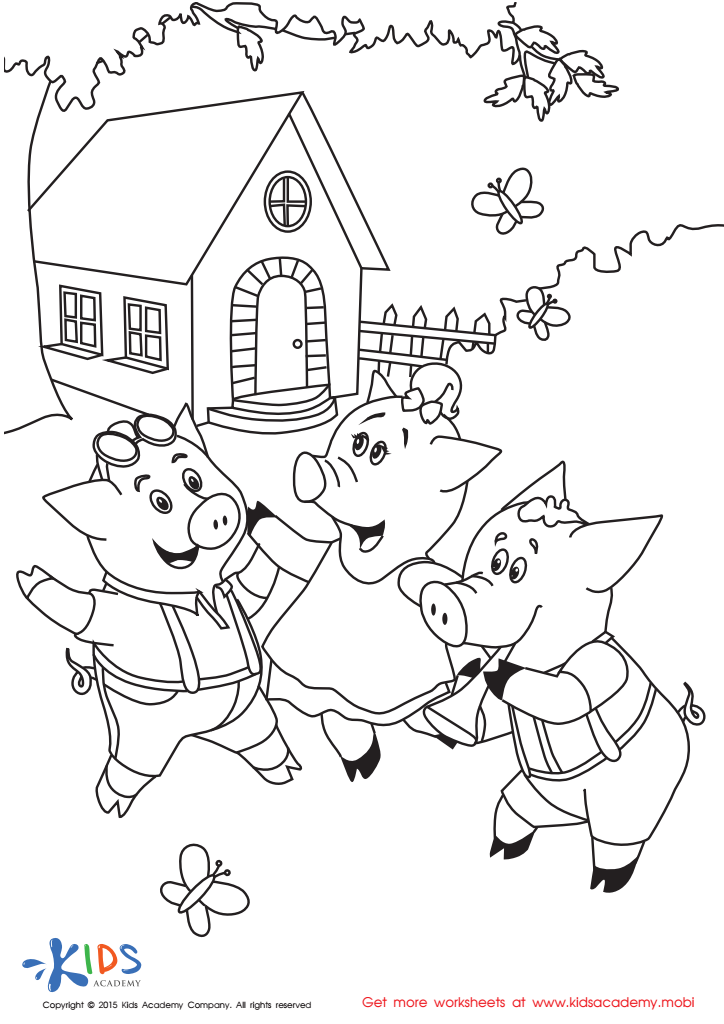
Folktales Printable PDF Worksheet: The 3 Little Pigs
 Assign to My Students
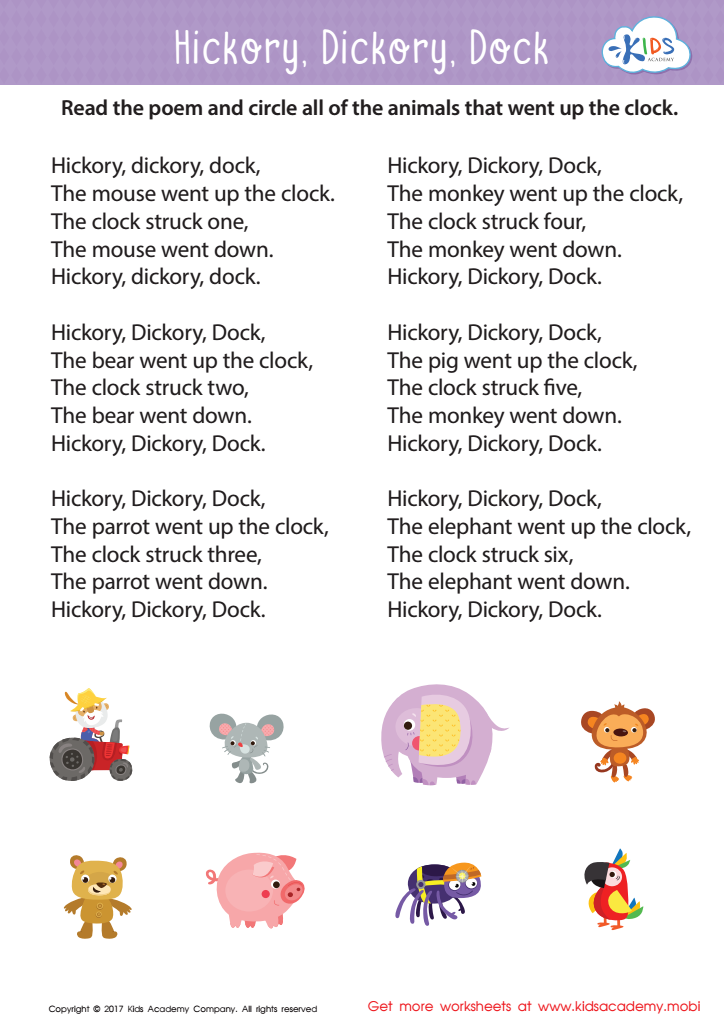
Hickory Dickory Dock Sequencing Worksheet
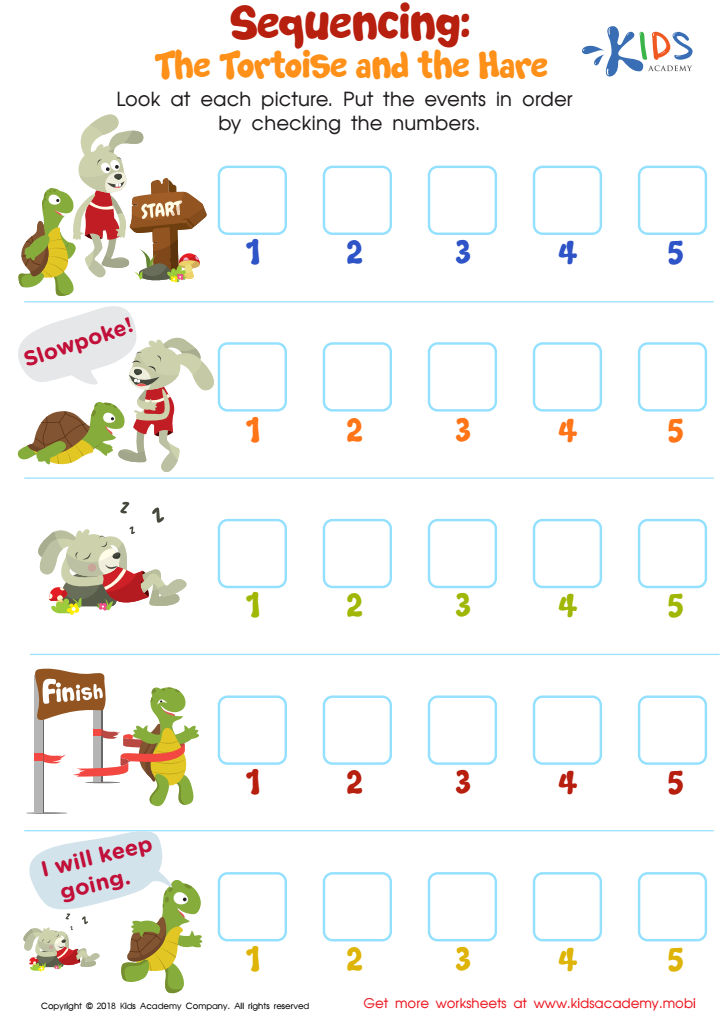
Sequencing: The Tortoise and the Hare Worksheet
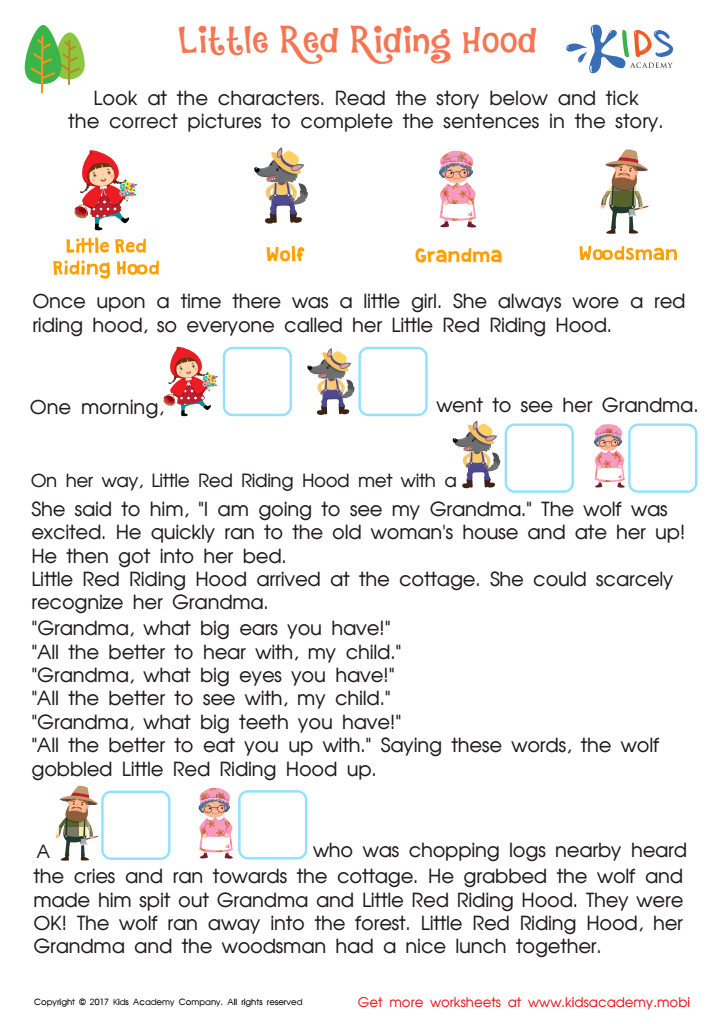
Little Red Riding Hood Printable
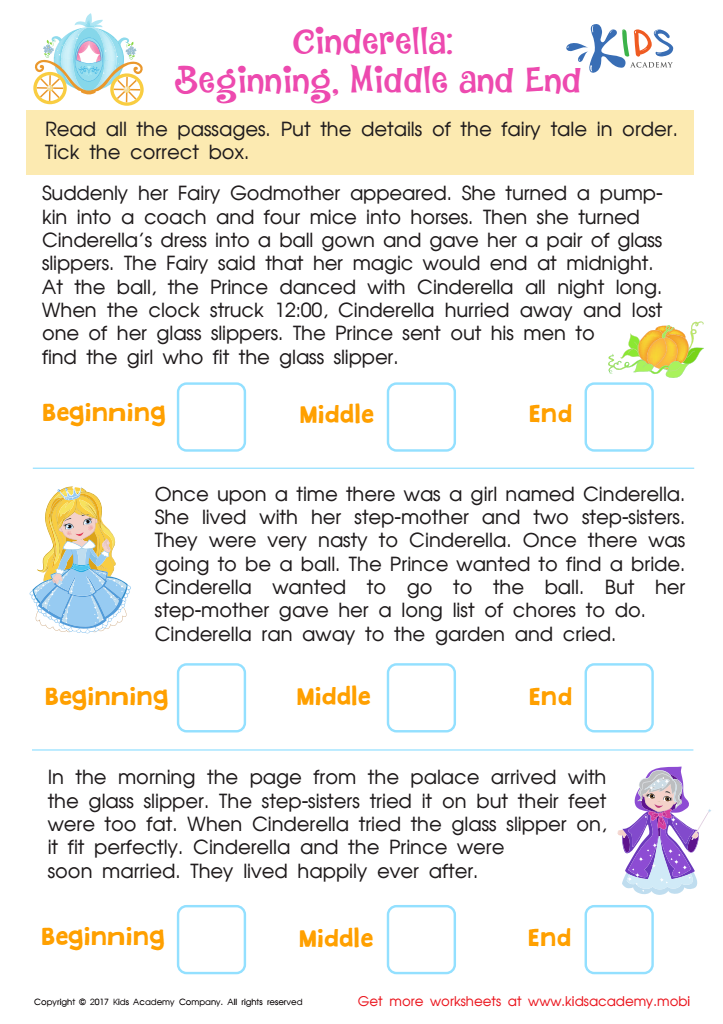
Cinderella: Beginning, Middle and End Worksheet
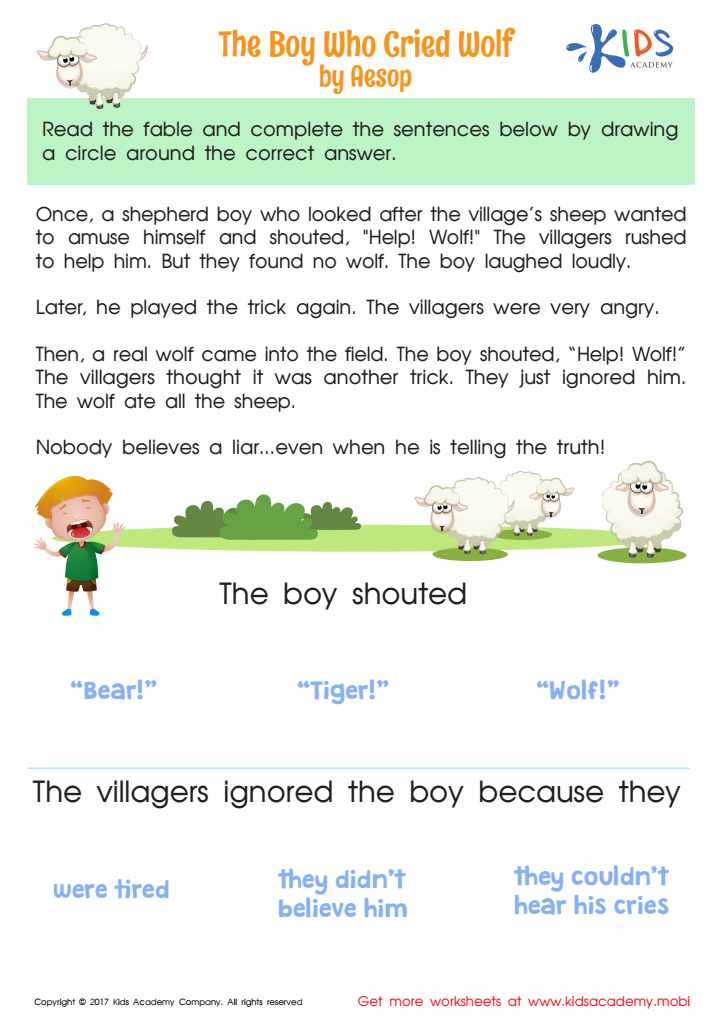
The Boy Who Cried Wolf Worksheet
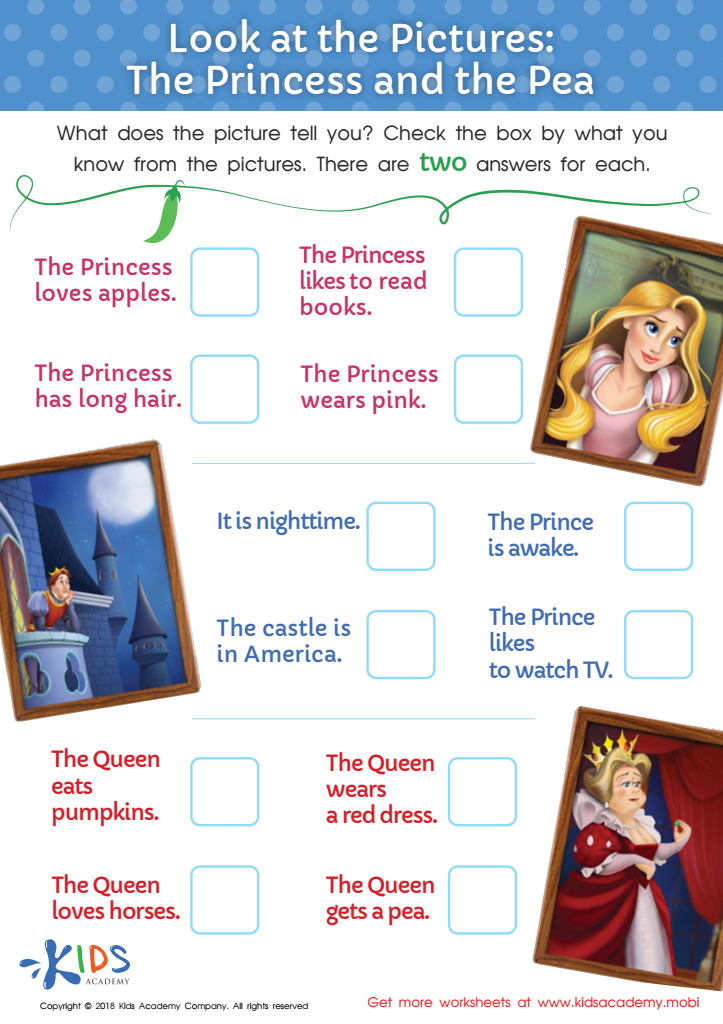
Look at the Pictures: The Princess and the Pea Worksheet








Story sequencing is a crucial skill for Grade 1 students, playing a vital role in their reading development and comprehension. This skill helps children understand the structure of narratives, enabling them to identify the beginning, middle, and end of a story. By mastering story sequencing, students enhance their ability to recall events, make connections, and predict outcomes, all of which contribute to a deeper understanding of texts.
Parents and teachers should care about story sequencing because it lays the foundation for critical thinking and analytical skills. As children learn to organize story elements, they also improve their overall ability to process information. This is essential not just in reading but in all learning aspects.
Additionally, incorporating story sequencing activities can make reading more engaging and enjoyable for young learners. These activities promote creativity and self-expression, allowing children to retell stories in their own words. Parents can facilitate discussions about the stories they read together, reinforcing the sequencing concepts. In classrooms, teachers can implement sequencing games and charts, making the learning process interactive and fun. Ultimately, fostering story sequencing skills will help nurture a lifelong love of reading in children and equip them with essential tools for academic success.