Sequencing Skills Grade 1 Reading Comprehension Worksheets
5 filtered results
-
From - To
Enhance your first grader's reading comprehension with our expertly designed Sequencing Skills Grade 1 Reading Comprehension Worksheets. These engaging and educational resources help young learners practice the important skill of identifying the correct sequence of events in a story. Each worksheet features child-friendly passages followed by thoughtfully crafted questions that reinforce understanding and retention. With vivid illustrations and relatable themes, our worksheets make learning fun and effective. Perfect for both classroom and at-home use, these tools support early literacy development and build a strong foundation for future reading success. Download today and watch your child achieve reading proficiency!
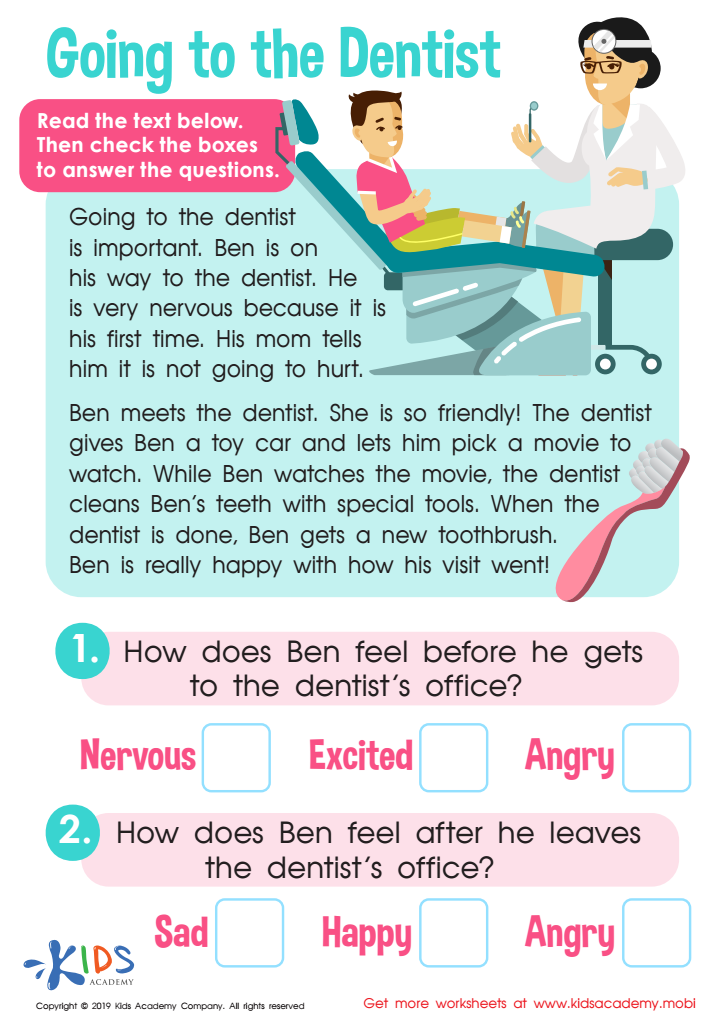
Going to the Dentist Worksheet
 Assign to My Students
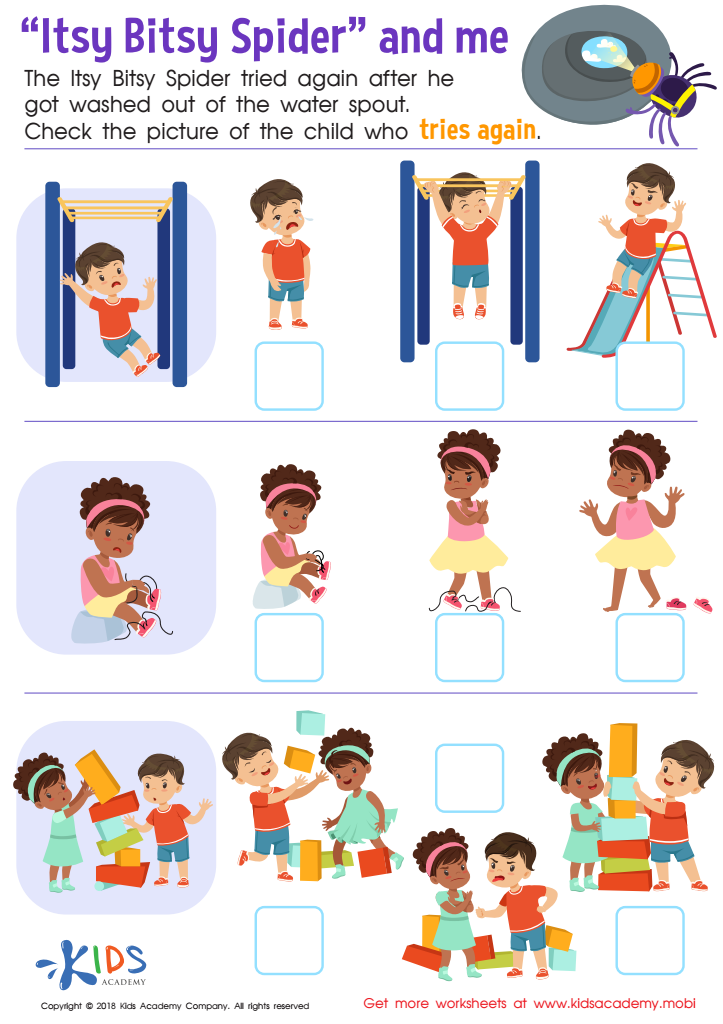
Itsy Bitsy Spider and Me Worksheet
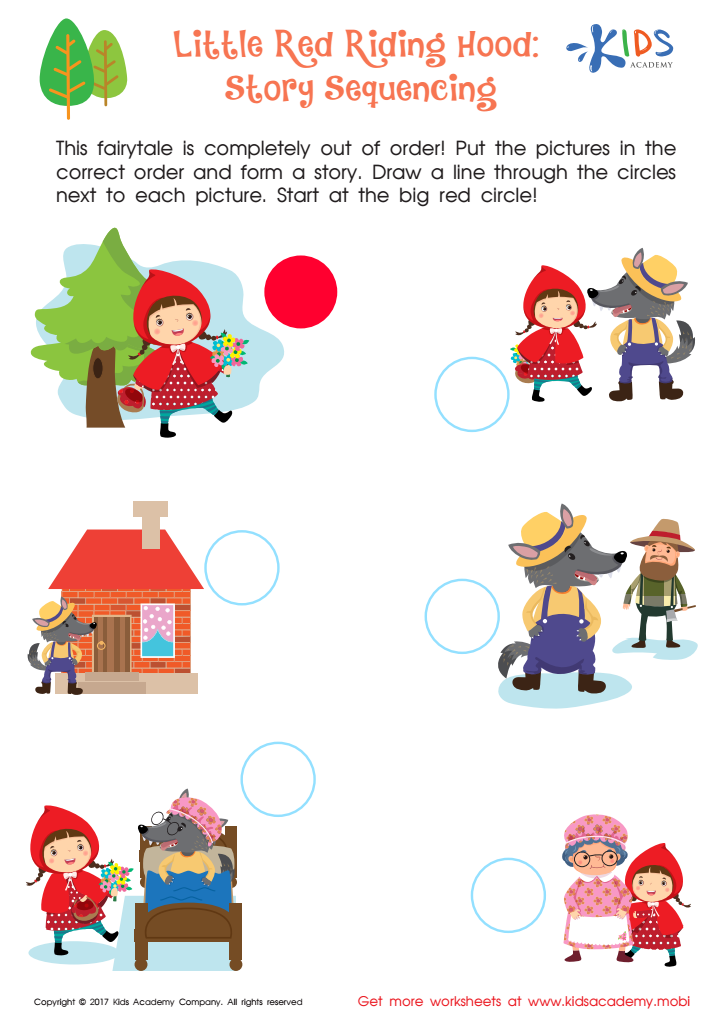
Story Sequencing Printable
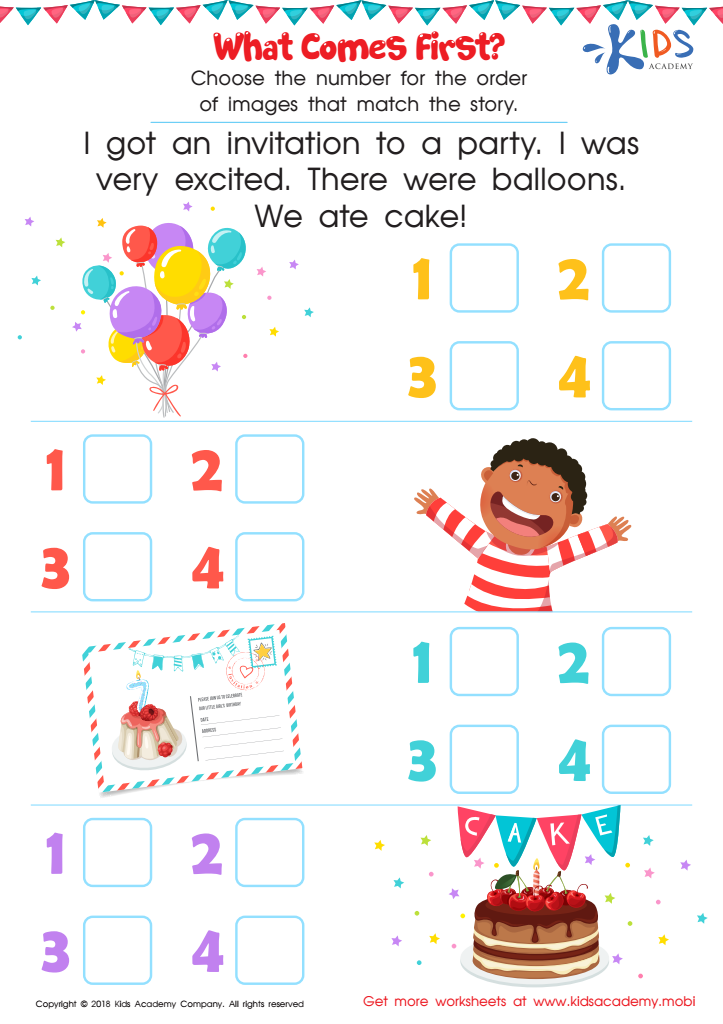
What Comes First Worksheet
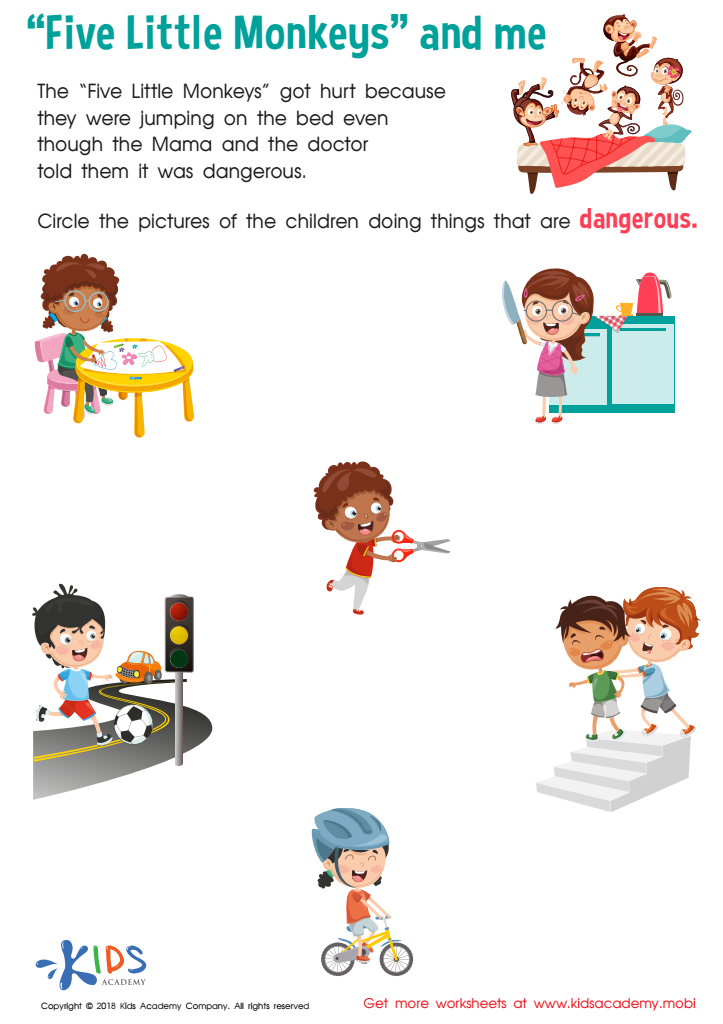
Five Little Monkeys and Me Worksheet







Parents and teachers should prioritize sequencing skills in first graders' reading comprehension because these skills are fundamental to a child's overall learning development. Sequencing involves understanding and arranging the events of a story in their natural order, which is critical for making sense of what they read. Proficiency in sequencing helps children follow narratives, improve their memory, and enhance their critical thinking.
In first grade, students transition from recognizing words to making meaning from sentences and stories. Sequencing supports this transition by encouraging students to identify the beginning, middle, and end of a story, leading to better comprehension and retention of details. This skill also enhances their ability to predict outcomes and understand cause-and-effect relationships, which are applicable beyond just reading.
Furthermore, strong sequencing skills are linked to improved writing abilities. When students grasp how stories flow logically, they can recreate that structure in their writing, fostering clearer communication and storytelling.
Investing in sequencing skills sets a solid foundation for future academic success, helping children develop higher-order thinking and problem-solving abilities. Parents and teachers play crucial roles in reinforcing these skills through engaging activities like picture sequencing, retelling stories, and interactive reading sessions, ensuring a robust and enjoyable learning experience.