Comparing Fractions Grade 1 Sight Words Worksheets
10 filtered results
Difficulty Level
Grade
Age
-
From - To
Subject
Activity
Standards
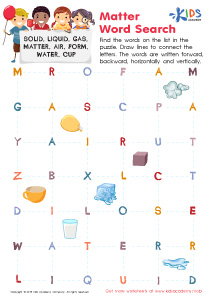
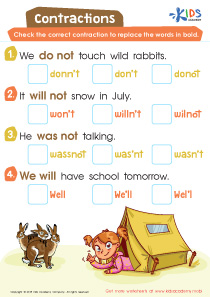
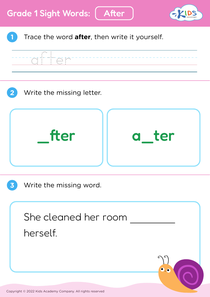
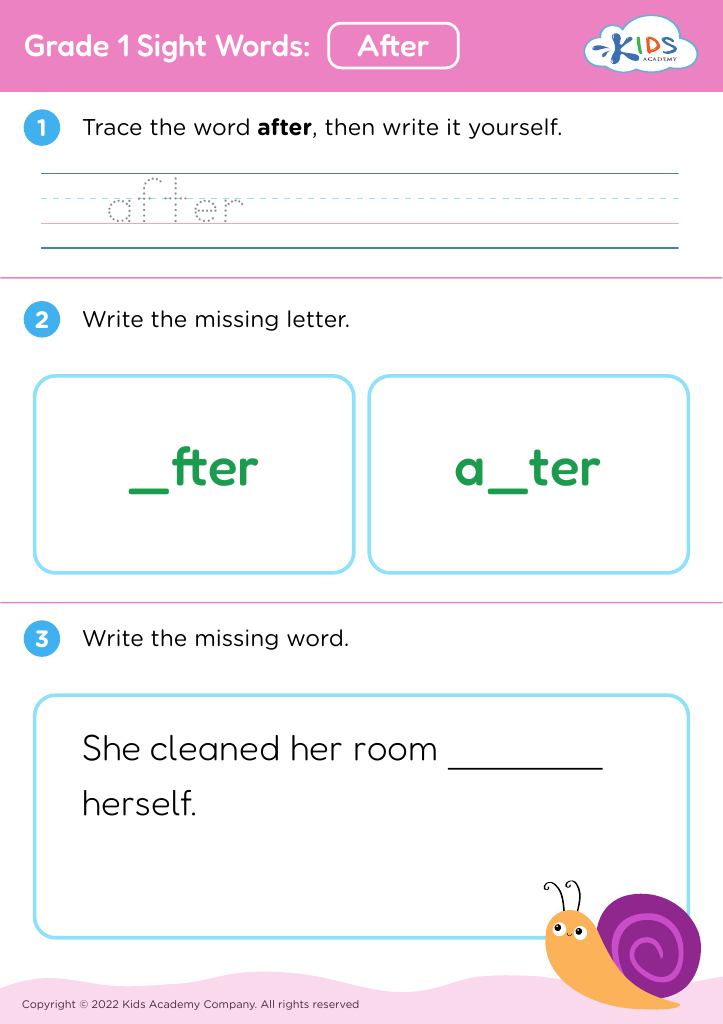
Discover our engaging "Comparing Fractions Grade 1 Sight Words Worksheets," crafted to support young learners in mastering essential reading and math skills. Each worksheet combines the fun of identifying and practicing sight words with the fundamental concept of comparing fractions. Perfectly tailored for first graders, these resources enhance reading fluency and basic fraction understanding through fun and interactive exercises. Ideal for classroom use or at-home practice, our worksheets make learning enjoyable and effective. Equip your child with the foundational skills they need to excel in both math and reading with our thoughtfully designed worksheets.
Favorites
With answer key
Interactive


Join Kids Academy for Free
Who is primarily going to use this learning content?








Comparing fractions and sight words are two foundational components of early education that develop critical thinking and literacy skills, making them important for parents or teachers to prioritize. While comparing fractions may seem advanced for first graders, introducing simple concepts helps build mathematical thinking early on. Understanding basic fractions, such as halves and quarters, lays the groundwork for future math proficiency. Engaging children with concrete examples, like dividing a pizza, helps solidify these ideas in a way that makes sense to them.
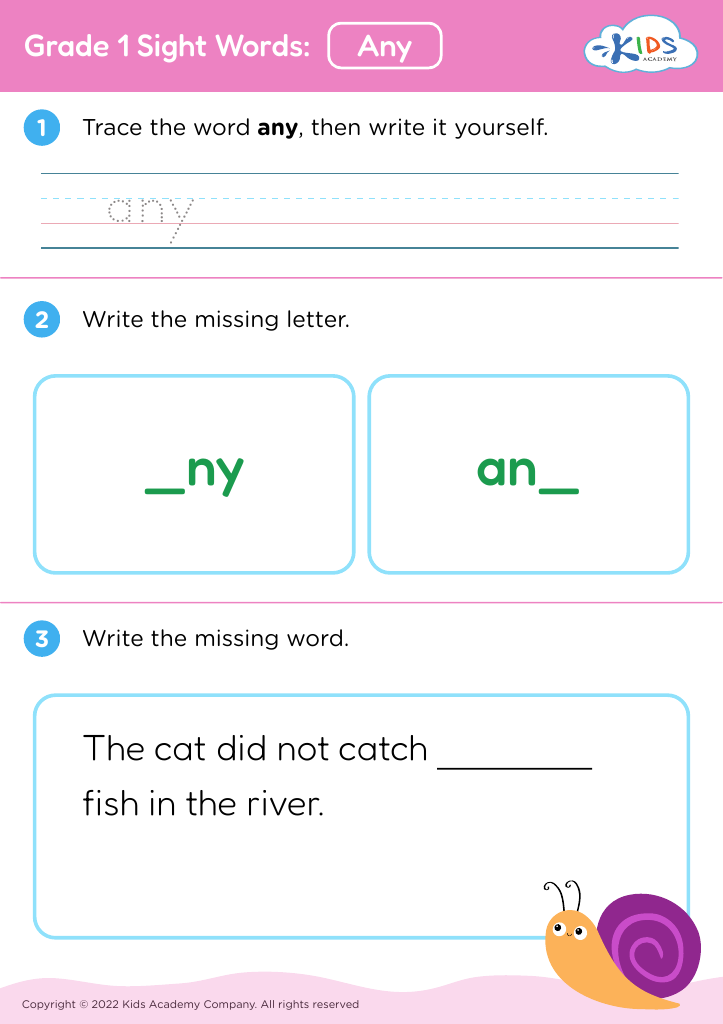
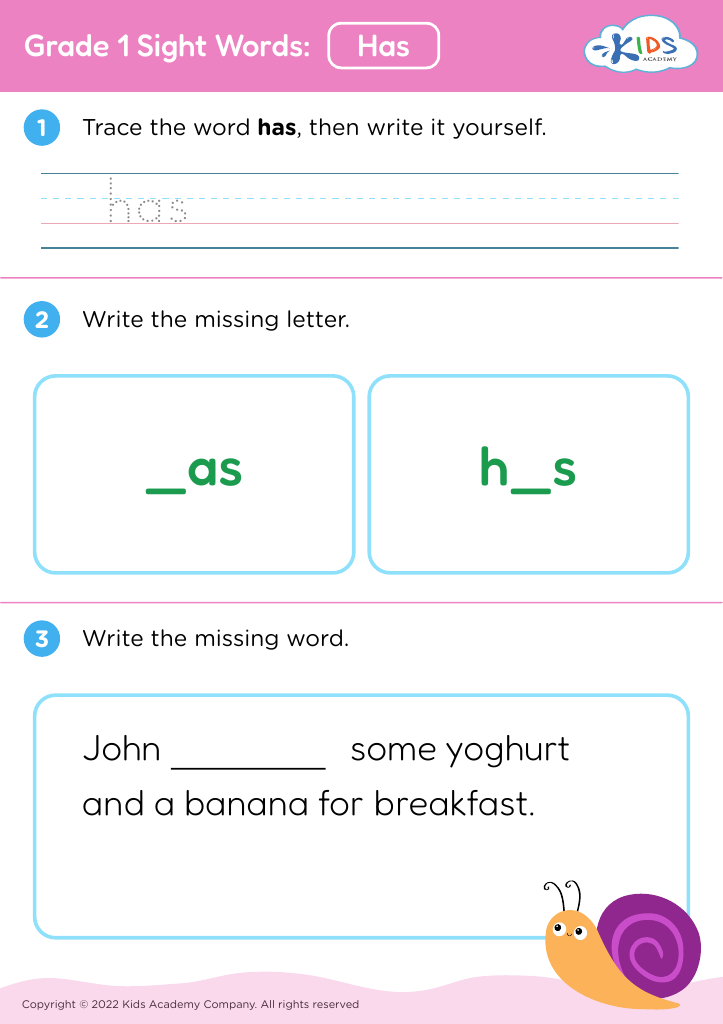
On the other hand, sight words are common words that first graders need to recognize instantly to enhance their reading fluency. Words like "the," "is," and "and" appear frequently in text, and knowing them by sight allows children to read more smoothly without stumbling. This fluency is crucial for overall reading comprehension and for developing a love for reading.
Combining these skills, even loosely, encourages a well-rounded cognitive development. For instance, word problems including sight words can simultaneously improve reading and math skills. Parents and teachers should care about this integrative approach because it supports multifaceted learning, paving the way for strong academic performance and confidence in future educational endeavors. Ensuring children grasp these early concepts really does set the trajectory for lifelong learning success.