Artistic Expression Grade 1 Songs Worksheets
4 filtered results
-
From - To
Explore our vibrant collection of Artistic Expression Grade 1 Songs Worksheets designed to stimulate creativity and enhance musical appreciation among young learners. These engaging worksheets introduce children to the joy of artistic expression through fun, interactive songs that promote rhythm, melody, and lyrical comprehension. Each worksheet encourages children to connect their emotions and ideas with art, fostering their imagination and enhancing their reading skills. Perfect for classroom activities or at-home practice, these resources will spark a love for music and creativity in your first graders. Dive into a world of color and sound, and watch your students thrive through artistic exploration!
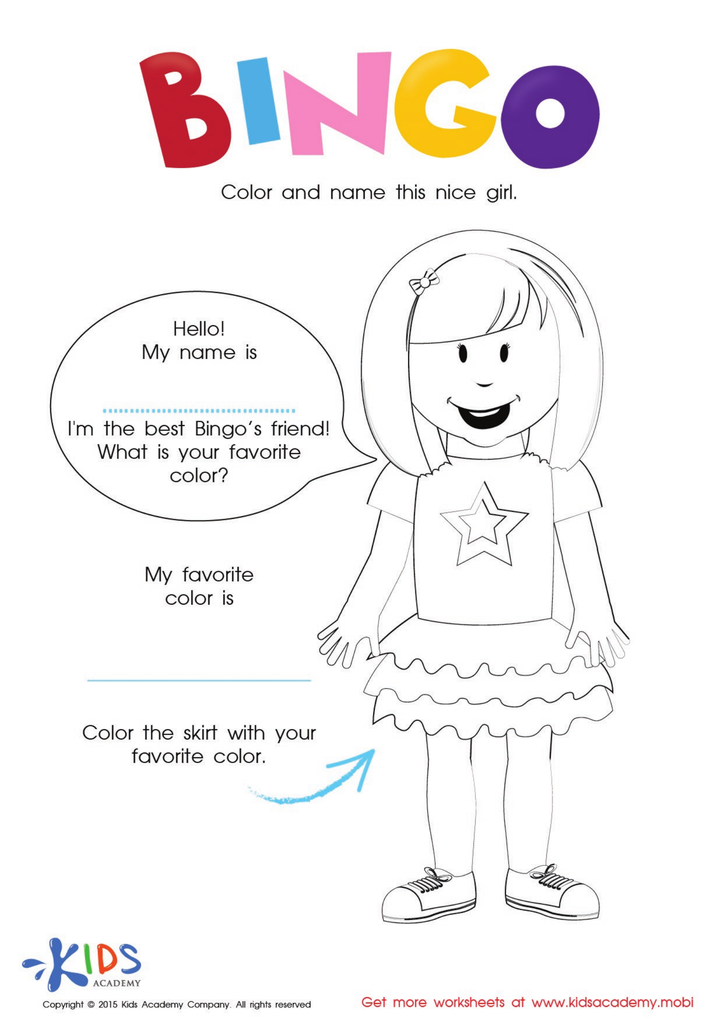
The Bingo Song: Coloring The Girl Worksheet
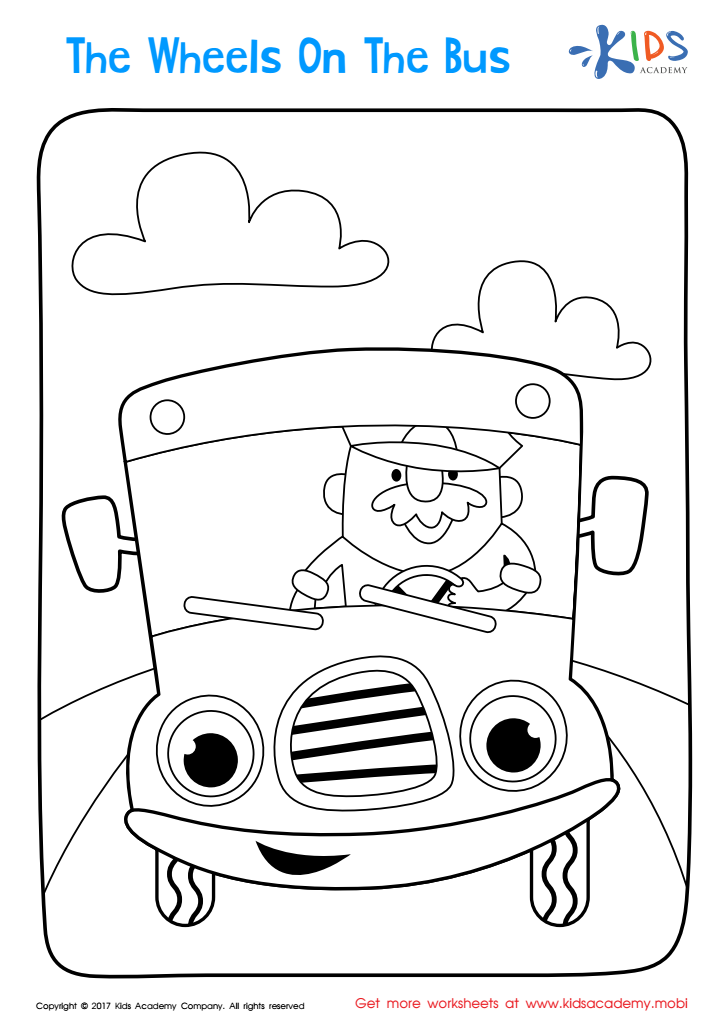
The Wheels on the Bus Coloring Page
 Assign to My Students
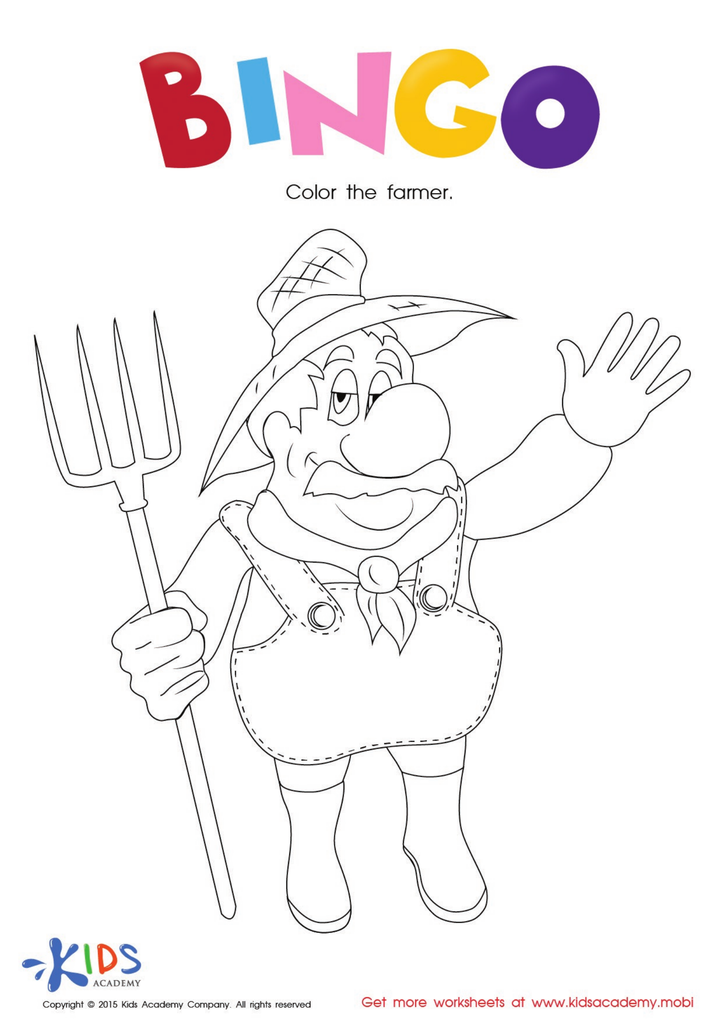
The Bingo Song: Coloring The Farmer Worksheet
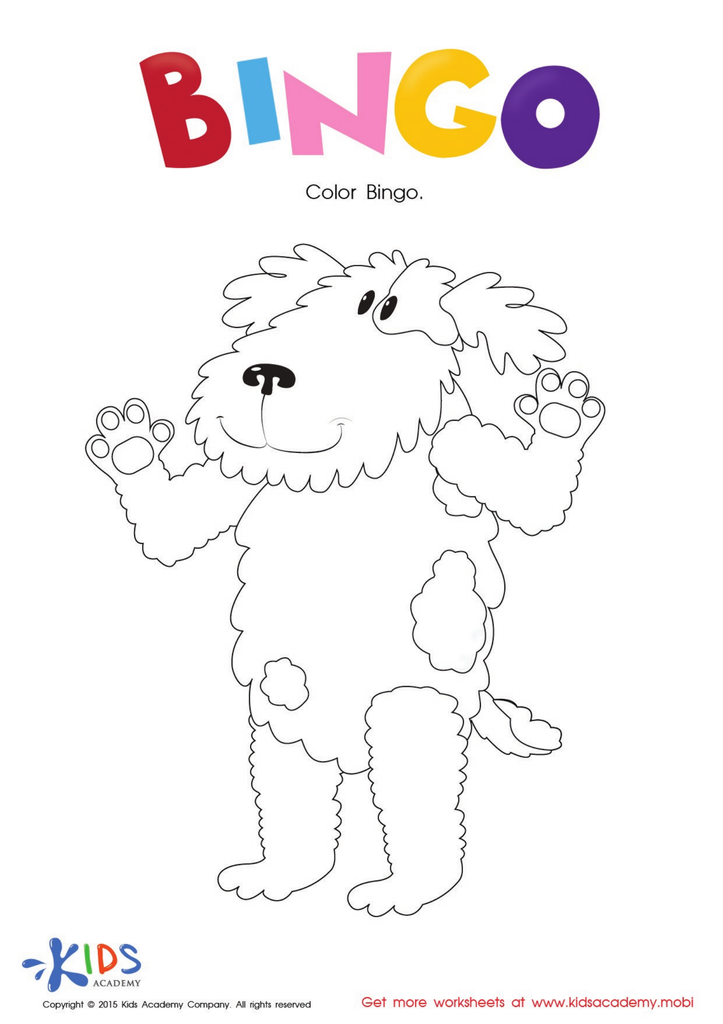
The Bingo Song: Coloring The Dog Worksheet





Parents and teachers should care about Artistic Expression Grade 1 songs because they play a pivotal role in the cognitive, social, and emotional development of young children. At this early stage, music serves as a powerful tool for learning, sparking creativity and enhancing cognitive skills such as memory, listening, and pattern recognition. When children sing and engage in musical activities, they not only develop language skills but also gain a deeper grasp of rhythm, melody, and even mathematical concepts.
Additionally, these songs often include themes that promote values like teamwork, empathy, and cultural awareness, essential components of social development. Engaging with music fosters collaboration, as children learn to sing and perform together, building relationships and enhancing their communication skills.
Furthermore, Artistic Expression through music allows children to explore their emotions, giving them a safe space to express joy, excitement, or even sadness. This emotional exploration is crucial for developing self-awareness and confidence. In today’s rapidly changing world, encouraging a love for music and artistic expression can set the foundation for lifelong skills in creativity and problem-solving. Thus, nurturing artistic expression through these songs is vital for holistic development in Grade 1 students.